


The cingulate cortex and limbic systems for emotion, action, and memory
- PMID: 31451898
- PMCID: PMC6875144
- DOI: 10.1007/s00429-019-01945-2
The cingulate cortex and limbic systems for emotion, action, and memory
Abstract
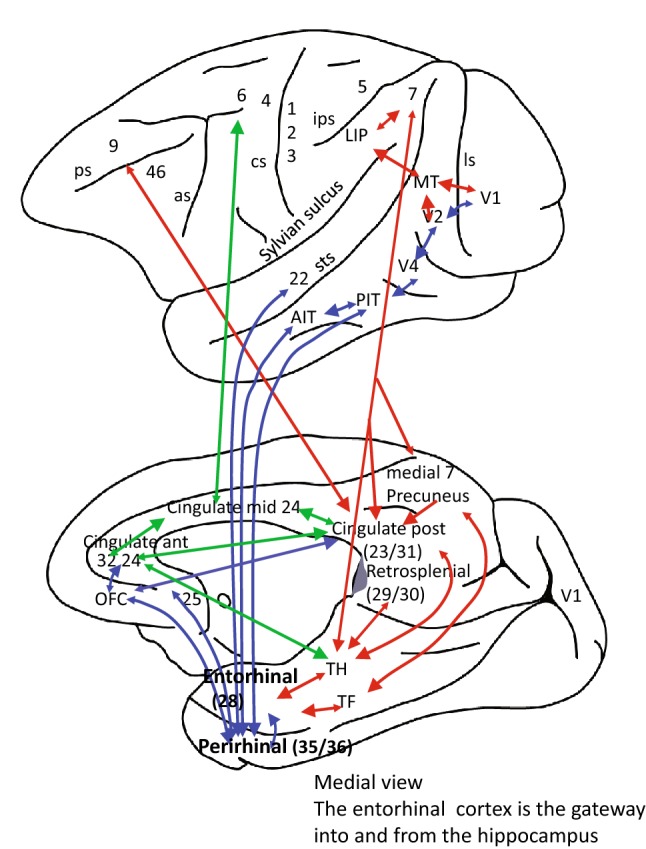
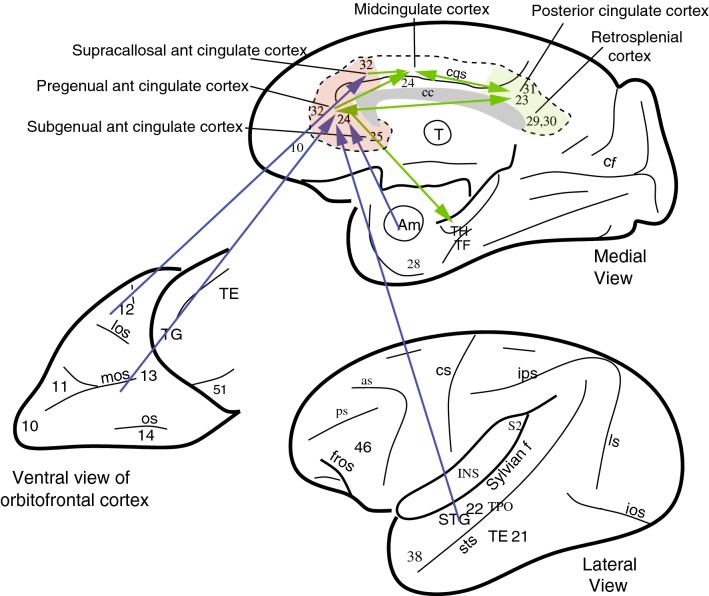
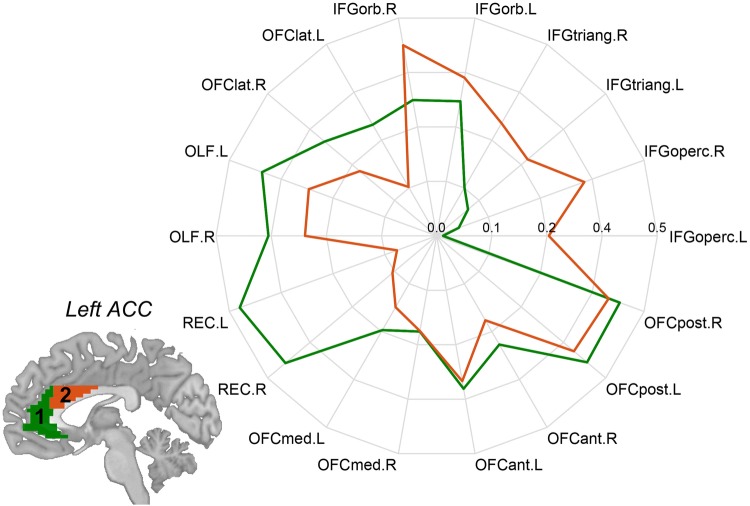
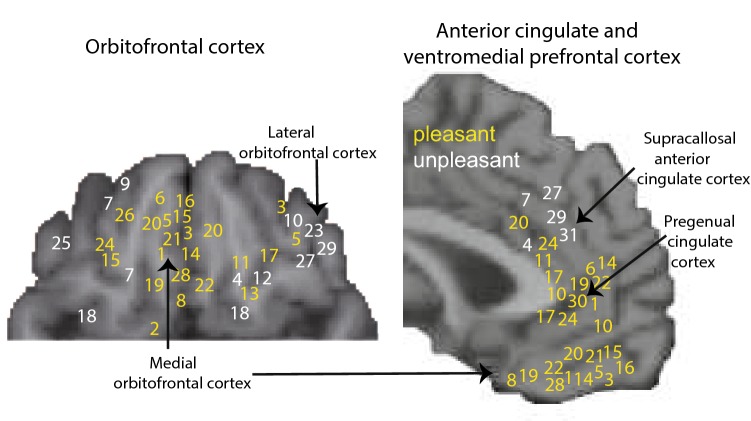
Evidence is provided for a new conceptualization of the connectivity and functions of the cingulate cortex in emotion, action, and memory. The anterior cingulate cortex receives information from the orbitofrontal cortex about reward and non-reward outcomes. The posterior cingulate cortex receives spatial and action-related information from parietal cortical areas. It is argued that these inputs allow the cingulate cortex to perform action-outcome learning, with outputs from the midcingulate motor area to premotor areas. In addition, because the anterior cingulate cortex connects rewards to actions, it is involved in emotion; and because the posterior cingulate cortex has outputs to the hippocampal system, it is involved in memory. These apparently multiple different functions of the cingulate cortex are related to the place of this proisocortical limbic region in brain connectivity.
Keywords: Cingulate cortex; Depression; Emotion; Hippocampus; Limbic systems; Memory; Orbitofrontal cortex.
Conflict of interest statement
The author declares no conflict of interest.
Figures
References
-
- Andersen RA. Coordinate transformations and motor planning in posterior parietal cortex. In: Gazzaniga MS, editor. The cognitive neurosciences. Cambridge: MIT Press; 1995. pp. 519–532.
-
- Andersen RA, Batista AP, Snyder LH, Buneo CA, Cohen YE. Programming to look and reach in the posterior parietal cortex. In: Gazzaniga MS, editor. The new cognitive neurosciences. Cambridge: MIT Press; 2000. pp. 515–524.
-
- Balleine BW, Dickinson A. The role of incentive learning in instrumental outcome revaluation by sensory-specific satiety. Anim Learn Behav. 1998;26:46–59.
Publication types
MeSH terms
LinkOut - more resources
Full Text Sources
Other Literature Sources
Medical
