Review
. 2018 Sep 3;64(3):179-197.
doi: 10.5606/tftrd.2018.3539. eCollection 2018 Sep.

Lymphedema diagnosis, treatment, and follow-up from the view point of physical medicine and rehabilitation specialists

Affiliations
Review

Lymphedema diagnosis, treatment, and follow-up from the view point of physical medicine and rehabilitation specialists

Pınar Borman. Turk J Phys Med Rehabil. .

Abstract

Lymphedema is an incurable, debilitating and progressive condition, leading to physical and psychosocial consequences for the patients, if left untreated. The Physical Medicine and Rehabilitation (PMR) specialist is responsible for the differential diagnosis and evaluation of the patient to tailor management and rehabilitation strategies. Therefore, the PMR specialist must have knowledge and education on the diagnosis of disease and possible complications as well as evaluation, treatment and follow-up of the patient. In this review, the pathophysiology, epidemiology, and diagnostic and therapeutic approaches of lymphedema as well as preventive strategies and follow-up strategies are discussed in the light of the current literature.

Keywords: Diagnosis; follow-up; lymphedema; physical medicine and rehabilitation specialist; treatment.


Conflict of interest statement

Conflict of Interest: The authors declared no conflicts of interest with respect to the authorship and/or publication of this article.

Figures
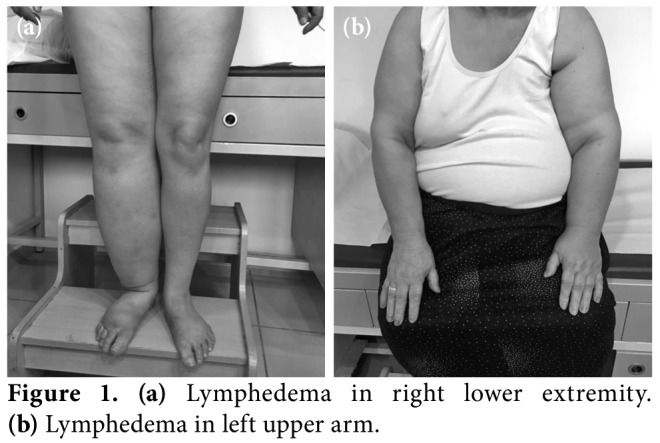
Figure 1
Figure 1. (a) Lymphedema in right lower extremity. (b) Lymphedema in left upper arm.
Figure 2
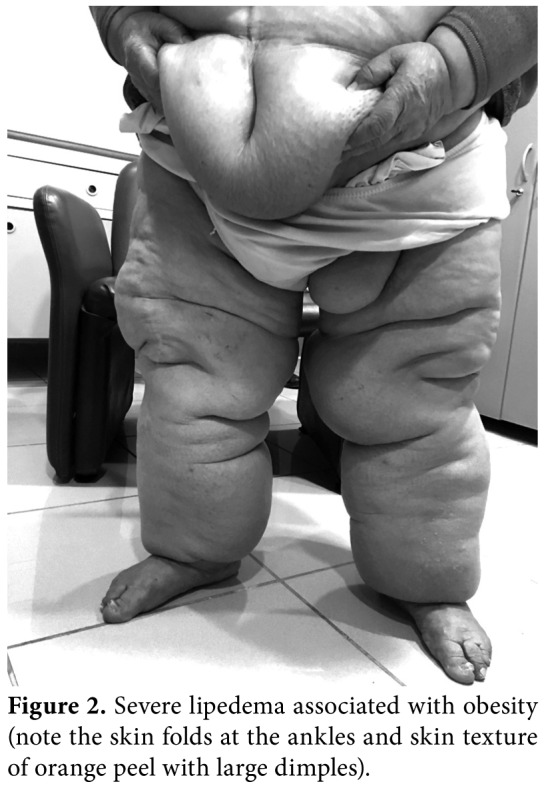
Figure 2. Severe lipedema associated with obesity (note the skin folds at the ankles and skin texture of orange peel with large dimples)
Figure 3
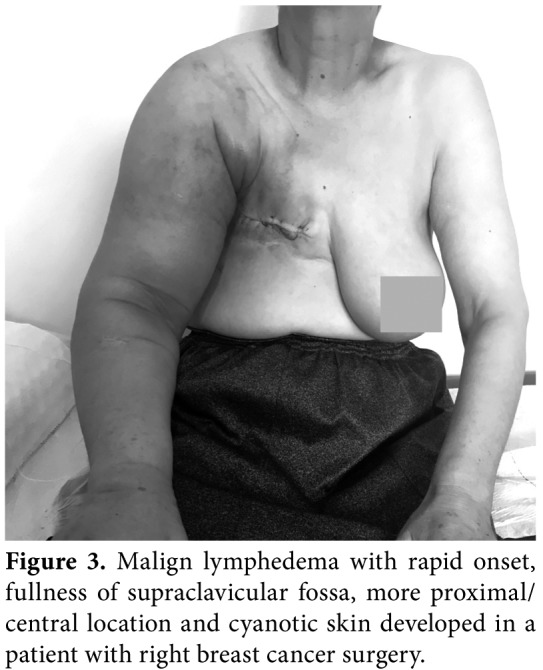
Figure 3. Malign lymphedema with rapid onset, fullness of supraclavicular fossa, more proximal/ central location and cyanotic skin developed in a patient with right breast cancer surgery.
Figure 4
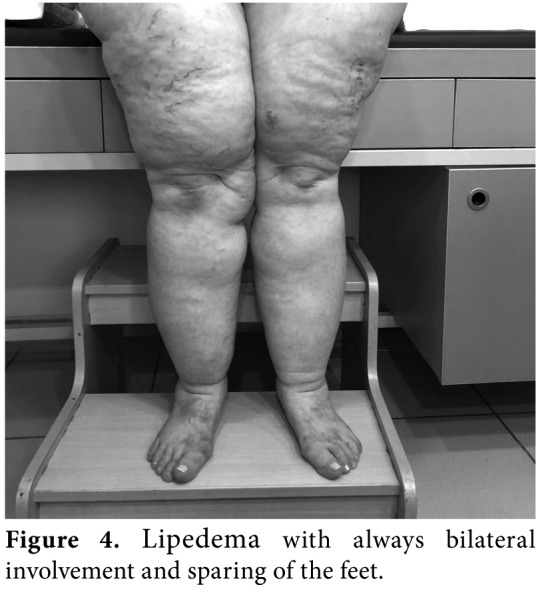
Figure 4. Lipedema with always bilateral involvement and sparing of the feet
Figure 5
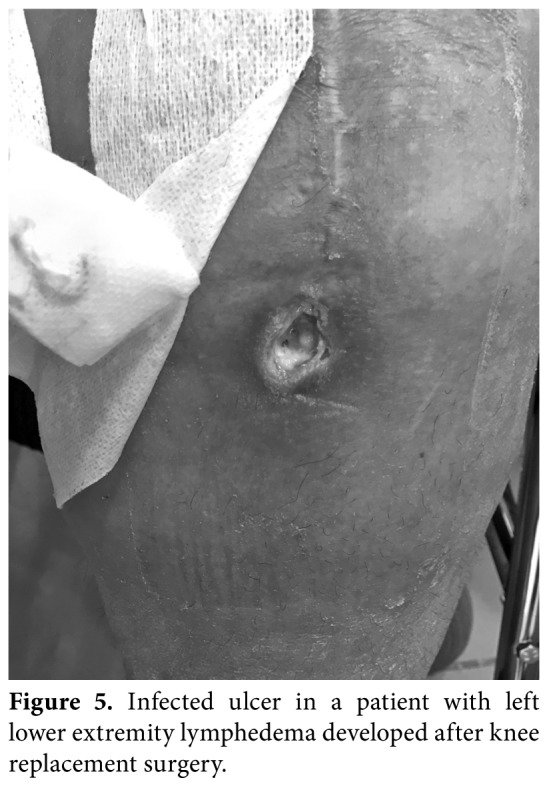
Figure 5. Infected ulcer in a patient with left lower extremity lymphedema developed after knee replacement surgery
Figure 6
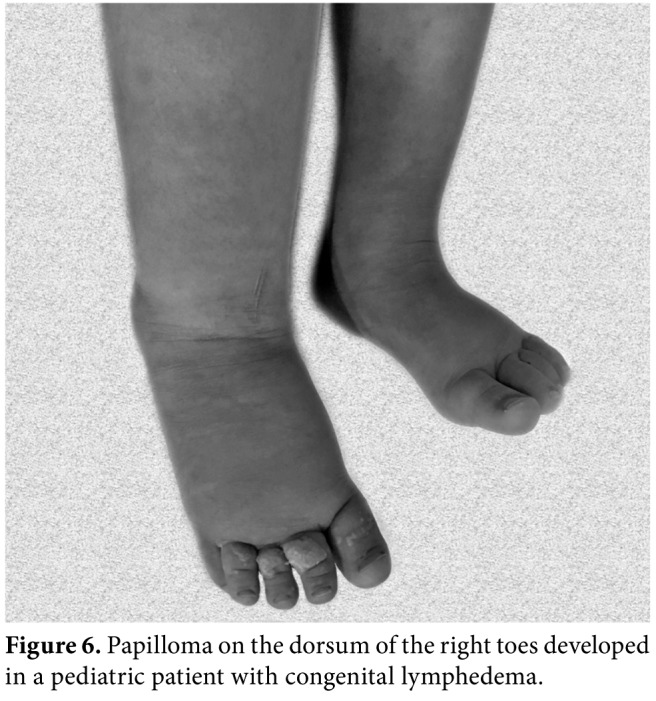
Figure 6. Papilloma on the dorsum of the right toes developed in a pediatric patient with congenital lymphedema
Figure 7
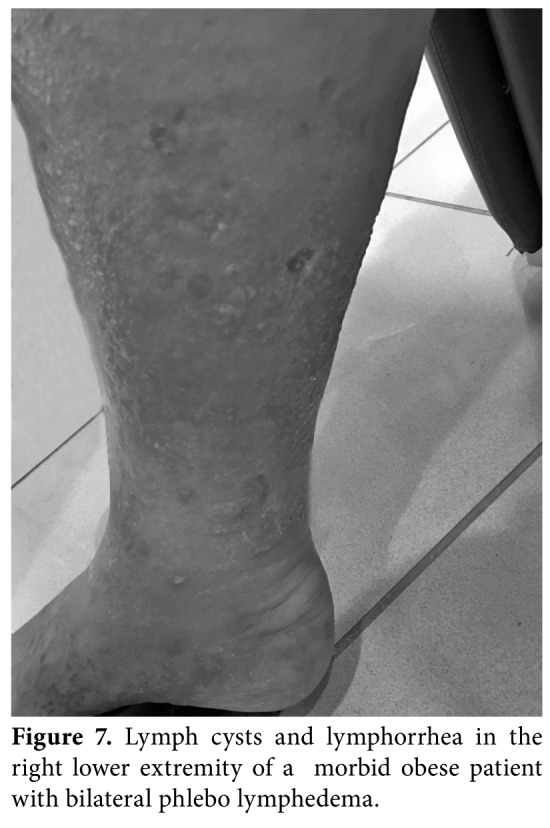
Figure 7. Lymph cysts and lymphorrhea in the right lower extremity of a morbid obese patient with bilateral phlebo lymphedema
Figure 8
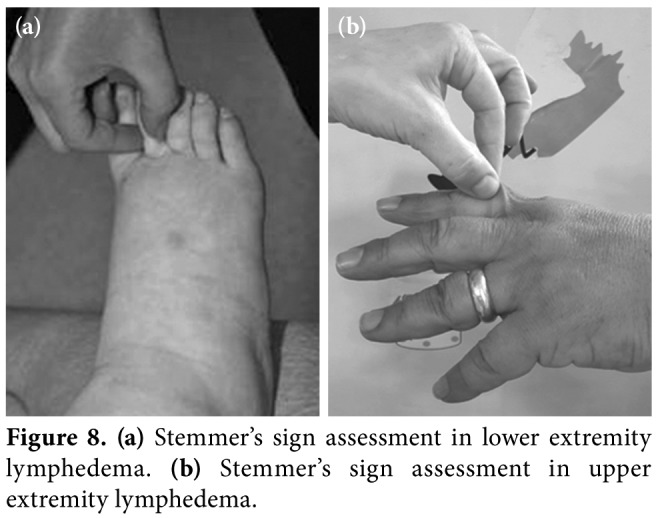
Figure 8. (a) Stemmer's sign assessment in lower extremity lymphedema. (b) Stemmer's sign assessment in upper extremity lymphedema
Figure 9
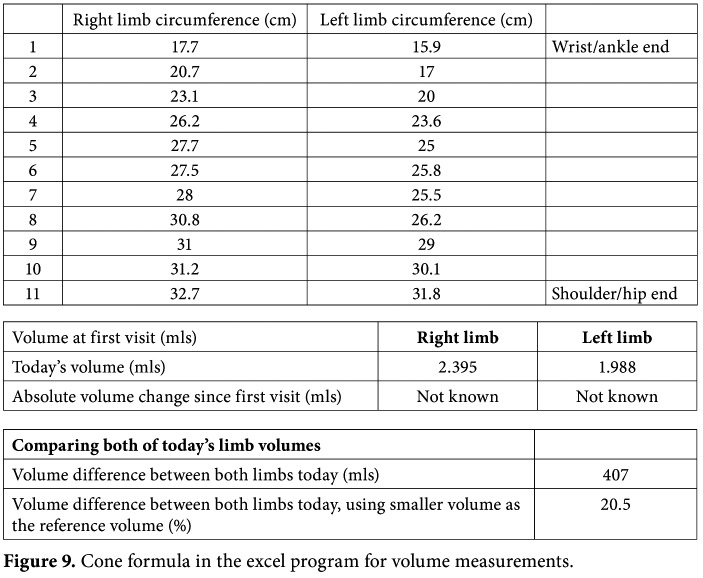
Figure 9. Cone formula in the excel program for volume measurements.
Figure 10
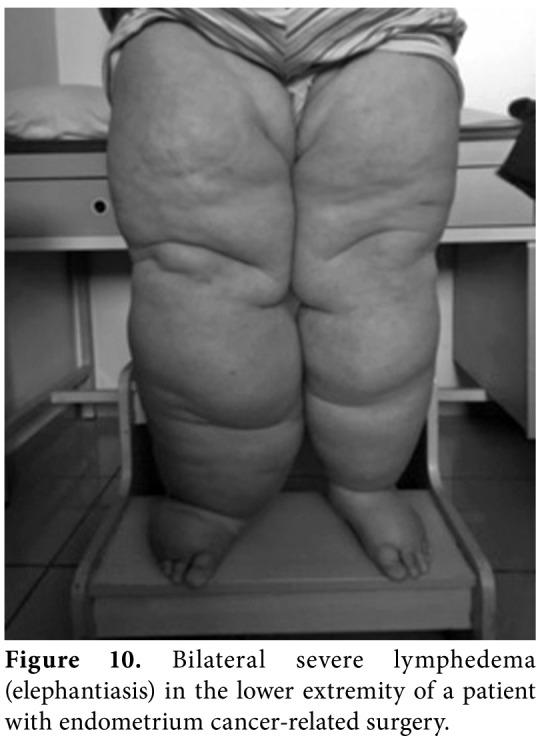
Figure 10. Bilateral severe lymphedema (elephantiasis) in the lower extremity of a patient with endometrium cancer-related surgery
Figure 11
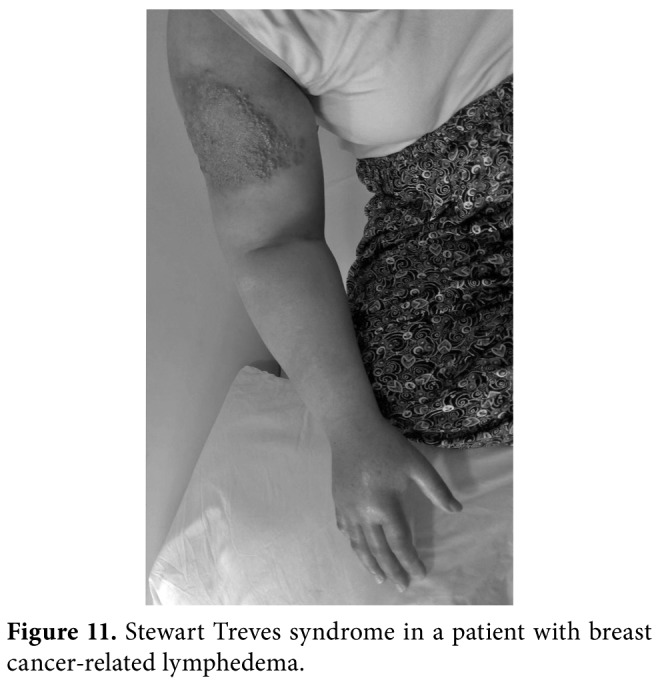
Figure 11. Stewart Treves syndrome in a patient with breast cancer-related lymphedema
Figure 12
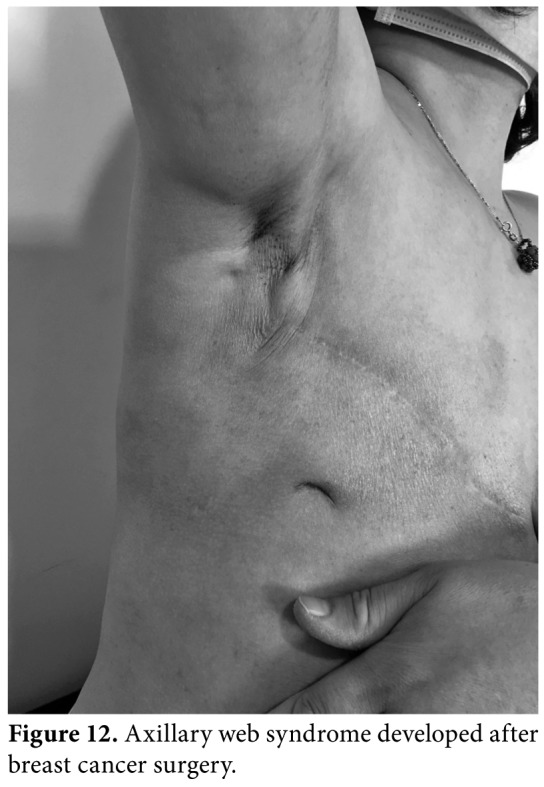
Figure 12. Axillary web syndrome developed after breast cancer surgery.
Figure 13
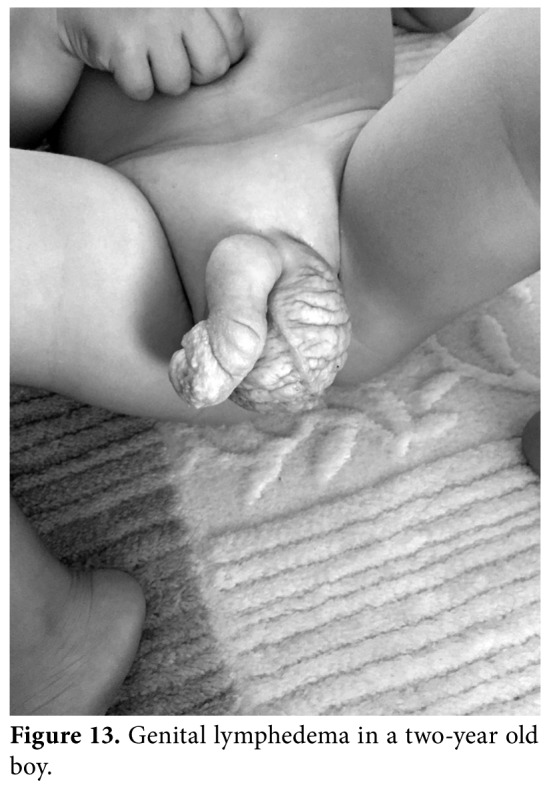
Figure 13. Genital lymphedema in a two-year old boy
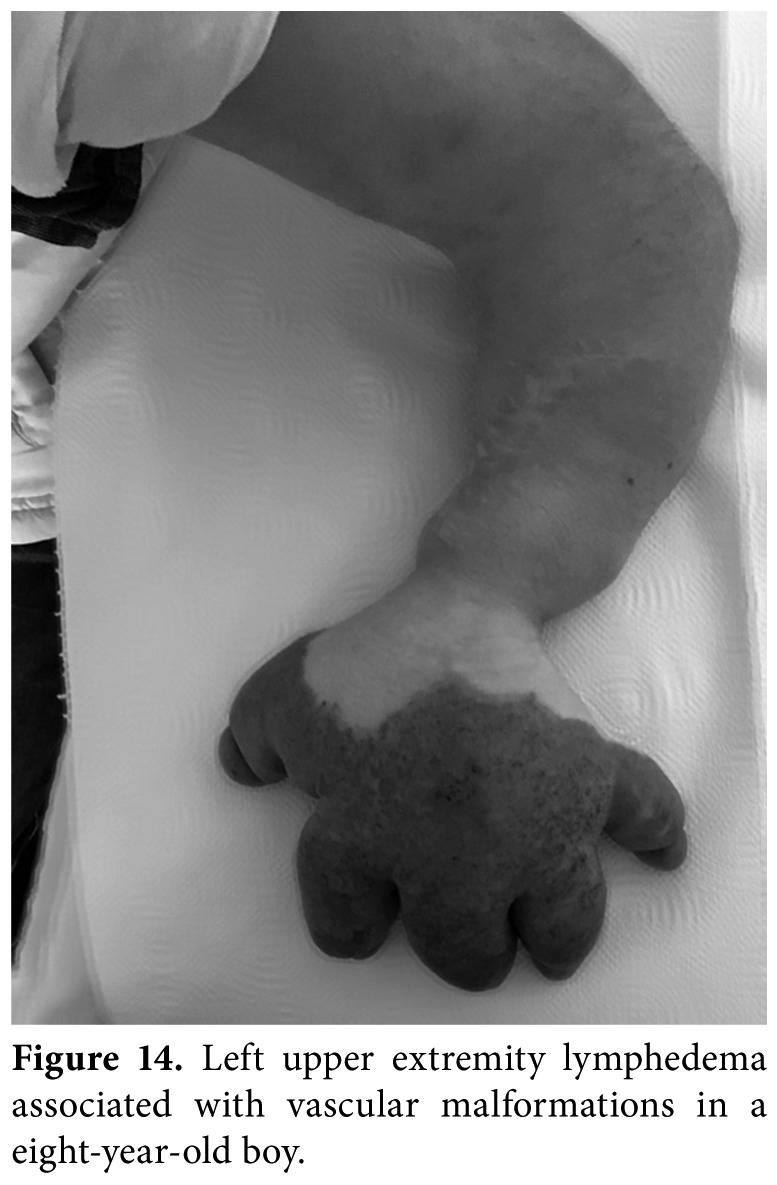
Figure 14
Figure 14. Left upper extremity lymphedema associated with vascular malformations in a eight- year-old boy.
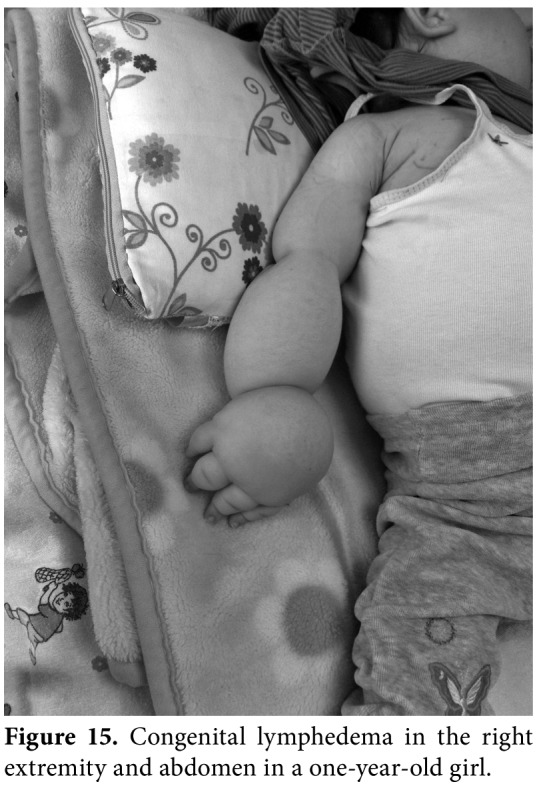
Figure 15
Figure 15. Congenital lymphedema in the right extremity and abdomen in a one-year-old girl.
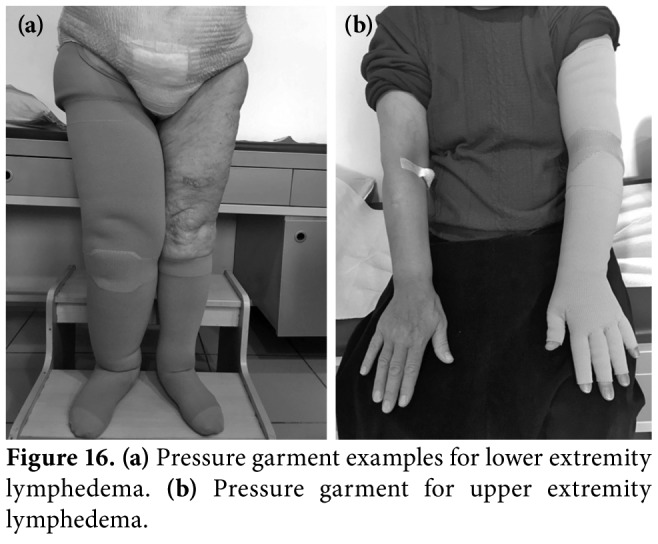
Figure 16
Figure 16. (a) Pressure garment examples for lower extremity lymphedema. (b) Pressure garment for upper extremity lymphedema
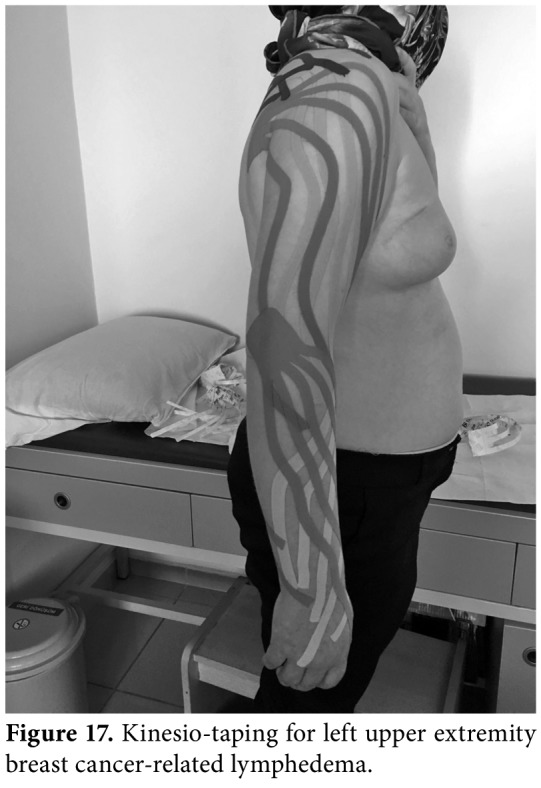
Figure 17
Figure 17. Kinesio-taping for left upper extremity breast cancer-related lymphedema

References

    1. Keast DH, Despatis M, Allen JO, Brassard A. Chronic oedema/lymphoedema: under-recognised and under- treated. Int Wound J. 2015;12:328–333. - PMC - PubMed
    1. Borman P, Yaman A, Yasrebi S, Özdemir O. The Importance of Awareness and Education in Patients with Breast Cancer-Related Lymphedema. J Cancer Educ. 2017;32:629–633. - PubMed
    1. Fialka-Moser V, Korpan M, Varela E, Ward A, Gutenbrunner C, Casillas JM, et al. The role of physical and rehabilitation medicine specialist in lymphoedema. Ann Phys Rehabil Med. 2013;56:396–410. - PubMed
    1. Greene AK, Slavin SA, Brorson H, editors. Lymphedema Presentation, Diagnosis and Treatment. Switzerland: Springer; 2015. Greene AK Epidemiology and morbidity of lymphedema. pp. 33–50.
    1. Ozaslan C, Kuru B. Lymphedema after treatment of breast cancer. Am J Surg. 2004;187:69–72. - PubMed

LinkOut - more resources