


The Role of Oxidative Stress and Hormones in Controlling Obesity
- PMID: 31456748
- PMCID: PMC6701166
- DOI: 10.3389/fendo.2019.00540
The Role of Oxidative Stress and Hormones in Controlling Obesity
Erratum in
-
Erratum: The Role of Oxidative Stress and Hormones in Controlling Obesity.Front Endocrinol (Lausanne). 2019 Sep 27;10:693. doi: 10.3389/fendo.2019.00693. eCollection 2019. Front Endocrinol (Lausanne). 2019. PMID: 31608015 Free PMC article.
Abstract
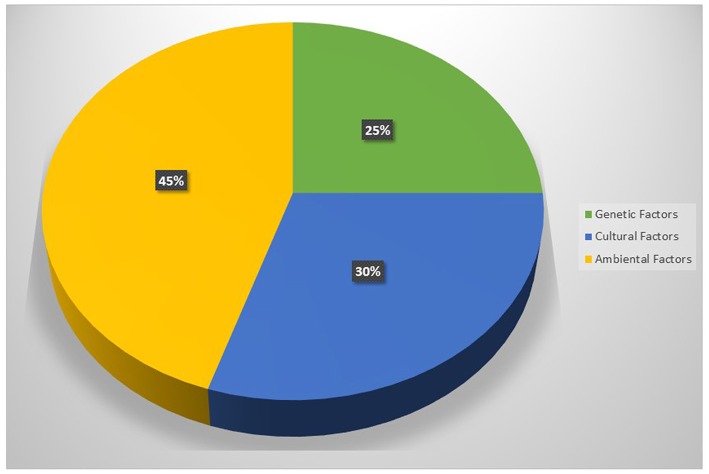
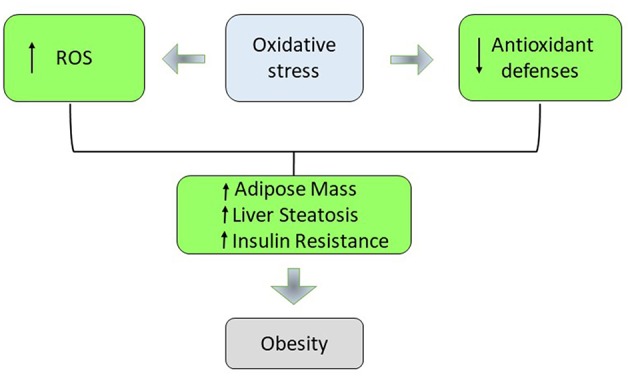
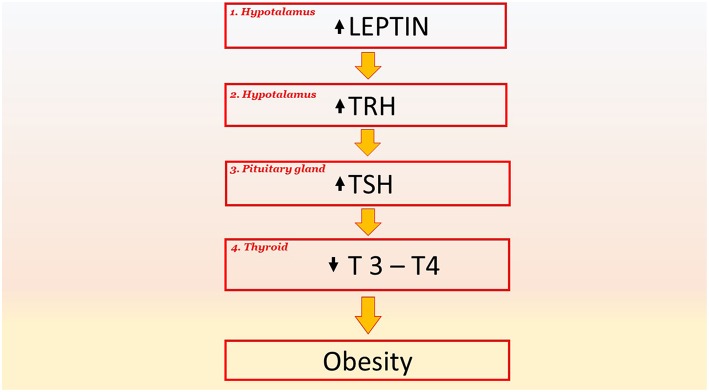
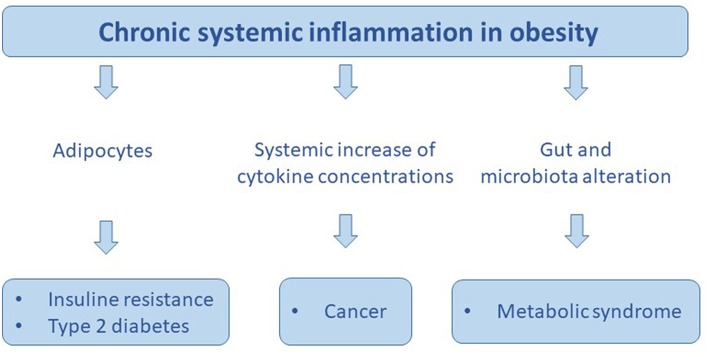
The accumulation of adipose tissue in the body occurs because the energy introduced with food and drink exceeds that expense, but to understand why this imbalance is established and why it is maintained over time, it is important to consider the main causes and risk factors of excess weight. In this review, we will refer to the main factors linked to obesity, starting from oxidative stress to hormonal factors including the role of obesity in breast cancer. Among the many hypotheses formulated on the etiopathology of obesity, a key role can be attributed to the relationship between stress oxidative and intestinal microbiota. Multiple evidences tend to show that genetic, epigenetic, and lifestyle factors contribute to determine in the obese an imbalance of the redox balance correlated with the alteration of the intestinal microbial flora. Obesity acts negatively on the wound healing, in fact several studies indicate morbid obesity significantly increased the risk of a post-operative wound complication and infection. Currently, in the treatment of obesity, medical interventions are aimed not only at modifying caloric intake, but also to modulate and improve the composition of diet with the aim of rebalancing the microbiota-redox state axis.
Keywords: gut hormones; microbiota; obesity; oxidative stress; thyroid; wound healing.
Figures
References
Publication types
LinkOut - more resources
Full Text Sources
