


Biosynthesis of Hyaluronic acid polymer: Dissecting the role of sub structural elements of hyaluronan synthase
- PMID: 31467312
- PMCID: PMC6715743
- DOI: 10.1038/s41598-019-48878-8
Biosynthesis of Hyaluronic acid polymer: Dissecting the role of sub structural elements of hyaluronan synthase
Abstract
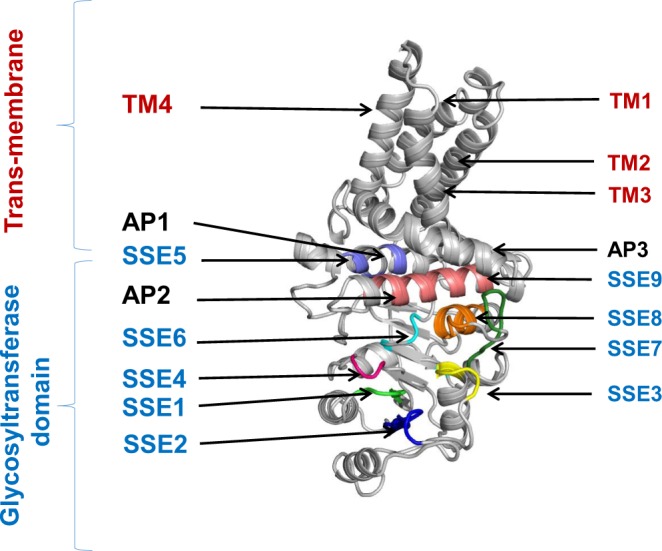
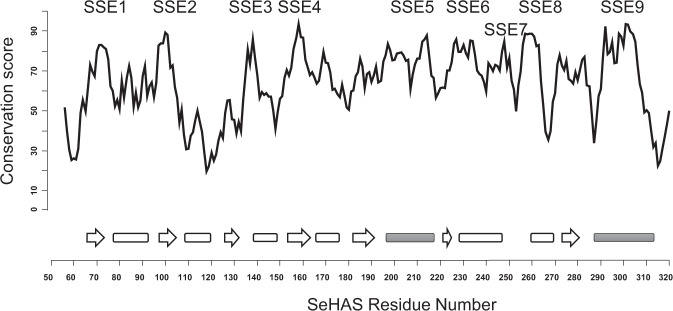
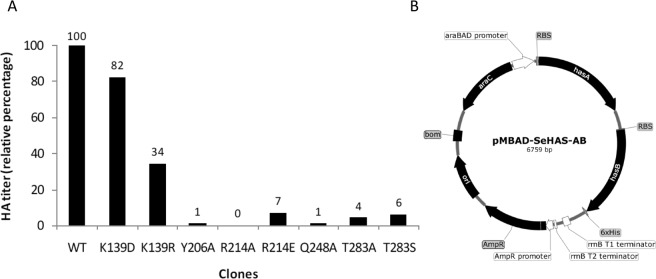
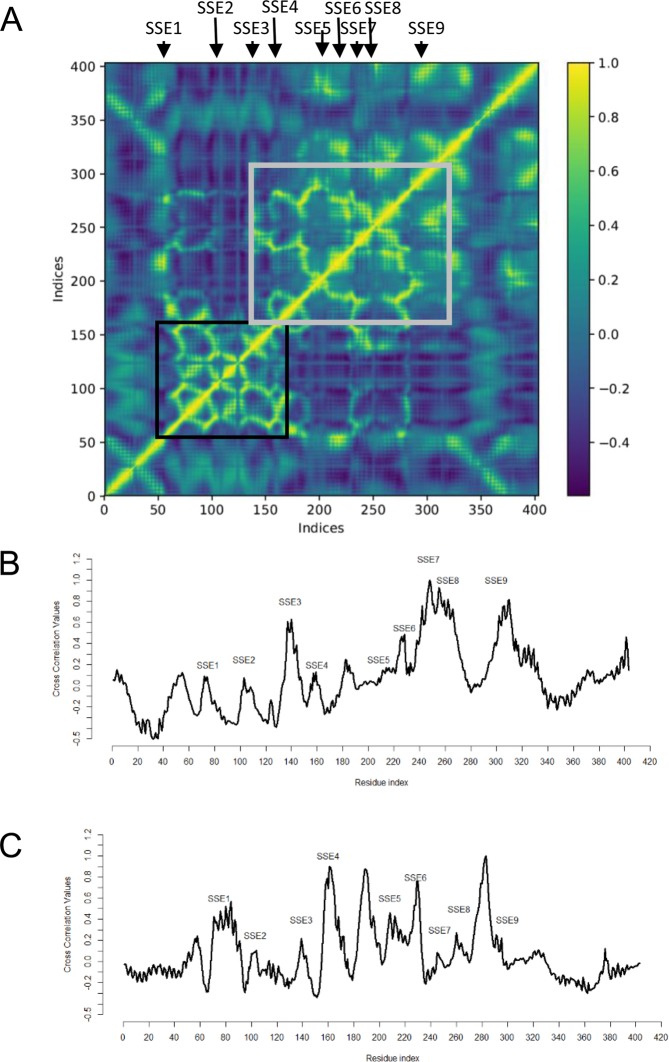
Hyaluronic acid (HA) based biomaterials have several biomedical applications. HA biosynthesis is catalysed by hyaluronan synthase (HAS). The unavailability of 3-D structure of HAS and gaps in molecular understanding of HA biosynthesis process pose challenges in rational engineering of HAS to control HA molecular weight and titer. Using in-silico approaches integrated with mutation studies, we define a dictionary of sub-structural elements (SSE) of the Class I Streptococcal HAS (SeHAS) to guide rational engineering. Our study identifies 9 SSE in HAS and elucidates their role in substrate and polymer binding and polymer biosynthesis. Molecular modelling and docking assessment indicate a single binding site for two UDP-substrates implying conformationally-driven alternating substrate specificities for this class of enzymes. This is the first report hypothesizing the involvement of sites from SSE5 in polymer binding. Mutation at these sites influence HA production, indicating a tight coupling of polymer binding and synthase functions. Mutation studies show dispensable role of Lys-139 in substrate binding and a key role of Gln-248 and Thr-283 in HA biosynthesis. Based on the functional architecture in SeHAS, we propose a plausible three-step polymer extension model from its reducing end. Together, these results open new avenues for rational engineering of Class I HAS to study and regulate its functional properties and enhanced understanding of glycosyltransferases and processive enzymes.
Conflict of interest statement
The authors declare no competing interests.
Figures


References
-
- Weissmann B, Meyer K. The Structure of Hyalobiuronic Acid and of Hyaluronic Acid from Umbilical Cord1,2. J. Am. Chem. Soc. 1954;76:1753–1757. doi: 10.1021/ja01636a010. - DOI
Publication types
MeSH terms
Substances
LinkOut - more resources
Full Text Sources
