


Spectrum, Pattern, and Clinical Outcomes of Adult Emergency Department Admissions in Selected Hospitals of Western Ethiopia: A Hospital-Based Prospective Study
- PMID: 31467720
- PMCID: PMC6701330
- DOI: 10.1155/2019/8374017
Spectrum, Pattern, and Clinical Outcomes of Adult Emergency Department Admissions in Selected Hospitals of Western Ethiopia: A Hospital-Based Prospective Study
Abstract
Background: There has been a steady rise in the absolute number of emergency room admissions over the last few decades. The healthcare delivery system of a country is required to be adjusted to patterns of morbidity and mortality to mitigate the minimized prolonged ill health consequences and premature death of adults. The spectrum, patterns, morbidity, and mortality of health and health-related emergency conditions for which patients visit hospitals often reflect the magnitude of different health problems in a society. The objective of this study was therefore to assess the spectrum, pattern, characteristics, and clinical outcomes of emergency department admissions among adult people who visited EDs of the selected hospitals in western Ethiopia.
Methodology: Hospital-based prospective cross-sectional study design was utilized. To select hospitals to be included in the study, the area sampling technique was used. Five administrative zones in west Oromia were selected as geographical clusters. Then, four hospitals were randomly selected from each zone. Finally, the consecutive sampling technique was utilized to recruit the study participants.
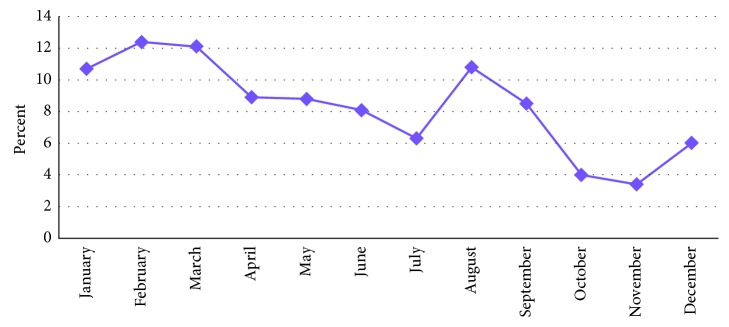
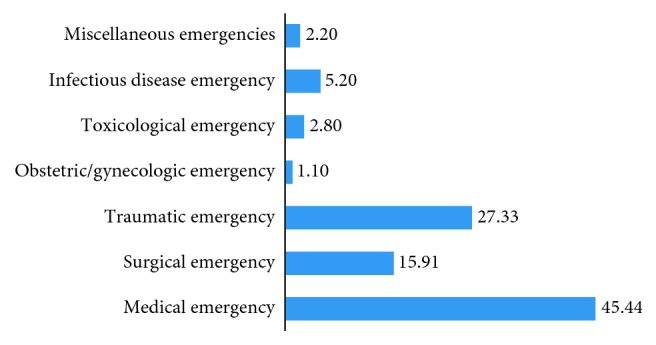
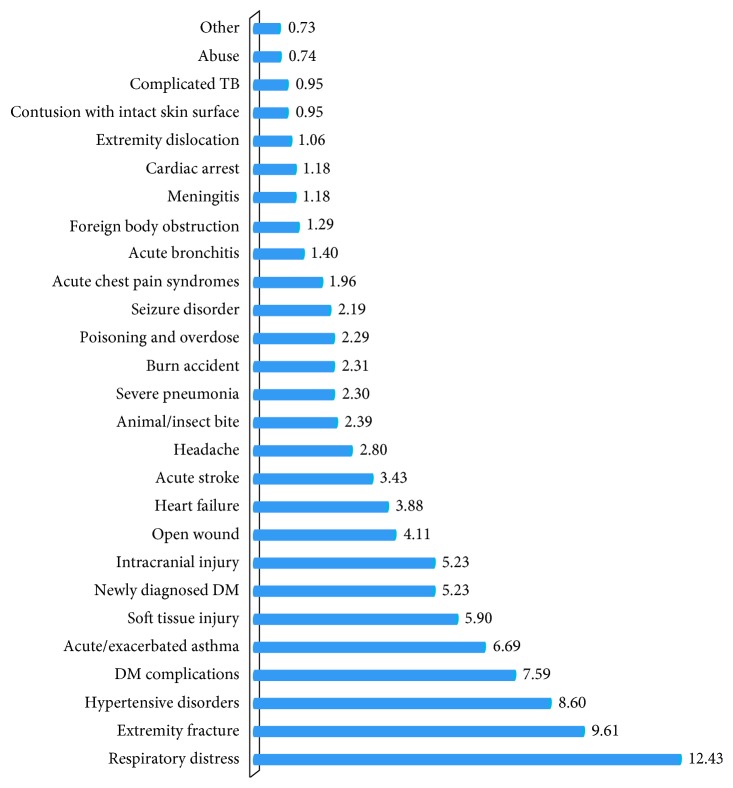
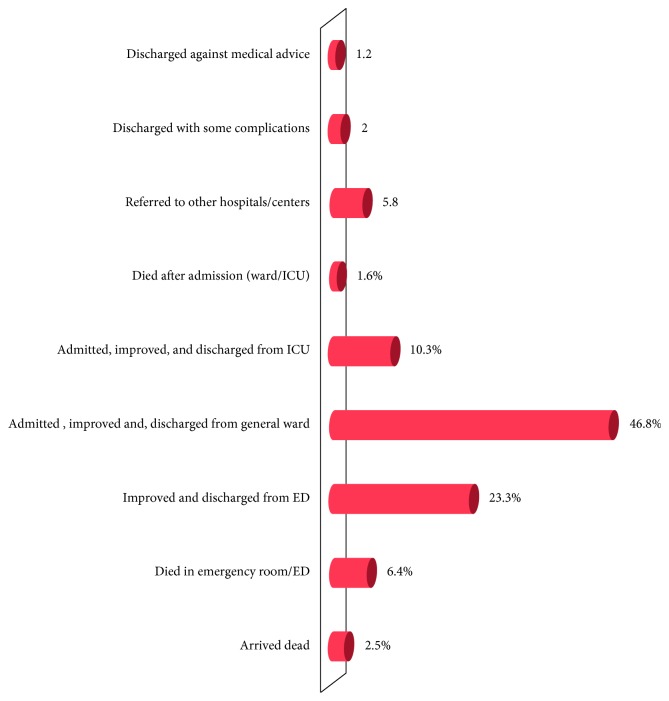
Results: The mean age of the patients admitted to emergency departments (EDs) of the selected hospitals was 34.98 years. The male-to-female ratio of the respondents was nearly equal (1 : 1.04). While one-fourth (20.4%) of the patients arrived by ambulances (without identifying reason), 23.6% of them visited the emergency department as they had no other place to go. Medical emergencies (45.4%) were the leading types of emergencies followed by traumatic emergencies (27.3%). Respiratory distress (12.43%), extremity fractures (9.61%), and hypertensive disorders (8.6%) were among the top leading causes of adult ED admissions. Vital signs were deranged in about 59.4% of the cases. The most common type of immediately life-threatening problems identified on arrival was impairment of breathing (37%), followed by circulatory compromises (30%). Emergency department admission patterns were variable with peak admissions in the month of February and the lowest in November. The vast majority (90.9%) of emergency patients survived. While 8.5% of patients died of the various types of emergency conditions, the final clinical outcome was not identified in 1.5% of the patients.
Conclusion: This study has showed mixed cases with varied patterns and outcomes of adult emergency department admissions. As overall there is a need to be alert during specific seasons, actions must be taken to improve the readiness of existing emergency room services. Furthermore, it is worthwhile to invest further on standardizing and organizing prehospital services at the community level.
Conflict of interest statement
The authors declare that they have no conflicts of interest of any form.
Figures
References
-
- Chukwuemeka O. E., Christian E. A., Uma A. K., Chidiegwu A. M., Sunday T. N., Chika I. Pattern of medical admissions in a tertiary health centre in abakaliki south-east Nigeria. Journal of Biology Agriculture and Healthcare. 2013;3(12)
-
- Ogah O. S., Akinyemi R. O., Adesemowo A., Ogbodo E. I. A two-year review of medical admissions at the emergency unit of a Nigerian tertiary health facility. African Journal of Biomedical Research. 2012;15(1):59–63.
-
- Karim M. Z., Hansen E. L., Ahmad B. U., Lahiry S. A retrospective study of illness and admission pattern of emergency patients utilizing a corporate hospital in Dhaka, Bangladesh: 2006 2008. ORION Medical Journal. 2009;32(2):650–653.
LinkOut - more resources
Full Text Sources
Research Materials
