. 2020 Jan 1;112(1):19-39.
doi: 10.1002/bdr2.1581. Epub 2019 Aug 30.

Characterizing cleft palate toxicants using ToxCast data, chemical structure, and the biomedical literature

Affiliations

Characterizing cleft palate toxicants using ToxCast data, chemical structure, and the biomedical literature

Nancy C Baker et al. Birth Defects Res. .

Abstract

Cleft palate has been linked to both genetic and environmental factors that perturb key events during palatal morphogenesis. As a developmental outcome, it presents a challenging, mechanistically complex endpoint for predictive modeling. A data set of 500 chemicals evaluated for their ability to induce cleft palate in animal prenatal developmental studies was compiled from Toxicity Reference Database and the biomedical literature, which included 63 cleft palate active and 437 inactive chemicals. To characterize the potential molecular targets for chemical-induced cleft palate, we mined the ToxCast high-throughput screening database for patterns and linkages in bioactivity profiles and chemical structural descriptors. ToxCast assay results were filtered for cytotoxicity and grouped by target gene activity to produce a "gene score." Following unsuccessful attempts to derive a global prediction model using structural and gene score descriptors, hierarchical clustering was applied to the set of 63 cleft palate positives to extract local structure-bioactivity clusters for follow-up study. Patterns of enrichment were confirmed on the complete data set, that is, including cleft palate inactives, and putative molecular initiating events identified. The clusters corresponded to ToxCast assays for cytochrome P450s, G-protein coupled receptors, retinoic acid receptors, the glucocorticoid receptor, and tyrosine kinases/phosphatases. These patterns and linkages were organized into preliminary decision trees and the resulting inferences were mapped to a putative adverse outcome pathway framework for cleft palate supported by literature evidence of current mechanistic understanding. This general data-driven approach offers a promising avenue for mining chemical-bioassay drivers of complex developmental endpoints where data are often limited.

Keywords: ToxCast; adverse outcome pathways; cleft palate; developmental toxicity; genes; machine learning.


Conflict of interest statement

The authors claim no conflict of interest.

Figures
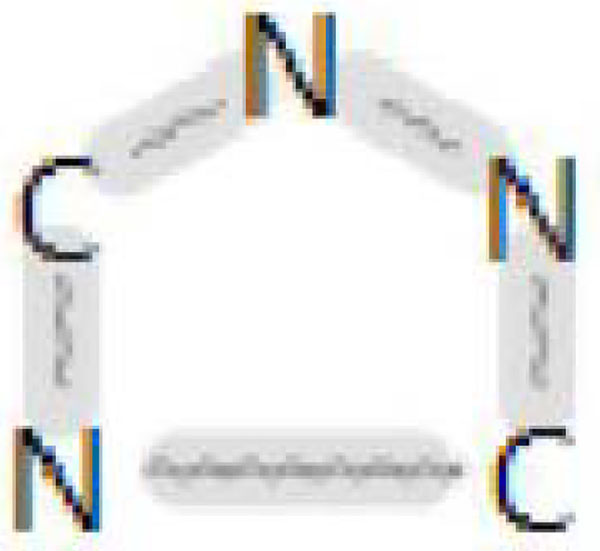
Figure 1.
Figure 1.
Example of ToxPrint-617 chemotype “ring:hetero_[5]_N_triazole_(1_2_4-)” (gray bonds indicate aromaticity).
Figure 2.
Figure 2.
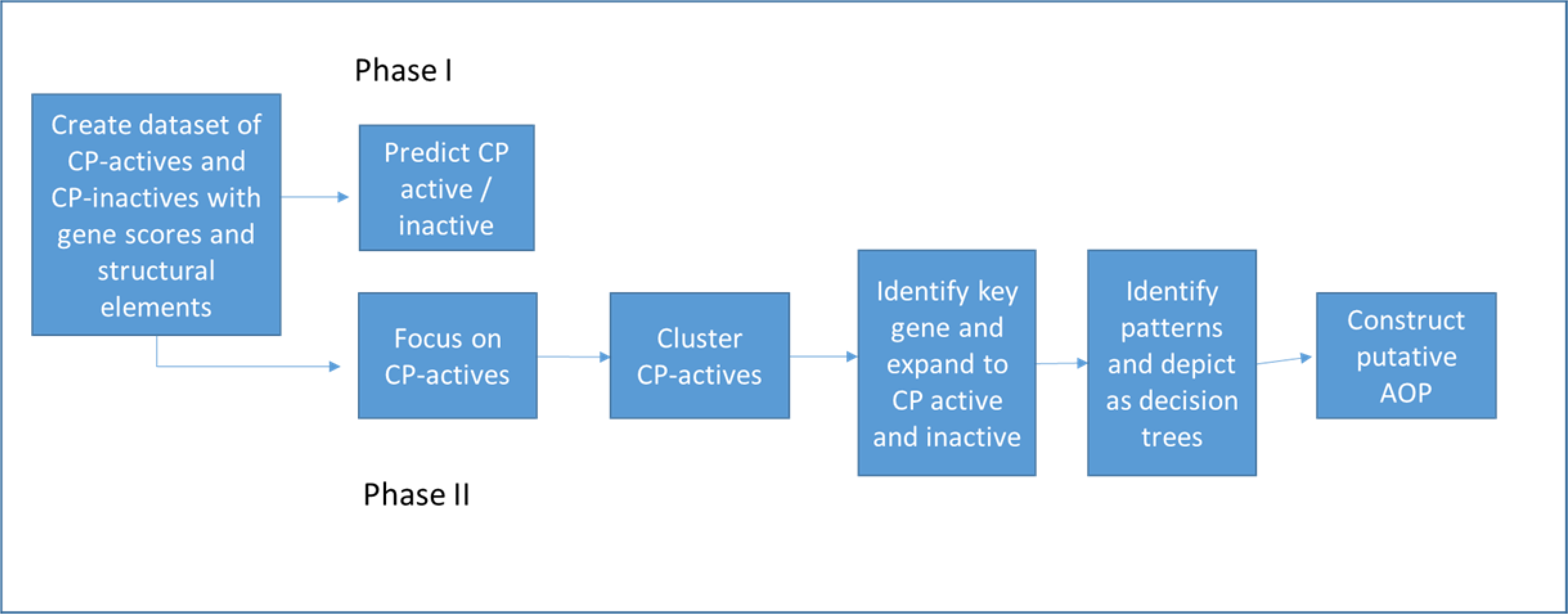
Flow diagram showing planned methodology and actual methods used.
Figure 3.
Figure 3.
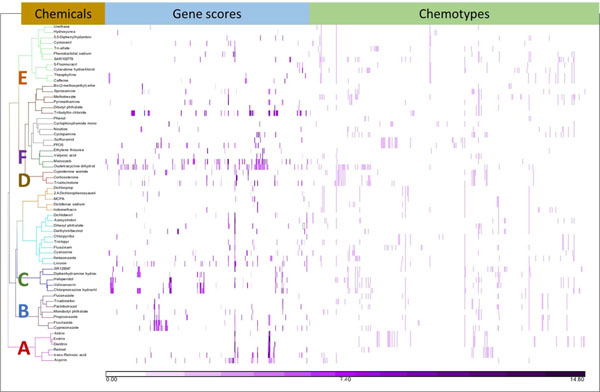
Clustering of 63 cleft palate active chemicals by gene scores and chemotypes.
Figure 4.
Figure 4.
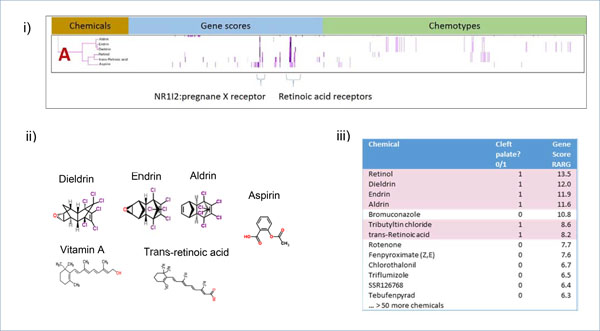
Analysis of Cluster A. i) Details of Cluster A for Gene Scores and Chemotypes; ii) Chemicals in Cluster A; iii) RARG activity of CP-positive and CP-negative chemicals. When activity at RARG gene is sorted by the score, chemicals with a gene score over 8.0 are enriched for CP-positive activity. This enrichment is supported by results from a Probit model run in R using the MASS library. RARG contributes to the probability of predicting CP-positives with a score of 0.07183 (p-value<.05).
Figure 5.
Figure 5.
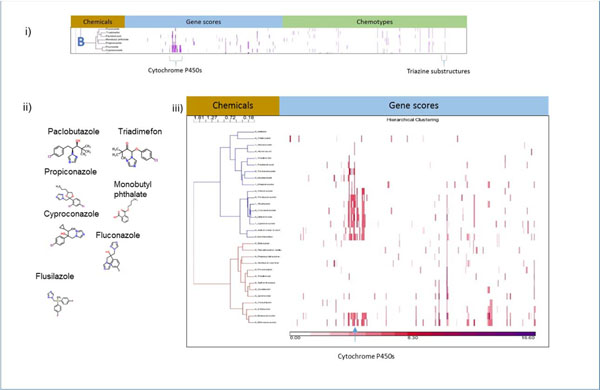
Analysis of Cluster B. i) Details of Cluster B for Gene Scores and Chemotypes; ii) Chemicals in Cluster B; iii) Clustering gene scores for the subset of CP-positive and CP-negative chemicals that contain a triazole, the key descriptor in Cluster B, or the similar thiadiazole ring. The two main clusters differ in their makeup. One (top) has a mix of CP-negative and CP-positive chemicals (1 prefixed to name indicates CP-positive) and the other cluster (bottom) has only CP-negative chemicals.
Figure 6.
Figure 6.
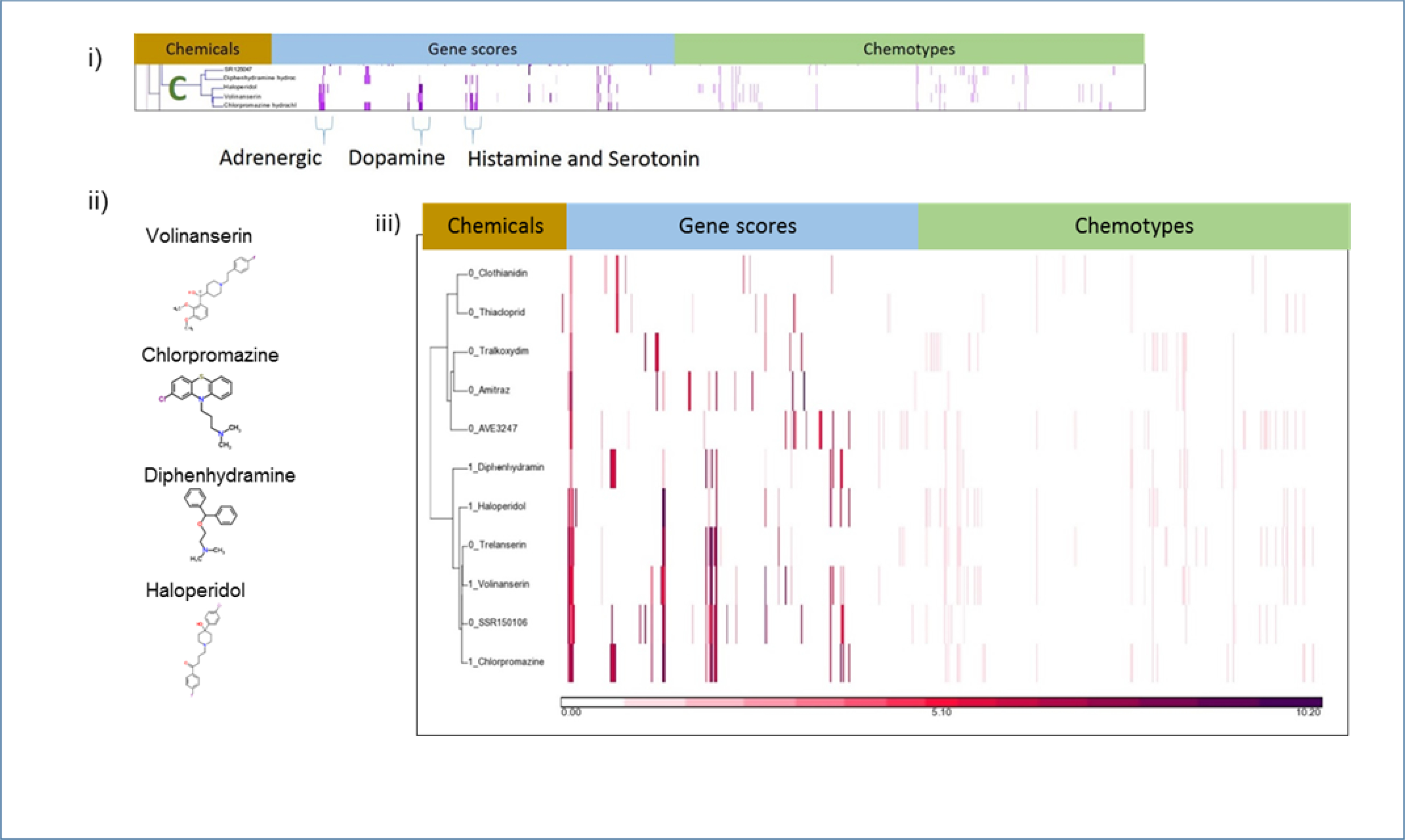
Analysis of Cluster C. i) Details of Cluster C for Gene Scores and Chemotypes; ii) Chemicals in Cluster C; iii) Clustering gene scores for the subset of CP-positive and CP-negative chemicals with activity at the adrenergic alpha 2B receptor, the key descriptor in Cluster C. The two main clusters differ in their makeup. One (bottom) has a mix of CP-negative and CP-positive chemicals (1 appended to name indicated CP-positive) and the other cluster (top) has only CP-negative chemicals.
Figure 7.
Figure 7.
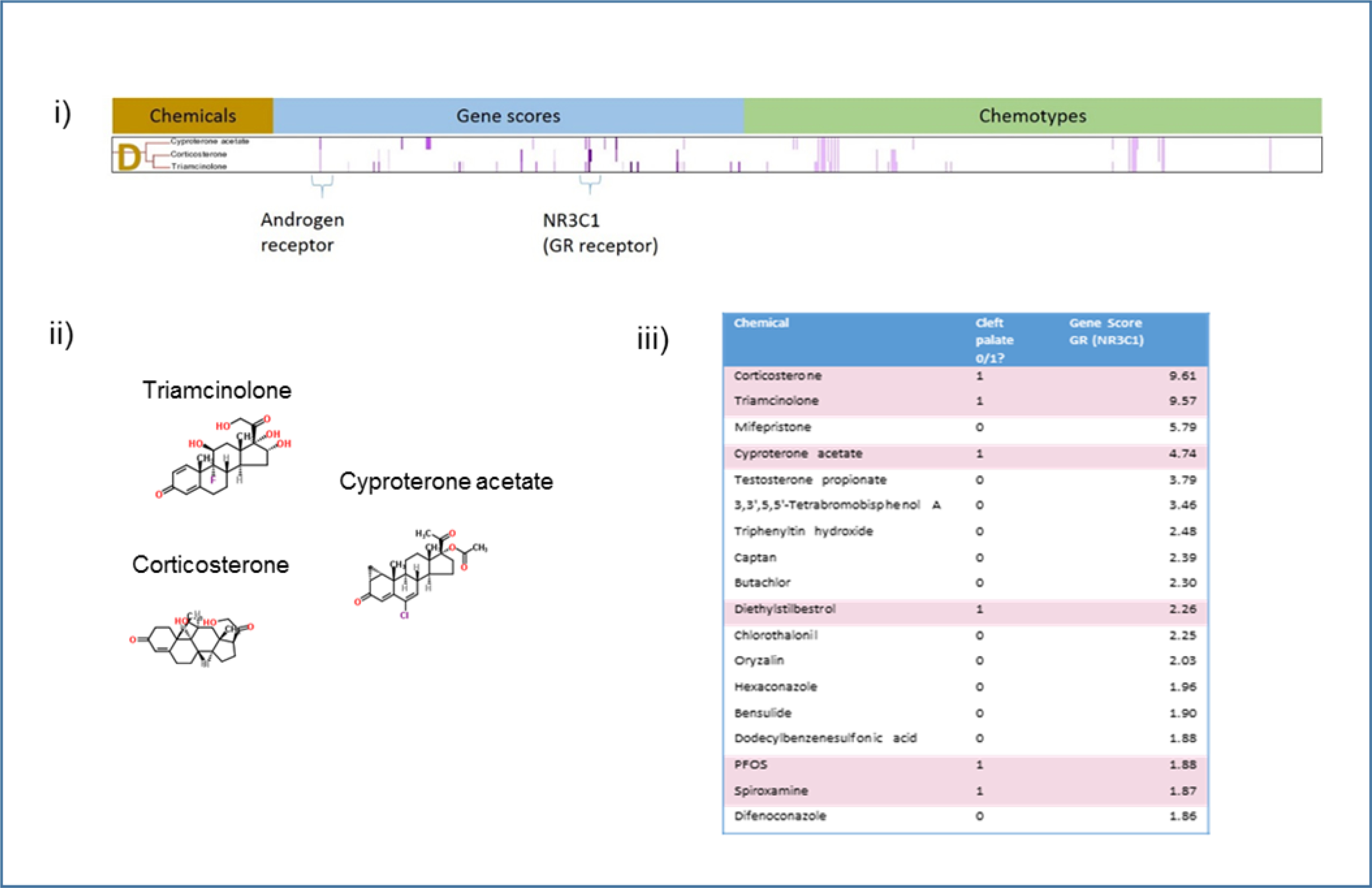
Analysis of Cluster D. i) Details of Cluster D for Gene Scores and Chemotypes; ii) Chemicals in Cluster D; iii) Clustering gene scores for the subset of CP-positive, the key descriptor in Cluster D. The two main clusters differ in their makeup. This enrichment is supported by results from a Probit model run in R using the MASS library. NR3C1 contributes to the probability of predicting CP-positives with a score of 0.22721 (p-value<.01).
Figure 8.
Figure 8.
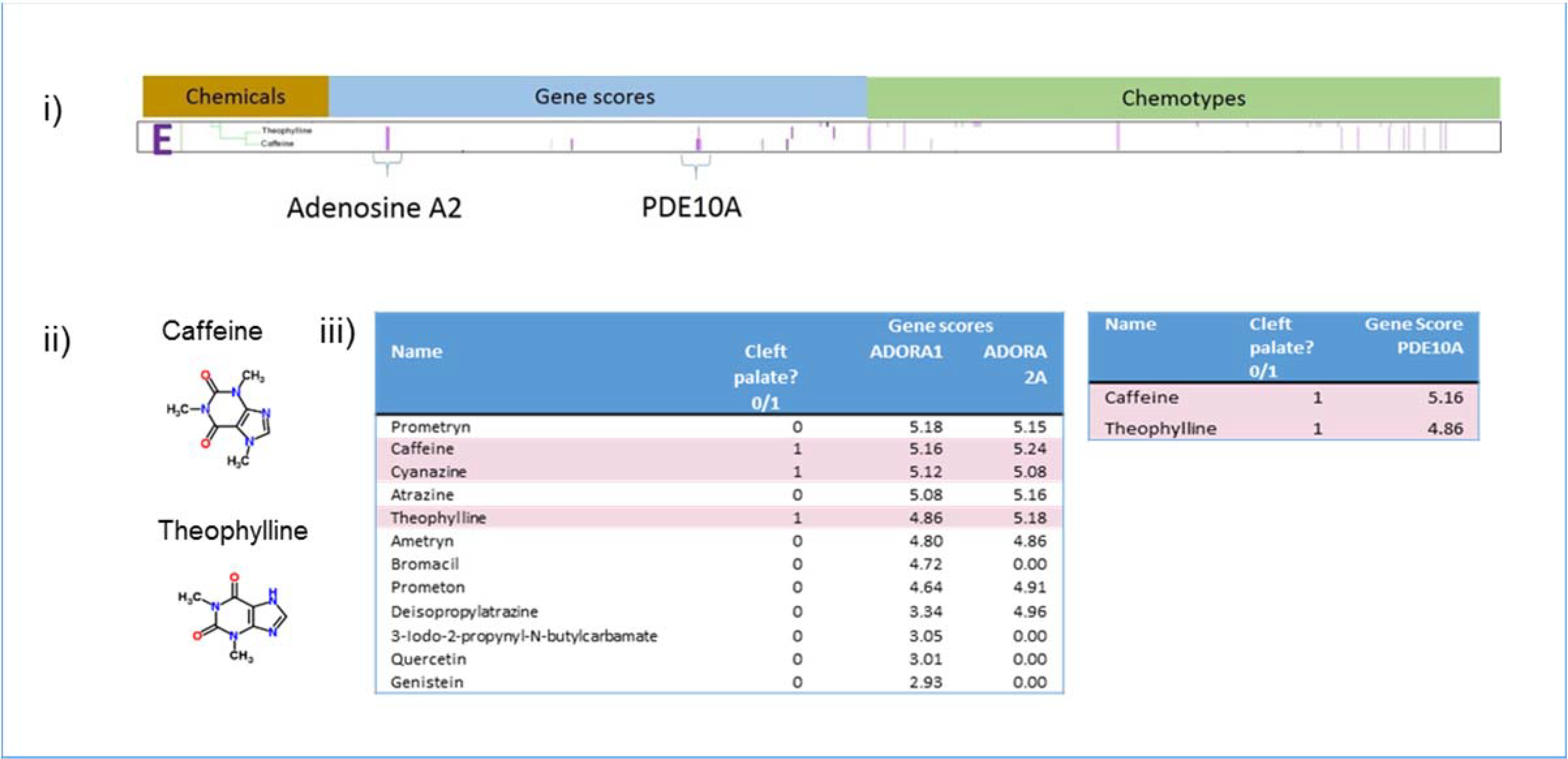
Analysis of Cluster E. i) Details of Cluster E for Gene Scores and Chemotypes; ii) Chemicals in Cluster E; iii) Gene scores sorted in descending order of potency for ADORA1, ADORA2A, and PDE10A showing enrichment at higher potencies for CP-positive chemicals. This enrichment is supported by results from a Probit model run in R using the MASS library. ADORA2A contributes to the probability of predicting CP-positives with a score of 0.11181 showing a trend with a non-significant probit coefficient. For PDE10A, 100% of hits were CP-positive.
Figure 9.
Figure 9.
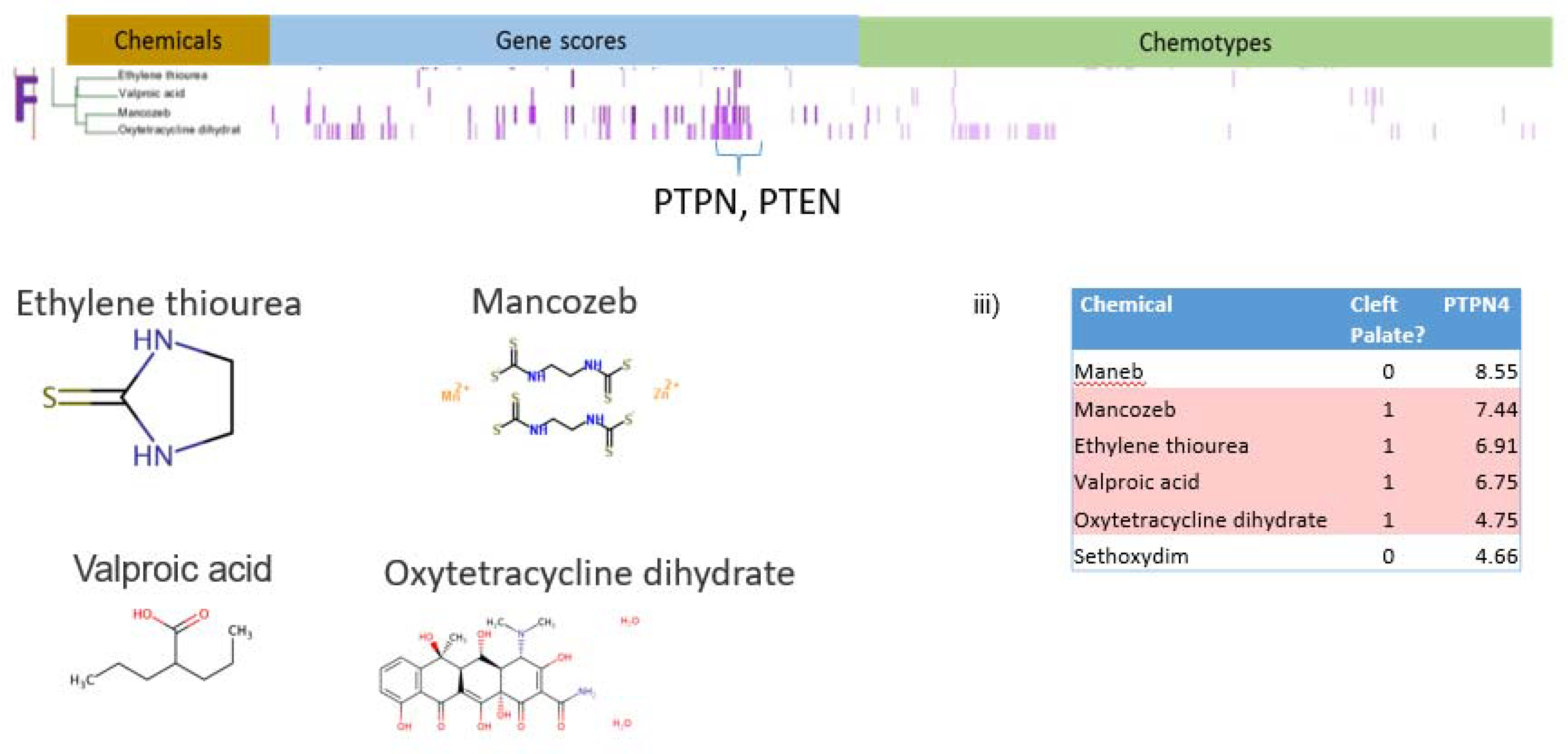
Analysis of Cluster F. i) Details of Cluster F for Gene Scores and Chemotypes; ii) Chemicals in Cluster F; iii) Gene scores sorted in descending order of potency for PTPN4 showing enrichment for CP-positive chemicals. This enrichment is supported by results from a Probit model run in R using the MASS library. PTPN4 contributes to the probability of predicting CP-positives with a score of 0.25377 (p-value<.01).
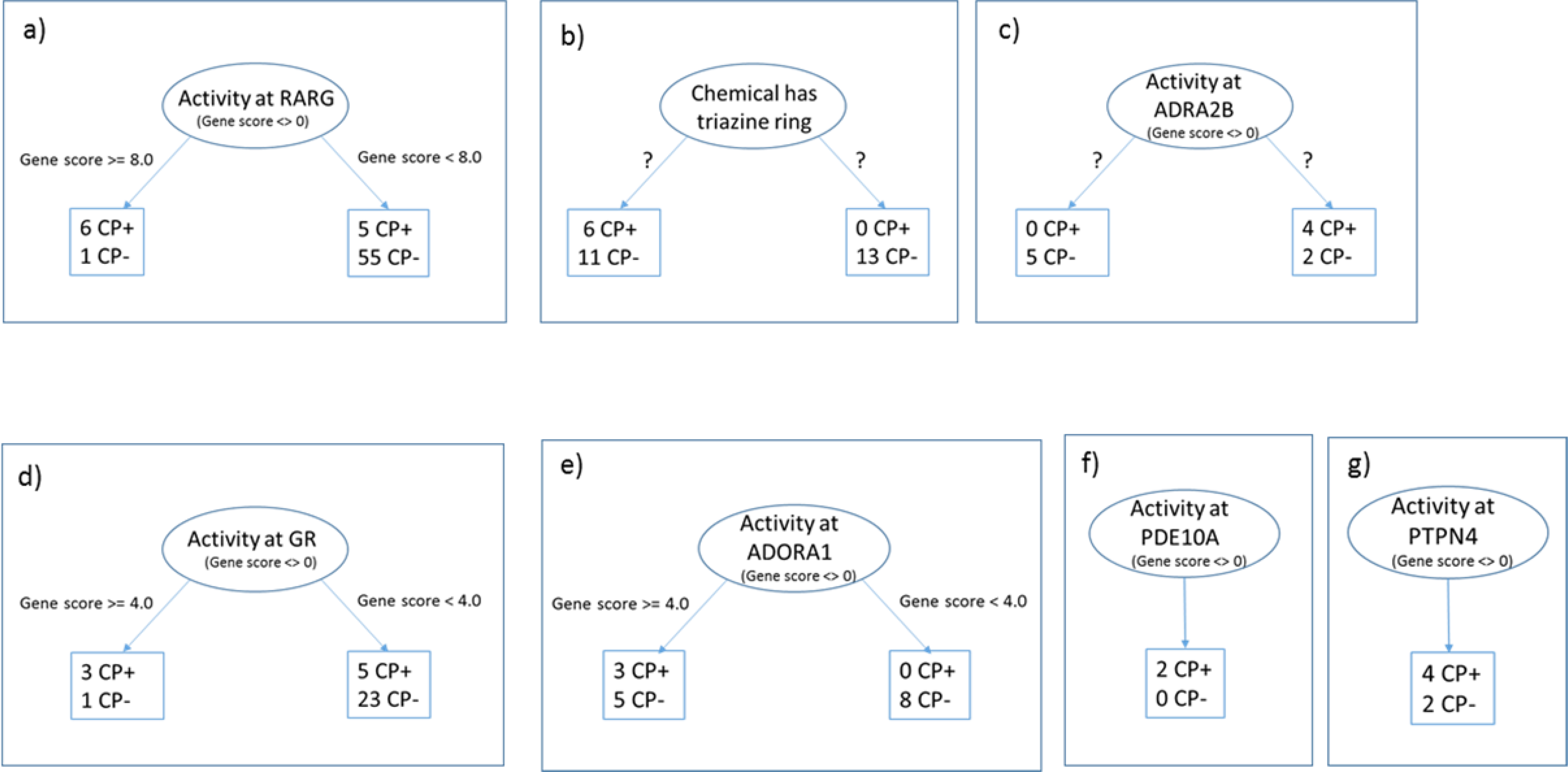
Figure 10a – 10g.
Figure 10a – 10g.
Decision tree stumps constructed using these results. The initial node in each diagram splits into sub-branches depending on the value of a descriptor. In branches a,d,e, f and g these decision points have been putatively identified as gene score ranges. For branches b and c, unsupervised clustering separates the chemicals, but the descriptors and value ranges are unknown. CP+ stands for CP-positive chemicals; CP- for CP-negative.
Figure 11.
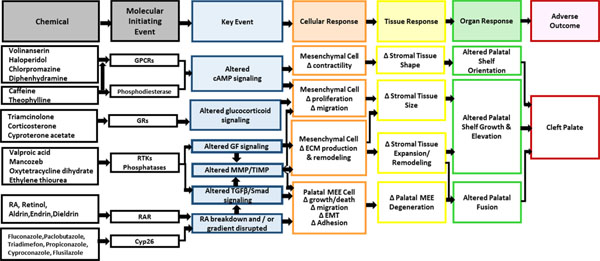
Figure 11.
Integrated cleft palate AOPs. An analysis of HTS data, chemotypes, and evidence from mining the biomedical literature resulted in a networked set of cleft palate AOPs. (RA- retinoic acid; GPCR – g-protein coupled receptors; GRs – glucocorticoid receptors; RTKs – receptor tyrosine kinases; GF – growth factor; MMP - matrix metalloproteinases; /TIMP -Tissue Inhibitor of Metalloproteinase; TGF – transforming growth factor; ECM - extracellular matrix; EMT - epithelial-mesenchymal transition; MEE - medial edge epithelial)

References

    1. Abbott BD (2010). The etiology of cleft palate: a 50-year search for mechanistic and molecular understanding. Birth Defects Res B Dev Reprod Toxicol, 89(4), 266–274. doi: 10.1002/bdrb.20252 - DOI - PubMed
    1. Abbott BD, & Birnbaum LS (1990). Retinoic acid-induced alterations in the expression of growth factors in embryonic mouse palatal shelves. Teratology, 42(6), 597–610. doi: 10.1002/tera.1420420604 - DOI - PubMed
    1. Abbott BD, Harris MW, & Birnbaum LS (1989). Etiology of retinoic acid-induced cleft palate varies with the embryonic stage. Teratology, 40(6), 533–553. doi: 10.1002/tera.1420400602 - DOI - PubMed
    1. Abbott BD, Lau C, Buckalew AR, Logsdon TR, Setzer W, Zucker RM, . . . Kavlock RJ (1993). Effects of 5-fluorouracil on embryonic rat palate in vitro: fusion in the absence of proliferation. Teratology, 47(6), 541–554. doi: 10.1002/tera.1420470606 - DOI - PubMed
    1. Ankley GT, Bennett RS, Erickson RJ, Hoff DJ, Hornung MW, Johnson RD, . . . Villeneuve DL (2010). Adverse outcome pathways: a conceptual framework to support ecotoxicology research and risk assessment. Environ Toxicol Chem, 29(3), 730–741. doi: 10.1002/etc.34 - DOI - PubMed

Publication types

Substances