


Effects of online repetitive transcranial magnetic stimulation (rTMS) on cognitive processing: A meta-analysis and recommendations for future studies
- PMID: 31473301
- PMCID: PMC7654714
- DOI: 10.1016/j.neubiorev.2019.08.018
Effects of online repetitive transcranial magnetic stimulation (rTMS) on cognitive processing: A meta-analysis and recommendations for future studies
Abstract
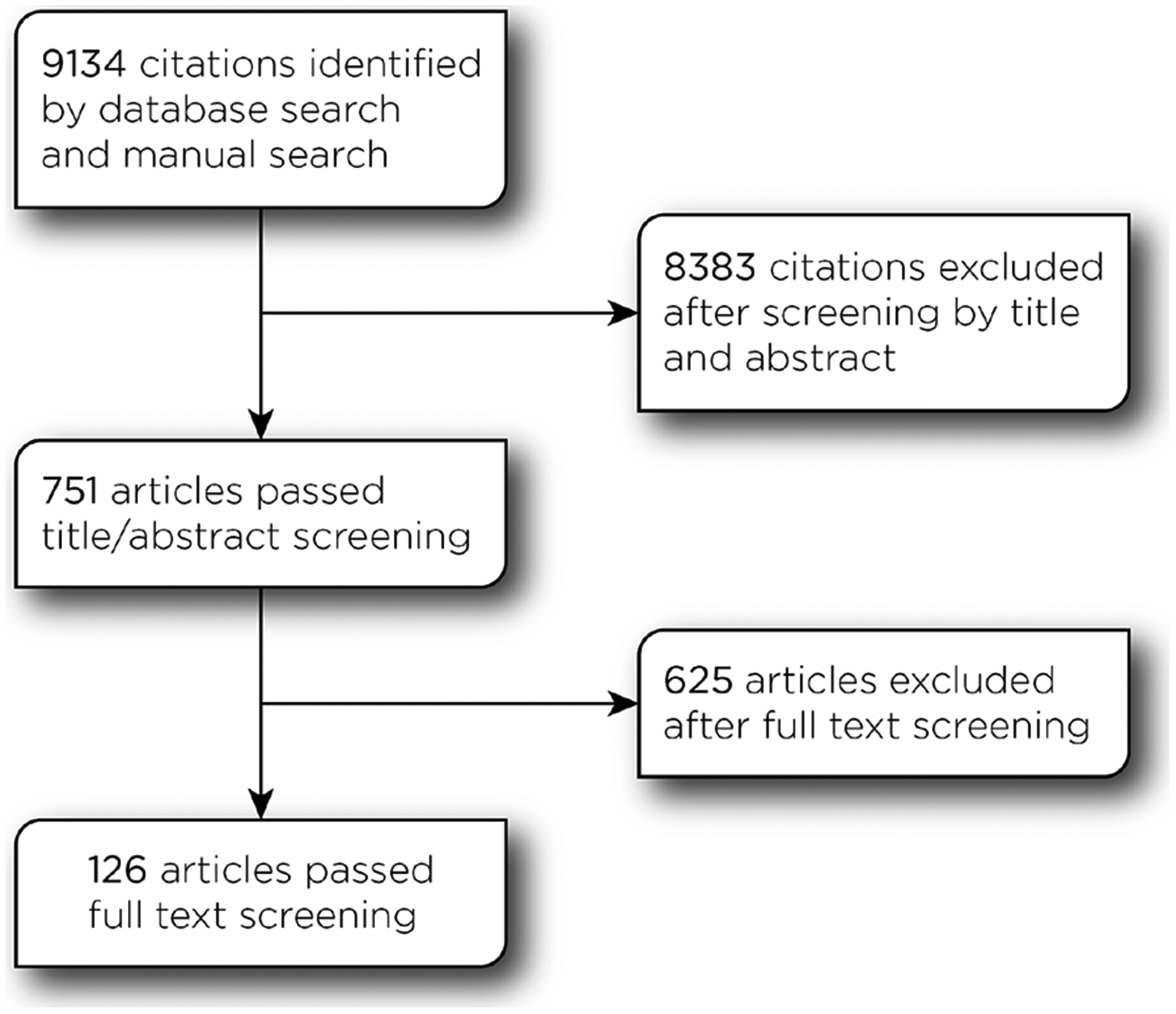
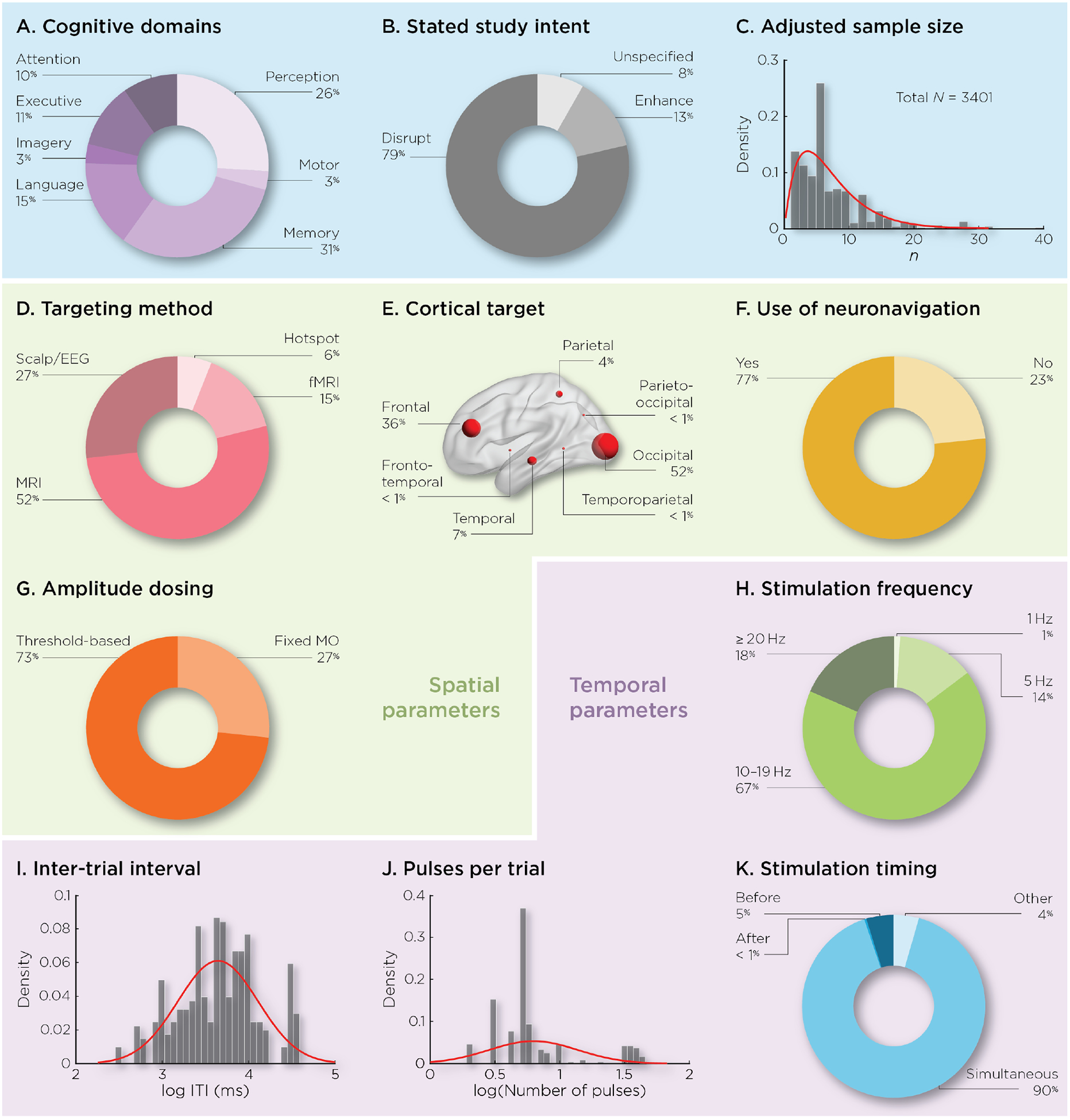
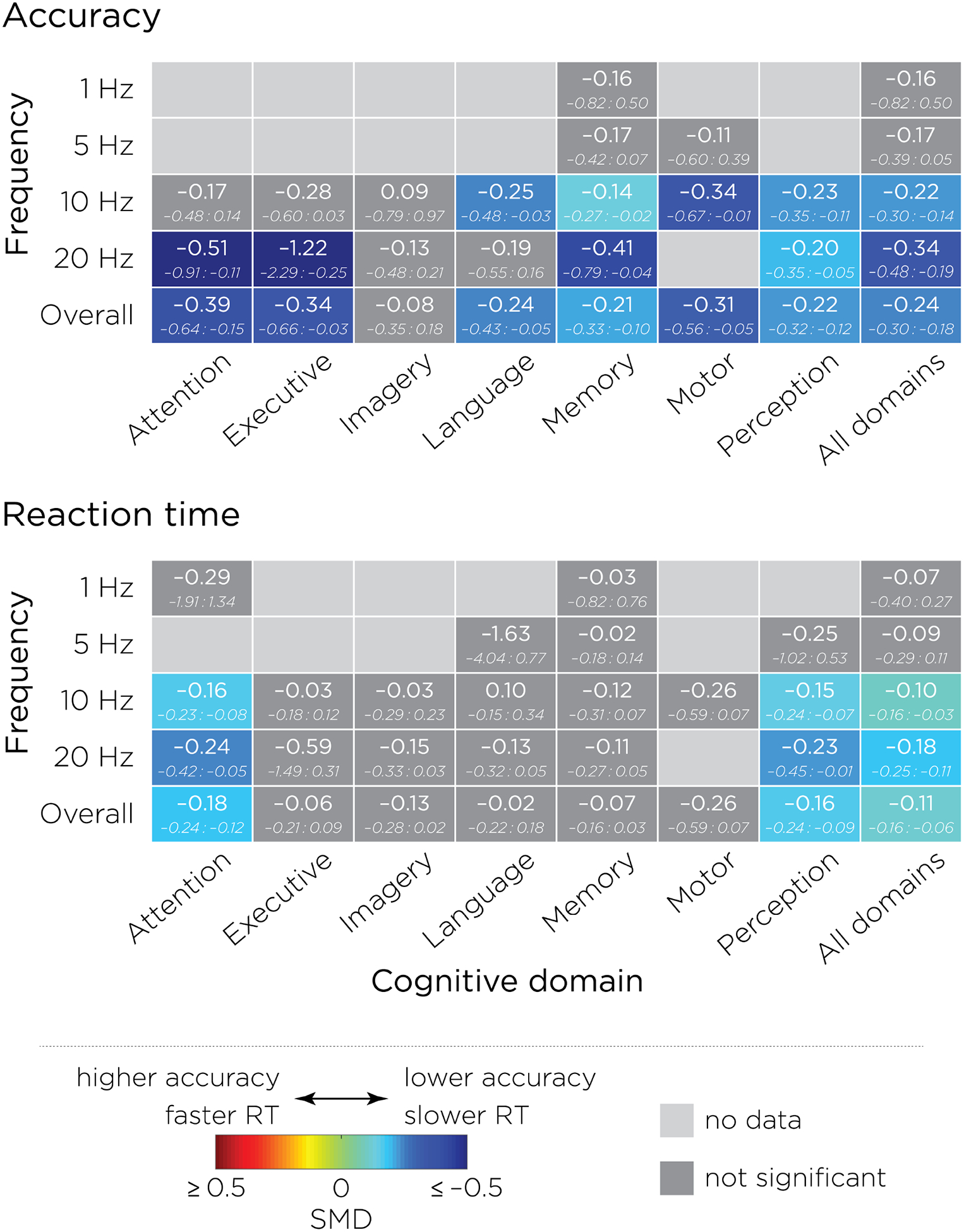
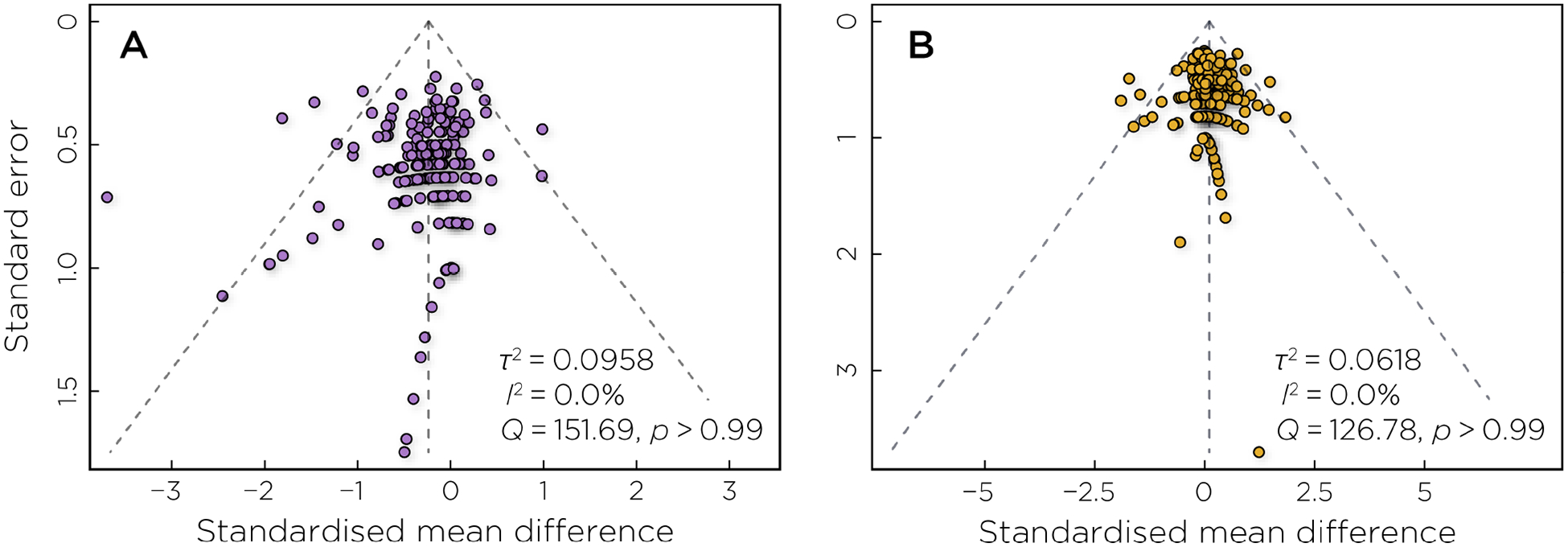
Online repetitive transcranial magnetic stimulation (rTMS), applied while subjects are performing a task, is widely used to disrupt brain regions underlying cognition. However, online rTMS has also induced "paradoxical enhancement". Given the rapid proliferation of this approach, it is crucial to develop a better understanding of how online stimulation influences cognition, and the optimal parameters to achieve desired effects. To accomplish this goal, a quantitative meta-analysis was performed with random-effects models fitted to reaction time (RT) and accuracy data. The final dataset included 126 studies published between 1998 and 2016, with 244 total effects for reaction times, and 202 for accuracy. Meta-analytically, rTMS at 10 Hz and 20 Hz disrupted accuracy for attention, executive, language, memory, motor, and perception domains, while no effects were found with 1 Hz or 5 Hz. Stimulation applied at and 10 and 20 Hz slowed down RTs in attention and perception tasks. No performance enhancement was found. Meta-regression analysis showed that fMRI-guided targeting and short inter-trial intervals are associated with increased disruptive effects with rTMS.
Keywords: Cognition; Meta-analysis; Online rTMS.
Published by Elsevier Ltd.
Figures
References
-
- Fitzgerald PB, Fountain S, and Daskalakis ZJ, “A comprehensive review of the effects of rTMS on motor cortical excitability and inhibition,” Clin Neurophysiol, vol. 117, no. 12, pp. 2584–2596, 2006. - PubMed
-
- Amassian VE, Cracco RQ, Maccabee PJ, Cracco JB, Rudell A, and Eberle L, “Suppression of visual perception by magnetic coil stimulation of human occipital cortex,” Electroencephalogr Clin Neurophysiol, vol. 74, no. 6, pp. 458–462, 1989. - PubMed
Publication types
MeSH terms
Grants and funding
LinkOut - more resources
Full Text Sources
