Review
. 2020 Jan 24:15:71-95.
doi: 10.1146/annurev-pathmechdis-012419-032654. Epub 2019 Sep 3.

The Origin and Pathogenesis of Endometriosis

Affiliations
Review

The Origin and Pathogenesis of Endometriosis

Yeh Wang et al. Annu Rev Pathol. .

Abstract

Recent molecular genetic findings on endometriosis and normal endometrium suggest a modified model in which circulating epithelial progenitor or stem cells intended to regenerate uterine endometrium after menstruation may become overreactive and trapped outside the uterus. These trapped epithelium-committed progenitor cells form nascent glands through clonal expansion and recruit polyclonal stromal cells, leading to the establishment of deep infiltrating endometriosis. Once formed, the ectopic tissue becomes subject to immune surveillance, resulting in chronic inflammation. The inflammatory response orchestrated by nuclear factor-κB signaling is exacerbated by aberrations in the estrogen receptor-β and progesterone receptor pathways, which are also affected by local inflammation, forming a dysregulated inflammation-hormonal loop. Glandular epithelium within endometriotic tissue harbors cancer-associated mutations that are frequently detected in endometriosis-related ovarian cancers. In this review, we summarize recent advances that have illuminated the origin and pathogenesis of endometriosis and have provided new avenues for research that promise to improve the early diagnosis and management of endometriosis.

Keywords: chronic inflammation; endocrine dysregulation; endometriosis; genetic and epigenetic alterations; immune dysregulation; ovarian cancer; stem cell.


Figures
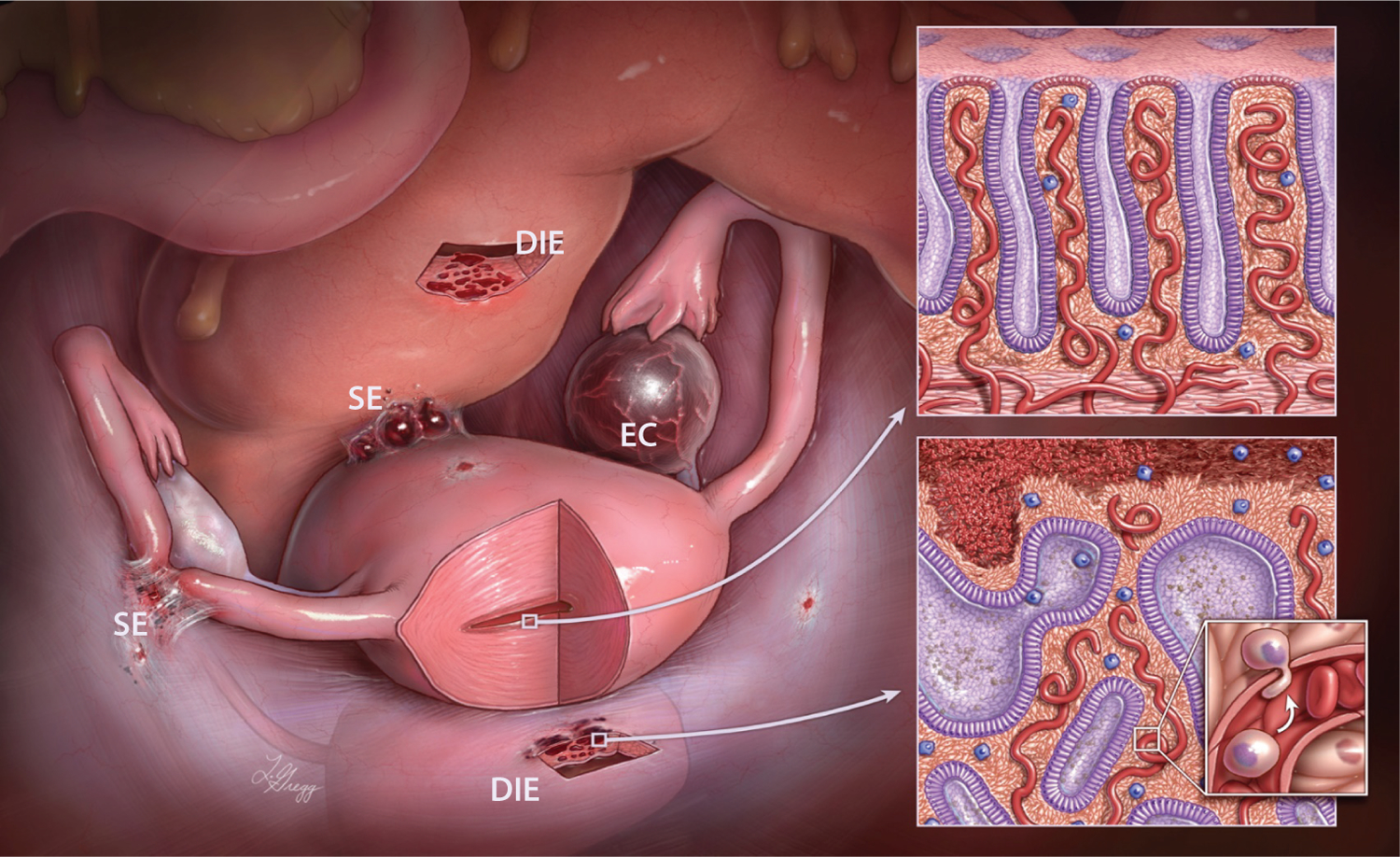
Figure 1
Figure 1
Different types of endometriosis. Endometriosis can occur in several forms: deep infiltrating endometriosis (DIE), ovarian endometriotic cyst (EC), and superficial endometriosis (SE). The insets illustrate the similar histology of (top) eutopic endometrium and (bottom) endometriosis, which is composed of both glandular epithelium and stroma. The small inset illustrates the transdifferentiation of a single circulating progenitor or stem epithelial cell or a group of such progenitor or stem epithelial cells responsible for establishing deep endometriosis. Figure copyright Ie-Ming Shih, Johns Hopkins University.
Figure 2
Figure 2
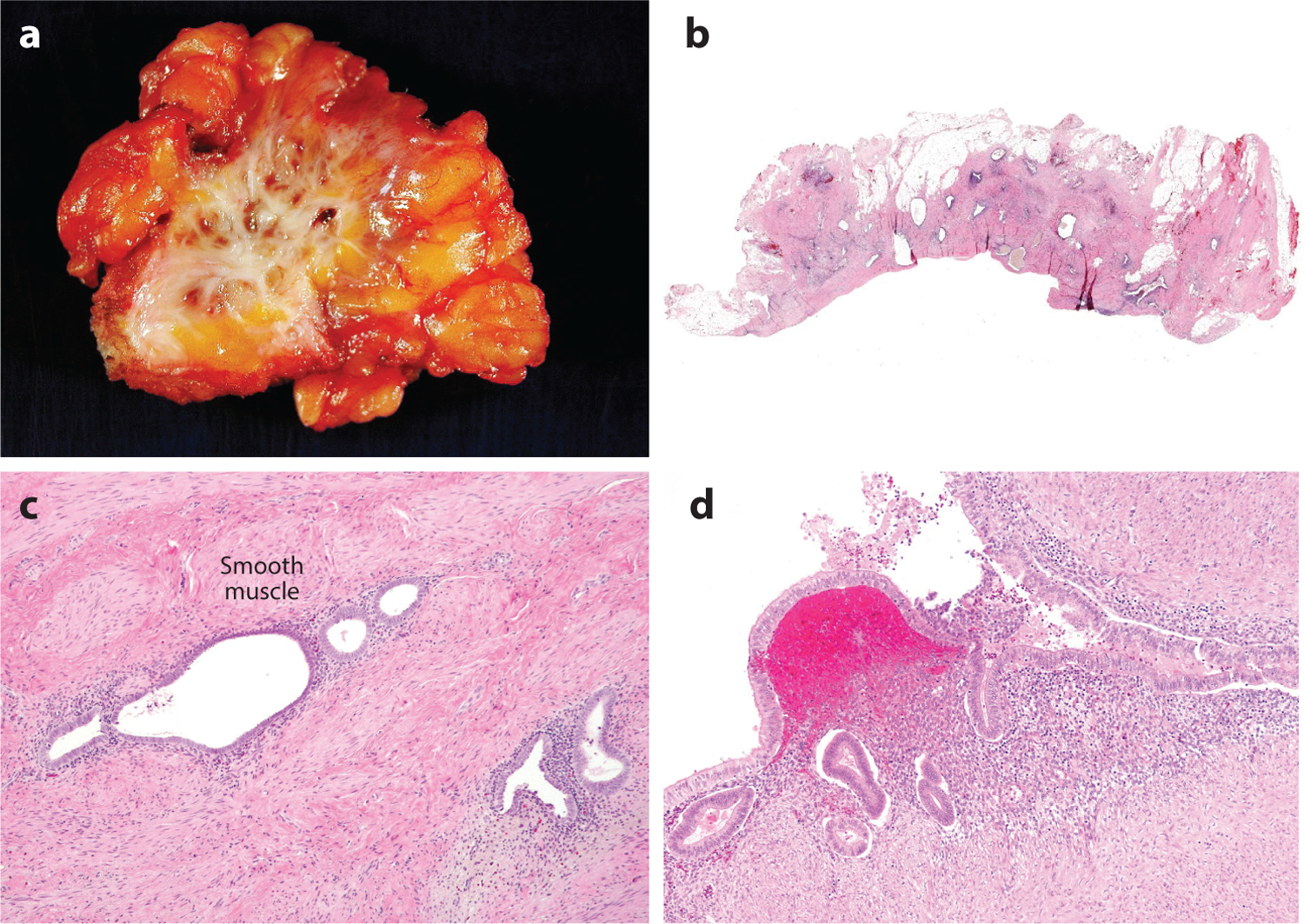
Gross appearance and histology of deep infiltrating endometriosis (DIE). (a) DIE involves fibro-adipose tissue, resulting in extensive scarring. (b) Discrete endometrial glands surrounded by fibrosis are evident in sections from the DIE shown in panel a. (c) Hematoxylin and eosin–stained section of DIE shows the presence of glands and endometrial-type stroma in soft tissue. (d) An example of superficial endometriosis showing involvement of the surface of a fallopian tube.
Figure 3
Figure 3
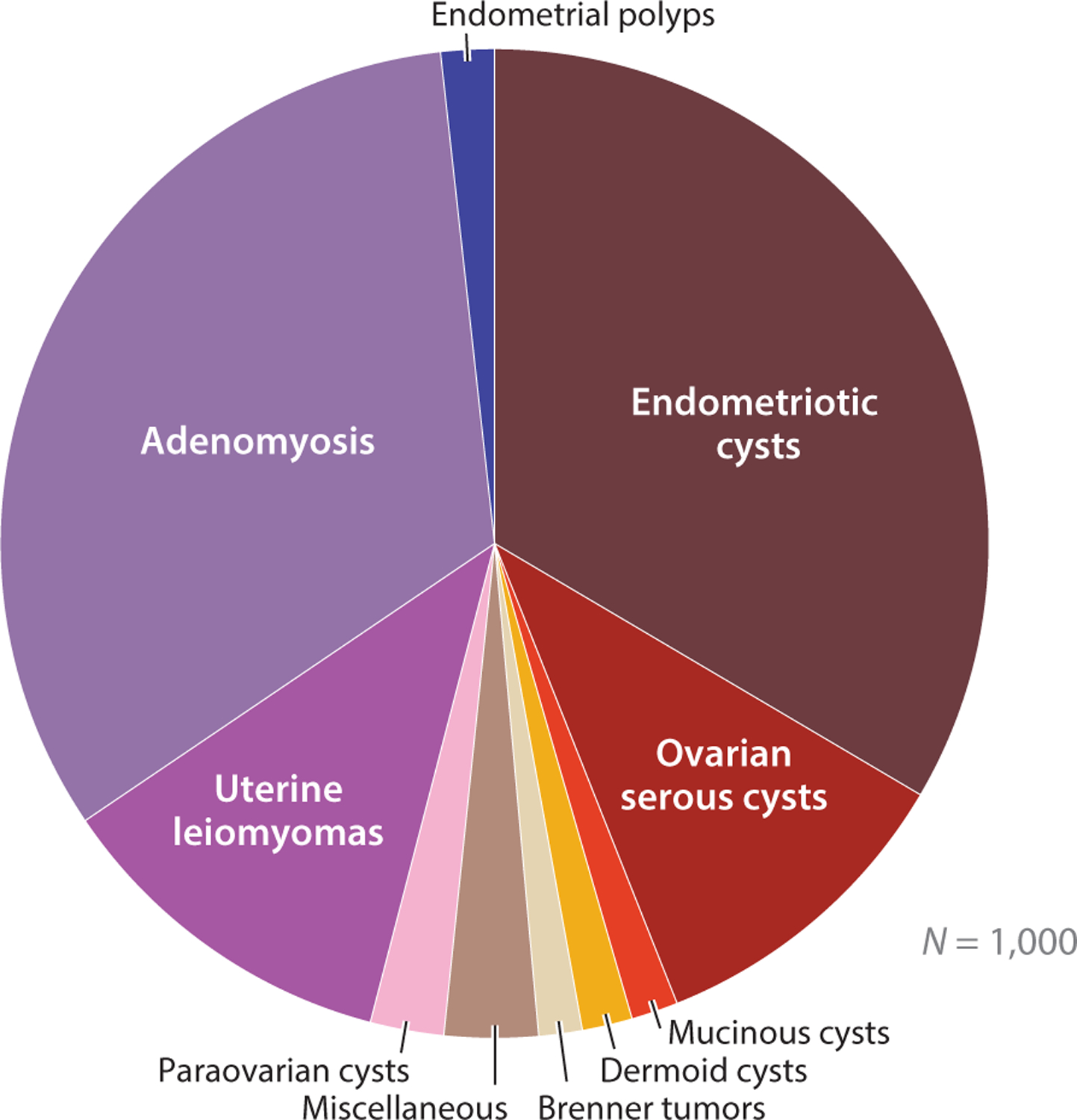
Disorders of female reproductive organs that are associated with endometriosis. Endometriosis is linked with increased risk of benign gynecological diseases, such as endometriotic cysts, uterine leiomyomas, and adenomyosis. Data collected from 1,000 women with endometriosis (11).
Figure 4
Figure 4
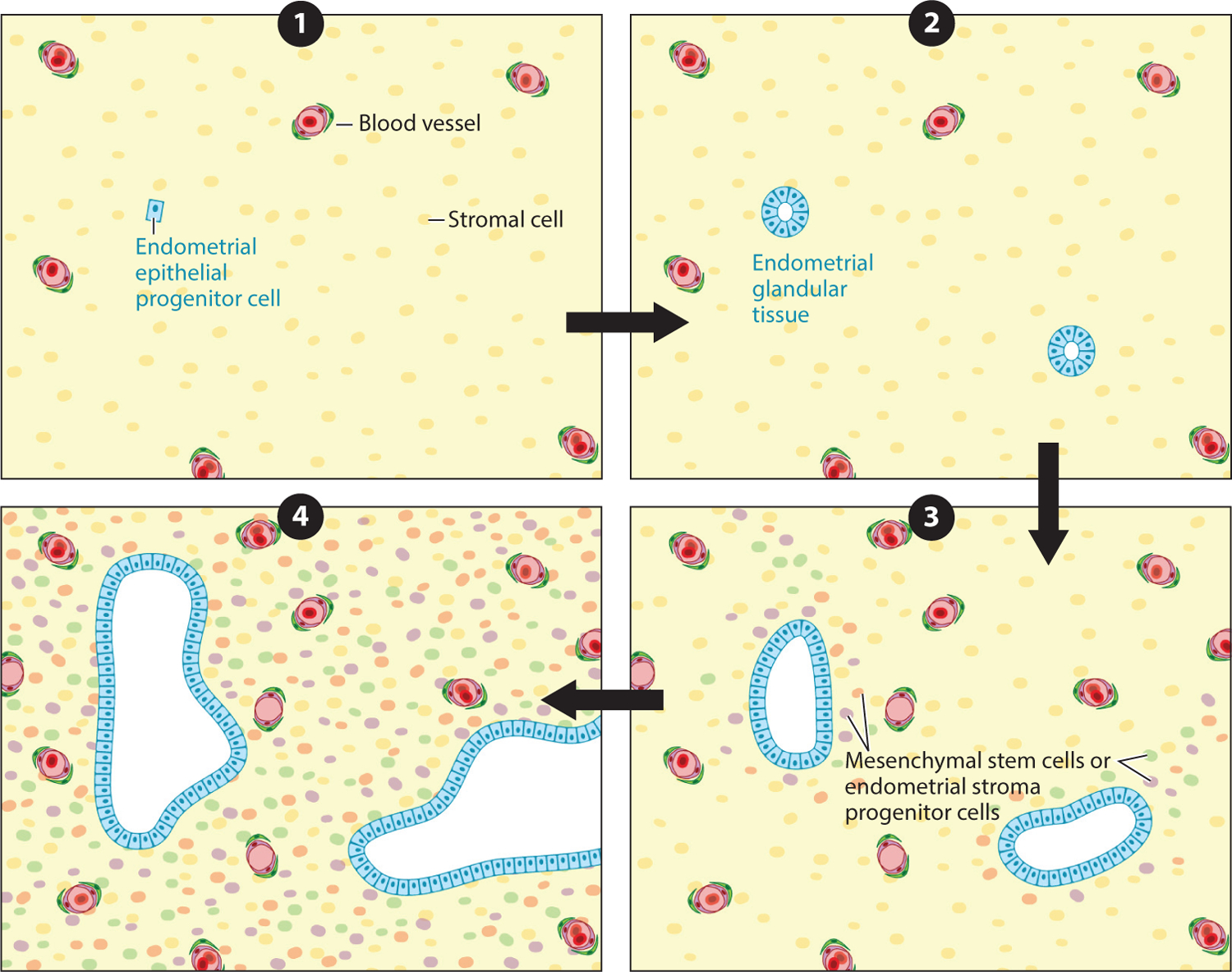
The modified stem cell hypothesis for deep infiltrating endometriosis proposes (❶) that a single circulating endometrial epithelial progenitor cell (blue), presumably already carrying certain somatic mutations, originating from the endometrium or elsewhere, (❷) undergoes transient clonal expansion to form endometrial glandular tissue at the prospective endometriotic site. Then, (❸) circulating mesenchymal stem cells or endometrial stroma progenitor cells are recruited by the nascent endometriosis (glands only, at this moment) to (❹) establish endometriosis composed of both epithelial and stromal cells.
Figure 5
Figure 5
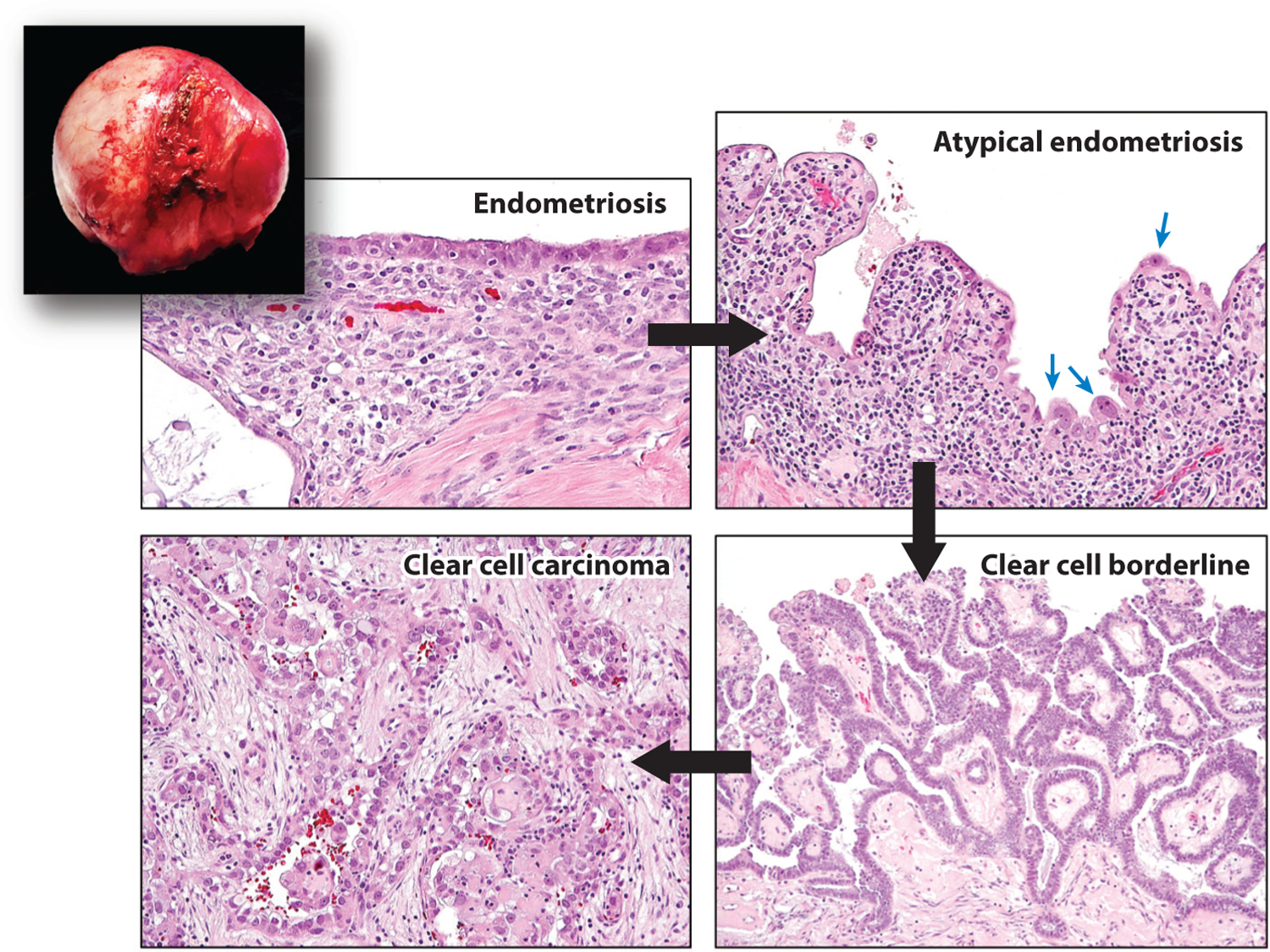
An ovarian endometriotic cyst (inset) containing different stages of tumor progression, from normal-appearing endometriosis to atypical endometriosis with highly atypical epithelial cells (blue arrows) to clear cell borderline tumor to invasive clear cell carcinoma. Black arrows indicate the sequence in tumor progression.
Figure 6
Figure 6
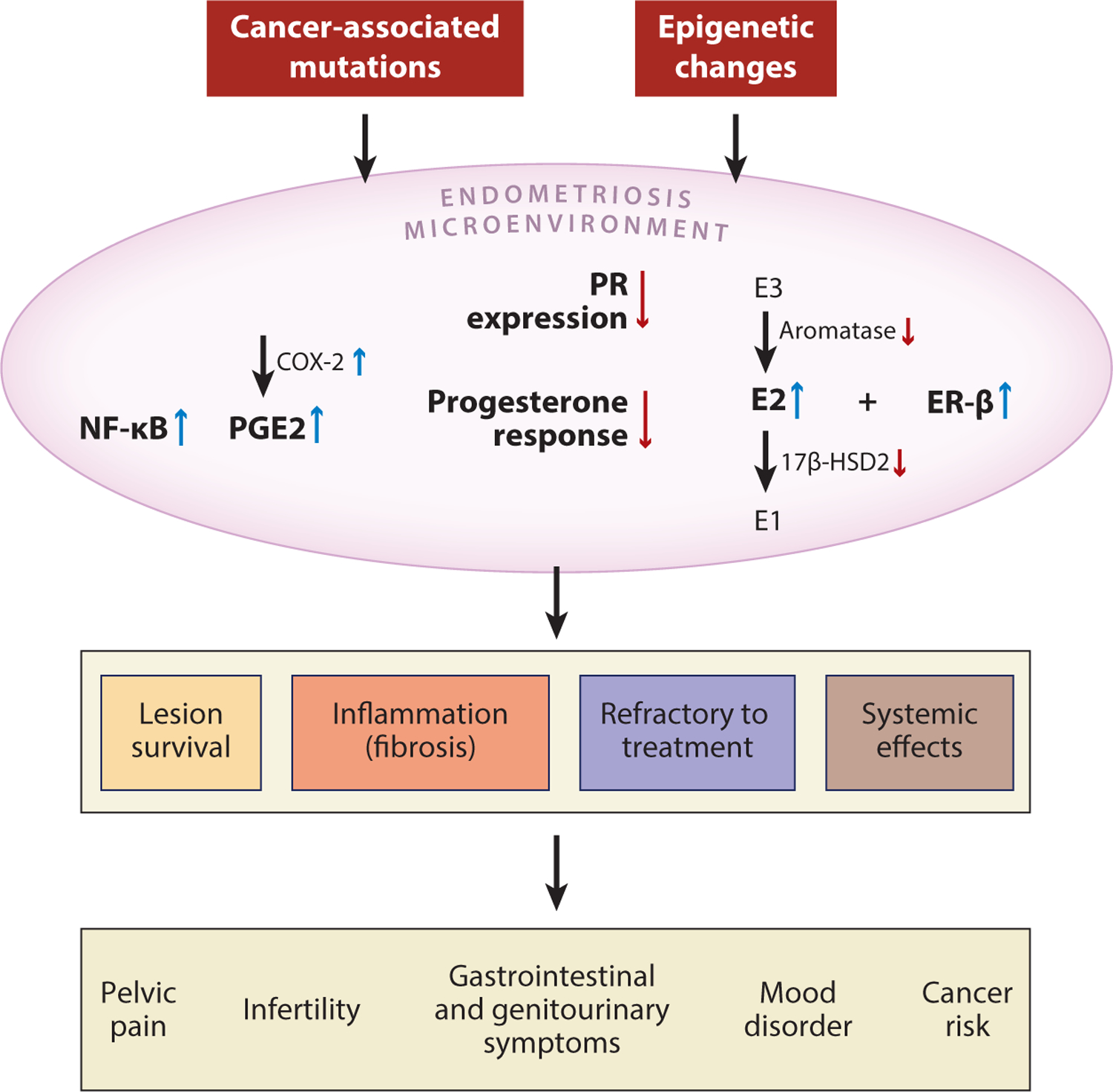
Summary of molecular changes involving inflammation and aberrant hormonal signaling in the pathogenesis of endometriosis. Both genetic and epigenetic alterations are associated with the development of endometriosis; these may include somatic mutations in cancer-associated genes or promoter methylation that alters the expression of genes involved in ER and PR signaling. As a result, the endometriosis microenvironment demonstrates numerous key molecular changes, including increased activity of NF-κB, PGE2, E2, and ER-β, that lead to inflammation and local dysregulation of hormonal pathways. As the chronic inflammation persists, it supports survival of the endometriotic lesion and induces local fibrosis. Persistent inflammation causes several systemic clinical effects and contributes to the refractory response to hormone-based treatment. Abbreviations: 17β-HSD2, 17β-hydroxysteroid dehydrogenase type 2; E1, estrone; E2, estradiol; E3, estriol; ER, estrogen receptor; NF-κB, nuclear factor-κB; PGE2, prostaglandin E2; PR, progesterone receptor.

References

    1. Dyson MT, Roqueiro D, Monsivais D, Ercan CM, Pavone ME, et al. 2014. Genome-wide DNA methylation analysis predicts an epigenetic switch for GATA factor expression in endometriosis. PLOS Genet 10:e1004158. - PMC - PubMed
    1. Burney RO, Giudice LC. 2012. Pathogenesis and pathophysiology of endometriosis. Fertil. Steril 98:511–19 - PMC - PubMed
    1. Simoens S, Dunselman G, Dirksen C, Hummelshoj L, Bokor A, et al. 2012. The burden of endometriosis: costs and quality of life of women with endometriosis and treated in referral centres. Hum. Reprod 27:1292–99 - PubMed
    1. Olovsson M 2011. Immunological aspects of endometriosis: an update. Am. J. Reprod. Immunol 66(Suppl. 1):101–4 - PubMed
    1. Baranov VS, Ivaschenko TE, Liehr T, Yarmolinskaya MI. 2015. Systems genetics view of endometriosis: a common complex disorder. Eur. J. Obstet. Gynecol. Reprod. Biol 185:59–65 - PubMed

Publication types

Substances