


β-Hydroxy-Stabilized Boron-Nitrogen Heterocycles Enable Rapid and Efficient C-Terminal Protein Modification
- PMID: 31483610
- PMCID: PMC7354006
- DOI: 10.1021/acs.bioconjchem.9b00534
β-Hydroxy-Stabilized Boron-Nitrogen Heterocycles Enable Rapid and Efficient C-Terminal Protein Modification
Abstract
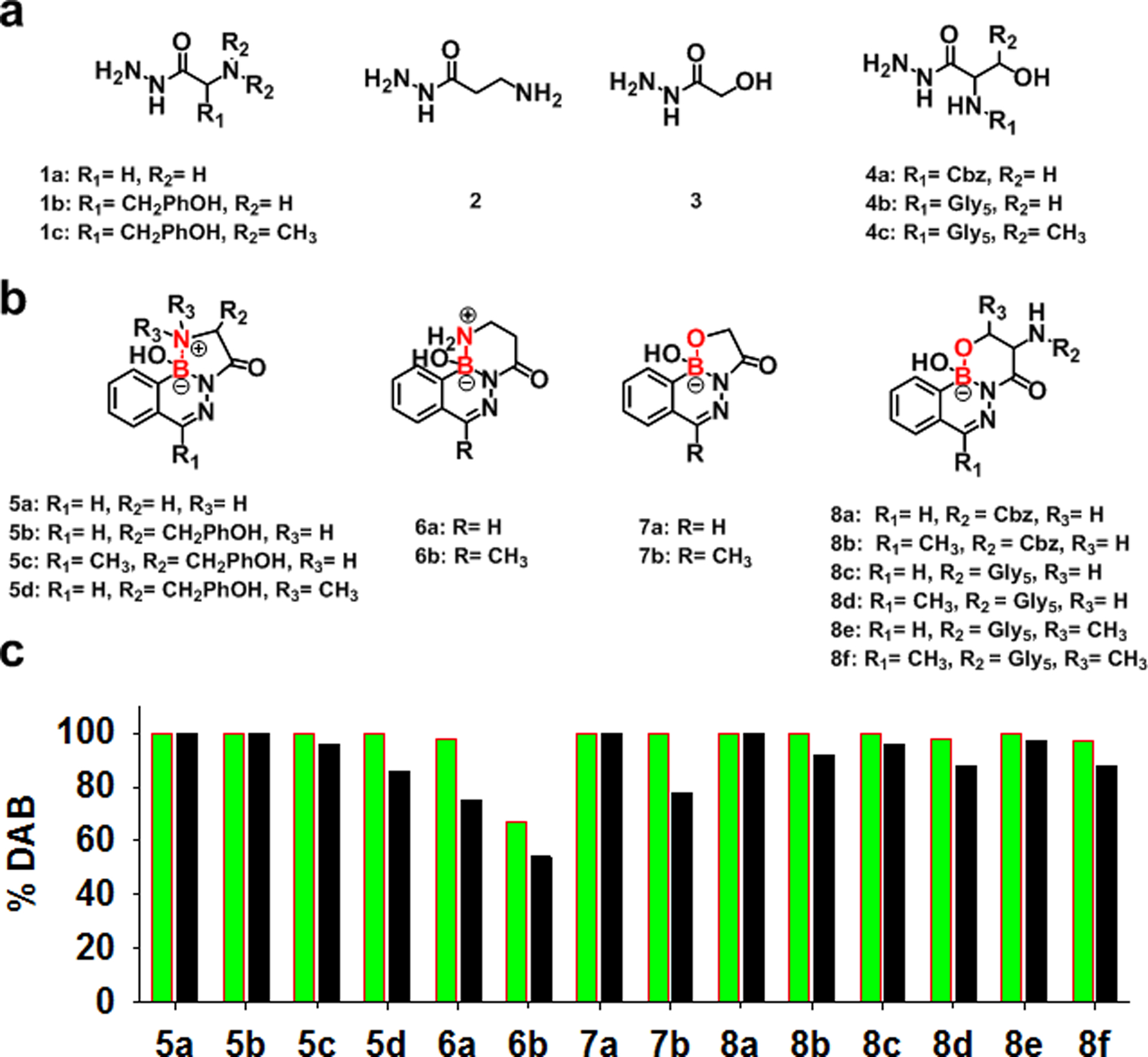
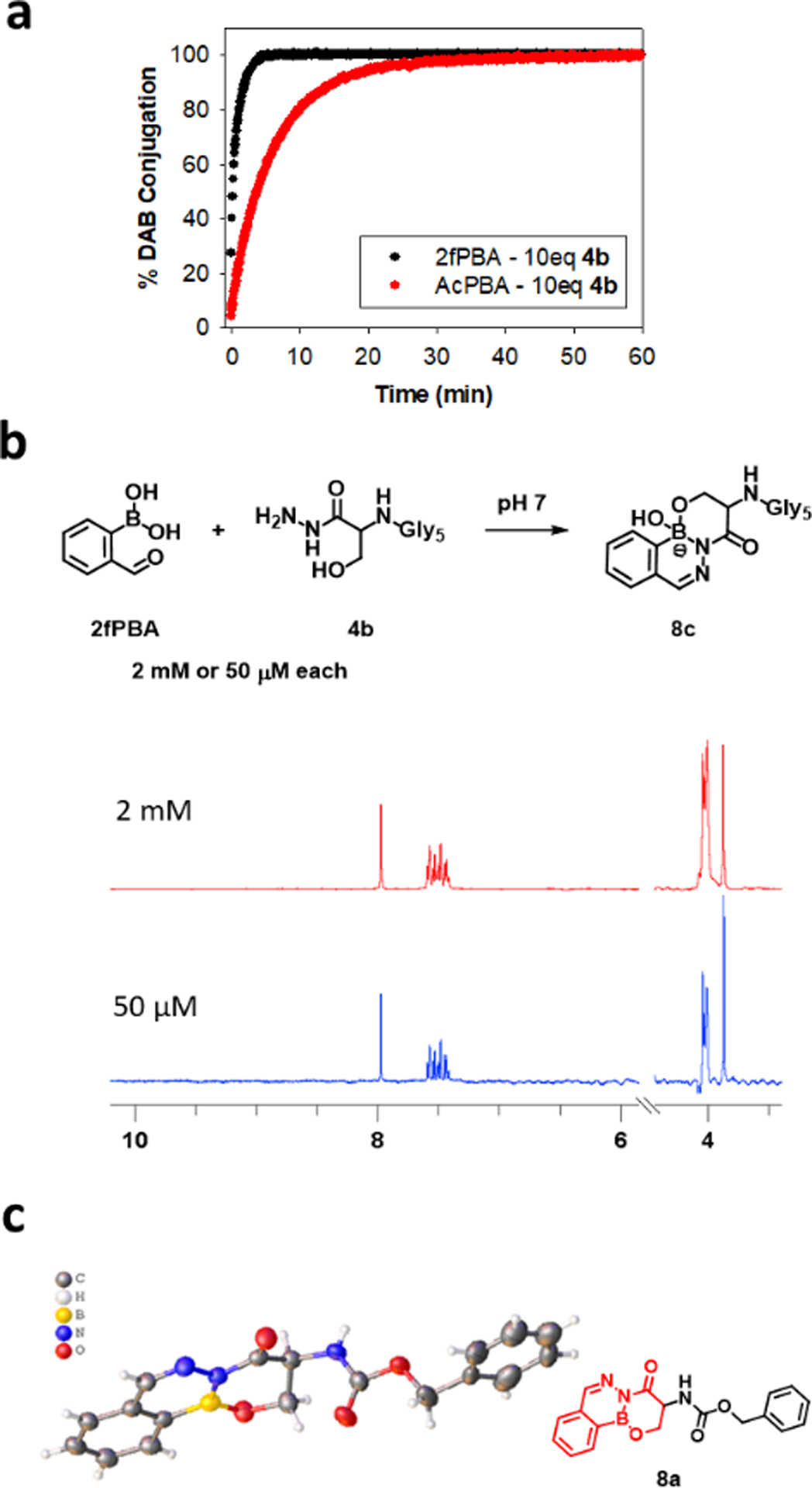
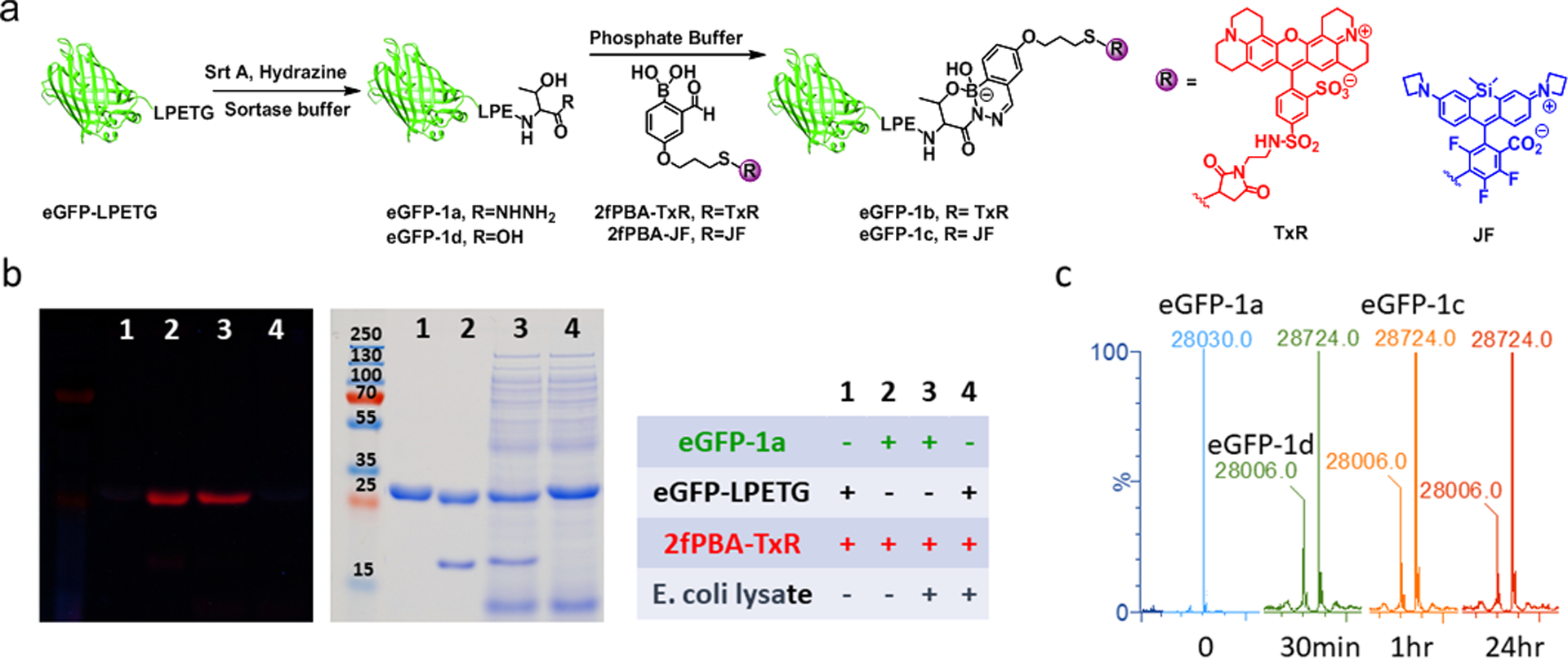
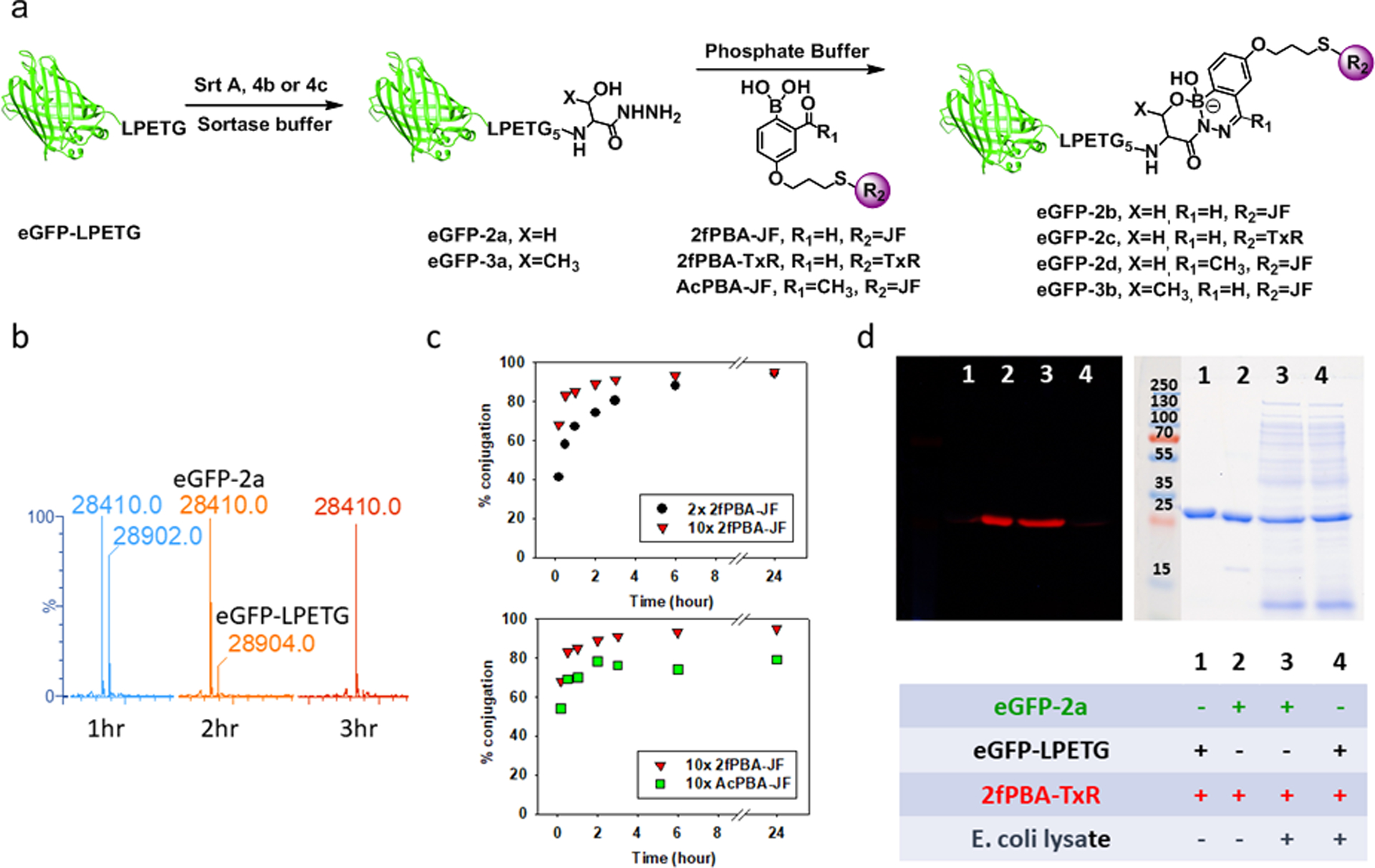
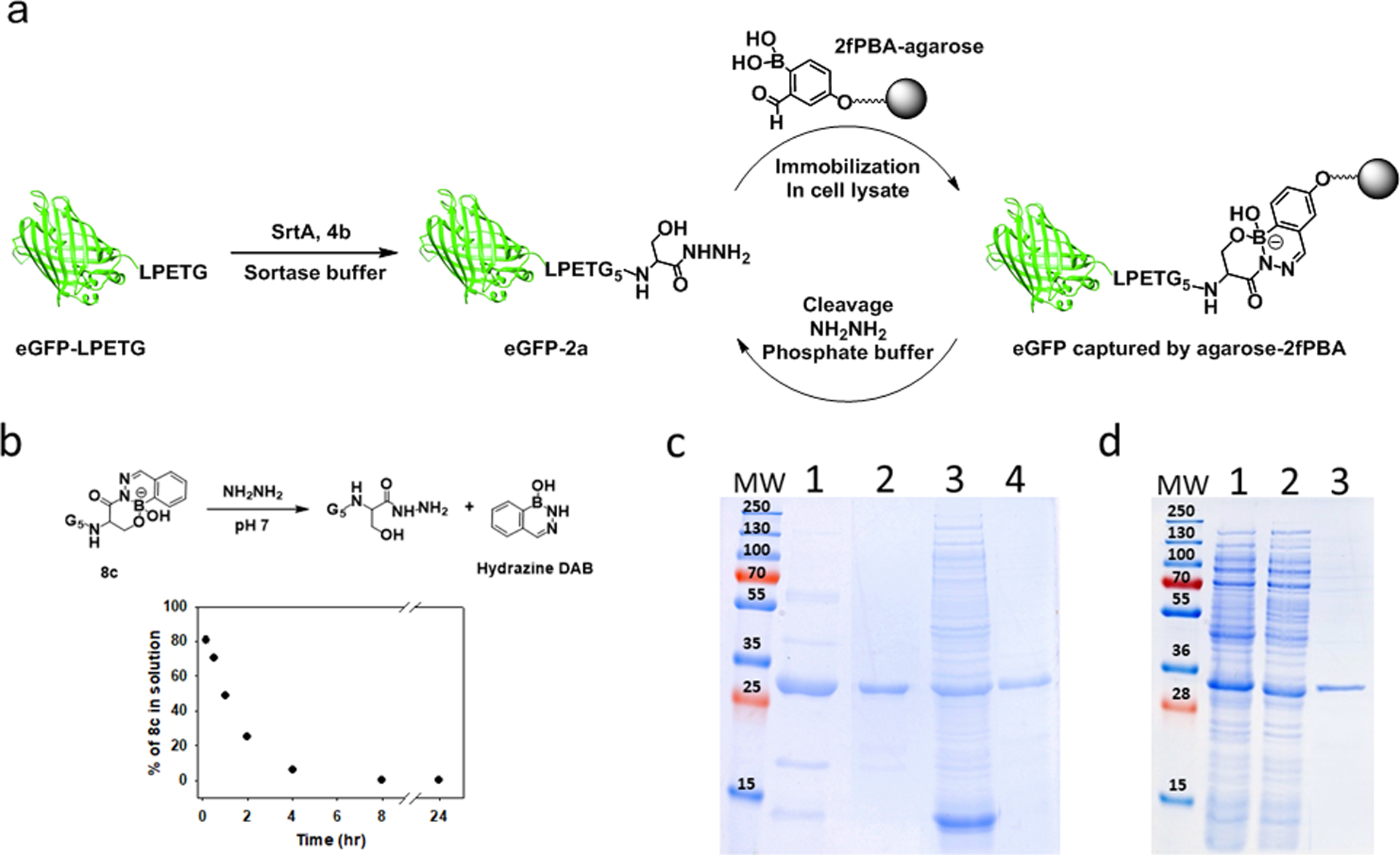
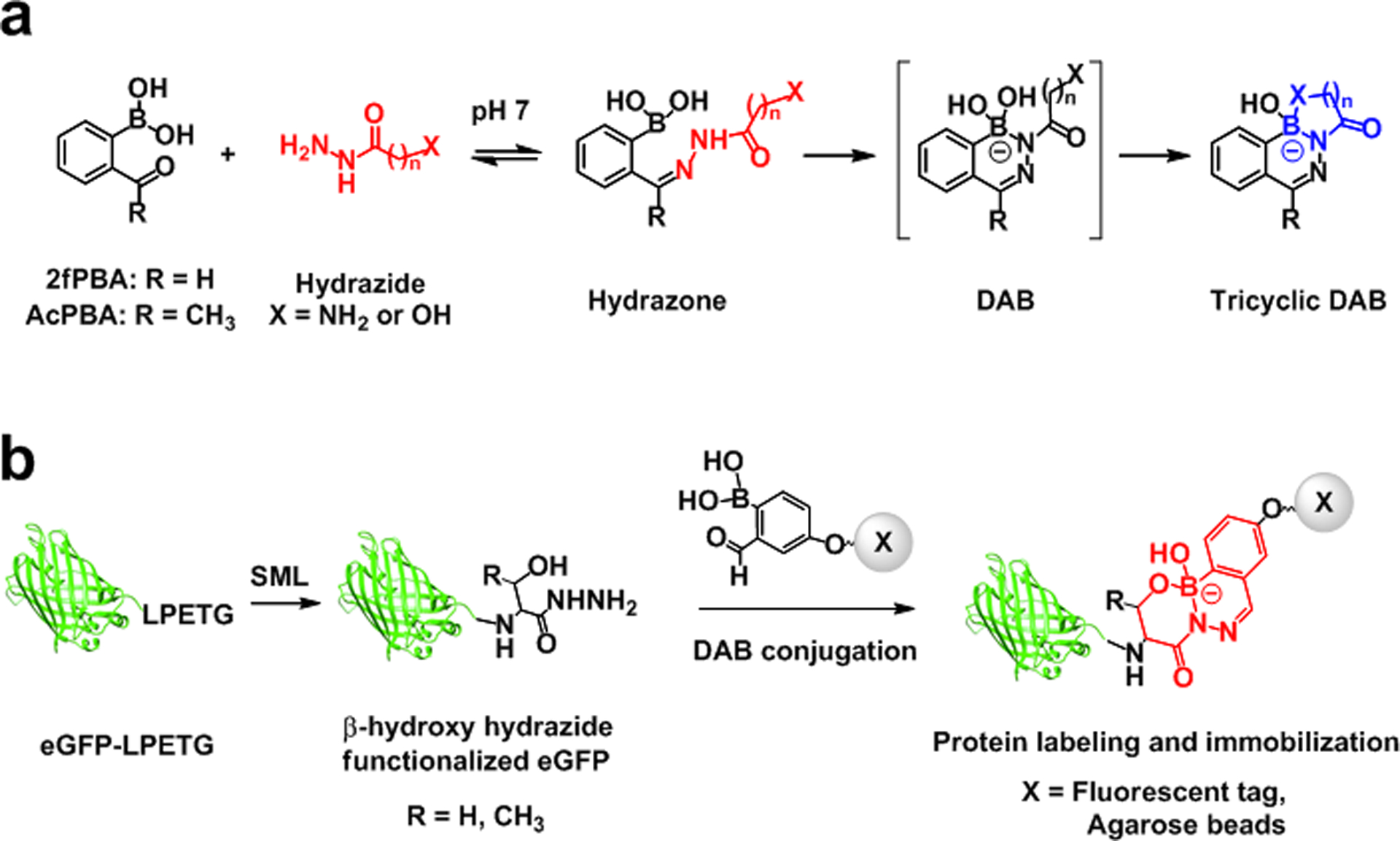
Bioorthogonal chemistry has enabled the development of bioconjugates in physiological environments while averting interference from endogenous biomolecules. Reactions between carbonyl-containing molecules and alkoxyamines or hydrazines have experienced a resurgence in popularity in bioorthogonal chemistry owing to advances that allow the reactions to occur under physiological conditions. In particular, ortho-carbonyl-substituted phenylboronic acids (CO-PBAs) exhibit greatly accelerated rates of hydrazone and oxime formation via intramolecular Lewis acid catalysis. Unfortunately, the rate of the reverse reaction is also increased, yielding a kinetically less stable bioconjugate. When the substrate is a hydrazine derivative, an intramolecular reaction between the boronic acid and the hydrazone can lead to the formation of a heterocycle containing a boron-nitrogen bond. We have shown previously that α-amino hydrazides undergo rapid reaction with CO-PBAs to form highly stable, tricyclic products, and that this reaction is orthogonal to the popular azide-alkyne and tetrazine-alkene reactions. In this work, we explore a series of heteroatom-substituted hydrazides for their ability to form tricyclic products with two CO-PBAs, 2-formylphenylboronic acid (2fPBA), and 2-acetylphenylboronic acid (AcPBA). In particular, highly stable products were formed using β-hydroxy hydrazides and 2fPBA. C-Terminal β-hydroxy hydrazide proteins are available using conventional biochemical methods, which alleviates one of the difficulties with applications of bioorthogonal chemical reactions: site-specific incorporation of a reactive group into the biomolecular target. Using sortase-mediated ligation (SML), C-terminal threonine and serine hydrazides were appended to a model eGFP protein in high yield. Subsequent labeling with 2fPBA functionalized probes could be performed quickly and quantitatively at neutral pH using micromolar concentrations of reactants. The SML process was applied directly to an expressed protein in cellular extract, and the C-terminal modified target protein was selectively immobilized using 2fPBA-agarose. Elution from the agarose yielded a highly pure protein that retained the hydrazide functionality. This strategy should be generally applicable for rapid, efficient site-specific protein labeling, protein immobilization, and preparation of highly pure functionalized proteins.
Conflict of interest statement
The authors declare the following competing financial interest(s): S.L.B is an inventor on a patent pertaining to this chemistry. The other authors declare no competing financial interest.
Figures
References
-
- Lang K; Chin JW Bioorthogonal Reactions for Labeling Proteins. ACS Chem. Biol 2014, 9, 16–20. - PubMed
-
- Debets MF; Van Berkel SS; Dommerholt J; Dirks AJ; Rutjes FPJT; Van Delft FL Bioconjugation with Strained Alkenes and Alkynes. Acc. Chem. Res 2011, 44, 805–815. - PubMed
-
- Knall A-C; Slugovc C Inverse Electron Demand Diels–Alder (IEDDA)-Initiated Conjugation: A (High) Potential Click Chemistry Scheme. Chem. Soc. Rev 2013, 42, 5131–5142. - PubMed
Publication types
MeSH terms
Substances
Grants and funding
LinkOut - more resources
Full Text Sources
