Systemic therapy for gallbladder cancer
- PMID: 31484490
- PMCID: PMC8219347
- DOI: 10.21037/cco.2019.08.14
Systemic therapy for gallbladder cancer
Abstract
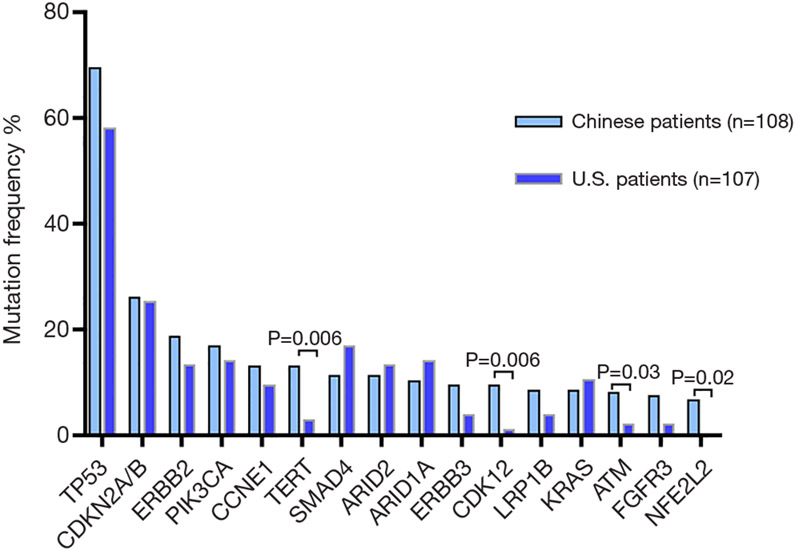
Gallbladder cancer is an aggressive cancer that continues to be an important health care issue in certain regions of the world such as Southeast Asia and Latin America. Most patients are diagnosed at an advanced, unresectable stage and systemic therapy is their only option. Gallbladder cancer patients have traditionally been included in clinical trials for biliary tract cancer. Thus, systemic chemotherapy options for this cancer are similar to those for cholangiocarcinoma, including gemcitabine and cisplatin in the first line and FOLFOX in the second-line setting. Ongoing phase III clinical trials may change the systemic therapy paradigm for this cancer. Molecular profiling has indicated important genetic differences between gallbladder cancer and cholangio-carcinoma, which affects choice of targeted therapy. Her2/neu amplification, PIK3CA mutations and DNA repair genetic aberrations are relatively frequent and represent actionable targets for this cancer.
Keywords: Cancer of gallbladder; genes ErbB2; targeted therapy.
Conflict of interest statement
Figures
References
-
- Lazcano-Ponce EC, Miquel JF, Munoz N, et al. Epidemiology and molecular pathology of gallbladder cancer. CA Cancer J Clin 2001;51:349–64. - PubMed
-
- D'Hondt M, Lapointe R, Benamira Z, et al. Carcinoma of the gallbladder: Patterns of presentation, prognostic factors and survival rate. An 11-year single centre experience. Eur J Surg Oncol 2013;39:548–53. - PubMed
-
- Valle J, Wasan H, Palmer DH, et al. Cisplatin plus gemcitabine versus gemcitabine for biliary tract cancer. N Engl J Med 2010;362:1273–81. - PubMed
-
- Geynisman DM, Catenacci DV Toward personalized treatment of advanced biliary tract cancers. Discov Med 2012;14:41–57. - PubMed
Publication types
MeSH terms
Grants and funding
LinkOut - more resources
Full Text Sources
Medical
Research Materials
Miscellaneous