


Neutrophil extracellular traps, B cells, and type I interferons contribute to immune dysregulation in hidradenitis suppurativa
- PMID: 31484788
- PMCID: PMC11369904
- DOI: 10.1126/scitranslmed.aav5908
Neutrophil extracellular traps, B cells, and type I interferons contribute to immune dysregulation in hidradenitis suppurativa
Abstract
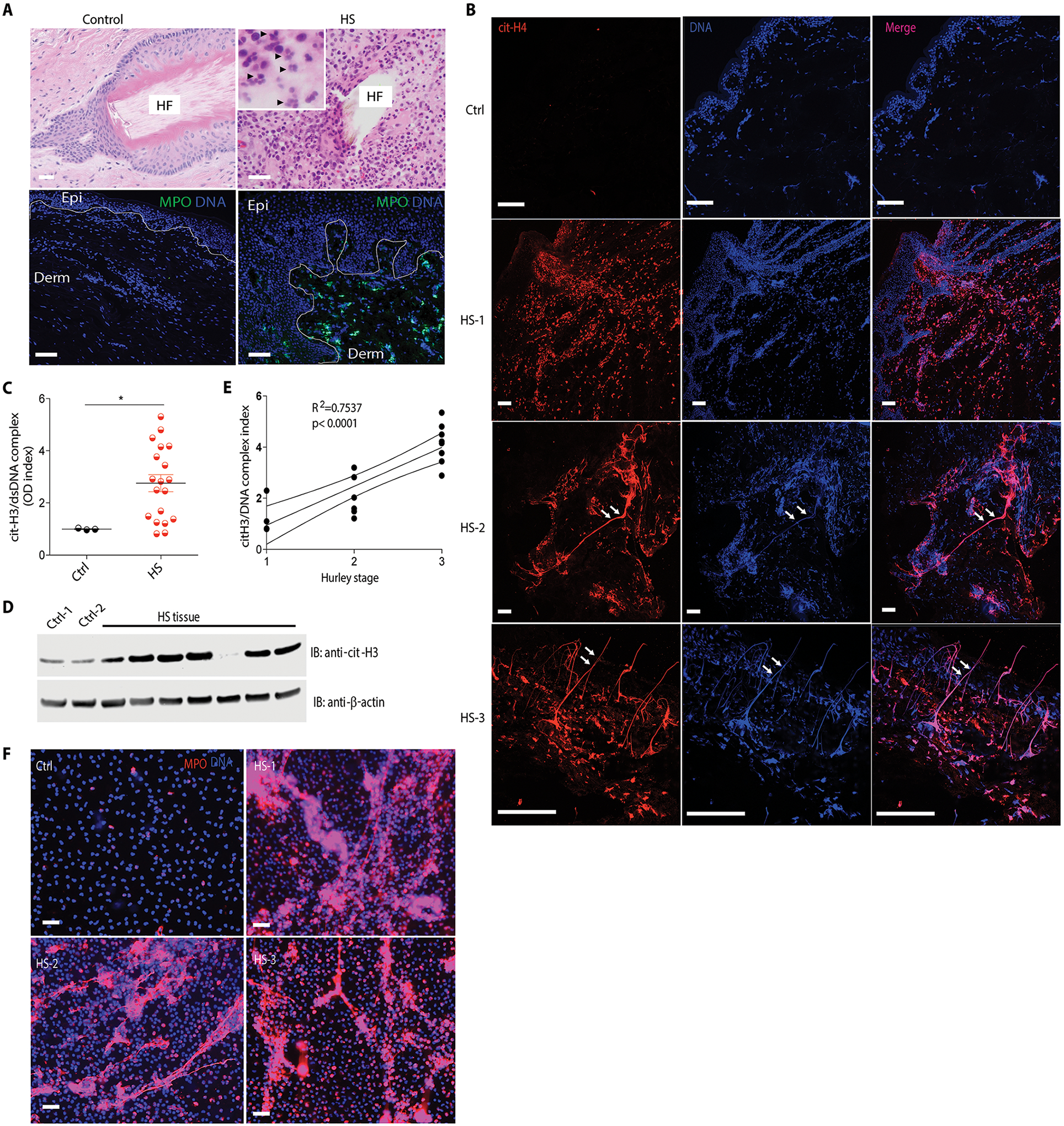
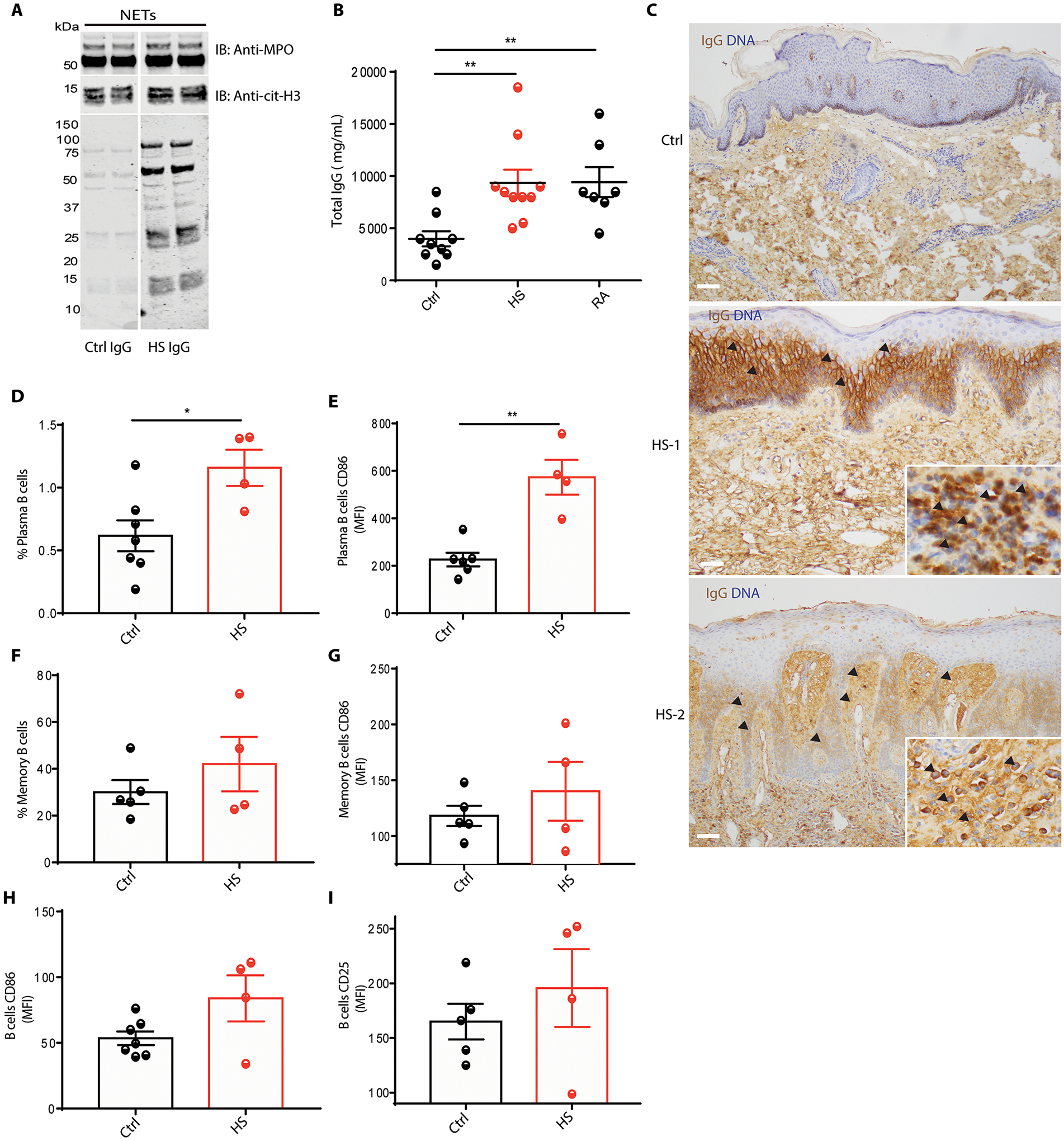
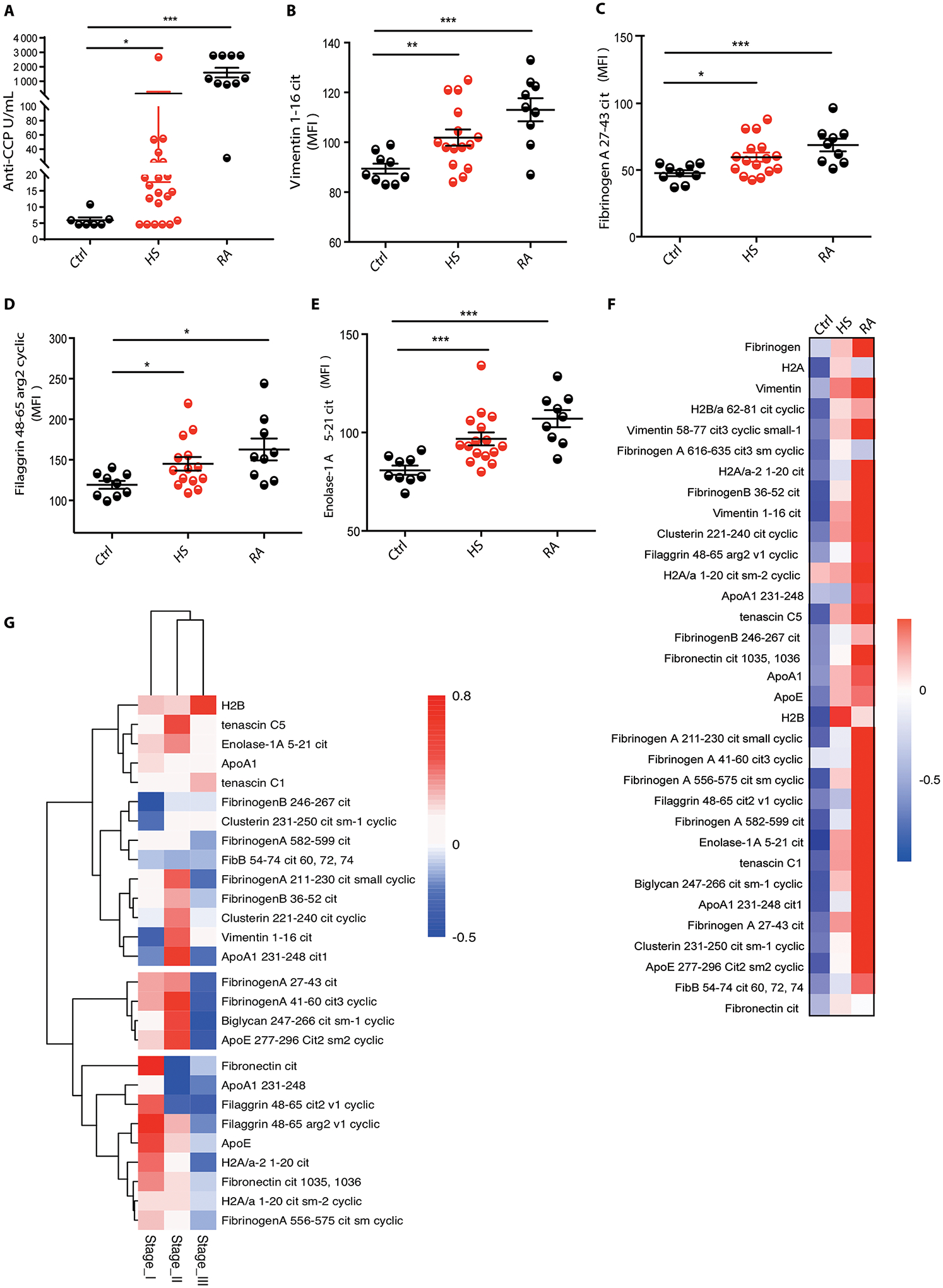
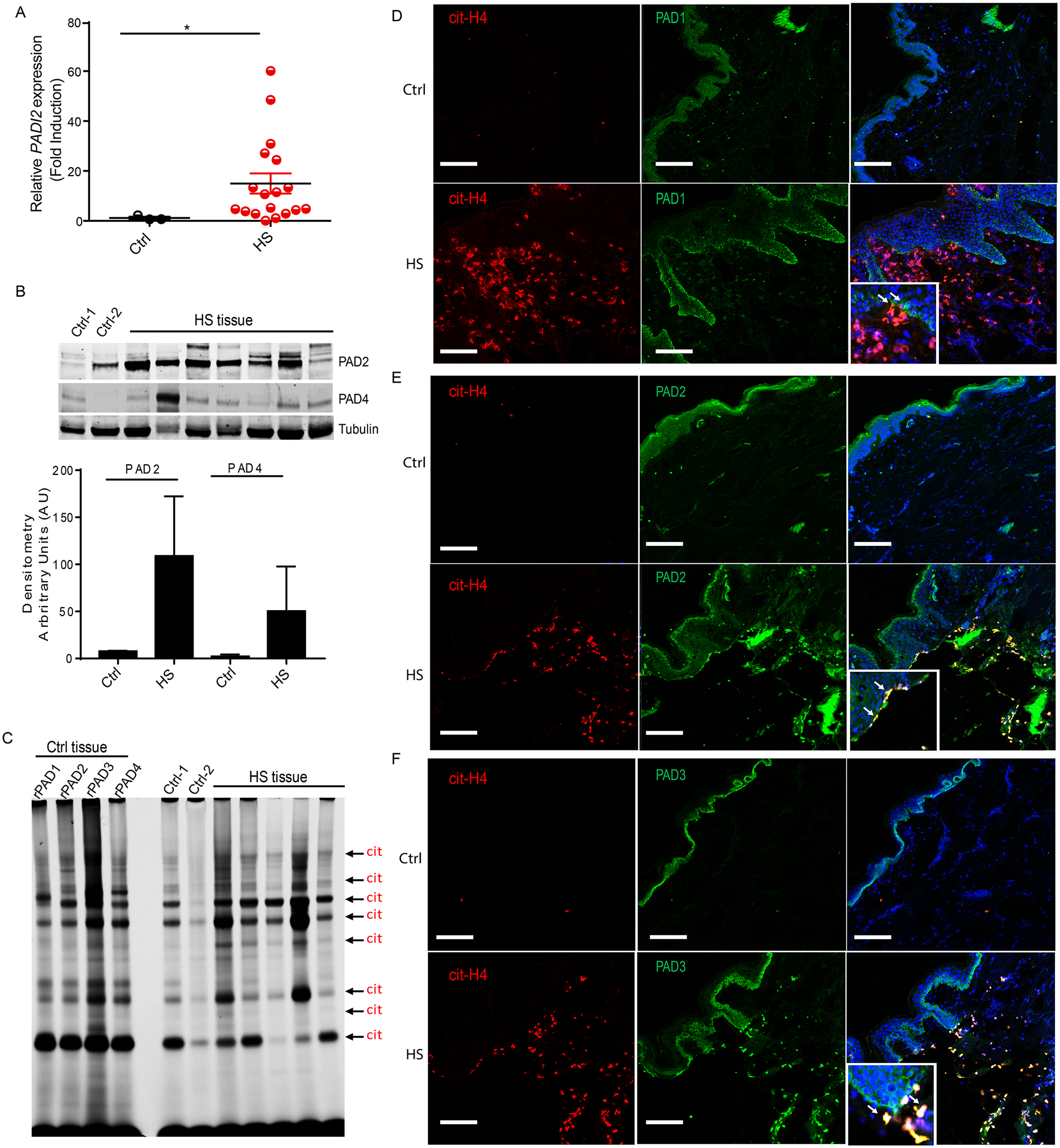
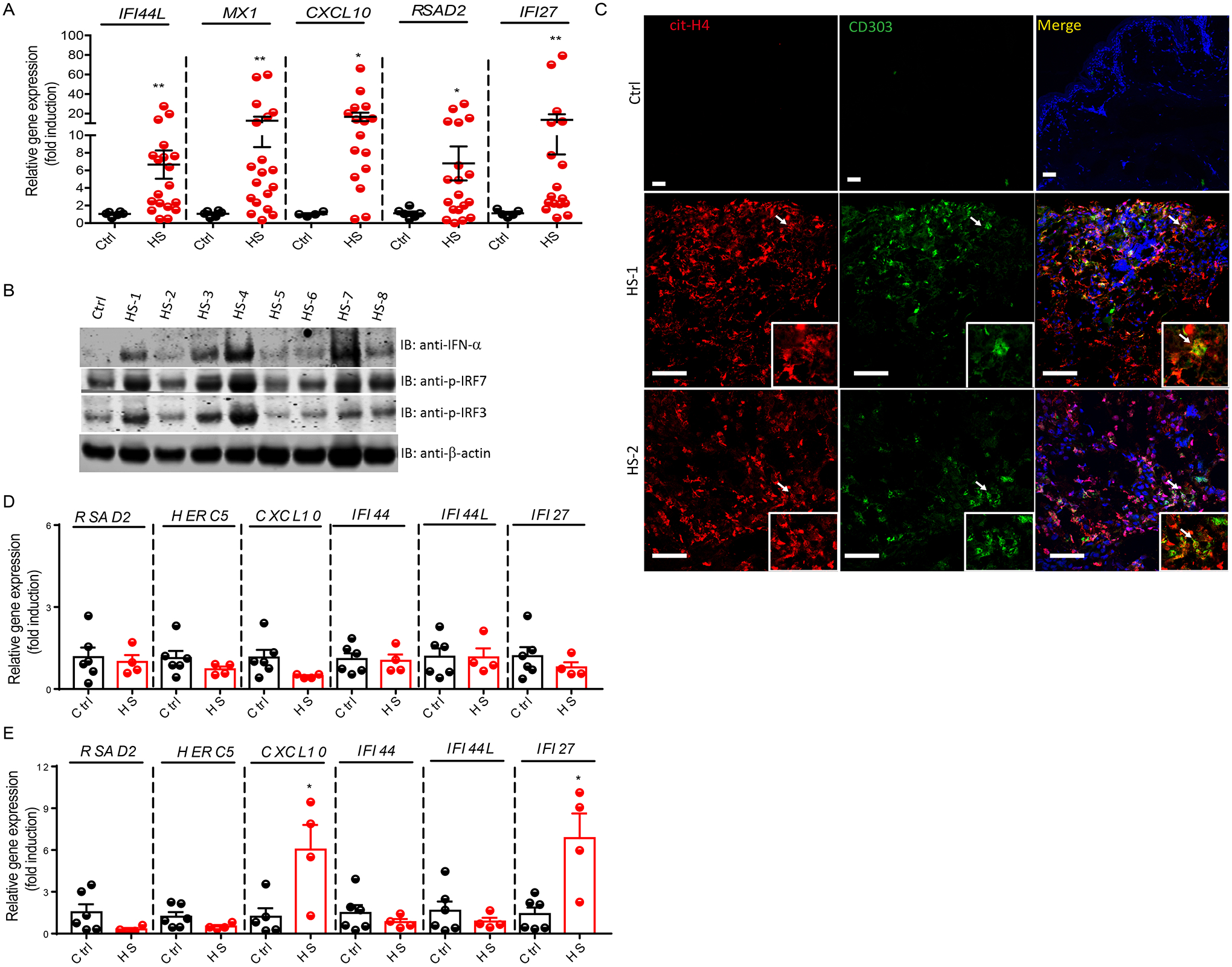
Hidradenitis suppurativa (HS), also known as acne inversa, is an incapacitating skin disorder of unknown etiology manifested as abscess-like nodules and boils resulting in fistulas and tissue scarring as it progresses. Given that neutrophils are the predominant leukocyte infiltrate in HS lesions, the role of neutrophil extracellular traps (NETs) in the induction of local and systemic immune dysregulation in this disease was examined. Immunofluorescence microscopy was performed in HS lesions and detected the prominent presence of NETs. NET complexes correlated with disease severity, as measured by Hurley staging. Neutrophils from the peripheral blood of patients with HS peripheral also displayed enhanced spontaneous NET formation when compared to healthy control neutrophils. Sera from patients recognized antigens present in NETs and harbored increased antibodies reactive to citrullinated peptides. B cell dysregulation, as evidenced by elevated plasma cells and IgG, was observed in the circulation and skin from patients with HS. Peptidylarginine deiminases (PADs) 1 to 4, enzymes involved in citrullination, were differentially expressed in HS skin, when compared to controls, in association with enhanced tissue citrullination. NETs in HS skin coexisted with plasmacytoid dendritic cells, in association with a type I interferon (IFN) gene signature. Enhanced NET formation and immune responses to neutrophil and NET-related antigens may promote immune dysregulation and contribute to inflammation. This, along with evidence of up-regulation of the type I IFN pathway in HS skin, suggests that the innate immune system may play important pathogenic roles in this disease.
Copyright © 2019 The Authors, some rights reserved; exclusive licensee American Association for the Advancement of Science. No claim to original U.S. Government Works.
Conflict of interest statement
Figures
References
-
- B Jemec G, Kimball AB, Hidradenitis suppurativa: Epidemiology and scope of the problem. J Am Acad Dermatol. 73, S4–7 (2015). - PubMed
-
- Revuz J, Hidradenitis suppurativa. J Eur Acad Dermatol Venereol. 23, 985–998 (2009). - PubMed
-
- Vlassova N, Kuhn D, Okoye GA, Hidradenitis suppurativa disproportionately affects African Americans: a single-center retrospective analysis. Acta Derm Venereol. 95, 990–991(2015). - PubMed
-
- Lee DE, Clark AK, Shi VY, Hidradenitis Suppurativa: Disease Burden and Etiology in Skin of Color. Dermatology. 233, 456–61 (2017). - PubMed
-
- Deckers IE, Kimball AB, The Handicap of Hidradenitis Suppurativa. Dermatol Clin.34,17–22 (2016). - PubMed
Publication types
MeSH terms
Substances
Grants and funding
LinkOut - more resources
Full Text Sources
Other Literature Sources
Medical
