


Epidemiology of gallbladder cancer
- PMID: 31501784
- PMCID: PMC6728871
- DOI: 10.5114/ceh.2019.85166
Epidemiology of gallbladder cancer
Abstract
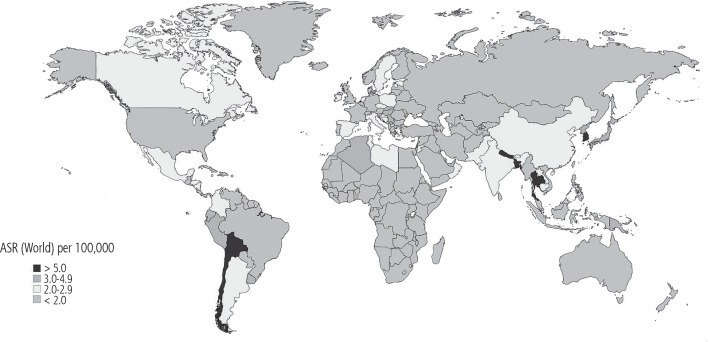
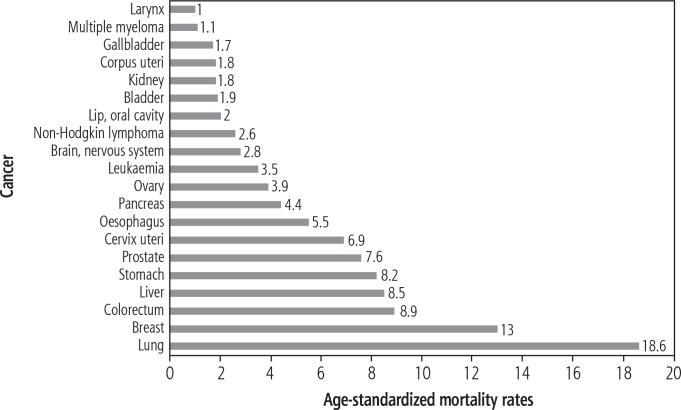
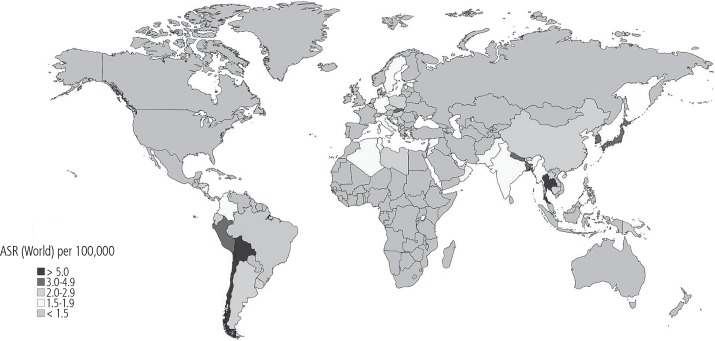
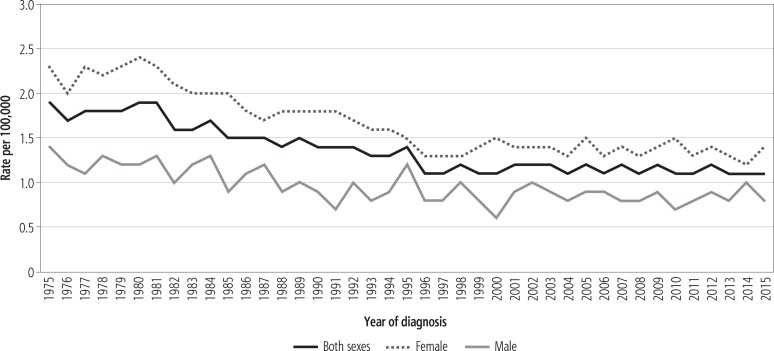
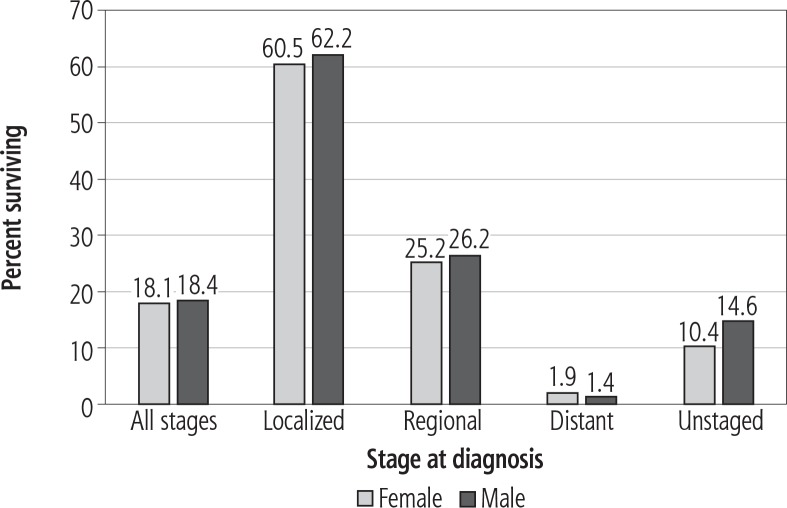
According to GLOBOCAN 2018 data, gallbladder cancer (GBC) accounts for 1.2% of all global cancer diagnoses, but 1.7% of all cancer deaths. Only 1 in 5 GBC cases in the United States is diagnosed at an early stage, and median survival for advanced stage cancer is no more than about a year. The incidence of the disease is increasing in the developed world. Gallstones, biliary cysts, carcinogen exposure, typhoid, and Helicobacter pylori infection, and abnormal pancreaticobiliary duct junctions are all risk factors, many of which account for its geographical, ethnic and sex distribution. Genetics also plays a strong role, as about a quarter of GBC cases are considered familial, and certain ethnicities, such as Native Americans, are at far higher risk for the neoplasm. Prevention includes weight loss, vaccination against and treatment of bacterial infections, early detection and elimination of polyps and cysts, and avoidance of oral estrogen replacement therapy.
Keywords: etiology; incidence; mortality; risk factor; survival.
Conflict of interest statement
Authors report no conflict of interest.
Figures
References
-
- Abou-Alfa GK, Jarnagin W, Lowery M, et al. In: Abeloff’s Clinical Oncology – Liver and Bile Duct Cancer. 5th. Niederhuber JE, Armitage JO, Doroshow JH, et al., editors. Philadelphia: Sanders; 2014. pp. 1373–1396.
-
- Bray F, Ferlay J, Soerjomataram I, et al. Global cancer statistics 2018: GLOBOCAN estimates of incidence and mortality worldwide for 36 cancers in 185 countries. CA Cancer J Clin. 2018;68:394–424. - PubMed
-
- Nuzzo G, Clemente G, Cadeddu F, et al. Papillary carcinoma of the gallbladder and anomalous pancreatico-biliary junction. Report of three cases and review of the literature. Hepatogastroenterology. 2005;52:1034–1038. - PubMed
-
- Howlader N, Noone AM, Krapcho M, et al., editors. SEER Cancer Statistics Review. Bethesda, MD: National Cancer Institute; 1975-2014. Available from: https://seer.cancer.gov/csr/1975_2014/. Accessed 20 December 2018.
-
- Henley SJ, Weir HK, Jim MA, et al. Gallbladder cancer incidence and mortality, United States 1999-2011. Cancer Epidemiol Biomarkers Prev. 2015;24:1319–1326. - PubMed
Publication types
LinkOut - more resources
Full Text Sources
Medical
