Review
. 2019 Oct 31;47(5):1209-1222.
doi: 10.1042/BST20190034.

Targeting centrosome amplification, an Achilles' heel of cancer

Affiliations
Review

Targeting centrosome amplification, an Achilles' heel of cancer

Dorota Sabat-Pośpiech et al. Biochem Soc Trans. .

Abstract

Due to cell-cycle dysregulation, many cancer cells contain more than the normal compliment of centrosomes, a state referred to as centrosome amplification (CA). CA can drive oncogenic phenotypes and indeed can cause cancer in flies and mammals. However, cells have to actively manage CA, often by centrosome clustering, in order to divide. Thus, CA is also an Achilles' Heel of cancer cells. In recent years, there have been many important studies identifying proteins required for the management of CA and it has been demonstrated that disruption of some of these proteins can cause cancer-specific inhibition of cell growth. For certain targets therapeutically relevant interventions are being investigated, for example, small molecule inhibitors, although none are yet in clinical trials. As the field is now poised to move towards clinically relevant interventions, it is opportune to summarise the key work in targeting CA thus far, with particular emphasis on recent developments where small molecule or other strategies have been proposed. We also highlight the relatively unexplored paradigm of reversing CA, and thus its oncogenic effects, for therapeutic gain.

Keywords: cancer; cell invasion; cellular reproduction; centrosomes; therapeutics.


Conflict of interest statement

The Authors declare that there are no competing interests associated with the manuscript.

Figures
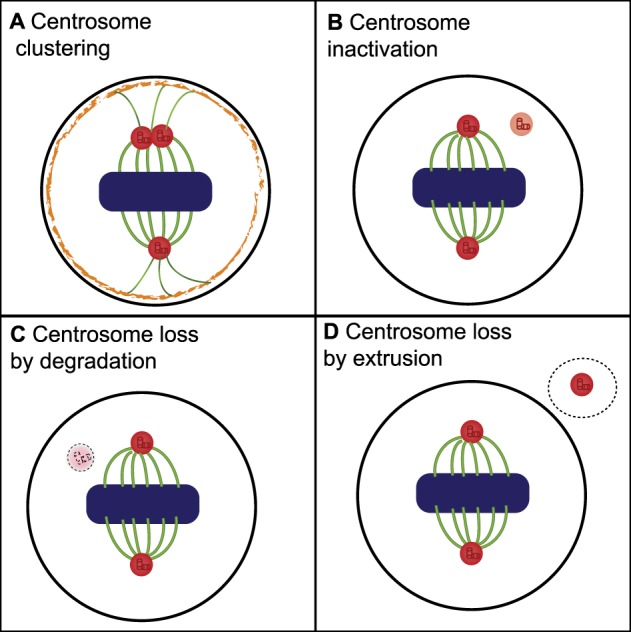
Figure 1.
Figure 1.. Cellular mechanisms for coping with CA.
Cancer cells, with >2 centrosomes in G2 and mitosis, may use one of four mechanisms to prevent dangerous multipolar mitosis. Of these, centrosome clustering is the most well characterised in human cancer cells, with centrosome inactivation also reasonably well-studied in model organisms. Methods to disrupt these mechanisms are discussed and shown in Figure 2.
Figure 2.
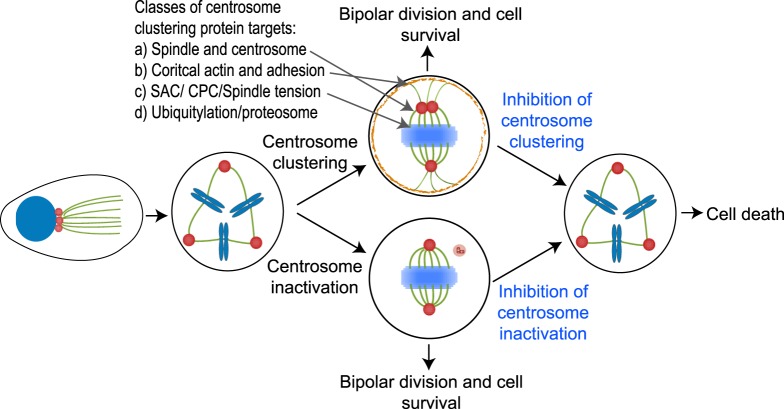
Figure 2.. Targeting centrosome clustering or centrosome inactivation as a therapeutic approach.
In mitosis, cancer cells cope with CA by clustering or potentially by inactivating extra centrosomes to prevent multipolar mitoses and cell death. Inhibition of these mechanisms (highlighted in blue) will drive cancer cells towards cell death. Four major classes of centrosome clustering proteins, as described in the text, are indicated.
Figure 3.
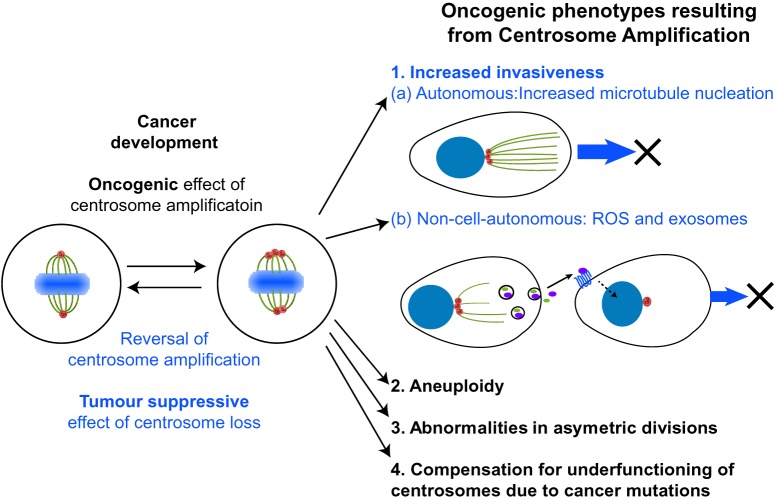
Figure 3.. Reversing the oncogenic effects of CA as a therapeutic approach.
CA causes several oncogenic phenotypes. Potential methods to target some of these phenotypes or to reverse CA (highlighted in blue) are discussed in the text.

References

    1. Loncarek J. and Bettencourt-Dias M. (2018) Building the right centriole for each cell type. J. Cell Biol. 217, 823–835 10.1083/jcb.201704093 - DOI - PMC - PubMed
    1. Fry A.M., Sampson J., Shak C. and Shackleton S. (2017) Recent advances in pericentriolar material organization: ordered layers and scaffolding gels. F1000Res. 6, 1622 10.12688/f1000research.11652.1 - DOI - PMC - PubMed
    1. Nigg E.A. and Holland A.J. (2018) Once and only once: mechanisms of centriole duplication and their deregulation in disease. Nat. Rev. Mol. Cell Biol. 19, 297–312 10.1038/nrm.2017.127 - DOI - PMC - PubMed
    1. Meraldi P. (2016) Centrosomes in spindle organization and chromosome segregation: a mechanistic view. Chromosome Res. 24, 19–34 10.1007/s10577-015-9508-2 - DOI - PubMed
    1. Nigg E.A. and Raff J.W. (2009) Centrioles, centrosomes, and cilia in health and disease. Cell 139, 663–678 10.1016/j.cell.2009.10.036 - DOI - PubMed

Publication types