


Proteomic Investigations of Autism Brain Identify Known and Novel Pathogenetic Processes
- PMID: 31511657
- PMCID: PMC6739414
- DOI: 10.1038/s41598-019-49533-y
Proteomic Investigations of Autism Brain Identify Known and Novel Pathogenetic Processes
Abstract
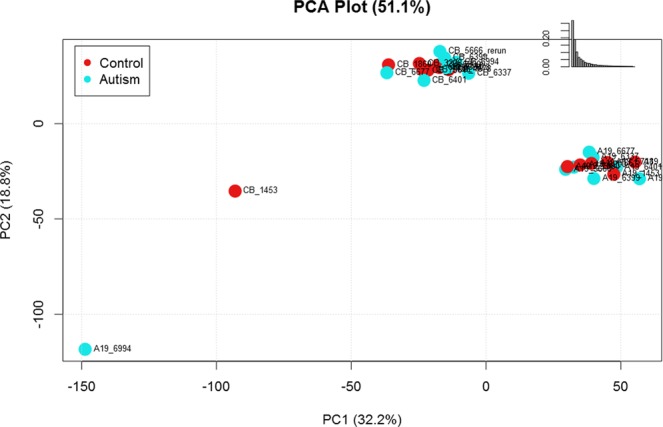
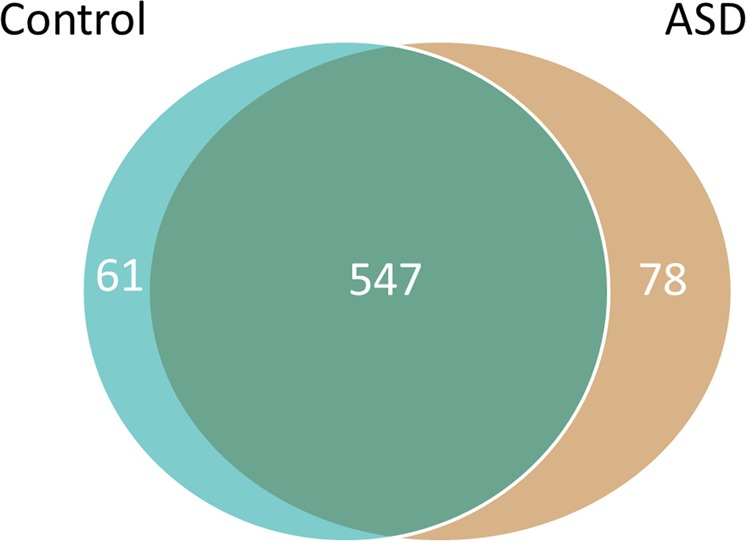
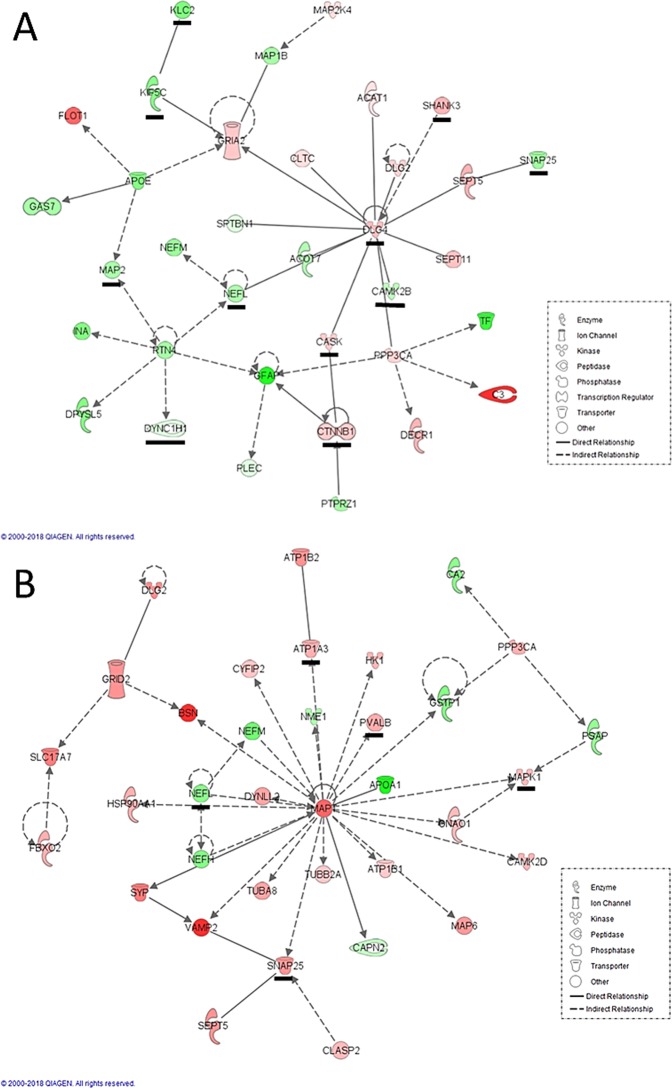
Autism Spectrum Disorder (ASD) is a set of heterogeneous neurodevelopmental conditions defined by impairments in social communication and restricted, repetitive behaviors, interests or activities. Only a minority of ASD cases are determined to have a definitive etiology and the pathogenesis of most ASD is poorly understood. We hypothesized that a global analysis of the proteomes of human ASD vs. control brain, heretofore not done, would provide important data with which to better understand the underlying neurobiology of autism. In this study, we characterized the proteomes of two brain regions, Brodmann area 19 (BA19) and posterior inferior cerebellum (CB), from carefully selected idiopathic ASD cases and matched controls using label-free HPLC-tandem mass spectrometry. The data revealed marked differences between ASD and control brain proteomes for both brain regions. Unlike earlier transcriptomic analyses using frontal and temporal cortex, however, our proteomic analysis did not support ASD attenuating regional gene expression differences. Bioinformatic analyses of the differentially expressed proteins between cases and controls highlighted canonical pathways involving glutamate receptor signaling and glutathione-mediated detoxification in both BA19 and CB; other pathways such as Sertoli cell signaling and fatty acid oxidation were specifically enriched in BA19 or CB, respectively. Network analysis of both regions of ASD brain showed up-regulation of multiple pre- and post-synaptic membrane or scaffolding proteins including glutamatergic ion channels and related proteins, up-regulation of proteins involved in intracellular calcium signaling, and down-regulation of neurofilament proteins, with DLG4 and MAPT as major hub proteins in BA19 and CB protein interaction networks, respectively. Upstream regulator analysis suggests neurodegeneration-associated proteins drive the differential protein expression for ASD in both BA19 and CB. Overall, the proteomic data provide support for shared dysregulated pathways and upstream regulators for two brain regions in human ASD brain, suggesting a common ASD pathophysiology that has distinctive regional expression.
Conflict of interest statement
M.R.N. is on the Scientific Advisory Board and has equity in Stemina Biomarker Discovery. All other authors declare no conflict of interest.
Figures
References
-
- GBD 2017 disease and injury incidence and prevalence collaborators Global, regional, and national incidence, prevalence, and years lived with disability for 354 diseases and injuries for 195 countries and territories, 1990–2017: a systematic analysis for the Global Burden of Disease Study 2017. Lancet. 2018;392:1789–1858. doi: 10.1016/S0140-6736(18)32279-7. - DOI - PMC - PubMed
MeSH terms
Substances
LinkOut - more resources
Full Text Sources
Molecular Biology Databases
