


Cardiotoxicity from immune checkpoint inhibitors
- PMID: 31517036
- PMCID: PMC6736791
- DOI: 10.1016/j.ijcha.2019.100420
Cardiotoxicity from immune checkpoint inhibitors
Abstract
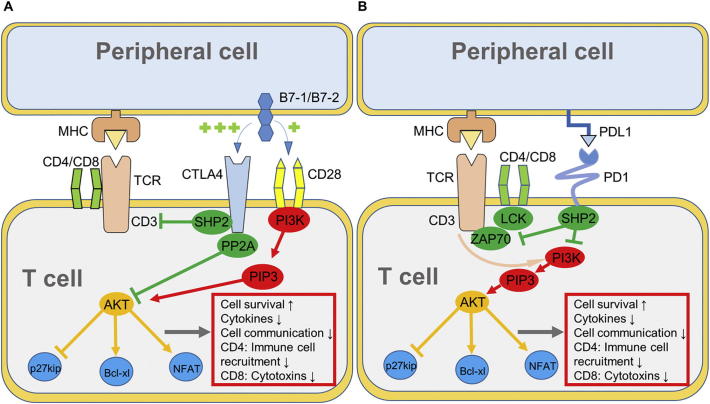
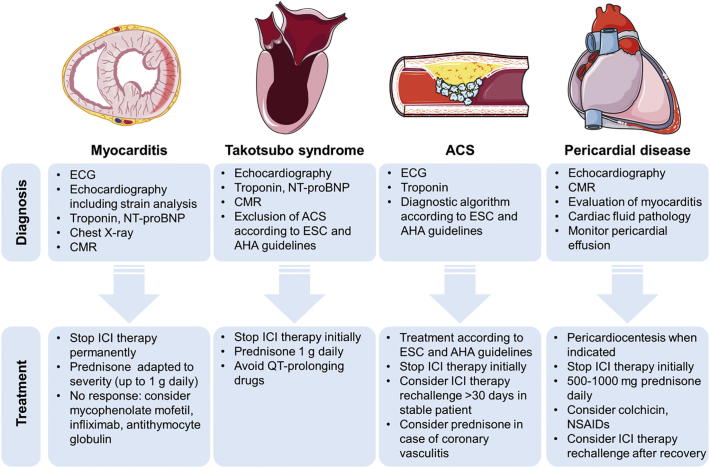
Immune checkpoint inhibitor (ICI) therapy has greatly improved treatment of various advanced cancers but increasing use of ICI therapy has exposed the risk of ICI-related cardiovascular side effects. Immune checkpoints are inhibitory regulators of T cell activation and mediate T cell effector functions during physiological responses to shield from autoimmune reactions. ICI therapy for advanced cancers promotes immune activity against tumors and is applied within a broad collective of cancer patients. Widespread use of ICI therapy has revealed the burden of immune related adverse events with various organ manifestations and characteristics. Since immune checkpoints are highly relevant for maintaining myocardial homeostasis as emerging evidence implicates, inhibition of immune checkpoint pathways has been associated with various forms of cardiotoxicity in preclinical models and patients. Although ICI-related cardiotoxicity is rare, it has significant relevance due to high mortality rates. This review focuses on current knowledge about cardiac ICI-related toxicity. We summarize the most common forms and delineate incidence, presentation, and treatment. Clinical characteristics are correlated to potential underlying pathomechanisms. We outline epidemiology, risk factors, and course of disease. Recommendations for monitoring and critical diagnostic measures are specified within the context of different forms of cardiac involvement. Different therapeutic implications for suspected ICI-related cardiotoxicity and their limitations are critically summarized. We highlight current gaps of knowledge concerning the underlying pathomechanisms and clinical characteristics of ICI-related cardiotoxicity. Future challenges are depicted for optimum cardio-oncology care of patients receiving ICI therapy.
Keywords: CTLA4; Cardio-oncology; Cardiotoxicity; ICI, immune checkpoint inhibitor; Immune checkpoint inhibitor; Myocarditis; PD1.
Conflict of interest statement
None.
Figures
References
Publication types
LinkOut - more resources
Full Text Sources
Other Literature Sources
