


Vacuum assisted closure (VAC)/negative pressure wound therapy (NPWT) for difficult wounds: A review
- PMID: 31528055
- PMCID: PMC6739293
- DOI: 10.1016/j.jcot.2019.06.015
Vacuum assisted closure (VAC)/negative pressure wound therapy (NPWT) for difficult wounds: A review
Abstract
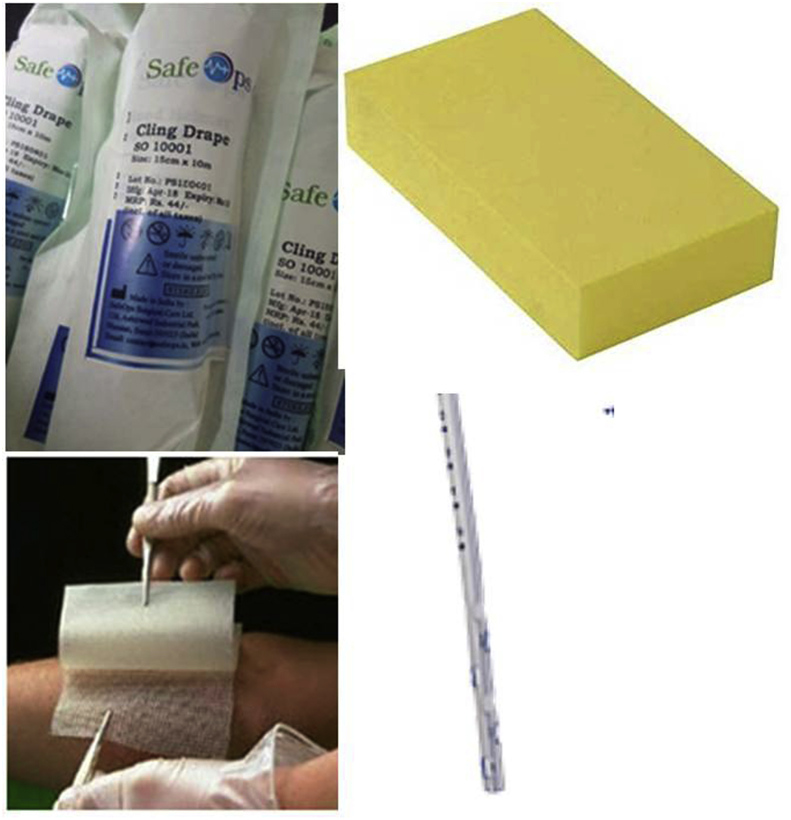
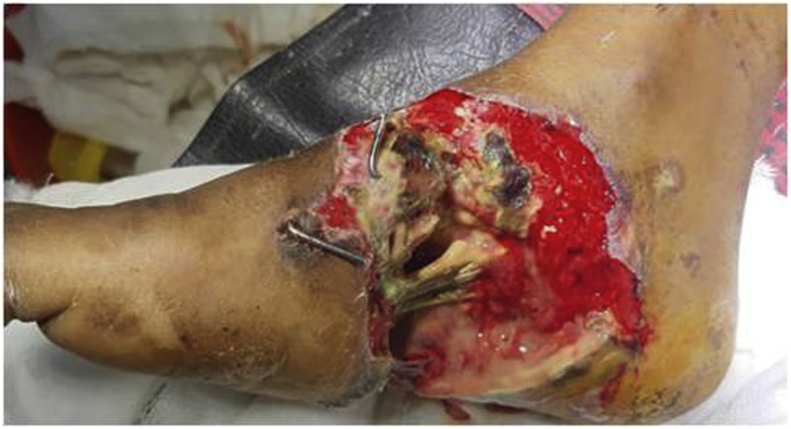
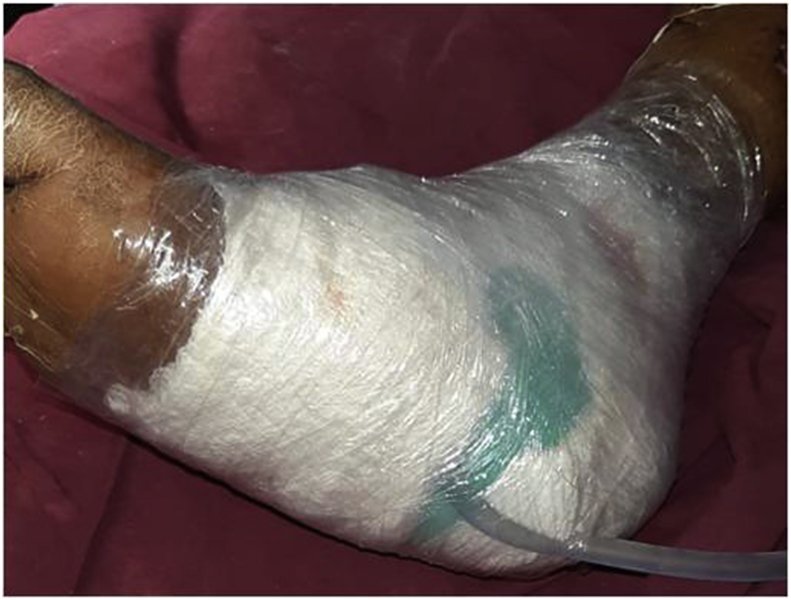
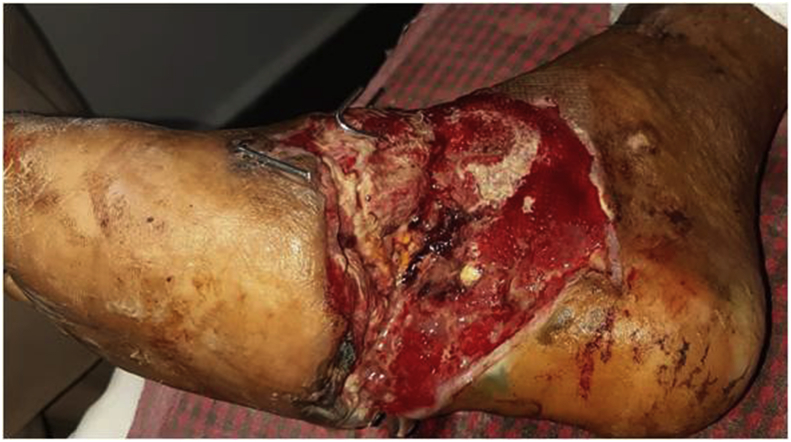
Delayed wound healing particularly in difficult wounds and in elderly with co morbidities is a major concern. It leads to the pain, morbidity, prolonged treatment, and require major reconstructive surgery which imposes enormous social and financial burden. Vacuum-assisted closure (VAC) is an alternative method of wound management, which uses the negative pressure to prepare the wound for spontaneous healing or by lesser reconstructive options. Method of VAC application includes thorough debridement, adequate haemostasis and application of sterile foams dressing. A fenestrated tube is embedded in the foam and wound is sealed with adhesive tape to make it air tight. The fenestrate tube is connected to a vacuum pump with fluid collection container. The machine delivers continuous or intermittent suction, ranging from 50 to 125 mmHg. The VAC dressings are changed on 3rd day. Negative pressure therapy stabilizes the wound environment, reduces wound edema/bacterial load, improves tissue perfusion, and stimulates granulation tissue and angiogenesis. All this improves the possibility of primary closure of wounds and reduce the need for plastic procedures. VAC therapy appears to be a simple and more effective than conventional dressings for the management of difficult wound in terms of reduction in wound volume, depth, treatment duration and cost.
Keywords: (NPWT); (VAC); Difficult wounds; Negative pressure wound therapy; Sub-atmospheric pressure dressing; Vacuum assisted closure.
Figures
References
-
- Morykwas M.J., Argenta L.C., Shelton-Brown E.I., McGuirt W. Vacuum-assisted closure: a new method for wound control and treatment. Animal studies and basic foundation. Ann Plast Surg. 1997;38:553–562. - PubMed
-
- Argenta L.C., Morykwas M.J. Vacuum-assisted closure: a new method for wound control and treatment. Clinical experience. Ann Plast Surg. 1997;38:563–577. - PubMed
-
- Genecov D.G., Schneider A.M., Morykwas M.J., Parker D., White W.L., Argenta L.C. A controlled subatmospheric pressure dressing increases the rate of skin graft donor site reepithelialization. Ann Plast Surg. 1998;40:219–225. - PubMed
-
- Armstrong D.G., Lavery L.A., Abu-Rumman P. Outcomes of subatmospheric pressure dressing therapy on wounds of the diabetic foot. Ostomy/Wound Manag. 2002;48:64–68. - PubMed
-
- Orgill D.P. Utilizing negative pressure wound therapy on open chest/sternotomy wounds. Ostomy/Wound Manag. 2004;50(11A Suppl):15S–17S. - PubMed
Publication types
LinkOut - more resources
Full Text Sources
Medical
