


Chinese herbal formulae for the treatment of menopausal hot flushes: A systematic review and meta-analysis
- PMID: 31536531
- PMCID: PMC6752783
- DOI: 10.1371/journal.pone.0222383
Chinese herbal formulae for the treatment of menopausal hot flushes: A systematic review and meta-analysis
Abstract
Objectives: This systematic review aimed to evaluate the therapeutic effects and safety of Chinese herbal medicine (CHM) formulae for managing menopausal hot flushes (MHF).
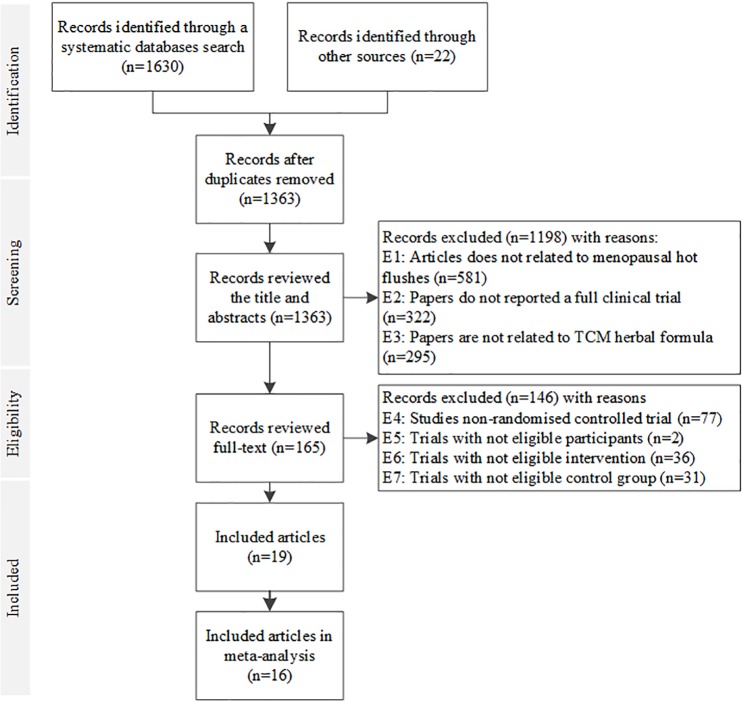
Methods: Seven English and Chinese databases were searched for studies from respective inceptions to February 2019. Randomized controlled trials investigating the clinical effects and safety of CHM formulae on MHF were considered for inclusion. The outcomes of subjective feelings (MHF and quality of life), objective changes (hormones and peripheral blood flow) and safety were analyzed. The most frequently prescribed formulae and herbs were summarized.
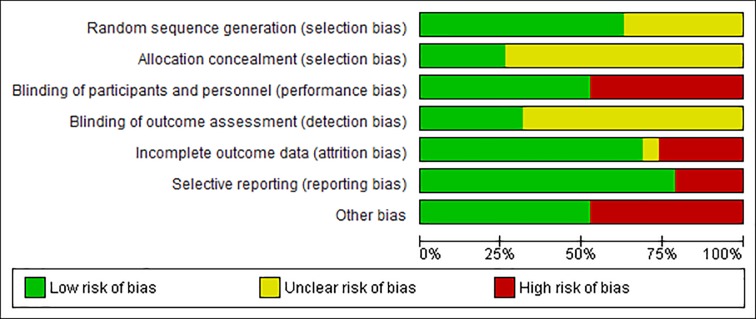
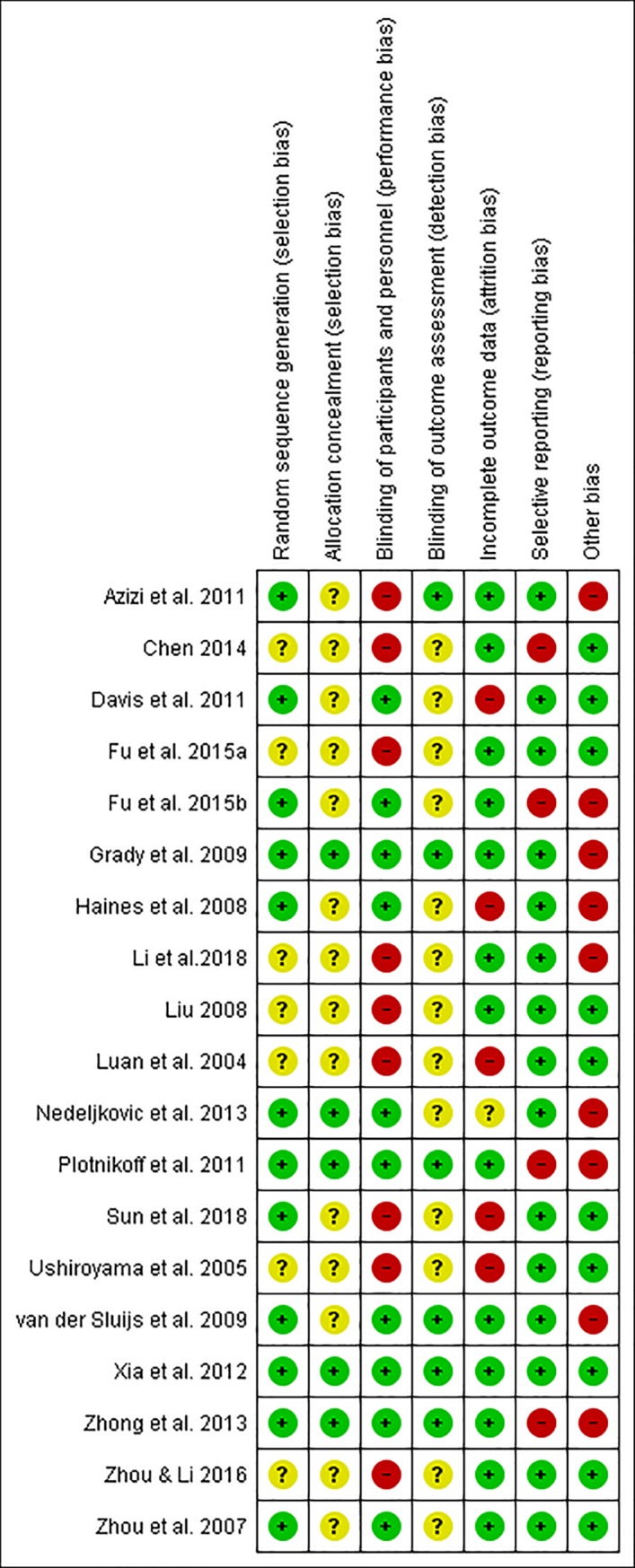
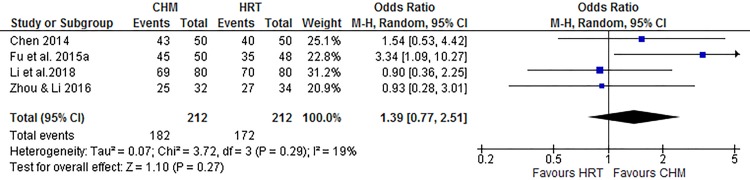
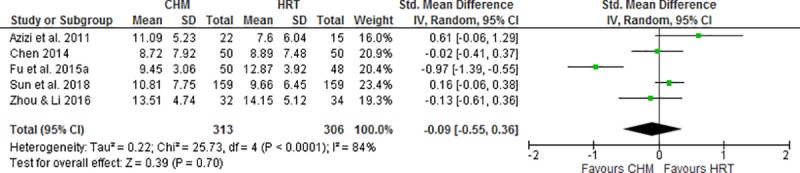
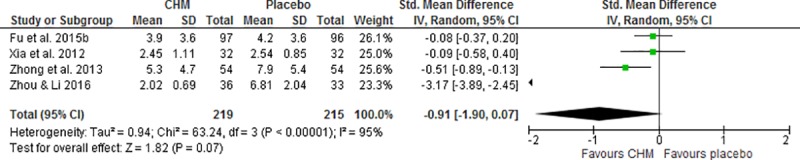
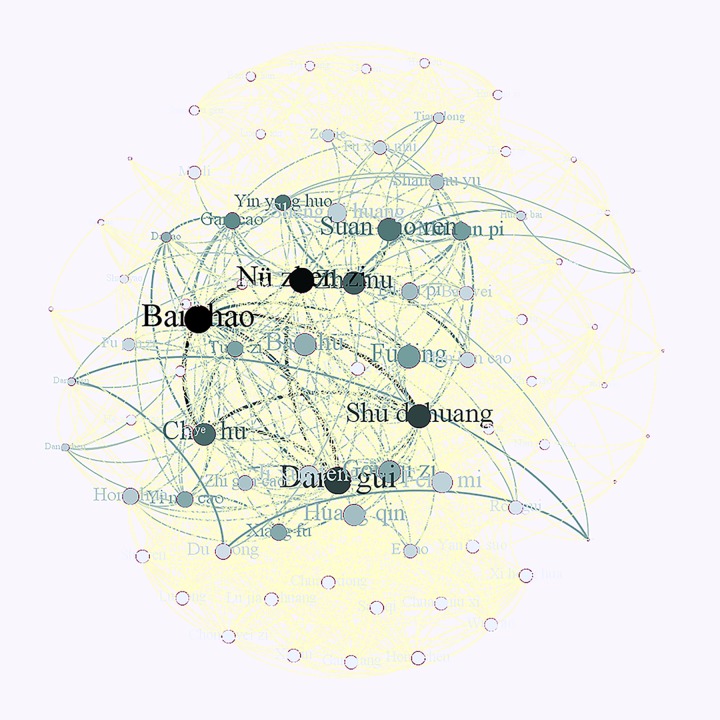
Results: Nineteen randomized clinical trials involving 2469 patients were included. When compared to menopausal hormone therapy, CHM had similar effects to menopausal hormone therapy on total effectiveness rate (OR 1.41, 95% CI 0.84 to 2.35) and total Kupperman index (KI) score (SMD -0.13, 95% CI -0.61 to 0.36), and could significantly reduce vasomotor symptom score (MD -0.43, 95% CI -0.55 to -0.31) and upper-body peripheral blood flow (MD -3.56, 95% CI -5.14 to -1.98 under the jaw, MD -7.10, 95% CI -11.01 to -3.19 in the fingertip). When compared to placebo, CHM could reduce MHF severity (MD -0.70, 95% CI-1.00 to -0.40) and improve total KI score (MD -12.61, 95% CI -15.21 to -10.01). However, no statistically significant changes to hormone levels were detected. Most commonly seen adverse events were mild gastrointestinal tract reactions. The most popularly studied formula was Kun Tai capsule and the most frequently prescribed herb was Bai shao (Paeoniae Radix Alba, Paeonia lactiflora Pall.). More than 50% included studies had low risks of bias in the domains of selection, performance, attrition and reporting.
Conclusions: This review indicated that CHM formulae were safe to be applied in MHF females and able to improve MHF-related symptom scores as well as the peripheral blood flow. Further studies should focus on specific formulae.
Conflict of interest statement
The authors have declared that no competing interests exist.
Figures
References
-
- Hunter MS, Liao K. A psychological analysis of menopausal hot flushes. British Journal of Clinical Psychology. 1995;34(4): 589–99. - PubMed
-
- Berek JS, Novak E. Berek & Novak's gynecology. 15th ed Berek JS, Novak E, editors. Philadelphia: Wolters Kluwer Health/Lippincott Williams & Wilkins; 2012.
-
- Avis NE, Colvin A, Bromberger JT, Hess R, Matthews KA, Ory M, et al. Change in health-related quality of life over the menopausal transition in a multiethnic cohort of middle-aged women: Study of Women's Health Across the Nation. Menopause. 2009;16(5): 860–9. 10.1097/gme.0b013e3181a3cdaf . - DOI - PMC - PubMed
Publication types
MeSH terms
Substances
LinkOut - more resources
Full Text Sources
Medical
Miscellaneous
