


Proton pump inhibitors attenuate myofibroblast formation associated with thyroid eye disease through the aryl hydrocarbon receptor
- PMID: 31536596
- PMCID: PMC6752849
- DOI: 10.1371/journal.pone.0222779
Proton pump inhibitors attenuate myofibroblast formation associated with thyroid eye disease through the aryl hydrocarbon receptor
Abstract
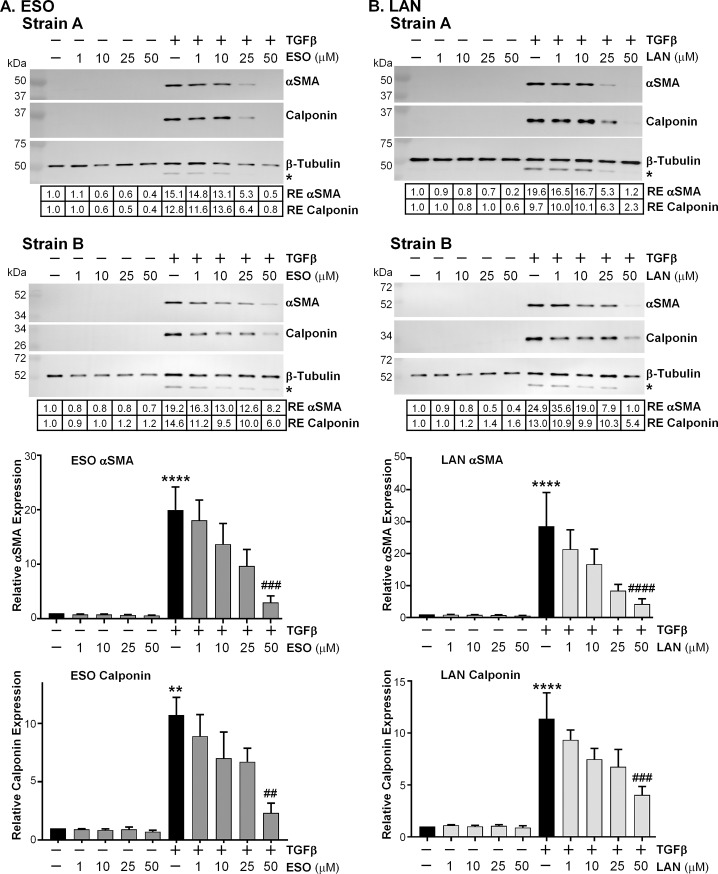
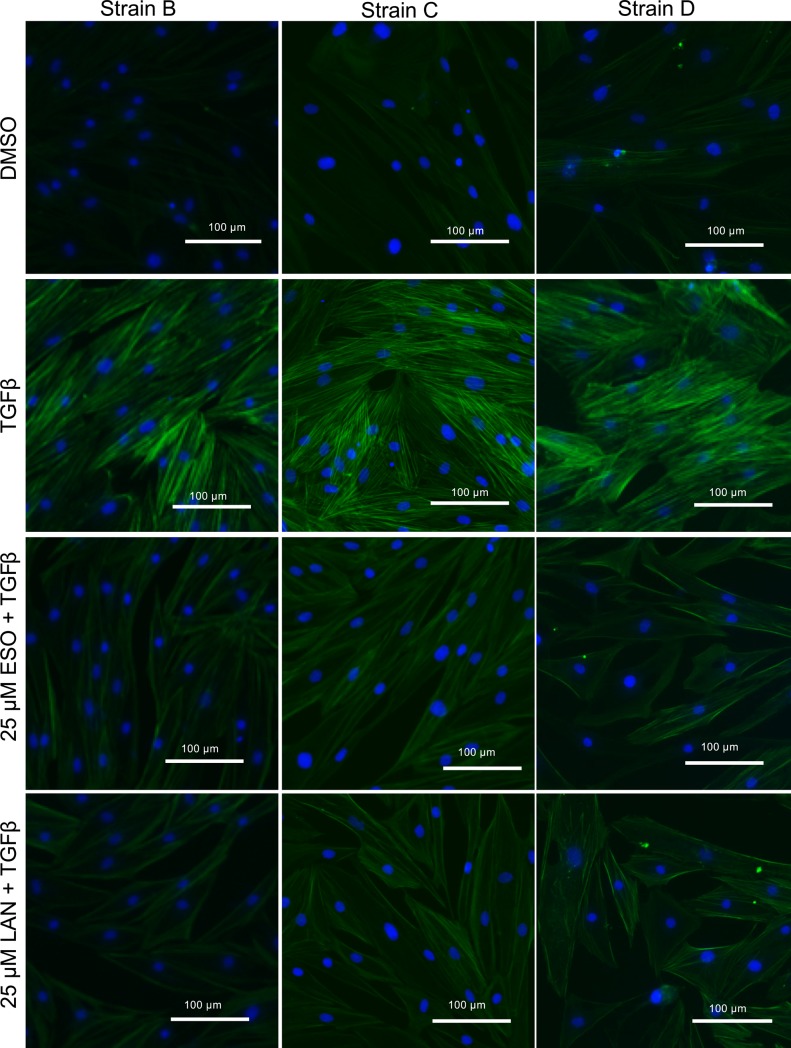
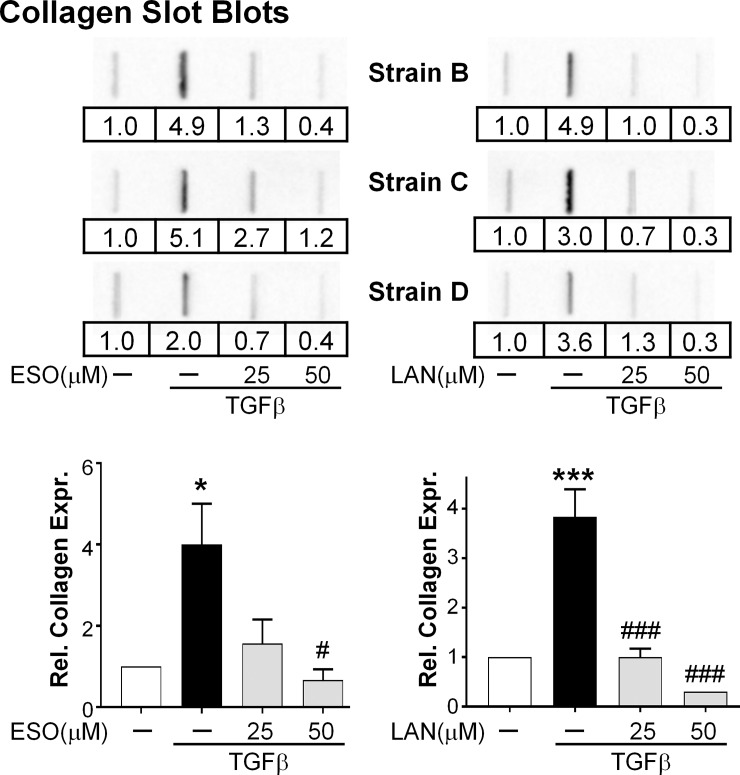
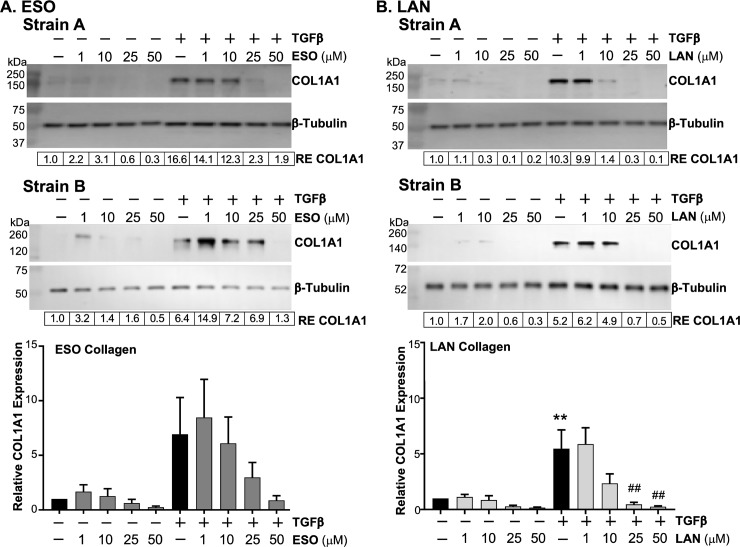
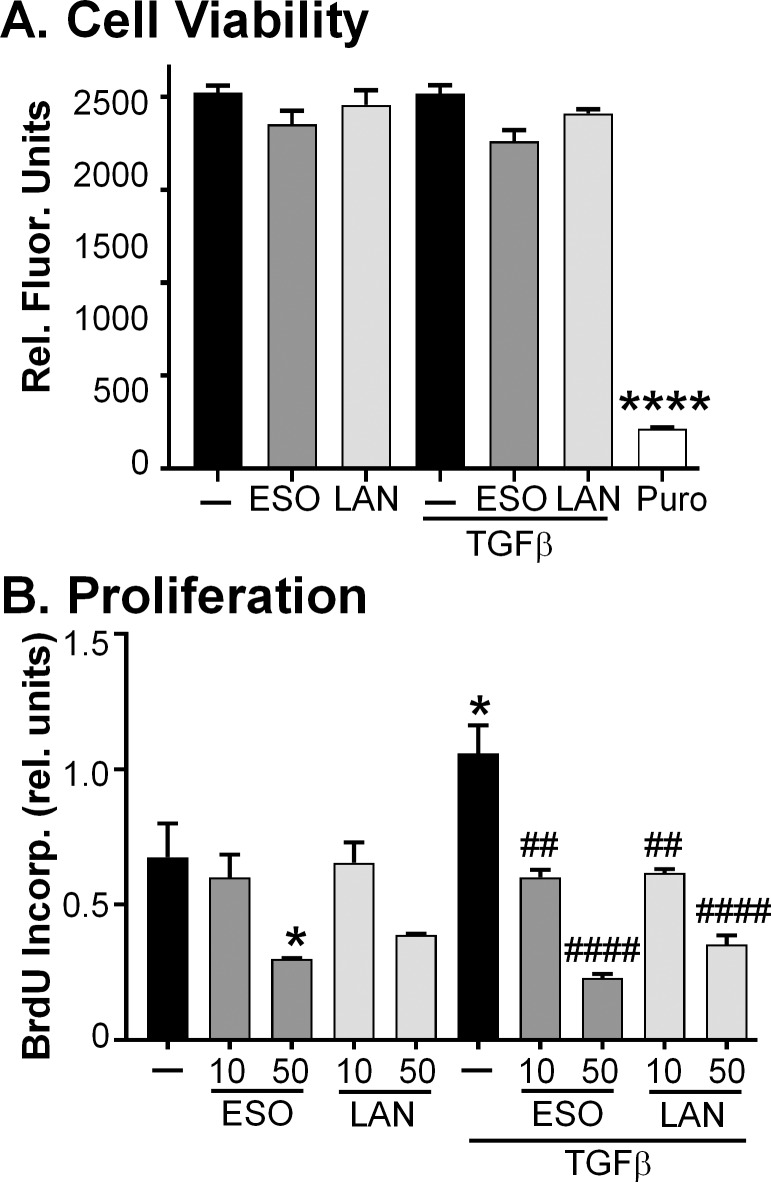
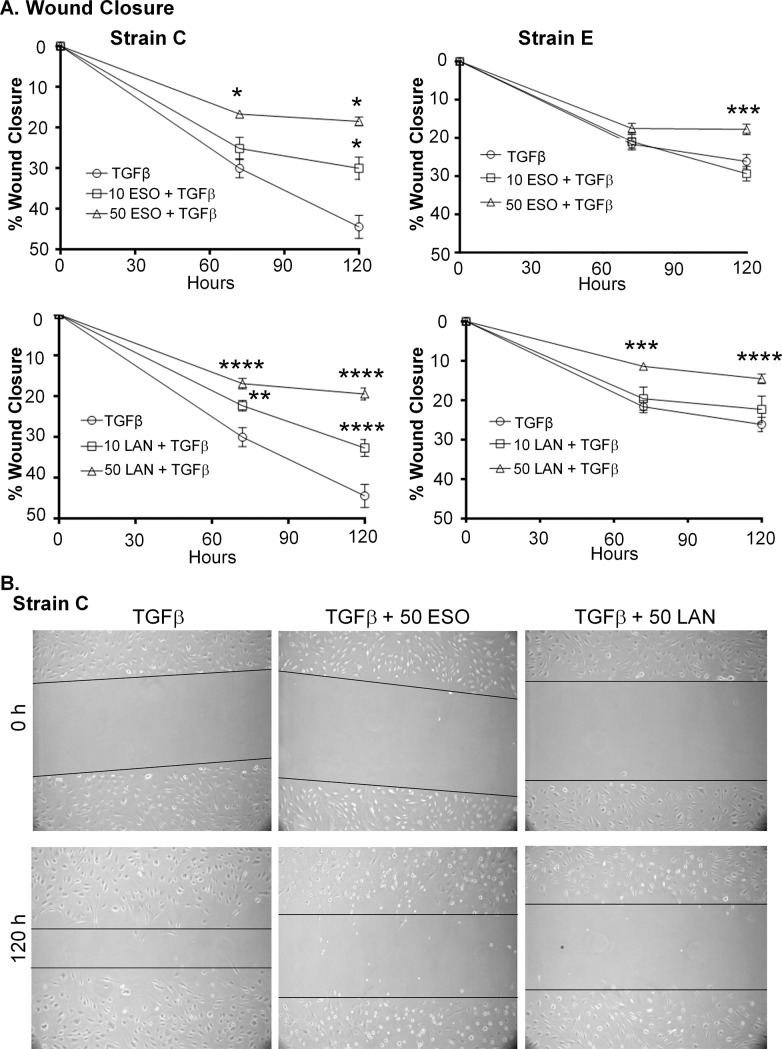
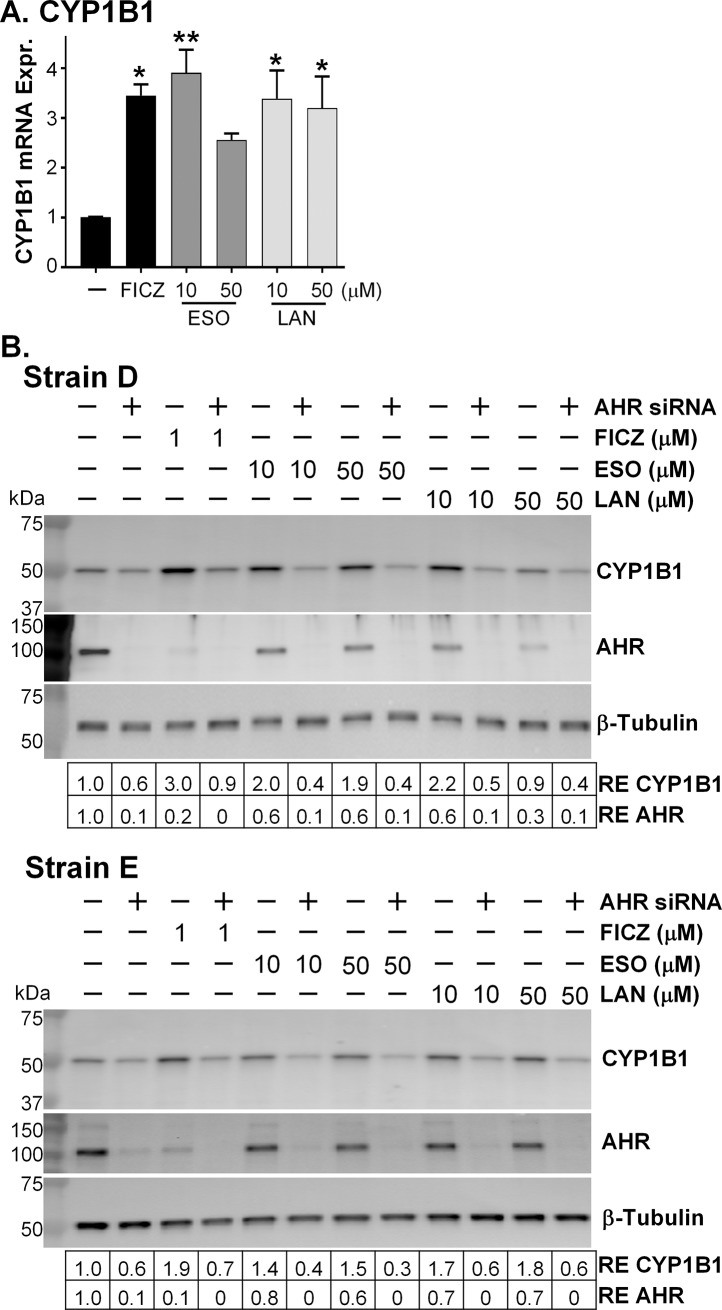
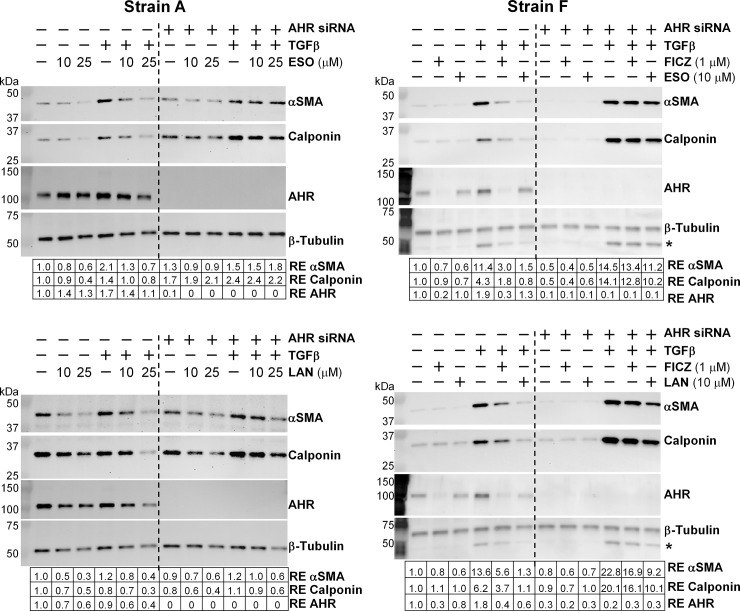
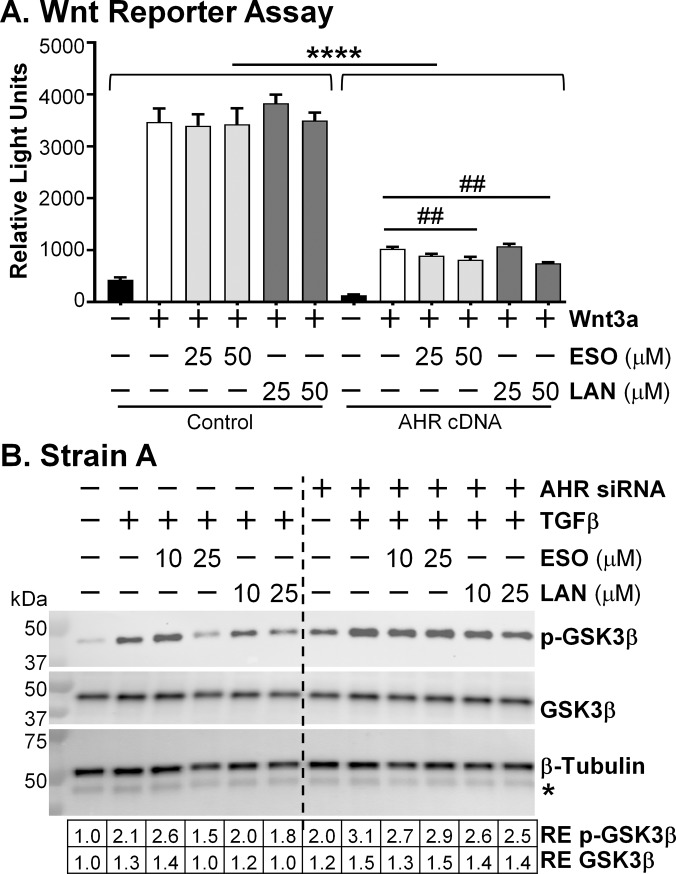
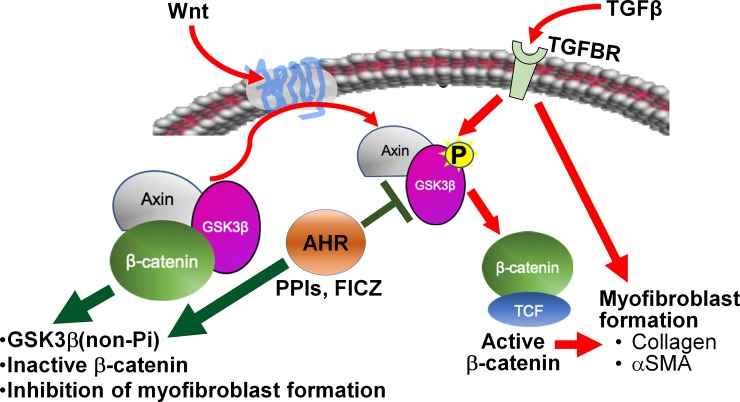
Thyroid eye disease (TED) can lead to scar formation and tissue remodeling in the orbital space. In severe cases, the scarring process leads to sight-threatening pathophysiology. There is no known effective way to prevent scar formation in TED patients, or to reverse scarring once it occurs. In this study, we show that the proton pump inhibitors (PPIs), esomeprazole and lansoprazole, can prevent transforming growth factor beta (TGFβ)-mediated differentiation of TED orbital fibroblasts to myofibroblasts, a critical step in scar formation. Both PPIs prevent TGFβ-induced increases in alpha-smooth muscle actin (αSMA), calponin, and collagen production and reduce TED orbital fibroblast cell proliferation and migration. Esomeprazole and lansoprazole exert these effects through an aryl hydrocarbon receptor (AHR)-dependent pathway that includes reducing β-catenin/Wnt signaling. We conclude that PPIs are potentially useful therapies for preventing or treating TED by reducing the myofibroblast accumulation that occurs in the disease.
Conflict of interest statement
The authors have declared that no competing interests exist.
Figures
References
-
- Schluter A, Horstmann M, Diaz-Cano S, Plohn S, Stahr K, Mattheis S, et al. Genetic immunization with mouse thyrotrophin hormone receptor plasmid breaks self-tolerance for a murine model of autoimmune thyroid disease and Graves' orbitopathy. Clin Exp Immunol. 2018;191(3):255–67. Epub 2017/10/24. 10.1111/cei.13075 - DOI - PMC - PubMed
Publication types
MeSH terms
Substances
Grants and funding
LinkOut - more resources
Full Text Sources
Research Materials
Miscellaneous
