


One week of continuous corticosterone exposure impairs hepatic metabolic flexibility, promotes islet β-cell proliferation, and reduces physical activity in male C57BL/6 J mice
- PMID: 31536768
- PMCID: PMC6939671
- DOI: 10.1016/j.jsbmb.2019.105468
One week of continuous corticosterone exposure impairs hepatic metabolic flexibility, promotes islet β-cell proliferation, and reduces physical activity in male C57BL/6 J mice
Abstract
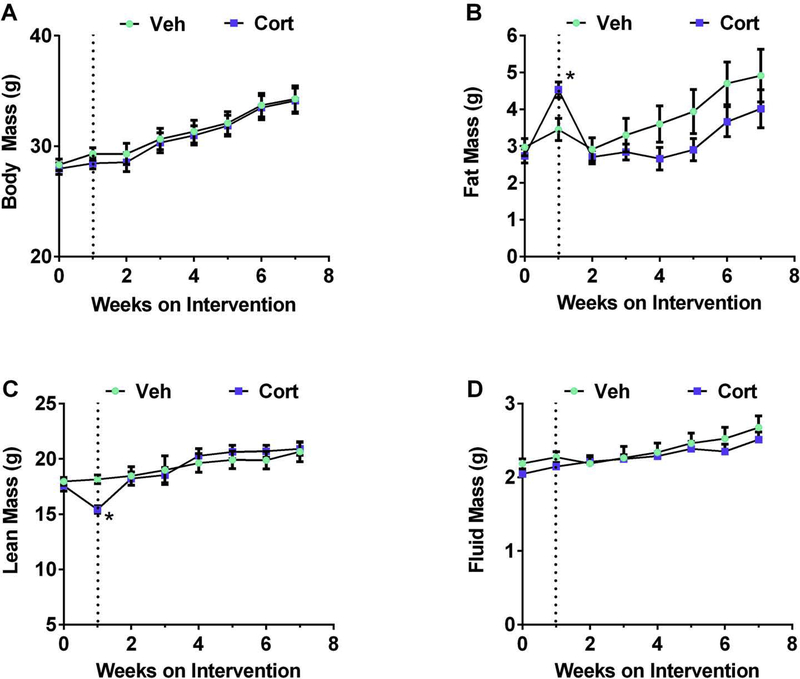
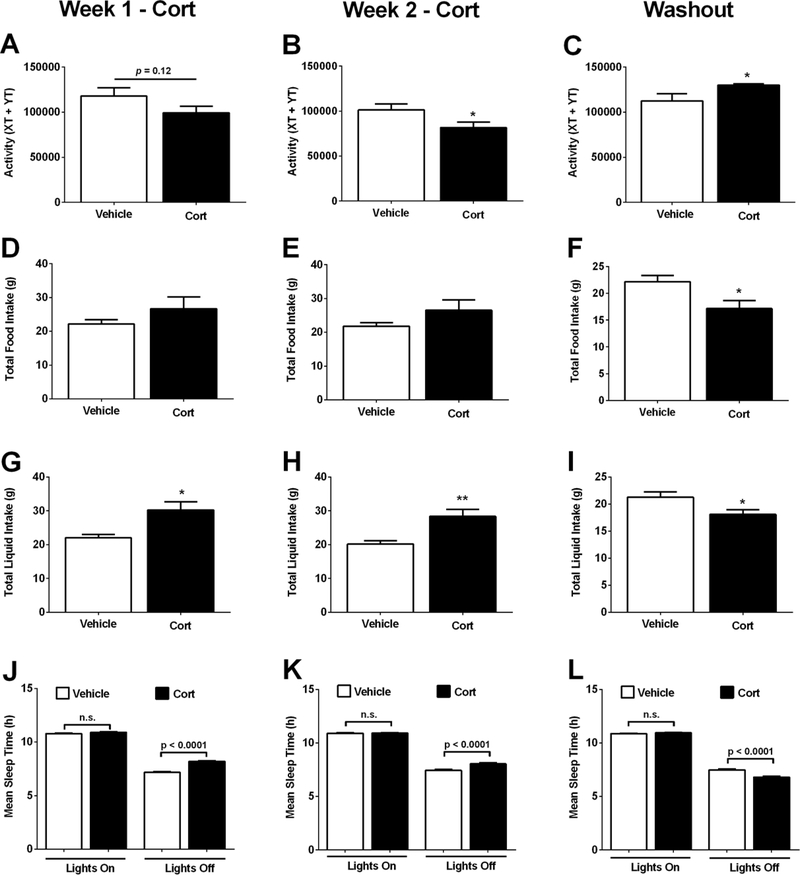
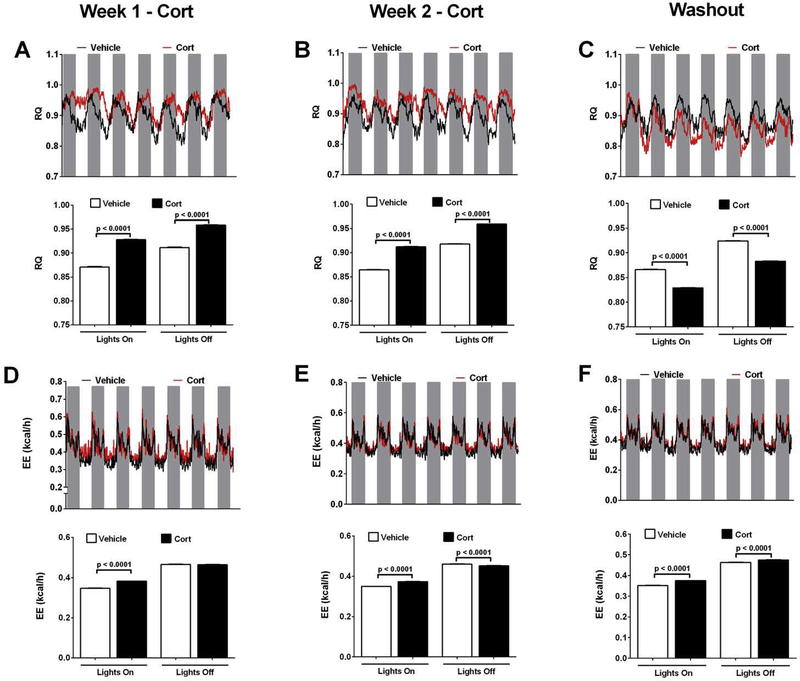
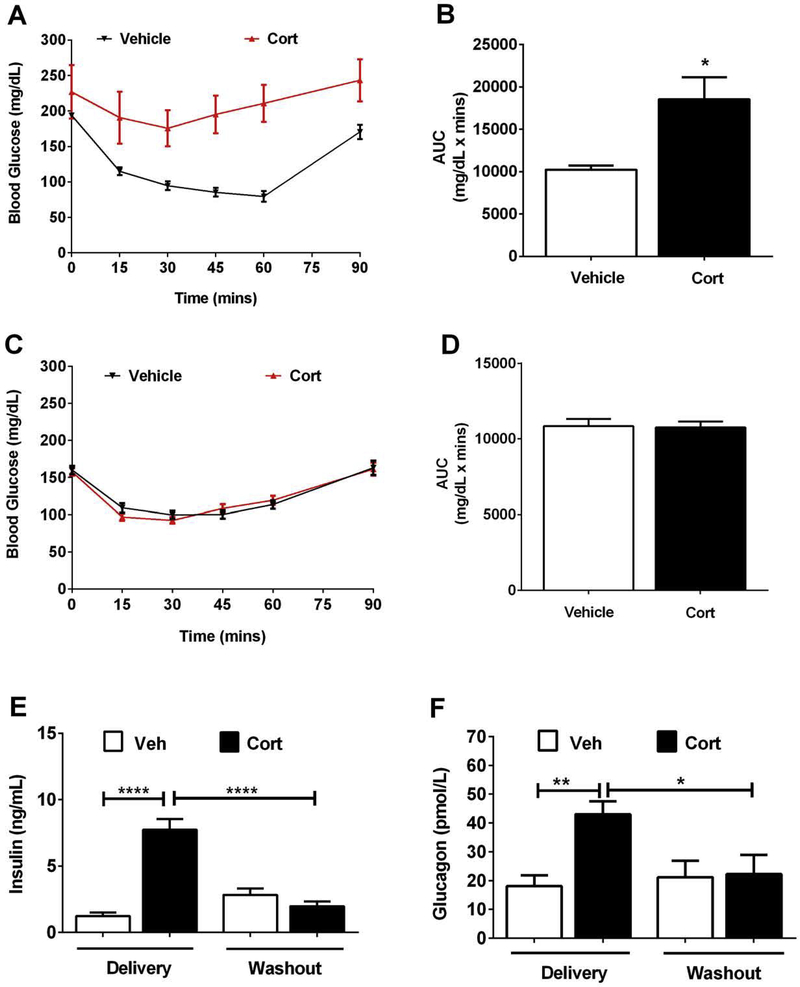
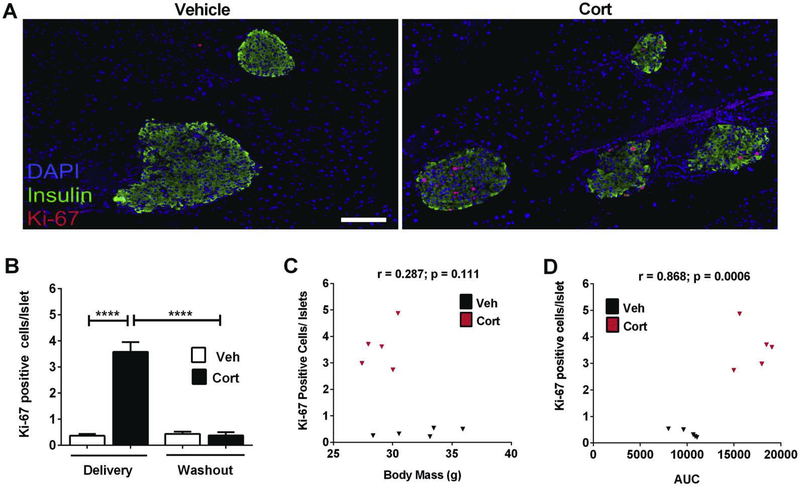
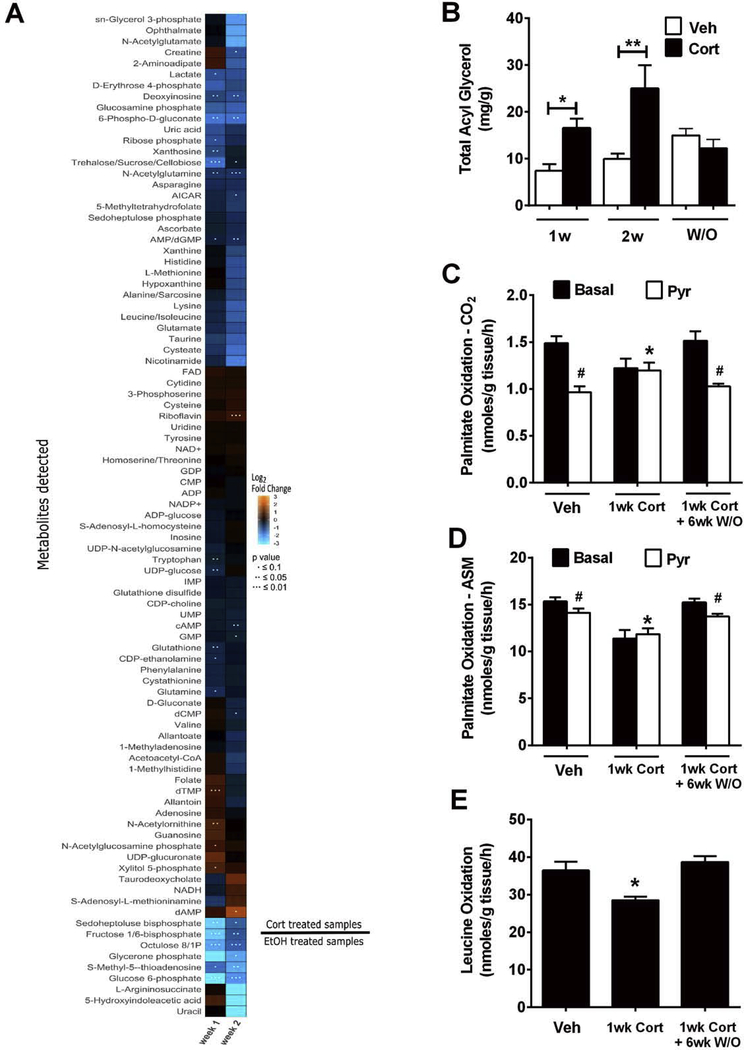
Clinical glucocorticoid use, and diseases that produce elevated circulating glucocorticoids, promote drastic changes in body composition and reduction in whole body insulin sensitivity. Because steroid-induced diabetes is the most common form of drug-induced hyperglycemia, we investigated mechanisms underlying the recognized phenotypes associated with glucocorticoid excess. Male C57BL/6 J mice were exposed to either 100ug/mL corticosterone (cort) or vehicle in their drinking water. Body composition measurements revealed an increase in fat mass with drastically reduced lean mass during the first week (i.e., seven days) of cort exposure. Relative to the vehicle control group, mice receiving cort had a significant reduction in insulin sensitivity (measured by insulin tolerance test) five days after drug intervention. The increase in insulin resistance significantly correlated with an increase in the number of Ki-67 positive β-cells. Moreover, the ability to switch between fuel sources in liver tissue homogenate substrate oxidation assays revealed reduced metabolic flexibility. Furthermore, metabolomics analyses revealed a decrease in liver glycolytic metabolites, suggesting reduced glucose utilization, a finding consistent with onset of systemic insulin resistance. Physical activity was reduced, while respiratory quotient was increased, in mice receiving corticosterone. The majority of metabolic changes were reversed upon cessation of the drug regimen. Collectively, we conclude that changes in body composition and tissue level substrate metabolism are key components influencing the reductions in whole body insulin sensitivity observed during glucocorticoid administration.
Keywords: Body composition; Glucocorticoid; Insulin resistance; Metabolic flexibility; Metabolomics.
Copyright © 2019 Elsevier Ltd. All rights reserved.
Figures
References
-
- Granner DK, Wang JC, Yamamoto KR, Regulatory Actions of Glucocorticoid Hormones: From Organisms to Mechanisms, Adv Exp Med Biol, 872 (2015) 3–31. - PubMed
-
- Ratman D, Vanden Berghe W, Dejager L, Libert C, Tavernier J, Beck IM, De Bosscher K, How glucocorticoid receptors modulate the activity of other transcription factors: a scope beyond tethering, Mol Cell Endocrinol, 380 (2013) 41–54. - PubMed
-
- Rhen T, Cidlowski JA, Antiinflammatory action of glucocorticoids--new mechanisms for old drugs, N Engl J Med, 353 (2005) 1711–1723. - PubMed
-
- Lin KT, Wang LH, New dimension of glucocorticoids in cancer treatment, Steroids, 111 (2016) 84–88. - PubMed
Publication types
MeSH terms
Substances
Grants and funding
LinkOut - more resources
Full Text Sources
Medical
