


Effect of Diosmin Administration in Patients with Chronic Venous Disorders on Selected Factors Affecting Angiogenesis
- PMID: 31547271
- PMCID: PMC6767141
- DOI: 10.3390/molecules24183316
Effect of Diosmin Administration in Patients with Chronic Venous Disorders on Selected Factors Affecting Angiogenesis
Abstract
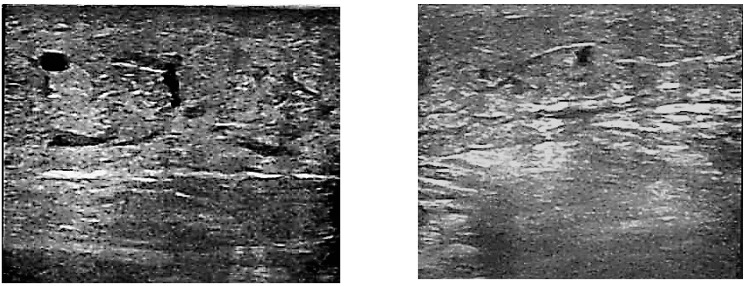
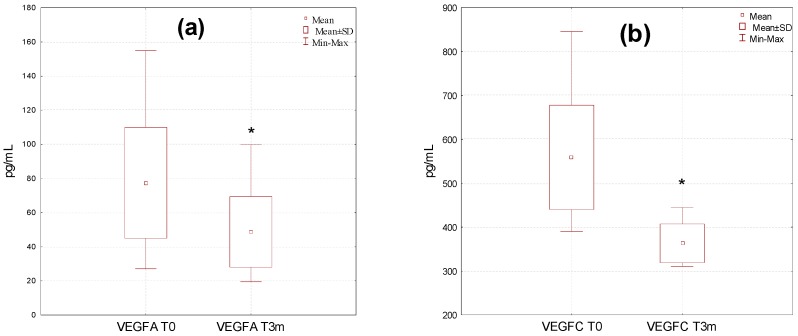
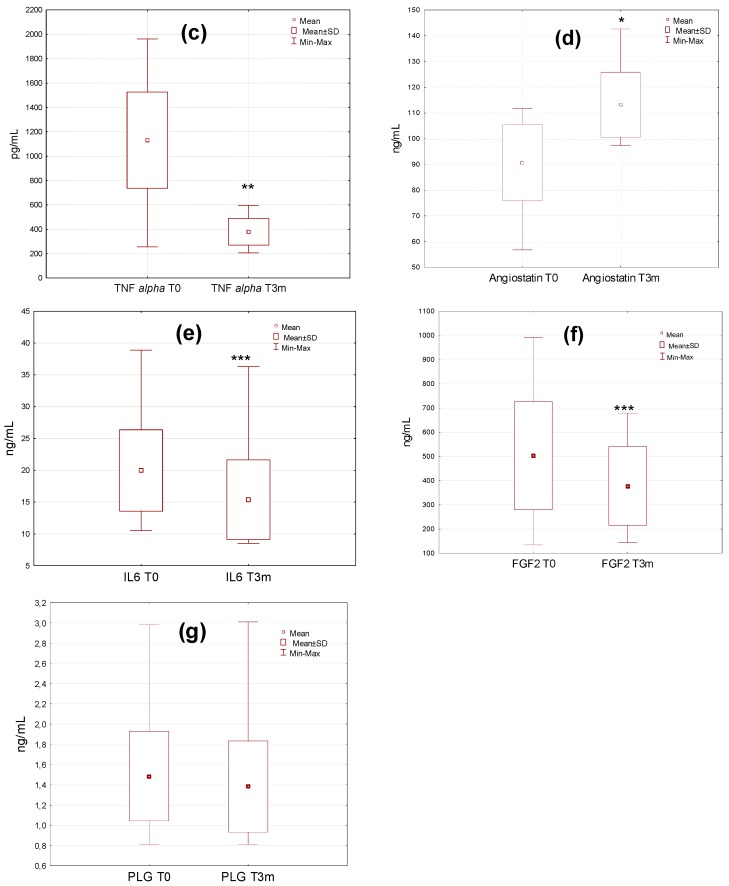
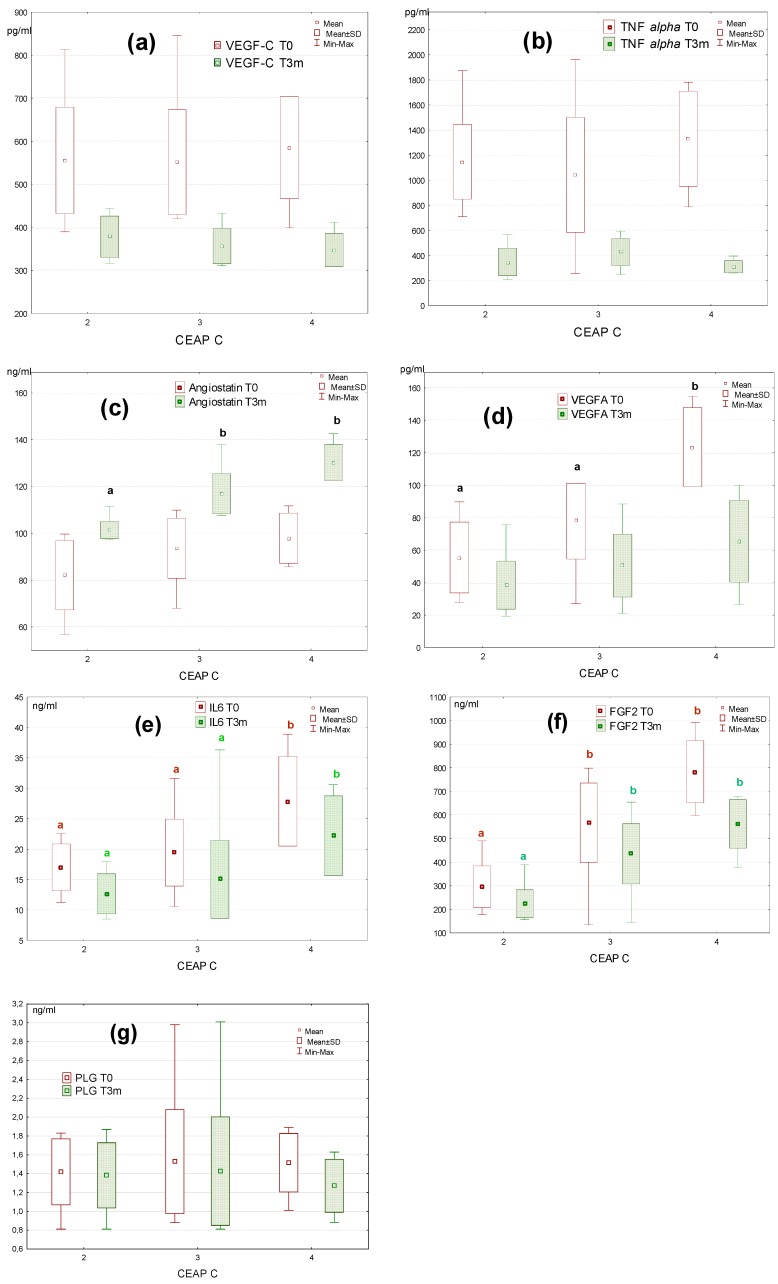
Diosmin is a natural compound with a wide range of biological activity, e.g., it improves lymphatic drainage, supports microcirculation, and increases venous tone, and venous elasticity, hence, it is applied in the pharmacotherapy of chronic venous disorders (CVD). The aim of this study was to assess the correlation between diosmin administration (2 × 600 mg daily) in patients suffering from CVD and the levels of selected factors influencing angiogenesis, which are involved in CVD pathophysiology. Thirty-five CVD patients were examined. Levels of plasma tumor necrosis factor alpha (TNF alpha), vascular endothelial growth factor (VEGF-A and VEGF-C); angiostatin, interleukin 6 (IL-6), fibroblast growth factor 2 (FGF2); and plasminogen (PLG) were measured with an Elisa assay before and after three months of diosmin administration. The clinical symptoms of CVD were monitored using ultrasound images, echo Doppler assay, visual analogue scale (VAS), and measurement of the leg circumference. The average content of TNF alpha, VEGF-C, VEGF-A IL-6, and FGF2 decreased after the therapy with diosmin in a significant manner; with p < 0.001, p < 0.05, p < 0.05, p < 0.01, and p < 0.01, respectively, and a significant (p < 0.05) increase in the plasma angiostatin level after the three-month treatment was found. A significant (p < 0.05) decrease in edema and the average leg circumference of the patients was observed after the therapy. Diosmin influences the angiogenic and inflammatory mechanisms involved in the pathophysiology of edema presented in patients with a different class of CVD.
Keywords: angiostatin; chronic venous disorders; diosmin; fibroblast growth factor 2; interleukin 6; plasminogen; tumor necrosis factor alpha; vascular endothelial growth factor.
Conflict of interest statement
The authors declare no conflicts of interest.
Figures
References
-
- Batchvarov I.V., Batselova M.G., Damyanov I.I. One-year diosmin therapy (600 mg) in patients with chronic venous insufficiency—Results and analysis. J. Biomed. Clin. Res. 2010;3:51–54.
-
- Tong N., Zhang Z., Zhang W., Qiu Y., Gong Y., Yin L., Qiu Q., Wu X. Diosmin Alleviates Retinal Edema by Protecting the Blood-Retinal Barrier and Reducing Retinal Vascular Permeability during Ischemia/Reperfusion Injury. PLoS ONE. 2013;8:e61794. doi: 10.1371/journal.pone.0061794. - DOI - PMC - PubMed
Publication types
MeSH terms
Substances
LinkOut - more resources
Full Text Sources
Medical
Miscellaneous
