Review
. 2019 Oct;25(10):1477-1487.
doi: 10.1038/s41591-019-0581-5. Epub 2019 Sep 23.

A framework for the investigation of rare genetic disorders in neuropsychiatry

Affiliations
Review

A framework for the investigation of rare genetic disorders in neuropsychiatry

Stephan J Sanders et al. Nat Med. 2019 Oct.

Abstract

De novo and inherited rare genetic disorders (RGDs) are a major cause of human morbidity, frequently involving neuropsychiatric symptoms. Recent advances in genomic technologies and data sharing have revolutionized the identification and diagnosis of RGDs, presenting an opportunity to elucidate the mechanisms underlying neuropsychiatric disorders by investigating the pathophysiology of high-penetrance genetic risk factors. Here we seek out the best path forward for achieving these goals. We think future research will require consistent approaches across multiple RGDs and developmental stages, involving both the characterization of shared neuropsychiatric dimensions in humans and the identification of neurobiological commonalities in model systems. A coordinated and concerted effort across patients, families, researchers, clinicians and institutions, including rapid and broad sharing of data, is now needed to translate these discoveries into urgently needed therapies.


Conflict of interest statement

Competing interests

The authors declare no competing interests.

Figures

Extended Data Fig. 1 |
Extended Data Fig. 1 |. Impact of RGDs on neuropsychiatric domains.
a, Many RGDs impact cognition, measured by IQ. For CNVs, the decrease in IQ (x axis) can be predicted by considering the pLI score of the genes within the CNV. CNVs that are predicted to markedly reduce IQ are more likely to be de novo (y axis), based on logistic regression (blue line) of 2,743 CNVs detected in patients with neurodevelopmental disorders and the general population (gray distributions at top and bottom). Updated analysis from ref. . b, In Fig. 2, we show the odds ratio for ID/NDD, ASD and SCZ across different CNV loci. Here, we show an equivalent plot for single-gene RGDs. Insufficient control data exist to estimate odds ratio, and therefore we show the percentage of cases with ID/NDD, ASD, and IE based on curated publication review applied equally across genes (https://dbd.geisingeradmi.org) with the number of cases are shown in parentheses (see Supplementary Table 2 for numbers). Abbreviations: ID, intellectual disability; NDD, neurodevelopmental delay; ASD, autism spectrum disorder; SCZ, schizophrenia; IE, infantile epilepsy; pLI, probability loss-of-function intolerant.
Extended Data Fig. 2 |
Extended Data Fig. 2 |. Thresholds for genome-wide significant association with de novo PTVs.
a, Gene mutability is a function of gene length (cDNA) and sequence context (particularly GC content). b, RGD gene discovery from exome sequencing has been driven by de novo mutations, leading to a bias towards larger genes with higher mutability. c, Thresholds of statistical association (colored lines) are estimated for a given number of de novo PTV mutations (3, 5, 10, and 20) as cohort size (x axis) and gene mutability/size (y axis) varies. P values are estimated based on the rate of de novo PTV mutations in controls and a Poisson distribution (see Methods for details). Abbreviations: pLI, probability of loss-of-function intolerance; ASD, autism spectrum disorder; DDD: Deciphering Developmental Disorders; GC content, guanine-cytosine content.
Fig. 1 |
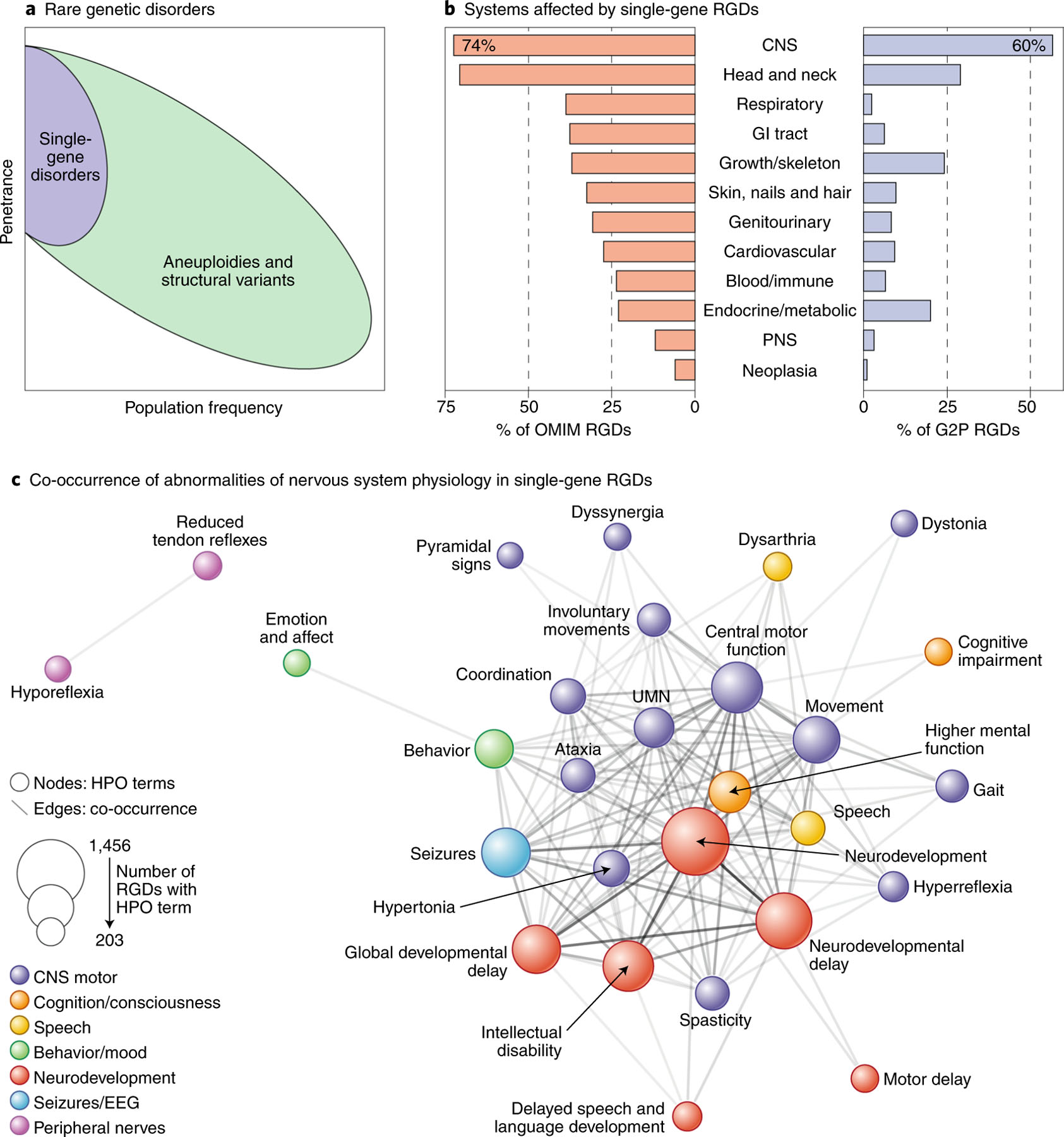
Fig. 1 |. Overview of rare genetic disorders (RGDs).
a, RGDs may be caused by variants that affect one gene (purple) or many genes (green). Many aneuploidies and structural variants arise spontaneously at higher rates than single-gene disorders, leading to comparatively high population frequencies for a given penetrance,. b, The CNS is involved in the majority of single-gene RGDs. c, Single-gene RGDs frequently affect multiple neuropsychiatric domains, as shown by extensive co-occurrence of Human Phenotype Ontology terms (Supplementary Table 1). Terms that co-occur in at least 200 RGDs are shown as nodes (colored circles, size determined by the number of RGDs), with edge weight (gray lines) determined by the degree of co-occurrence of a term between RGDs (203–1,114). Network layout is based on the Compound Spring Embedder algorithm. OMIM, Online Mendelian Inheritance in Man; G2P, Gene2Phenotype; HPO, Human Phenotype Ontology; CNS, central nervous system; PNS, peripheral nervous system; UMN, upper motor neuron. Credit: Debbie Maizels/Springer Nature.
Fig. 2 |
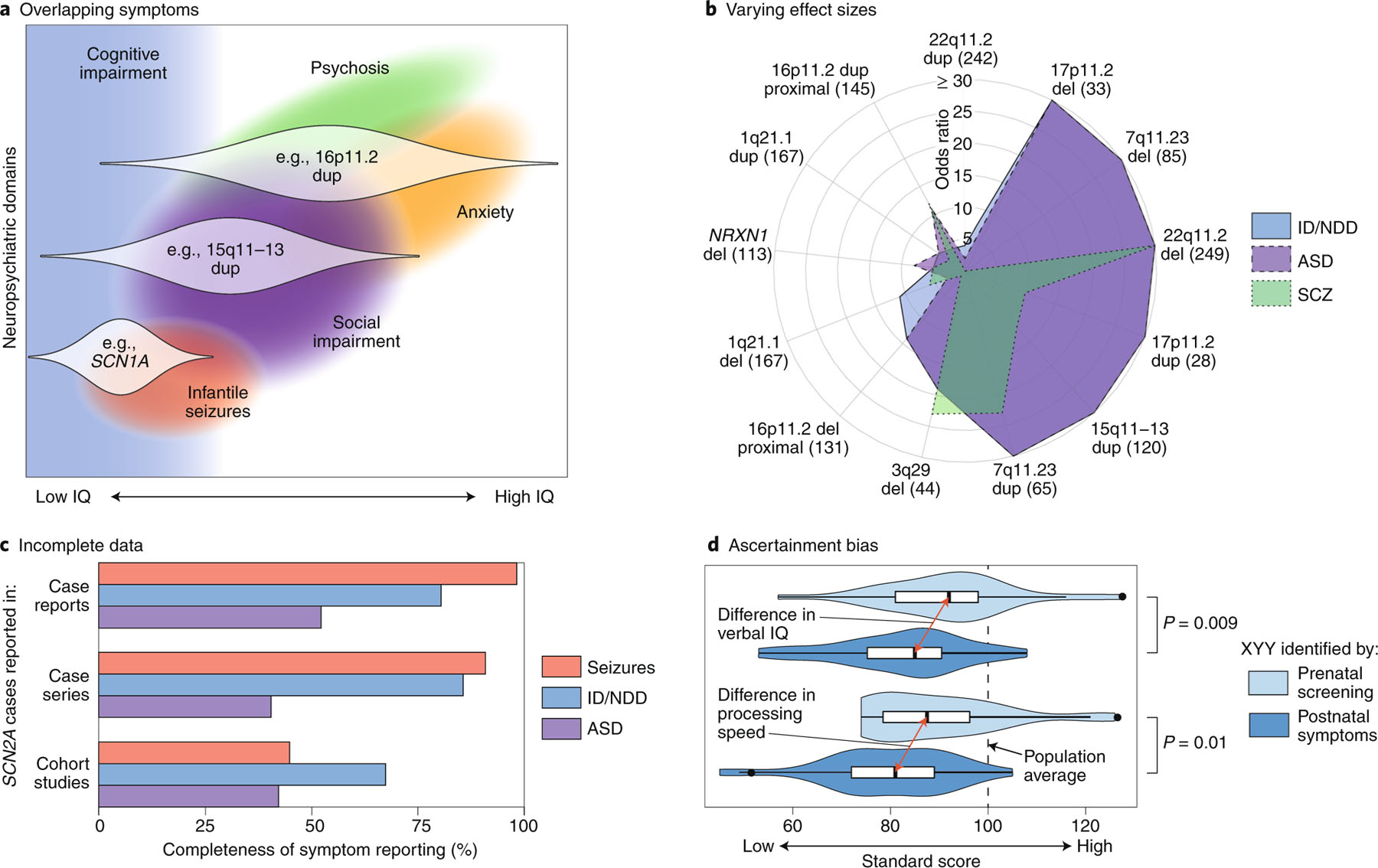
Fig. 2 |. Cross-domain impact of RGDs and limitations of current evidence.
a, A theoretical model of how three RGDs (16p11.2 dup, 15q11–13 dup and SCN1A) impact multiple neuropsychiatric domains across different individuals (distribution across affected individuals shown as white violin plots),,. b, A polar plot showing the varying effect sizes (odds ratios) of different CNVs on the diagnosis of ID/NDD, ASD and SCZ (Supplementary Table 2, Extended Data Fig. 1). The number of CNV cases are shown in parentheses,,,–; the UK Biobank was used for controls. c, The completeness of symptom reporting for SCN2A mutations varies widely between publications. Case reports describe a single SCN2A mutation in one case or family; case series describe multiple SCN2A cases; cohort studies describe hundreds of cases with the same disorder (for example, ID/NDD), some of which are found to have SCN2A mutations. This reporting bias, which is likely to be present for most RGDs, complicates comparisons across neuropsychiatric domains and between RGDs. d, The severity of symptoms in XYY aneuploidy varies between cases ascertained by prenatal screening (light blue) and those ascertained on the basis of clinical symptoms (dark blue). This ascertainment bias, which is also likely to be present for most RGDs, also complicates cross-disorder comparisons and potentially inflates estimates of effect size and penetrance. ID, intellectual disability; NDD, neurodevelopmental delay; ASD, autism spectrum disorder; SCZ, schizophrenia; IE: infantile epilepsy; CNV, copy-number variant. Credit: Debbie Maizels/Springer Nature.
Fig. 3 |
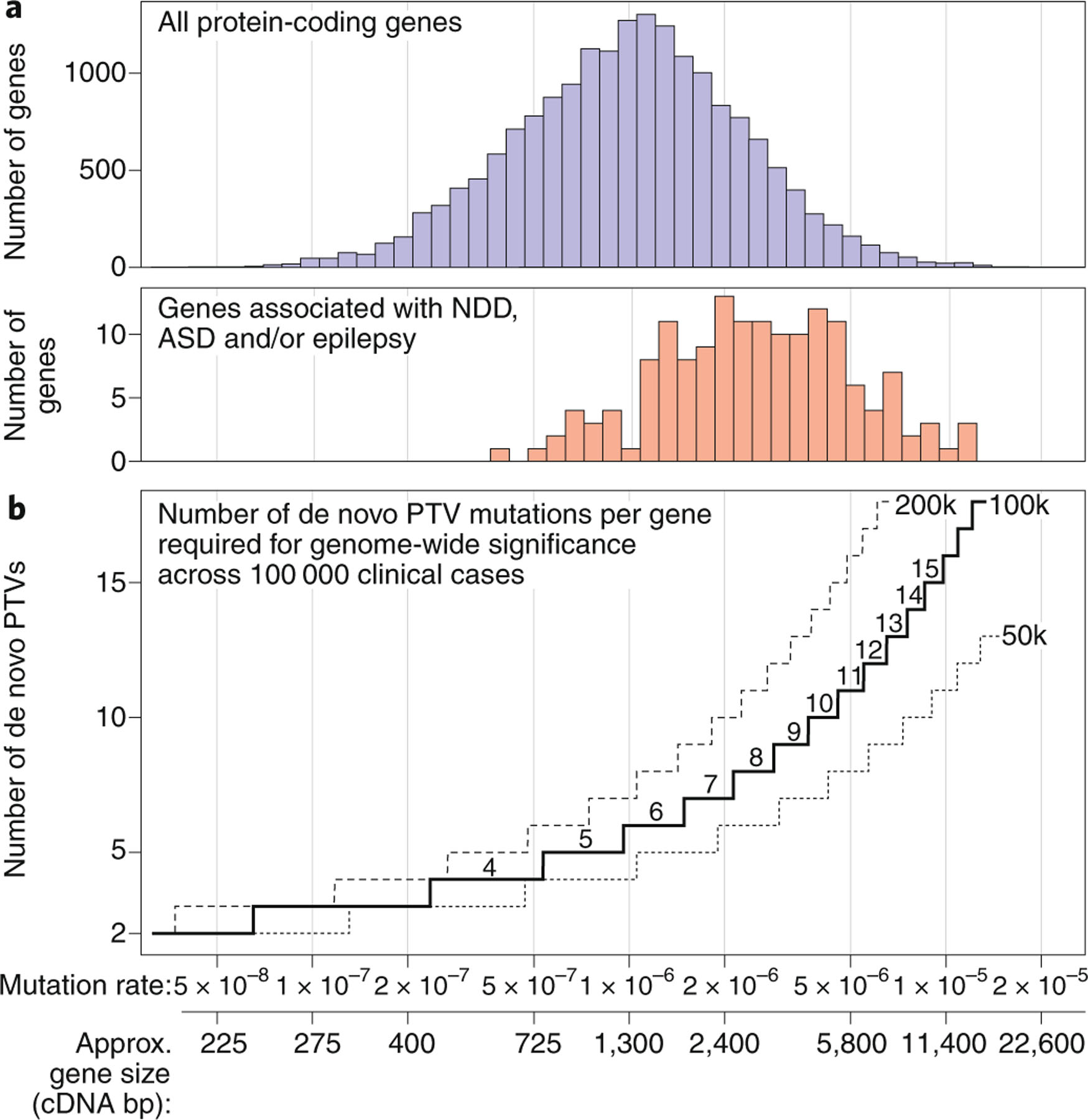
Fig. 3 |. Thresholds for genome-wide significant association.
a, Mutation rates vary across genes based primarily on gene size (cDNA) but also on sequence (for example, GC content),. Genes associated with neurodevelopmental delay, ASD and/or epilepsy to date tend to be large, with higher mutation rates,,. b, Tens of thousands of individuals with neuropsychiatric disorders have been sequenced to date. To estimate the number of independent de novo protein-truncating variants (PTVs) across multiple case reports that are required for reliable association of a gene with a neuropsychiatric disorder, we used a Poisson distribution. Expected mutation rates in 50,000, 100,000 and 200,000 individuals are estimated from controls across the range of gene sizes (see Supplementary Methods and Extended Data Fig. 2),. ASD, autism spectrum disorder; NDD, neurodevelopmental delay; GC, guanine-cytosine. Credit: Debbie Maizels/Springer Nature.
Fig. 4 |
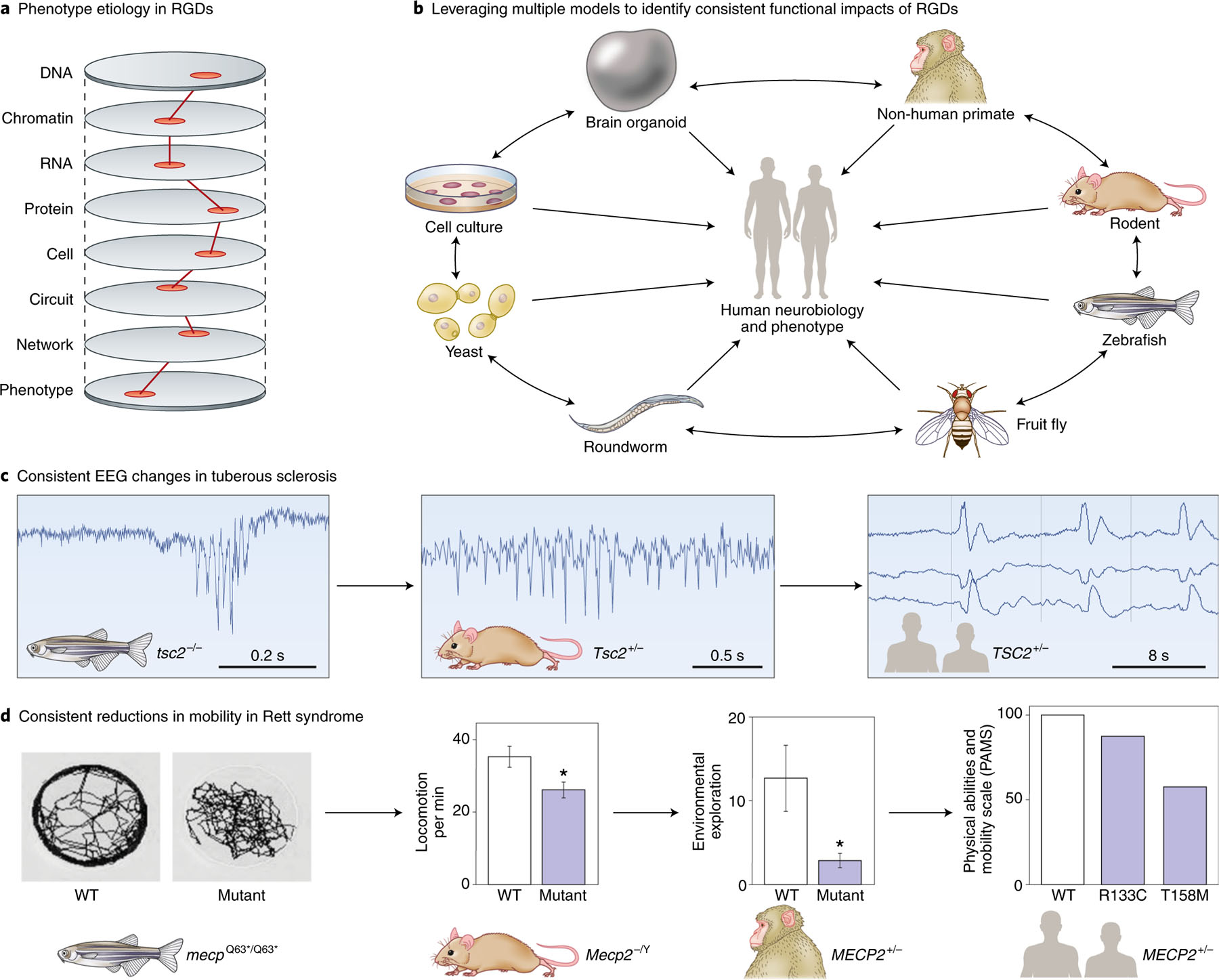
Fig. 4 |. Functional assays across disorders and models.
a, To understand the etiology of neuropsychiatric disorders, we need to identify the minimal ‘causal path’ by which the effects of the RGD lead to the phenotype, as shown by the hypothetical red line. Future therapeutics or biomarkers would be expected to interact with this causal path. b, No model experimental system perfectly recapitulates the human brain. By performing similar assays across multiple models, we can identify consistent consequences of RGDs, while leveraging the strengths of each model. These need to be related back to humans through similar assays or testing model predictions. c, Seizure activity is consistently observed in models of tuberous sclerosis (TSC2), though a homozygote model is used in zebrafish. d, Mobility is consistently reduced in models of Rett syndrome (MECP2); as with TSC2, the specific genetic lesion assessed varies between models. Credit: Debbie Maizels/Springer Nature.

References

    1. US Food and Drug Administration. Orphan Drug Act. (1983).
    1. Loane M. et al. Twenty-year trends in the prevalence of Down syndrome and other trisomies in Europe: impact of maternal age and prenatal screening. Eur. J. Hum. Genet. 21, 27–33 (2013). - PMC - PubMed
    1. McKusick-Nathans Institute of Genetic Medicine. Online Mendelian Inheritance in Man, OMIM® (Johns Hopkins University, Baltimore, MD, USA: ) https://omim.org/ (accessed 28 April 2018).
    1. McRae JF et al. Prevalence and architecture of de novo mutations in developmental disorders. Nature 542, 433–438 (2017). - PMC - PubMed
    1. Sanders SJ et al. Insights into autism spectrum disorder genomic architecture and biology from 71 risk loci. Neuron 87, 1215–1233 (2015). - PMC - PubMed

Publication types