Blast injuries in children: a mixed-methods narrative review
- PMID: 31548997
- PMCID: PMC6733323
- DOI: 10.1136/bmjpo-2019-000452
Blast injuries in children: a mixed-methods narrative review
Abstract
Background and significance: Blast injuries arising from high explosive weaponry is common in conflict areas. While blast injury characteristics are well recognised in the adults, there is a lack of consensus as to whether these characteristics translate to the paediatric population. Understanding blast injury patterns in this cohort is essential for providing appropriate provision of services and care for this vulnerable cohort.
Methods: In this mixed-methods review, original papers were screened for data pertaining to paediatric injuries following blasts. Information on demographics, morbidity and mortality, and service requirements were evaluated. The papers were written and published in English from a range of international specialists in the field.
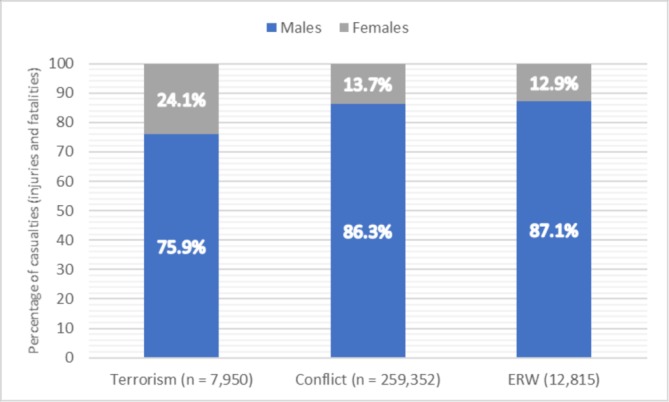
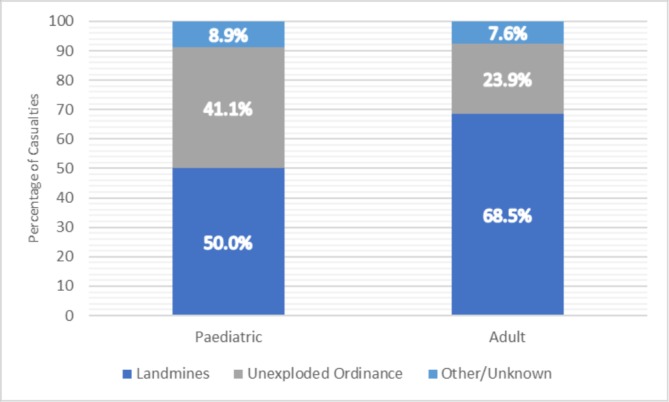
Results: Children affected by blast injuries are predominantly male and their injuries arise from explosive remnants of war, particularly unexploded ordinance. Blasts show increased morbidity and mortality in younger children, while older children have injury patterns similar to adults. Head and burn injuries represent a significant cause of mortality in young children, while lower limb morbidity is reduced compared with adults. Children have a disproportionate requirement for both operative and non-operative service resources, and provisions for this burden are essential.
Conclusions: Certain characteristics of paediatric injuries arising from blasts are distinct from that of the adult cohort, while the intensive demands on services highlight the importance of understanding the diverse injury patterns in order to optimise future service provisions in caring for this child blast survivor.
Keywords: blast; conflict; outcomes; paediatric; trauma.
Conflict of interest statement
Competing interests: None declared.
Figures

References
-
- UNICEF United Nations Convention on the Rights of the Child [Internet], 1989. Available: https://downloads.unicef.org.uk/wp-content/uploads/2010/05/UNCRC_united_... [Accessed 1 Sep 2017].
Publication types
LinkOut - more resources
Full Text Sources
Research Materials