


Detection of pandemic influenza A/H1N1/pdm09 virus among pigs but not in humans in slaughterhouses in Kenya, 2013-2014
- PMID: 31551085
- PMCID: PMC6760099
- DOI: 10.1186/s13104-019-4667-4
Detection of pandemic influenza A/H1N1/pdm09 virus among pigs but not in humans in slaughterhouses in Kenya, 2013-2014
Abstract
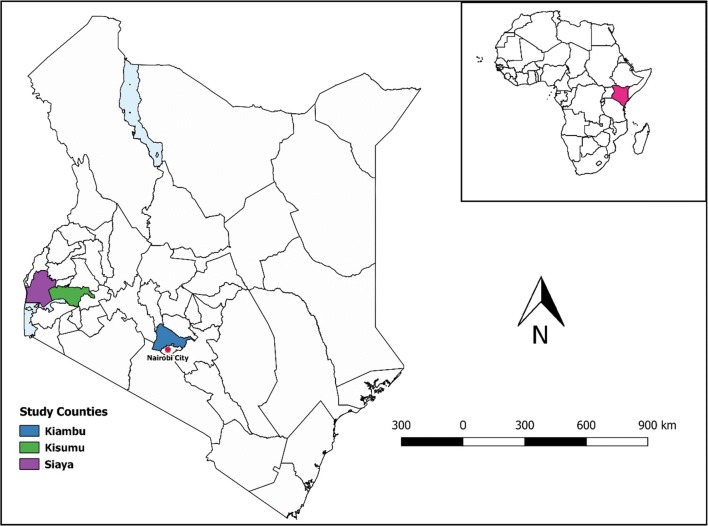
Objective: We conducted four cross-sectional studies over 1 year among humans and pigs in three slaughterhouses in Central and Western Kenya (> 350 km apart) to determine infection and exposure to influenza A viruses. Nasopharyngeal (NP) and oropharyngeal (OP) swabs were collected from participants who reported acute respiratory illness (ARI) defined as fever, cough or running nose. Nasal swabs and blood samples were collected from pigs. Human NP/OP and pig nasal swabs were tested for influenza A virus by real-time reverse transcriptase polymerase chain reaction (PCR) and pig serum was tested for anti-influenza A antibodies by ELISA.
Results: A total of 288 participants were sampled, 91.3% of them being male. Fifteen (5.2%) participants had ARI but the nine swabs collected from them were negative for influenza A virus by PCR. Of the 1128 pigs sampled, five (0.4%) nasal swabs tested positive for influenza A/H1N1/pdm09 by PCR whereas 214 of 1082 (19.8%) serum samples tested for Influenza A virus antibodies. There was higher seroprevalence in colder months and among pigs reared as free-range. These findings indicate circulation of influenza A/H1N1/pdm09 among pigs perhaps associated with good adaptation of the virus to the pig population after initial transmission from humans to pigs.
Keywords: Human; Influenza A virus; Surveillance; Swine.
Conflict of interest statement
The authors declare that they have no competing interests.
Figures
References
MeSH terms
Substances
Grants and funding
LinkOut - more resources
Full Text Sources
Medical
Miscellaneous
