. 2019 Jun:42:291-473.
doi: 10.3767/persoonia.2019.42.11. Epub 2019 Jul 19.

Fungal Planet description sheets: 868-950

P W Crous  1   2 A J Carnegie  3 M J Wingfield  2 R Sharma  4 G Mughini  5 M E Noordeloos  6 A Santini  7 Y S Shouche  4 J D P Bezerra  8 B Dima  9 V Guarnaccia  10 I Imrefi  9 Ž Jurjević  11 D G Knapp  9 G M Kovács  9 D Magistà  12 G Perrone  12 T Rämä  13 Y A Rebriev  14 R G Shivas  15 S M Singh  16   17 C M Souza-Motta  8 R Thangavel  18 N N Adhapure  19 A V Alexandrova  20   21 A C Alfenas  22 R F Alfenas  23 P Alvarado  24 A L Alves  8 D A Andrade  25 J P Andrade  26 R N Barbosa  8 A Barili  27 C W Barnes  27 I G Baseia  28 J-M Bellanger  29 C Berlanas  30 A E Bessette  31 A R Bessette  31 A Yu Biketova  32 F S Bomfim  8 T E Brandrud  33 K Bransgrove  34 A C Q Brito  8 J F Cano-Lira  35 T Cantillo  36 A D Cavalcanti  8 R Cheewangkoon  37 R S Chikowski  8 C Conforto  38 T R L Cordeiro  8 J D Craine  39 R Cruz  8 U Damm  40 R J V de Oliveira  41 J T de Souza  42 H G de Souza  43 J D W Dearnaley  15 R A Dimitrov  44 F Dovana  45 A Erhard  11 F Esteve-Raventós  46 C R Félix  25 G Ferisin  47 R A Fernandes  48 R J Ferreira  8 L O Ferro  8 C N Figueiredo  43 J L Frank  49 K T L S Freire  8 D García  35 J Gené  35 A Gêsiorska  50 T B Gibertoni  8 R A G Gondra  51 D E Gouliamova  52 D Gramaje  30 F Guard  53 L F P Gusmão  36 S Haitook  37 Y Hirooka  54 J Houbraken  1 V Hubka  55   56 A Inamdar  19 T Iturriaga  57   58 I Iturrieta-González  35 M Jadan  59 N Jiang  60 A Justo  61 A V Kachalkin  62   63 V I Kapitonov  64 M Karadelev  65 J Karakehian  66 T Kasuya  67 I Kautmanová  68 J Kruse  15 I Kušan  59 T A Kuznetsova  69 M F Landell  25 K-H Larsson  70 H B Lee  71 D X Lima  8 C R S Lira  8 A R Machado  8 H Madrid  72 O M C Magalhães  8 H Majerova  73 E F Malysheva  74 R R Mapperson  15 P A S Marbach  43 M P Martín  75 A Martín-Sanz  76 N Matočec  59 A R McTaggart  77 J F Mello  8 R F R Melo  8 A Mešić  59 S J Michereff  78 A N Miller  57 A Minoshima  54 L Molinero-Ruiz  79 O V Morozova  74 D Mosoh  4 M Nabe  80 R Naik  16 K Nara  81 S S Nascimento  8 R P Neves  8 I Olariaga  82 R L Oliveira  83 T G L Oliveira  8 T Ono  84 M E Ordoñez  27 A de M Ottoni  8 L M Paiva  8 F Pancorbo  85 B Pant  86 J Pawłowska  50 S W Peterson  87 D B Raudabaugh  57 E Rodríguez-Andrade  35 E Rubio  88 K Rusevska  65 A L C M A Santiago  8 A C S Santos  8 C Santos  89 N A Sazanova  90 S Shah  86 J Sharma  91 B D B Silva  92 J L Siquier  93 M S Sonawane  4 A M Stchigel  35 T Svetasheva  94 N Tamakeaw  37 M T Telleria  75 P V Tiago  8 C M Tian  60 Z Tkalčec  59 M A Tomashevskaya  63 H H Truong  54 M V Vecherskii  69 C M Visagie  2   95 A Vizzini  45 N Yilmaz  2 I V Zmitrovich  74 E A Zvyagina  96 T Boekhout  1   97 T Kehlet  98 T Læssøe  98 J Z Groenewald  1
Affiliations

Fungal Planet description sheets: 868-950

P W Crous et al. Persoonia. 2019 Jun.

Abstract

Novel species of fungi described in this study include those from various countries as follows: Australia, Chaetomella pseudocircinoseta and Coniella pseudodiospyri on Eucalyptus microcorys leaves, Cladophialophora eucalypti, Teratosphaeria dunnii and Vermiculariopsiella dunnii on Eucalyptus dunnii leaves, Cylindrium grande and Hypsotheca eucalyptorum on Eucalyptus grandis leaves, Elsinoe salignae on Eucalyptus saligna leaves, Marasmius lebeliae on litter of regenerating subtropical rainforest, Phialoseptomonium eucalypti (incl. Phialoseptomonium gen. nov.) on Eucalyptus grandis × camaldulensis leaves, Phlogicylindrium pawpawense on Eucalyptus tereticornis leaves, Phyllosticta longicauda as an endophyte from healthy Eustrephus latifolius leaves, Pseudosydowia eucalyptorum on Eucalyptus sp. leaves, Saitozyma wallum on Banksia aemula leaves, Teratosphaeria henryi on Corymbia henryi leaves. Brazil, Aspergillus bezerrae, Backusella azygospora, Mariannaea terricola and Talaromyces pernambucoensis from soil, Calonectria matogrossensis on Eucalyptus urophylla leaves, Calvatia brasiliensis on soil, Carcinomyces nordestinensis on Bromelia antiacantha leaves, Dendryphiella stromaticola on small branches of an unidentified plant, Nigrospora brasiliensis on Nopalea cochenillifera leaves, Penicillium alagoense as a leaf endophyte on a Miconia sp., Podosordaria nigrobrunnea on dung, Spegazzinia bromeliacearum as a leaf endophyte on Tilandsia catimbauensis, Xylobolus brasiliensis on decaying wood. Bulgaria, Kazachstania molopis from the gut of the beetle Molops piceus. Croatia, Mollisia endocrystallina from a fallen decorticated Picea abies tree trunk. Ecuador, Hygrocybe rodomaculata on soil. Hungary, Alfoldia vorosii (incl. Alfoldia gen. nov.) from Juniperus communis roots, Kiskunsagia ubrizsyi (incl. Kiskunsagia gen. nov.) from Fumana procumbens roots. India, Aureobasidium tremulum as laboratory contaminant, Leucosporidium himalayensis and Naganishia indica from windblown dust on glaciers. Italy, Neodevriesia cycadicola on Cycas sp. leaves, Pseudocercospora pseudomyrticola on Myrtus communis leaves, Ramularia pistaciae on Pistacia lentiscus leaves, Neognomoniopsis quercina (incl. Neognomoniopsis gen. nov.) on Quercus ilex leaves. Japan, Diaporthe fructicola on Passiflora edulis × P. edulis f. flavicarpa fruit, Entoloma nipponicum on leaf litter in a mixed Cryptomeria japonica and Acer spp. forest. Macedonia, Astraeus macedonicus on soil. Malaysia, Fusicladium eucalyptigenum on Eucalyptus sp. twigs, Neoacrodontiella eucalypti (incl. Neoacrodontiella gen. nov.) on Eucalyptus urophylla leaves. Mozambique, Meliola gorongosensis on dead Philenoptera violacea leaflets. Nepal, Coniochaeta dendrobiicola from Dendriobium lognicornu roots. New Zealand, Neodevriesia sexualis and Thozetella neonivea on Archontophoenix cunninghamiana leaves. Norway, Calophoma sandfjordenica from a piece of board on a rocky shoreline, Clavaria parvispora on soil, Didymella finnmarkica from a piece of Pinus sylvestris driftwood. Poland, Sugiyamaella trypani from soil. Portugal, Colletotrichum feijoicola from Acca sellowiana. Russia, Crepidotus tobolensis on Populus tremula debris, Entoloma ekaterinae, Entoloma erhardii and Suillus gastroflavus on soil, Nakazawaea ambrosiae from the galleries of Ips typographus under the bark of Picea abies. Slovenia, Pluteus ludwigii on twigs of broadleaved trees. South Africa, Anungitiomyces stellenboschiensis (incl. Anungitiomyces gen. nov.) and Niesslia stellenboschiana on Eucalyptus sp. leaves, Beltraniella pseudoportoricensis on Podocarpus falcatus leaf litter, Corynespora encephalarti on Encephalartos sp. leaves, Cytospora pavettae on Pavetta revoluta leaves, Helminthosporium erythrinicola on Erythrina humeana leaves, Helminthosporium syzygii on a Syzygium sp. bark canker, Libertasomyces aloeticus on Aloe sp. leaves, Penicillium lunae from Musa sp. fruit, Phyllosticta lauridiae on Lauridia tetragona leaves, Pseudotruncatella bolusanthi (incl. Pseudotruncatellaceae fam. nov.) and Dactylella bolusanthi on Bolusanthus speciosus leaves. Spain, Apenidiella foetida on submerged plant debris, Inocybe grammatoides on Quercus ilex subsp. ilex forest humus, Ossicaulis salomii on soil, Phialemonium guarroi from soil. Thailand, Pantospora chromolaenae on Chromolaena odorata leaves. Ukraine, Cadophora helianthi from Helianthus annuus stems. USA, Boletus pseudopinophilus on soil under slash pine, Botryotrichum foricae, Penicillium americanum and Penicillium minnesotense from air. Vietnam, Lycoperdon vietnamense on soil. Morphological and culture characteristics are supported by DNA barcodes.

Keywords: ITS nrDNA barcodes; LSU; new taxa; systematics.


Figures
None
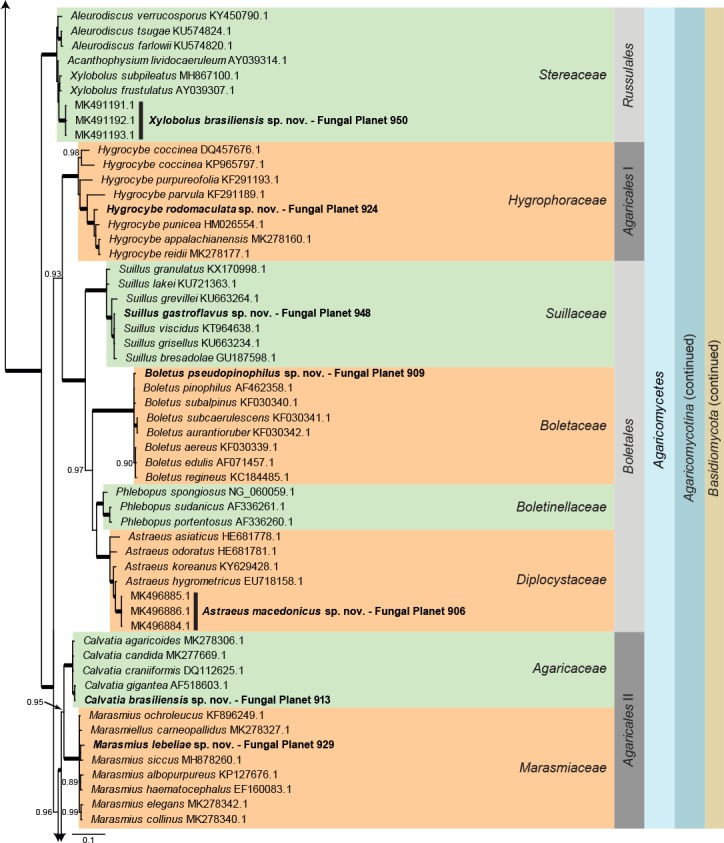
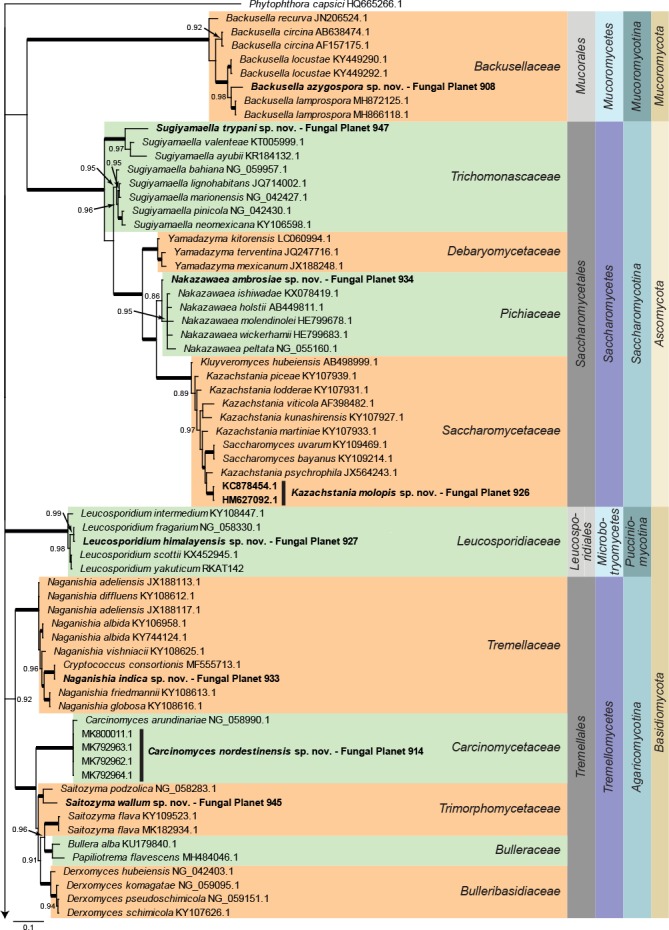
Overview Mucoromycota, Ascomycota and Basidiomycota phylogeny – part 1
Consensus phylogram (50 % majority rule) of 40 878 trees resulting from a Bayesian analysis of the LSU sequence alignment (188 taxa including outgroup; 947 aligned positions; 656 unique site patterns) using MrBayes v. 3.2.6 (Ronquist et al. 2012). Bayesian posterior probabilities (PP) >0.84 are shown at the nodes and thickened lines represent nodes with PP = 1.00. The scale bar represents the expected changes per site. Families, orders, classes, subdivisions and phyla are indicated with coloured blocks to the right of the tree. GenBank accession and/or Fungal Planet numbers are indicated behind the species names. The tree was rooted to Phytophthora capsici (GenBank HQ665266.1) and the taxonomic novelties described in this study for which LSU sequence data were available are indicated in bold face. The alignment and tree were deposited in TreeBASE (Submission ID S24386).
None
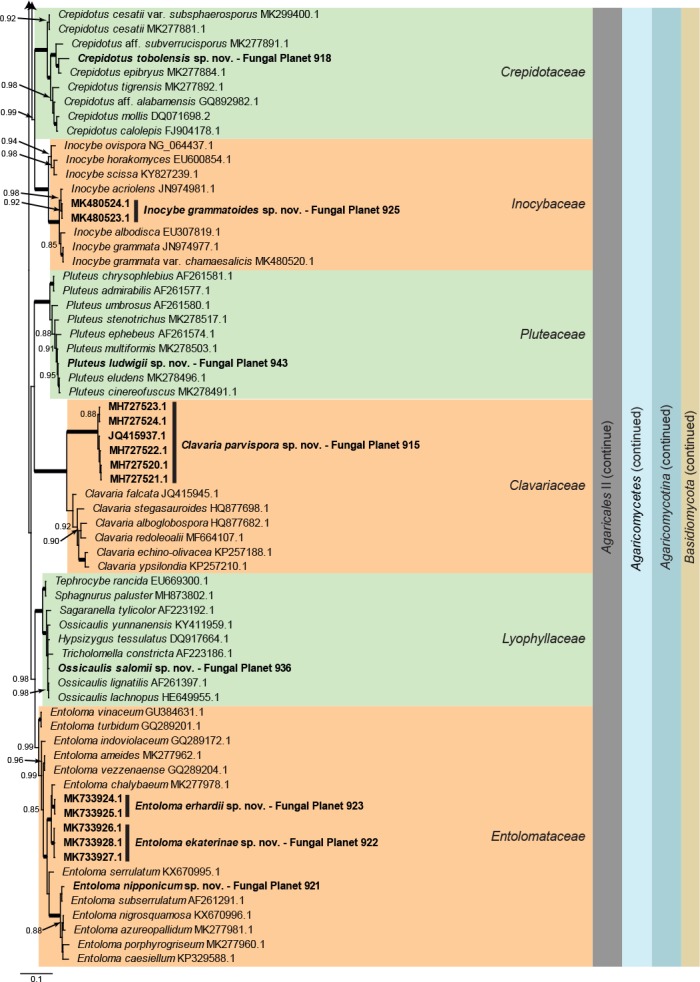
Overview Mucoromycota, Ascomycota and Basidiomycota phylogeny – part 1
Consensus phylogram (50 % majority rule) of 40 878 trees resulting from a Bayesian analysis of the LSU sequence alignment (188 taxa including outgroup; 947 aligned positions; 656 unique site patterns) using MrBayes v. 3.2.6 (Ronquist et al. 2012). Bayesian posterior probabilities (PP) >0.84 are shown at the nodes and thickened lines represent nodes with PP = 1.00. The scale bar represents the expected changes per site. Families, orders, classes, subdivisions and phyla are indicated with coloured blocks to the right of the tree. GenBank accession and/or Fungal Planet numbers are indicated behind the species names. The tree was rooted to Phytophthora capsici (GenBank HQ665266.1) and the taxonomic novelties described in this study for which LSU sequence data were available are indicated in bold face. The alignment and tree were deposited in TreeBASE (Submission ID S24386).
None
Overview Mucoromycota, Ascomycota and Basidiomycota phylogeny – part 1
Consensus phylogram (50 % majority rule) of 40 878 trees resulting from a Bayesian analysis of the LSU sequence alignment (188 taxa including outgroup; 947 aligned positions; 656 unique site patterns) using MrBayes v. 3.2.6 (Ronquist et al. 2012). Bayesian posterior probabilities (PP) >0.84 are shown at the nodes and thickened lines represent nodes with PP = 1.00. The scale bar represents the expected changes per site. Families, orders, classes, subdivisions and phyla are indicated with coloured blocks to the right of the tree. GenBank accession and/or Fungal Planet numbers are indicated behind the species names. The tree was rooted to Phytophthora capsici (GenBank HQ665266.1) and the taxonomic novelties described in this study for which LSU sequence data were available are indicated in bold face. The alignment and tree were deposited in TreeBASE (Submission ID S24386).
None
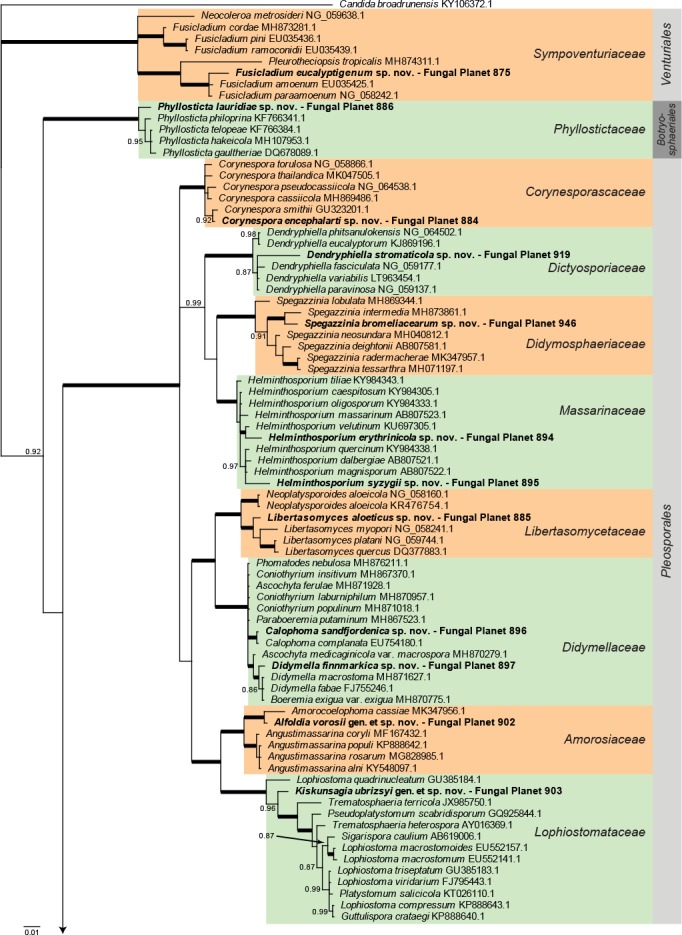
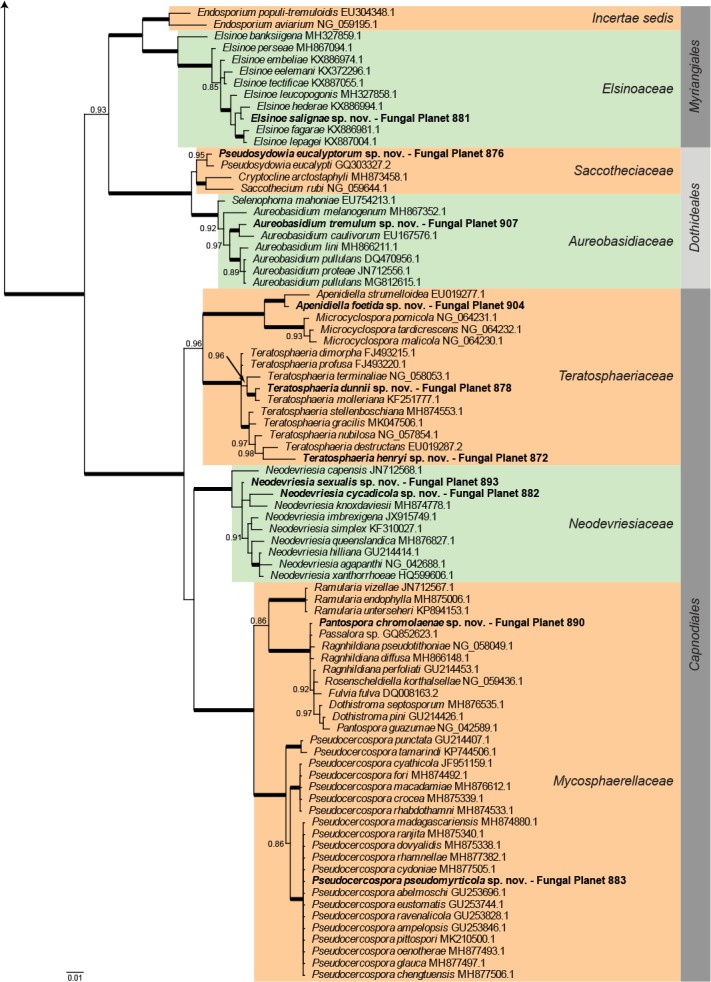
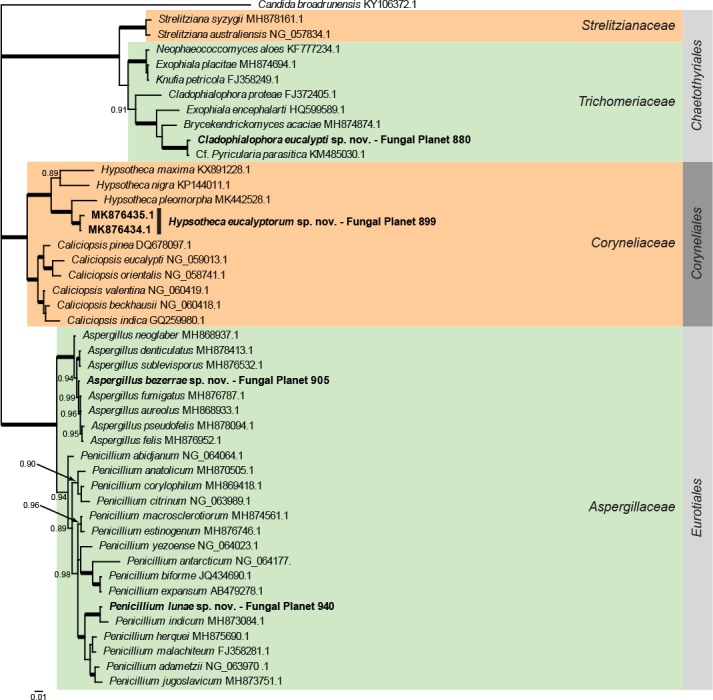
Overview Dothideomycetes phylogeny – part 1
Consensus phylogram (50 % majority rule) of 22 278 trees resulting from a Bayesian analysis of the LSU sequence alignment (164 taxa including outgroup; 809 aligned positions; 394 unique site patterns) using MrBayes v. 3.2.6 (Ronquist et al. 2012). Bayesian posterior probabilities (PP) >0.84 are shown at the nodes and thickened lines represent nodes with PP = 1.00. The scale bar represents the expected changes per site. Families and orders are indicated with coloured blocks to the right of the tree. GenBank accession and/or Fungal Planet numbers are indicated behind the species names. The tree was rooted to Candida broadrunensis (GenBank KY106372.1) and the taxonomic novelties described in this study for which LSU sequence data were available are indicated in bold face. The alignment and tree were deposited in TreeBASE (Submission ID S24386).
None
Overview Dothideomycetes phylogeny – part 1
Consensus phylogram (50 % majority rule) of 22 278 trees resulting from a Bayesian analysis of the LSU sequence alignment (164 taxa including outgroup; 809 aligned positions; 394 unique site patterns) using MrBayes v. 3.2.6 (Ronquist et al. 2012). Bayesian posterior probabilities (PP) >0.84 are shown at the nodes and thickened lines represent nodes with PP = 1.00. The scale bar represents the expected changes per site. Families and orders are indicated with coloured blocks to the right of the tree. GenBank accession and/or Fungal Planet numbers are indicated behind the species names. The tree was rooted to Candida broadrunensis (GenBank KY106372.1) and the taxonomic novelties described in this study for which LSU sequence data were available are indicated in bold face. The alignment and tree were deposited in TreeBASE (Submission ID S24386).
None
Overview Eurotiomycetes phylogeny
Consensus phylogram (50 % majority rule) of 7 802 trees resulting from a Bayesian analysis of the LSU sequence alignment (46 taxa including outgroup; 816 aligned positions; 282 unique site patterns) using MrBayes v. 3.2.6 (Ronquist et al. 2012). Bayesian posterior probabilities (PP) >0.84 are shown at the nodes and thickened lines represent nodes with PP = 1.00. The scale bar represents the expected changes per site. Families and orders are indicated with coloured blocks to the right of the tree. GenBank accession and/or Fungal Planet numbers are indicated behind the species names. The tree was rooted to Candida broadrunensis (GenBank KY106372.1) and the taxonomic novelties described in this study for which LSU sequence data were available are indicated in bold face. The alignment and tree were deposited in TreeBASE (Submission ID S24386).
None
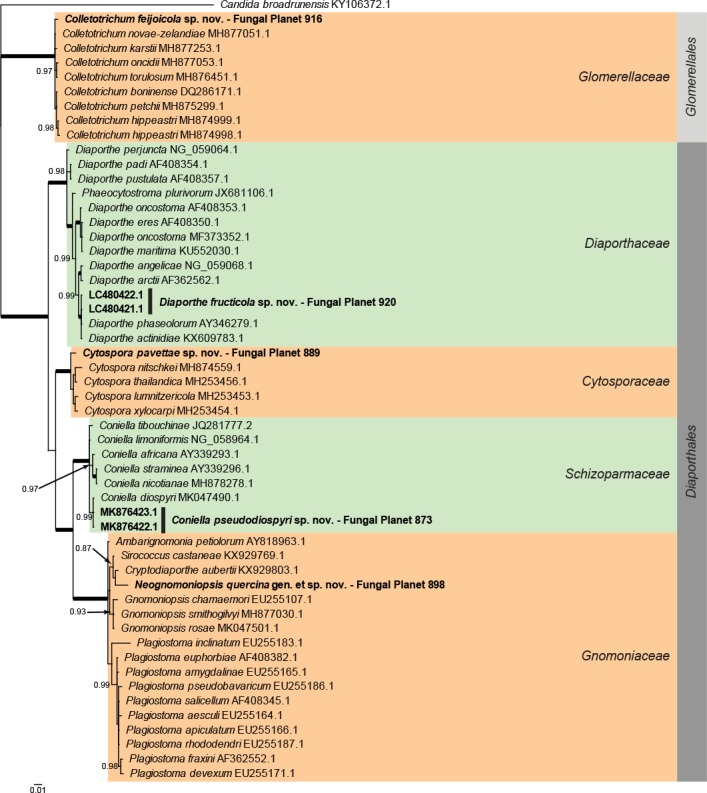
Overview Diaporthales and Glomerellales (Sordariomycetes) phylogeny
Consensus phylogram (50 % majority rule) of 21 752 trees resulting from a Bayesian analysis of the LSU sequence alignment (54 taxa including outgroup; 781 aligned positions; 185 unique site patterns) using MrBayes v. 3.2.6 (Ronquist et al. 2012). Bayesian posterior probabilities (PP) >0.84 are shown at the nodes and thickened lines represent nodes with PP = 1.00. The scale bar represents the expected changes per site. Families and orders are indicated with coloured blocks to the right of the tree. GenBank accession and/or Fungal Planet numbers are indicated behind the species names. The tree was rooted to Candida broadrunensis (GenBank KY106372.1) and the taxonomic novelties described in this study for which LSU sequence data were available are indicated in bold face. The alignment and tree were deposited in TreeBASE (Submission ID S24386).
None
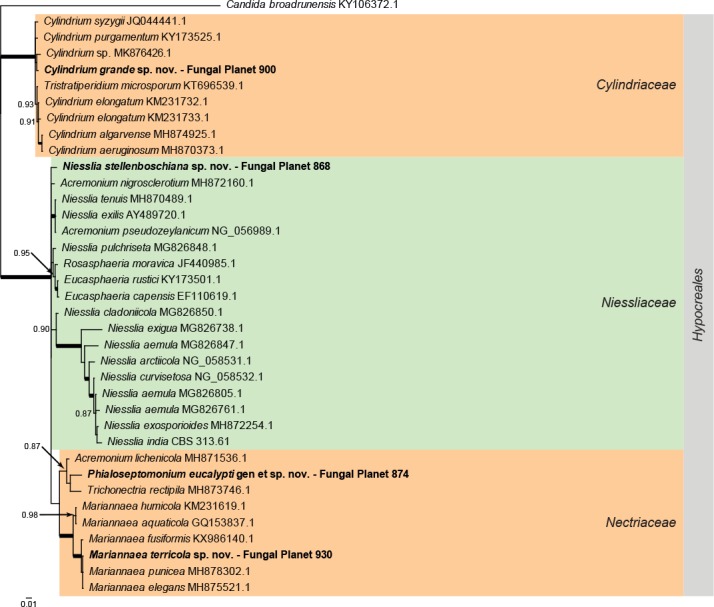
Overview Hypocreales (Sordariomycetes) phylogeny
Consensus phylogram (50 % majority rule) of 13 052 trees resulting from a Bayesian analysis of the LSU sequence alignment (37 taxa including outgroup; 761 aligned positions; 181 unique site patterns) using MrBayes v. 3.2.6 (Ronquist et al. 2012). Bayesian posterior probabilities (PP) >0.84 are shown at the nodes and thickened lines represent nodes with PP = 1.00. The scale bar represents the expected changes per site. Families and orders are indicated with coloured blocks to the right of the tree. GenBank accession and/or Fungal Planet numbers are indicated behind the species names. The tree was rooted to Candida broadrunensis (GenBank KY106372.1) and the taxonomic novelties described in this study for which LSU sequence data were available are indicated in bold face. The alignment and tree were deposited in TreeBASE (Submission ID S24386).
None
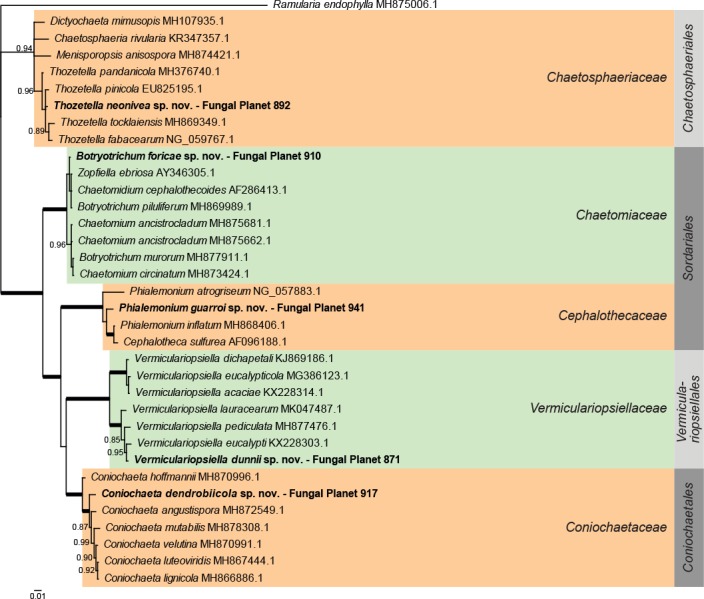
Overview other orders (Sordariomycetes) phylogeny
Consensus phylogram (50 % majority rule) of 14 252 trees resulting from a Bayesian analysis of the LSU sequence alignment (35 taxa including outgroup; 724 aligned positions; 192 unique site patterns) using MrBayes v. 3.2.6 (Ronquist et al. 2012). Bayesian posterior probabilities (PP) >0.84 are shown at the nodes and thickened lines represent nodes with PP = 1.00. The scale bar represents the expected changes per site. Families and orders are indicated with coloured blocks to the right of the tree. GenBank accession and/or Fungal Planet numbers are indicated behind the species names. The tree was rooted to Ramularia endophylla (GenBank MH875006.1) and the taxonomic novelties described in this study for which LSU sequence data were available are indicated in bold face. The alignment and tree were deposited in TreeBASE (Submission ID S24386).
None
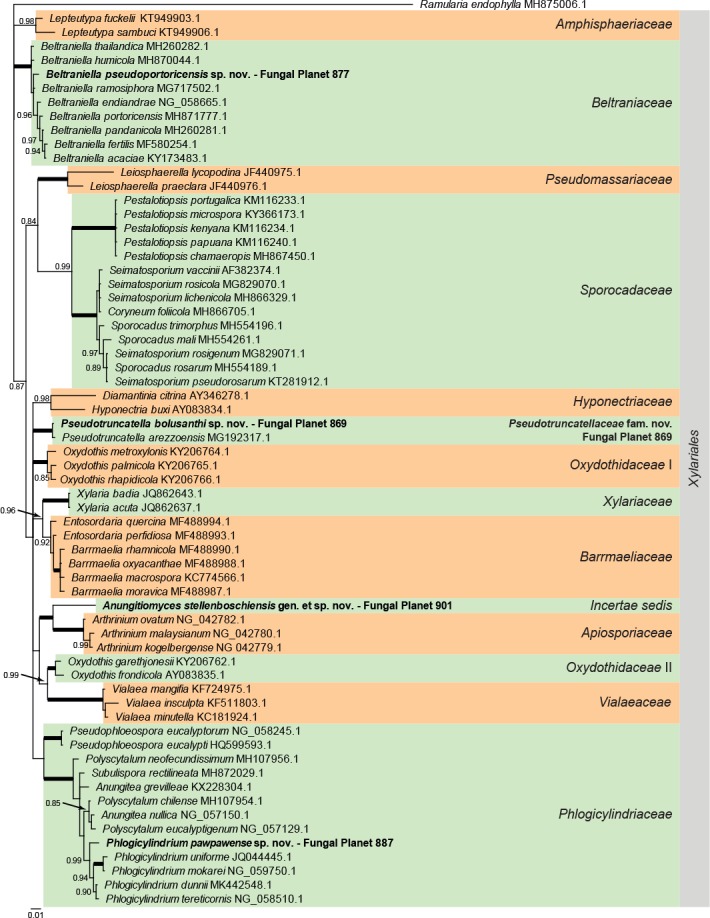
Overview Xylariales (Sordariomycetes) phylogeny
Consensus phylogram (50 % majority rule) of 35 702 trees resulting from a Bayesian analysis of the LSU sequence alignment (65 taxa including outgroup; 736 aligned positions; 194 unique site patterns) using MrBayes v. 3.2.6 (Ronquist et al. 2012). Bayesian posterior probabilities (PP) >0.84 are shown at the nodes and thickened lines represent nodes with PP = 1.00. The scale bar represents the expected changes per site. Families and orders are indicated with coloured blocks to the right of the tree. GenBank accession and/or Fungal Planet numbers are indicated behind the species names. The tree was rooted to Ramularia endophylla (GenBank MH875006.1) and the taxonomic novelties described in this study for which LSU sequence data were available are indicated in bold face. The alignment and tree were deposited in TreeBASE (Submission ID S24386).
None
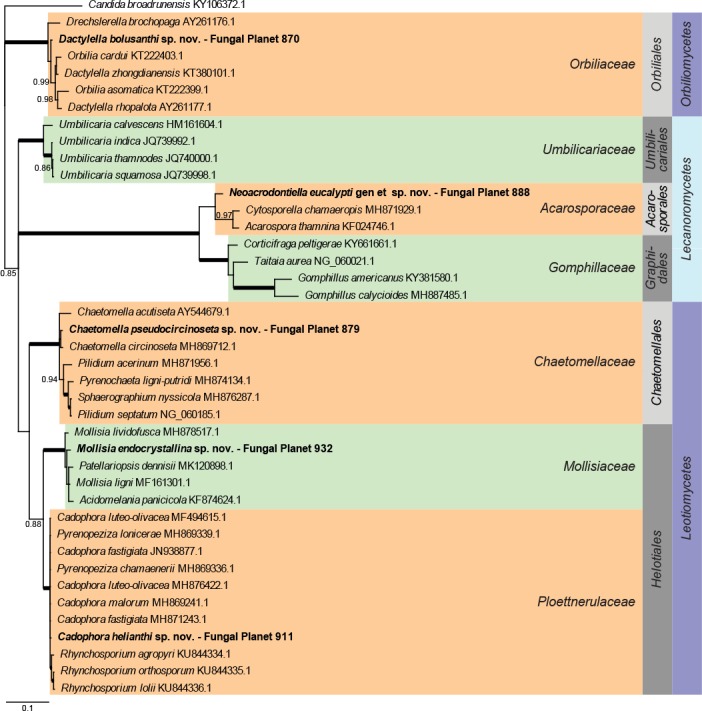
Overview Orbiliomycetes, Lecanoromycetes and Leotiomycetes phylogeny
Consensus phylogram (50 % majority rule) of 58 402 trees resulting from a Bayesian analysis of the LSU sequence alignment (41 taxa including outgroup; 812 aligned positions; 350 unique site patterns) using MrBayes v. 3.2.6 (Ronquist et al. 2012). Bayesian posterior probabilities (PP) >0.84 are shown at the nodes and thickened lines represent nodes with PP = 1.00. The scale bar represents the expected changes per site. Families, orders and classes are indicated with coloured blocks to the right of the tree. GenBank accession or Fungal Planet numbers are indicated behind the species names. The tree was rooted to Candida broadrunensis (GenBank KY106372.1) and the taxonomic novelties described in this study for which LSU sequence data were available are indicated in bold face. The alignment and tree were deposited in TreeBASE (Submission ID S24386).
None
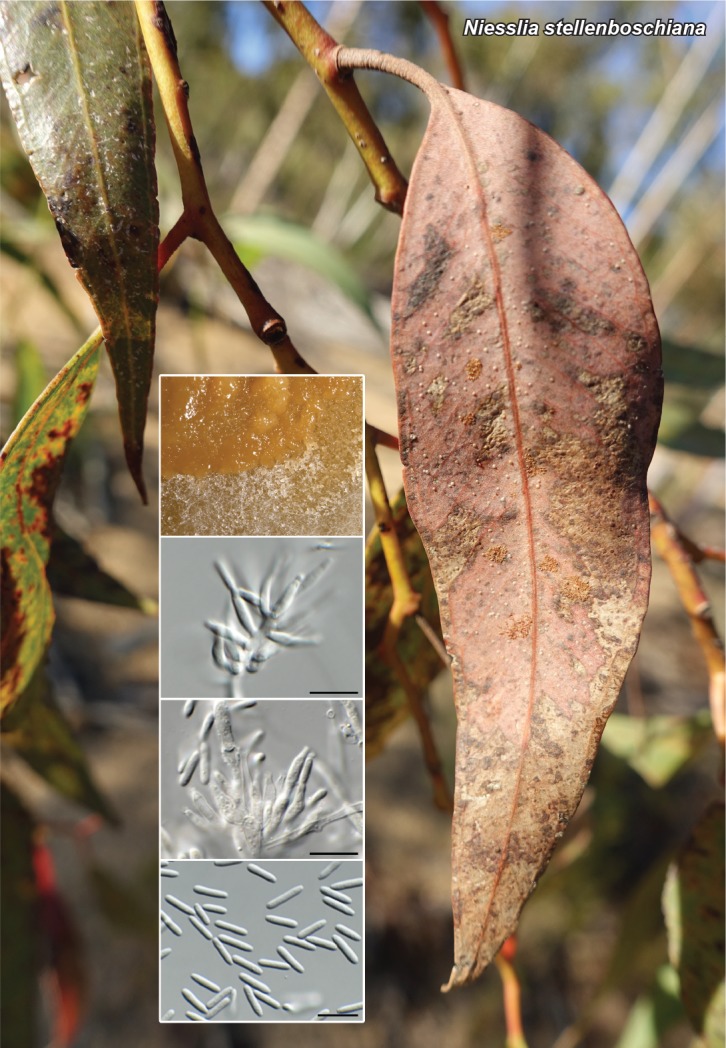
Niesslia stellenboschiana
None
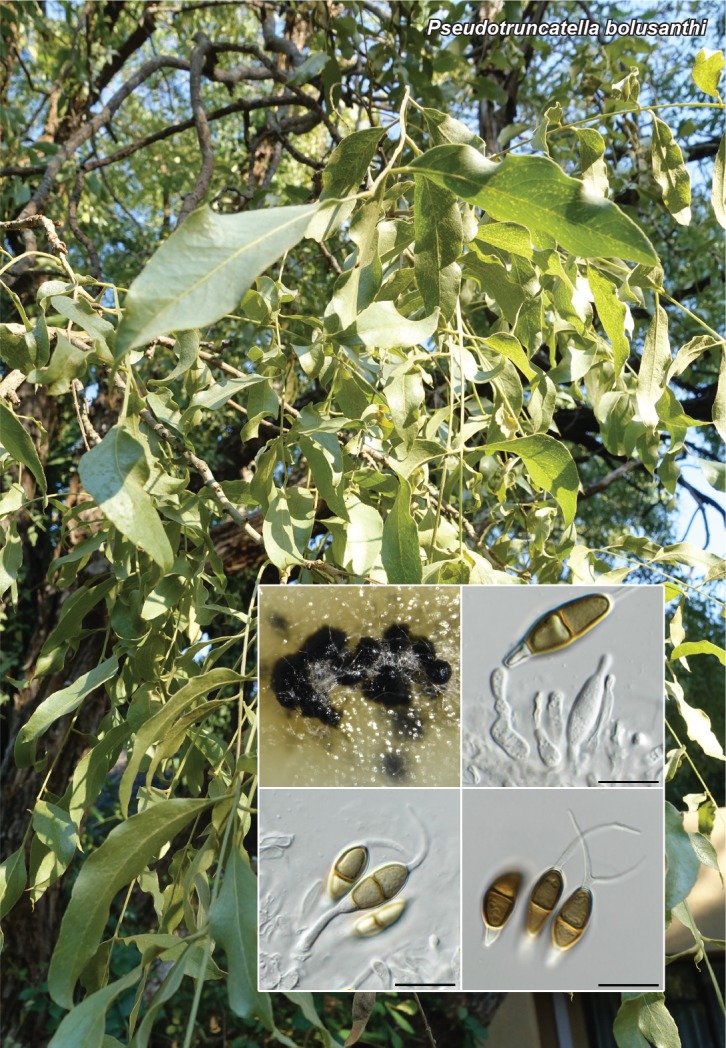
Pseudotruncatella bolusanthi
None
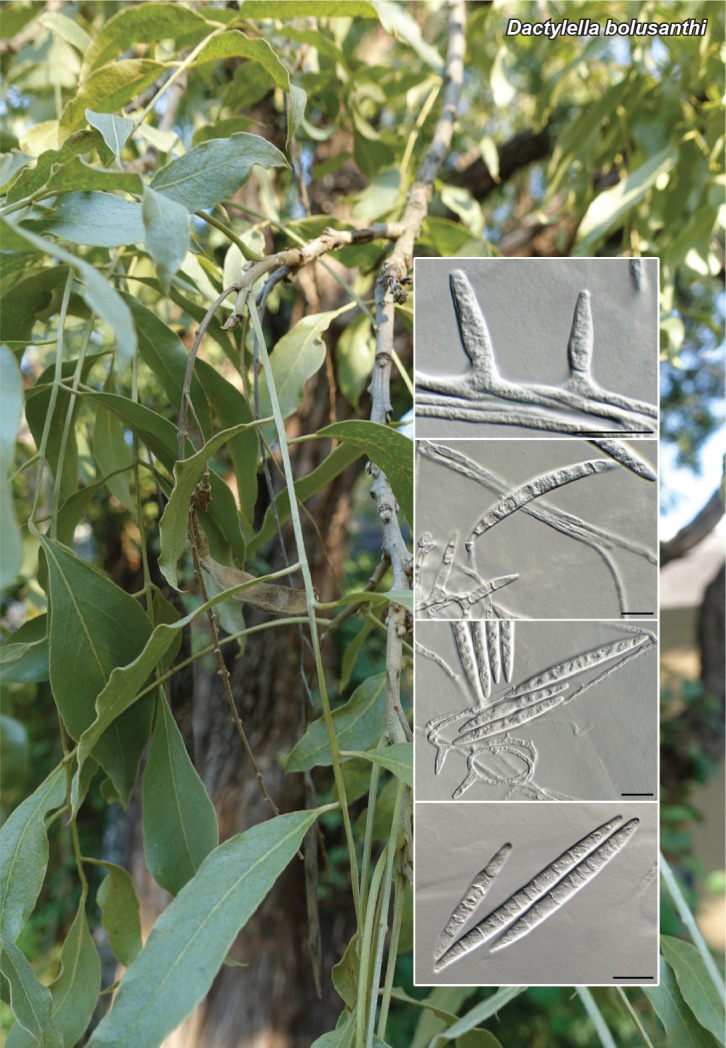
Dactylella bolusanthi
None
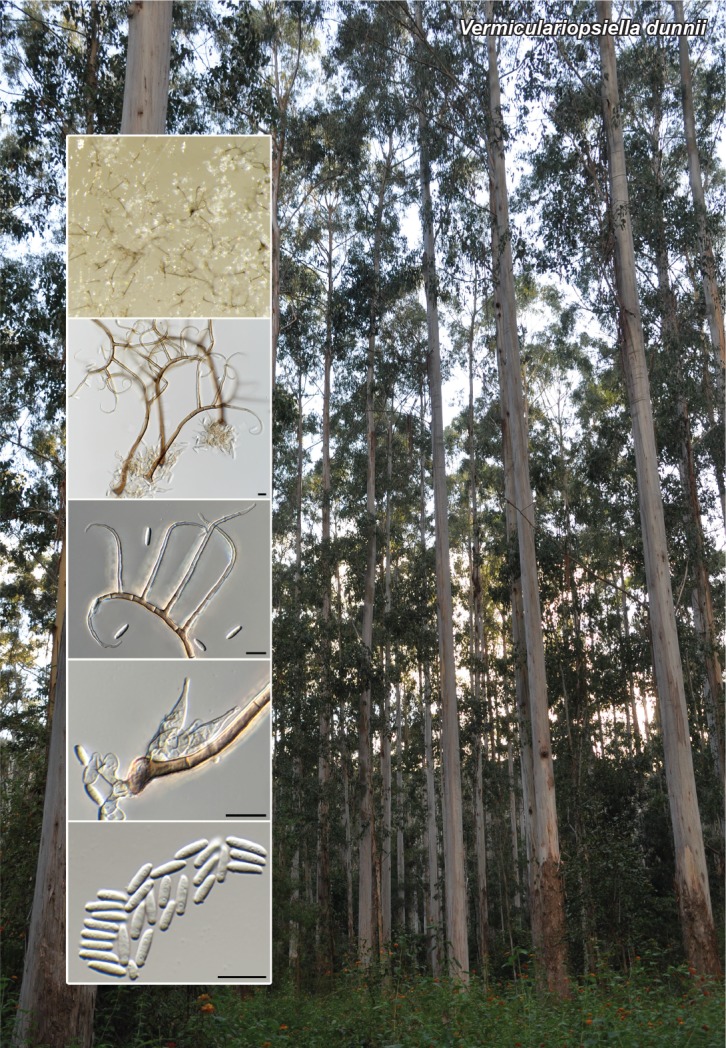
Vermiculariopsiella dunnii
None
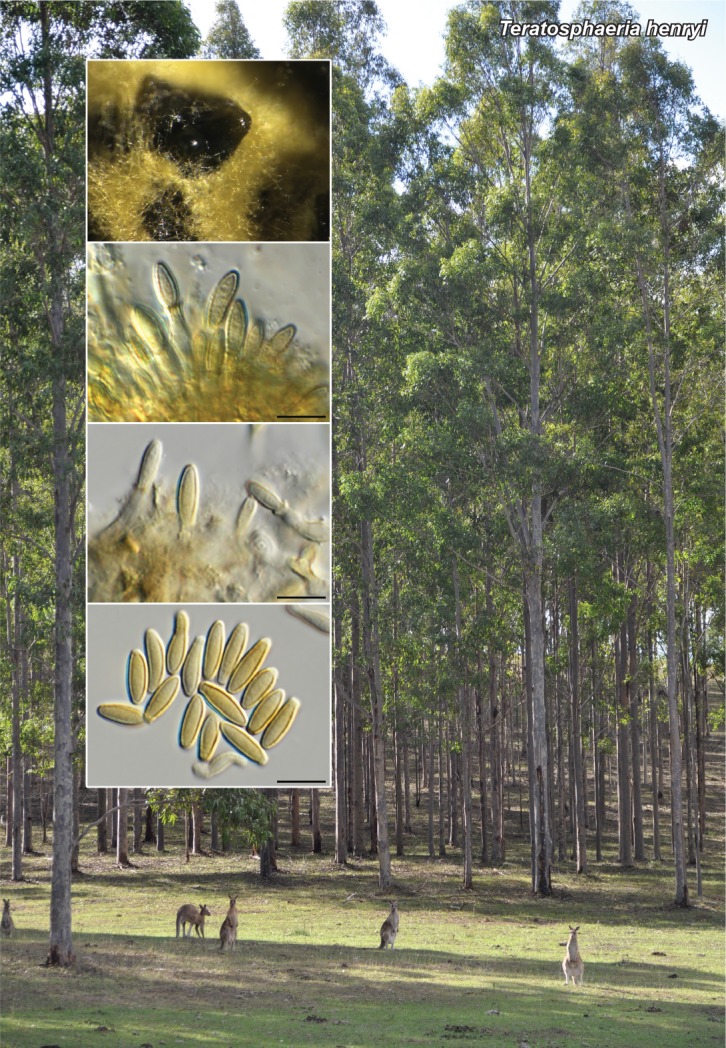
Teratosphaeria henryi
None
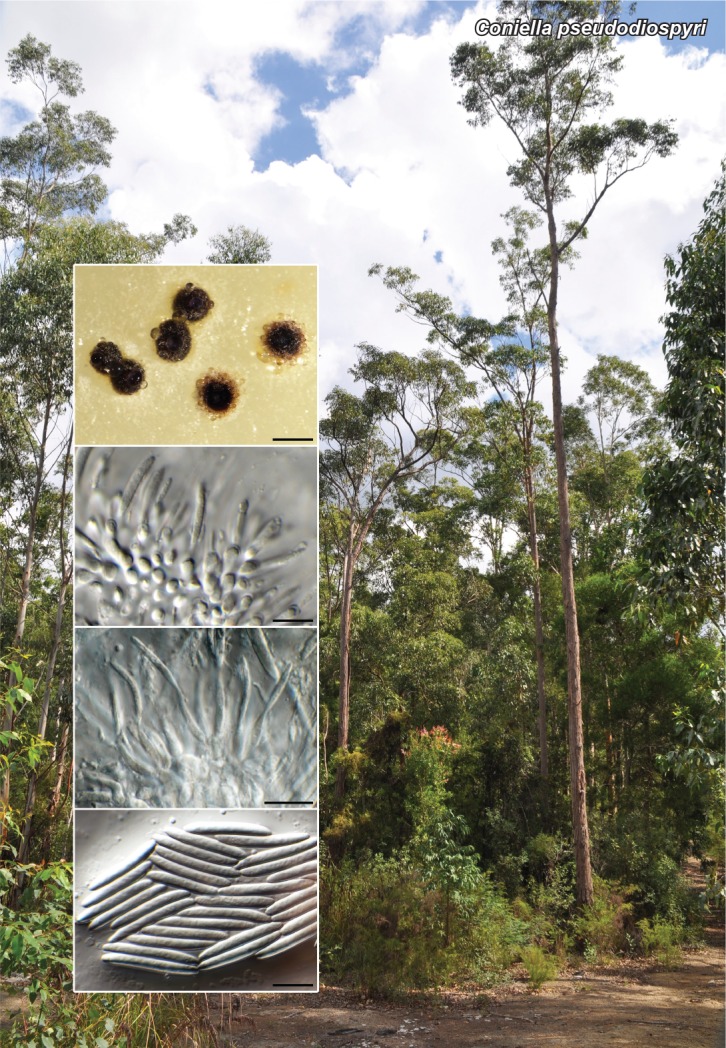
Coniella pseudodiospyri
None
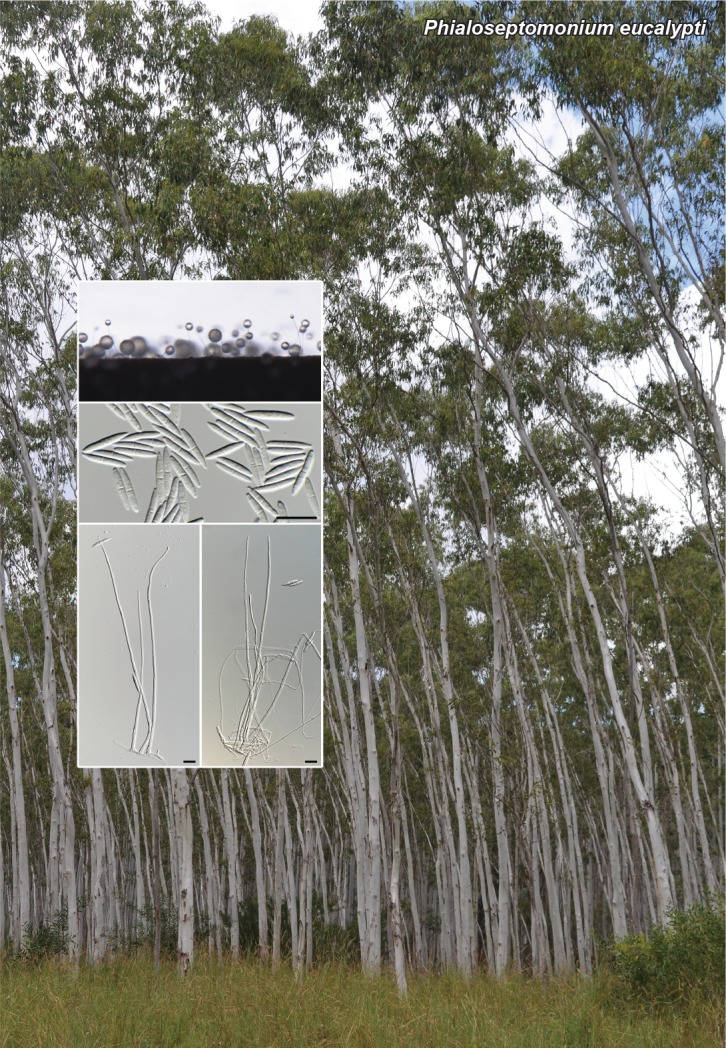
Phialoseptomonium eucalypti
None
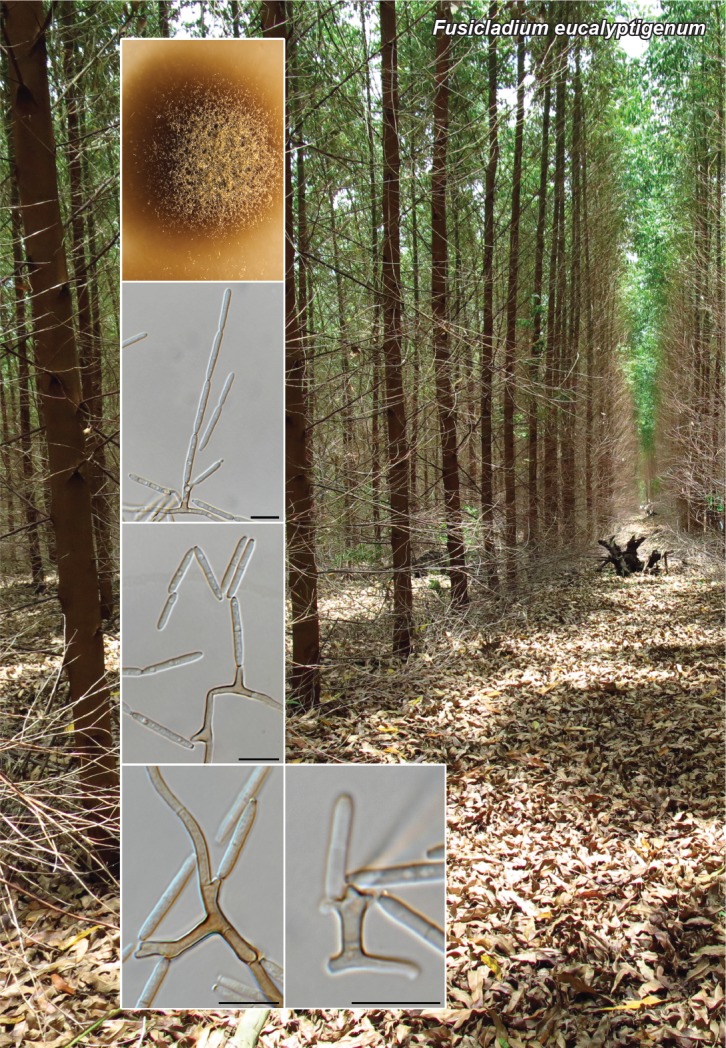
Fusicladium eucalyptigenum
None
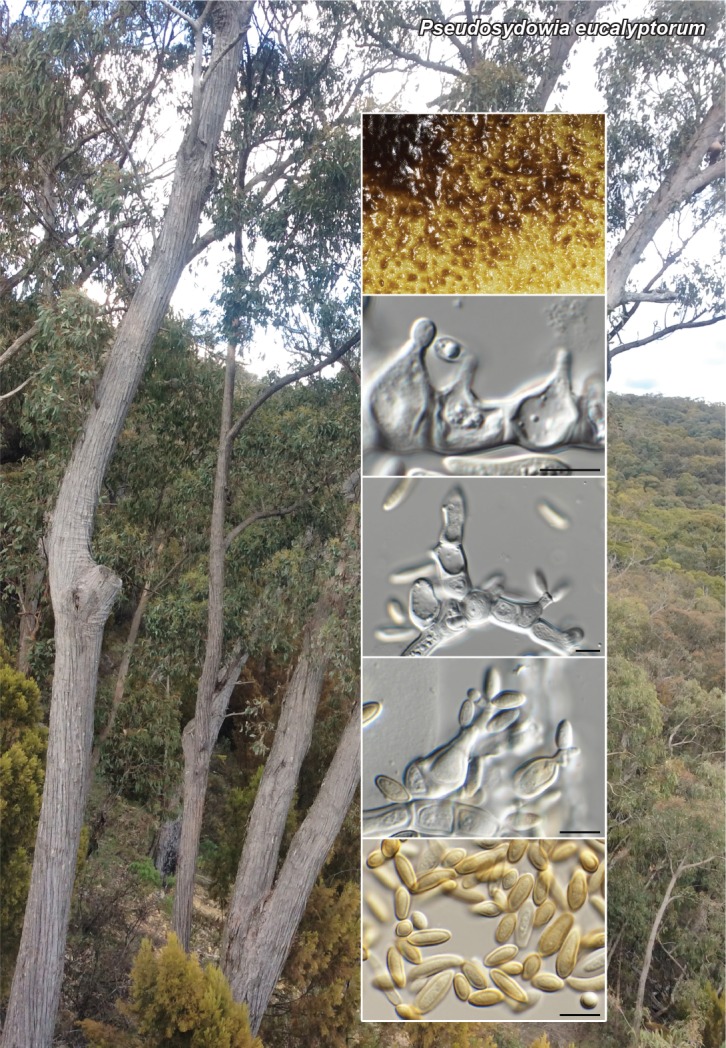
Pseudosydowia eucalyptorum
None
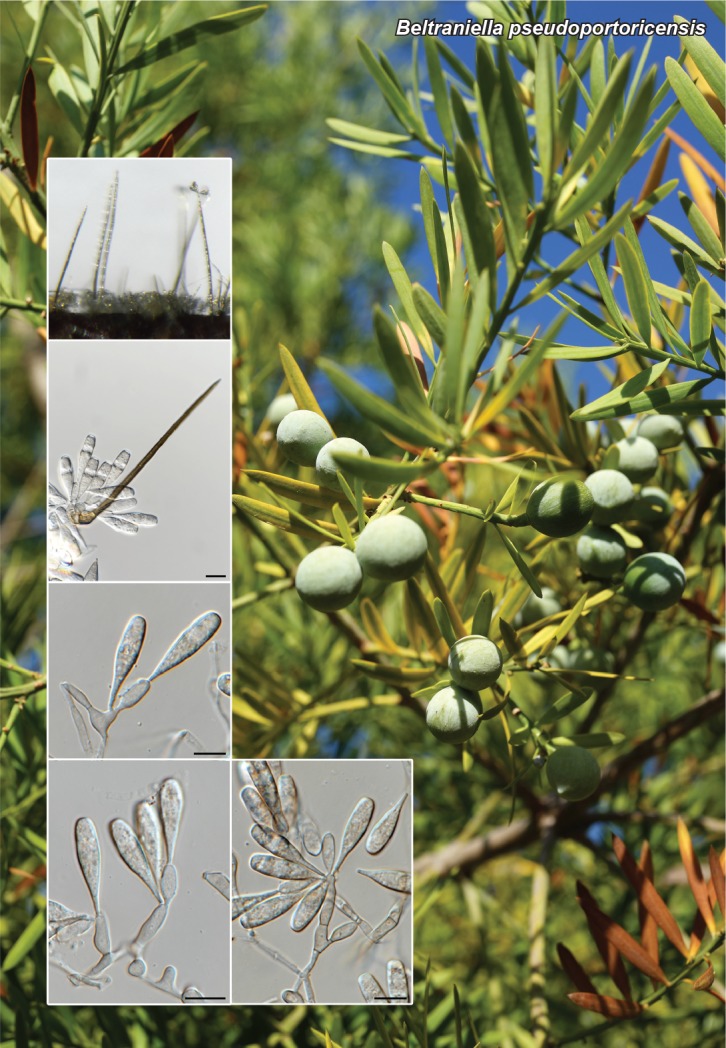
Beltraniella pseudoportoricensis
None
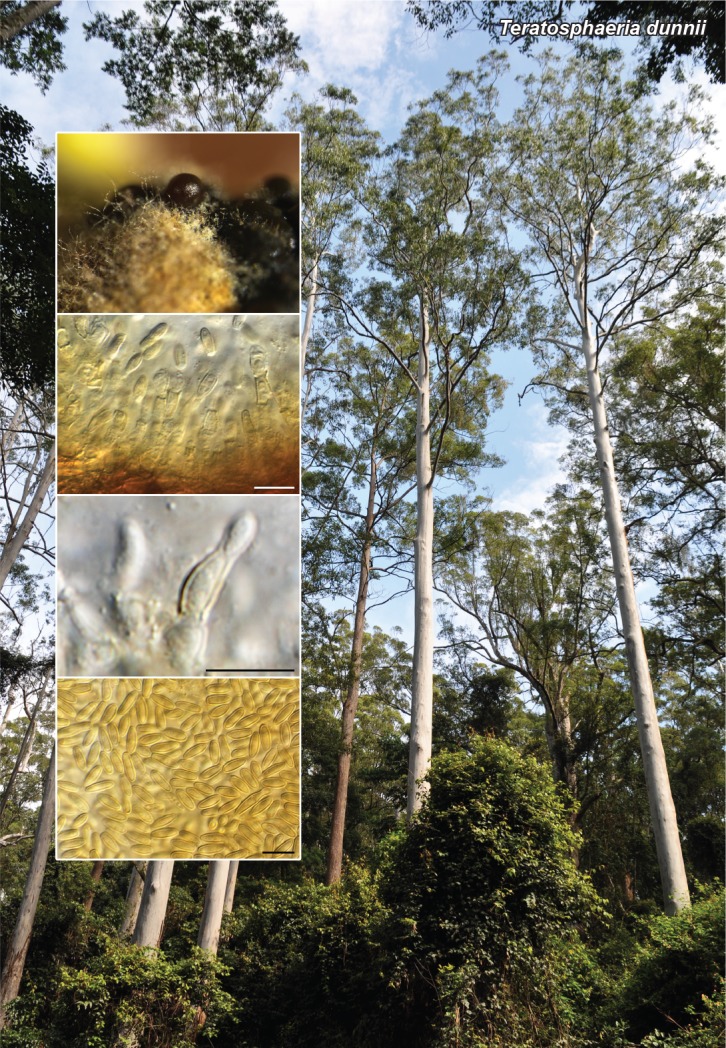
Teratosphaeria dunnii
None
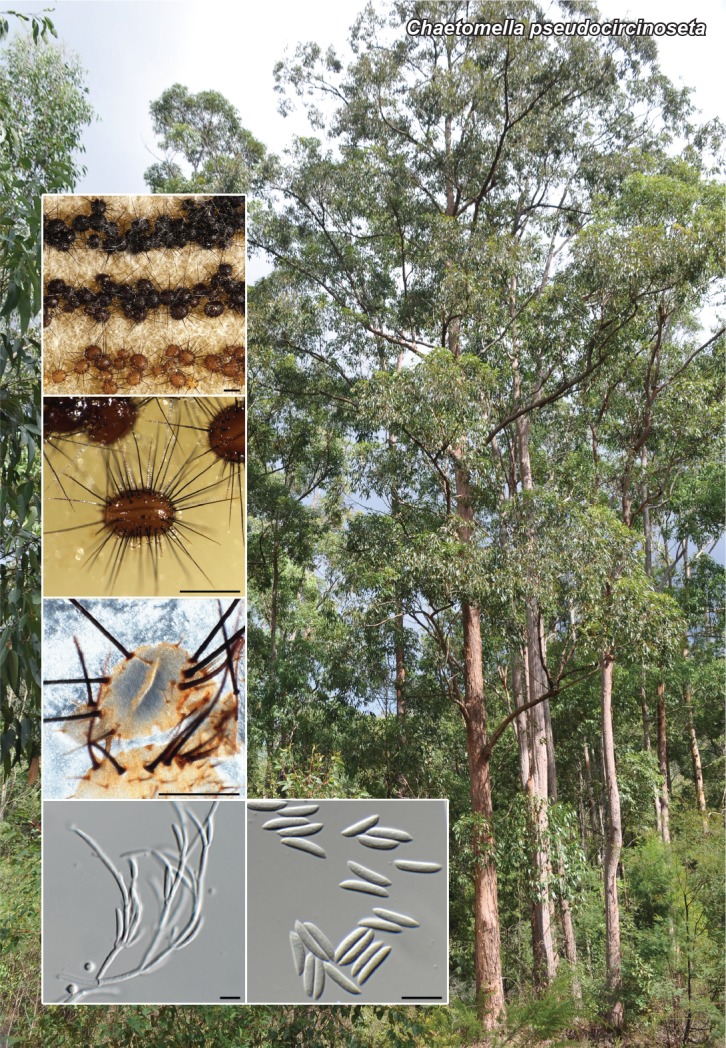
Chaetomella pseudocircinoseta
None
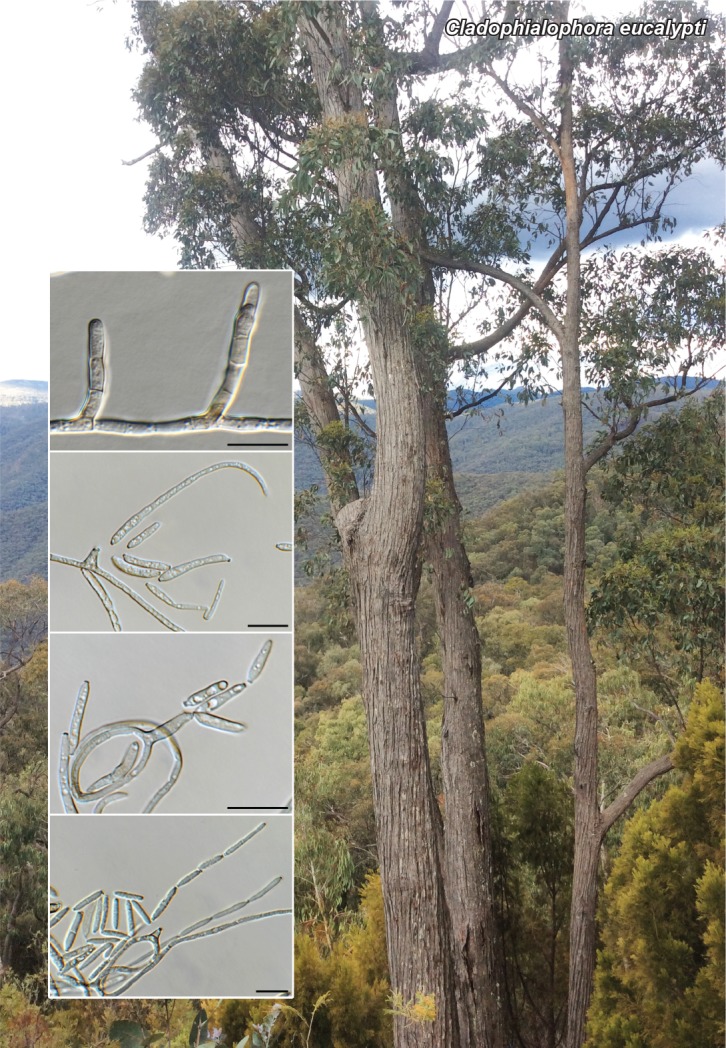
Cladophialophora eucalypti
None
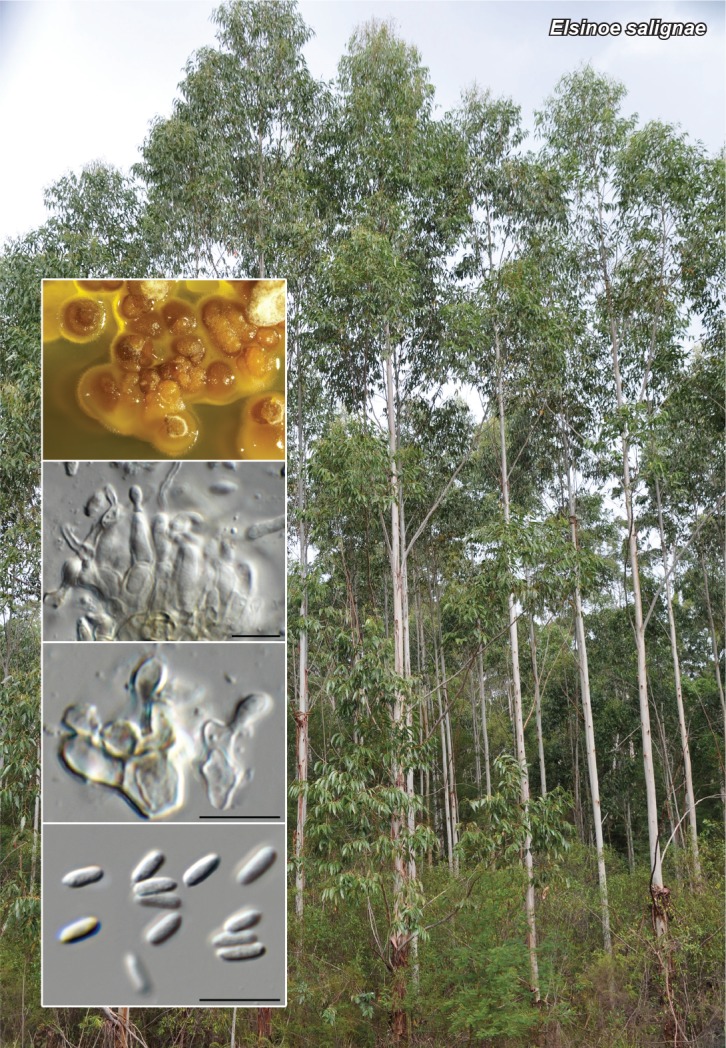
Elsinoe salignae
None
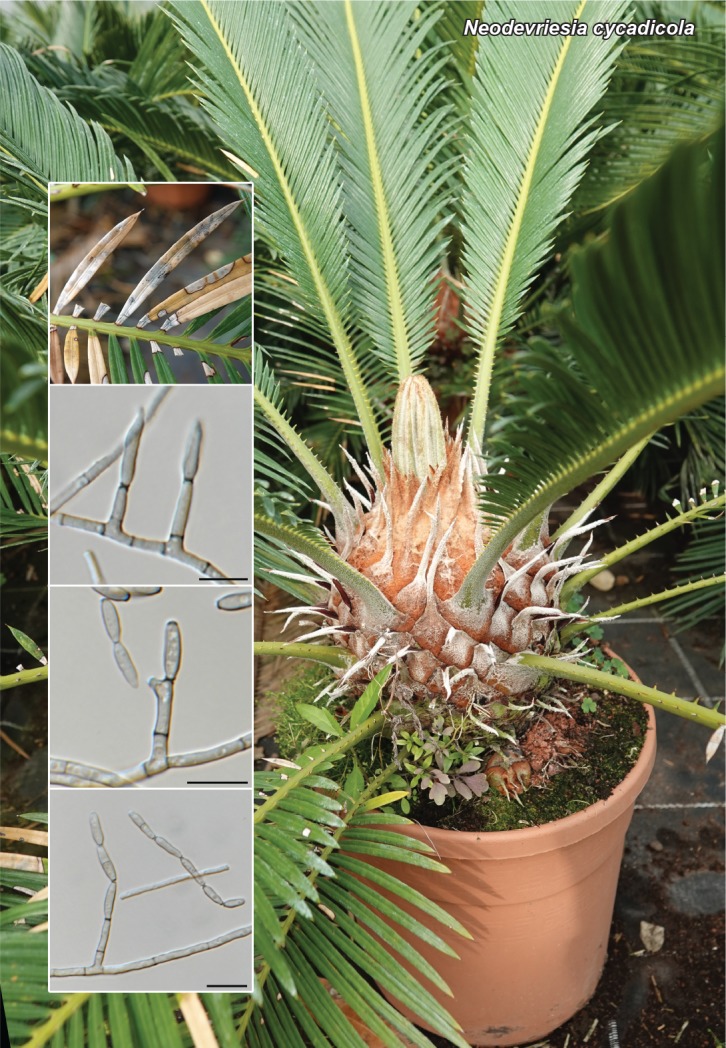
Neodevriesia cycadicola
None
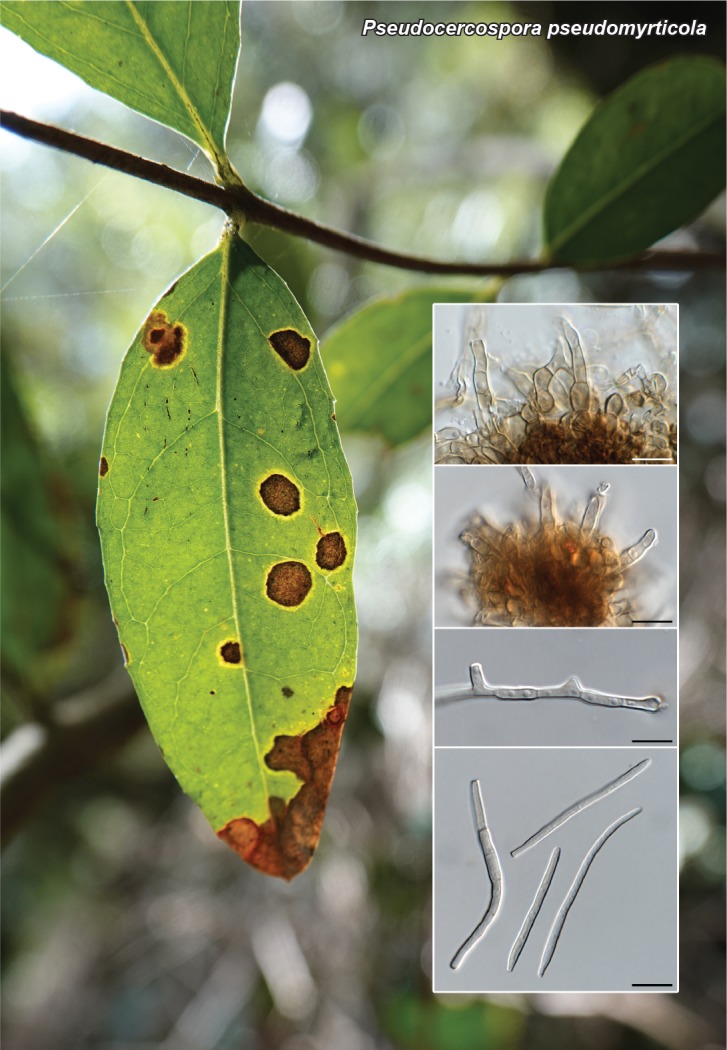
Pseudocercospora pseudomyrticola
None
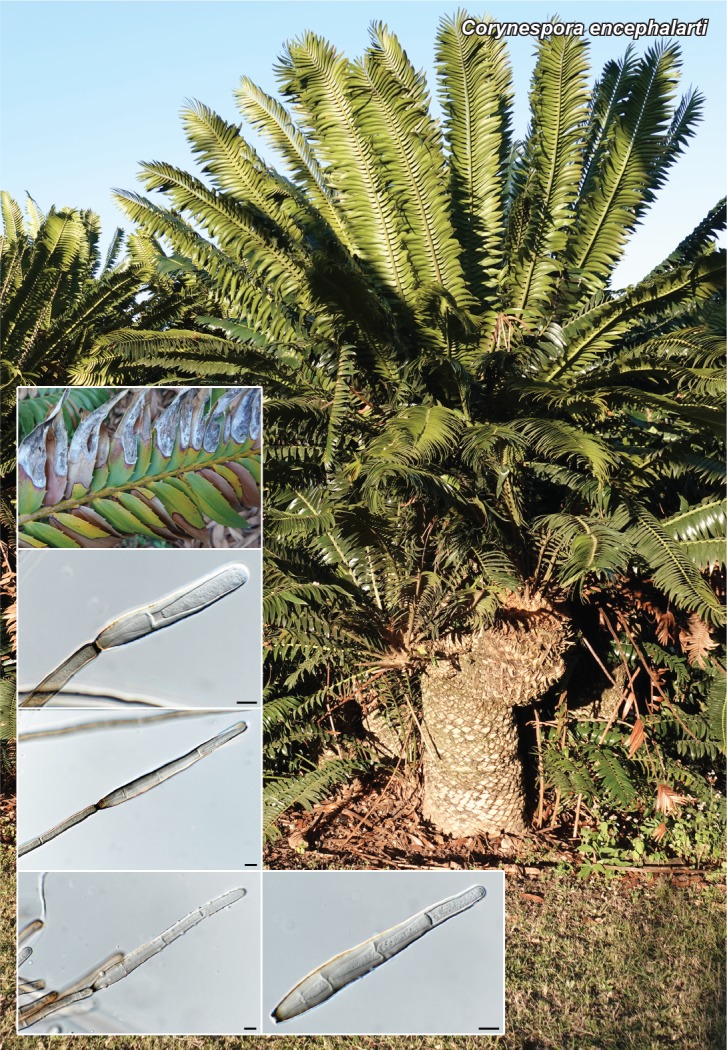
Corynespora encephalarti
None
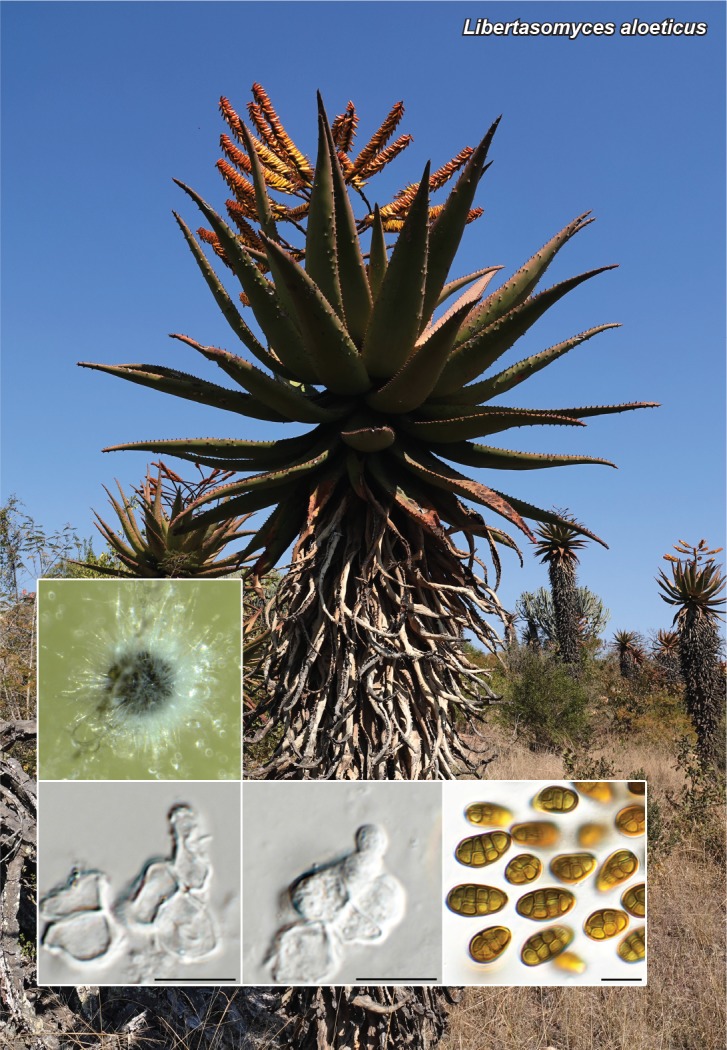
Libertasomyces aloeticus
None
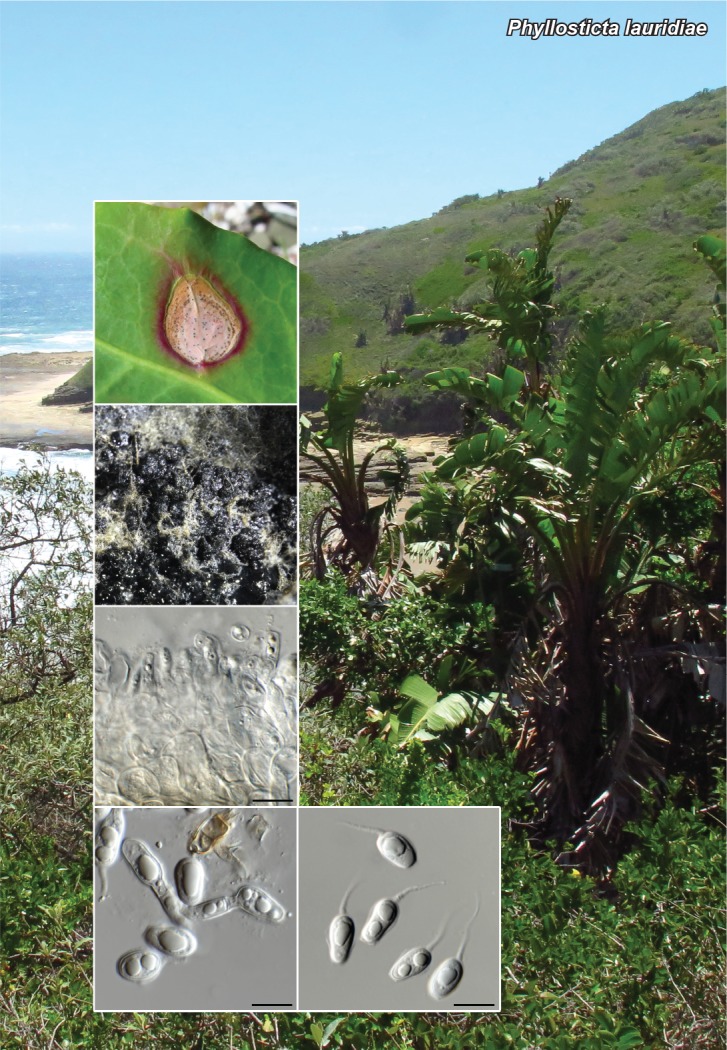
Phyllosticta lauridiae
None
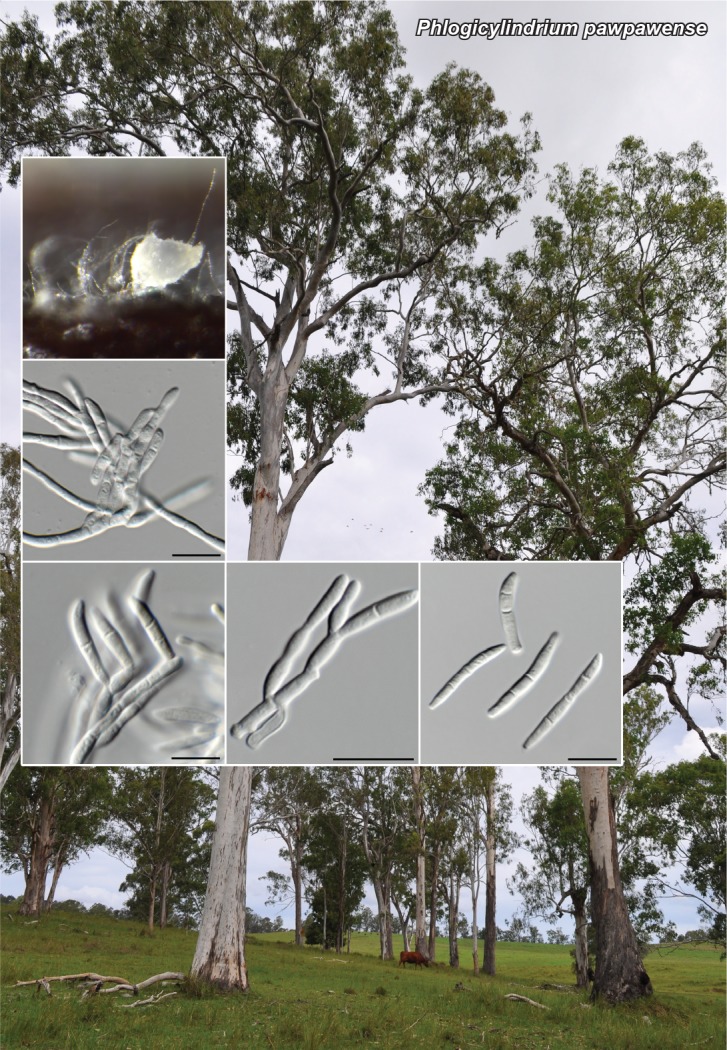
Phlogicylindrium pawpawense
None
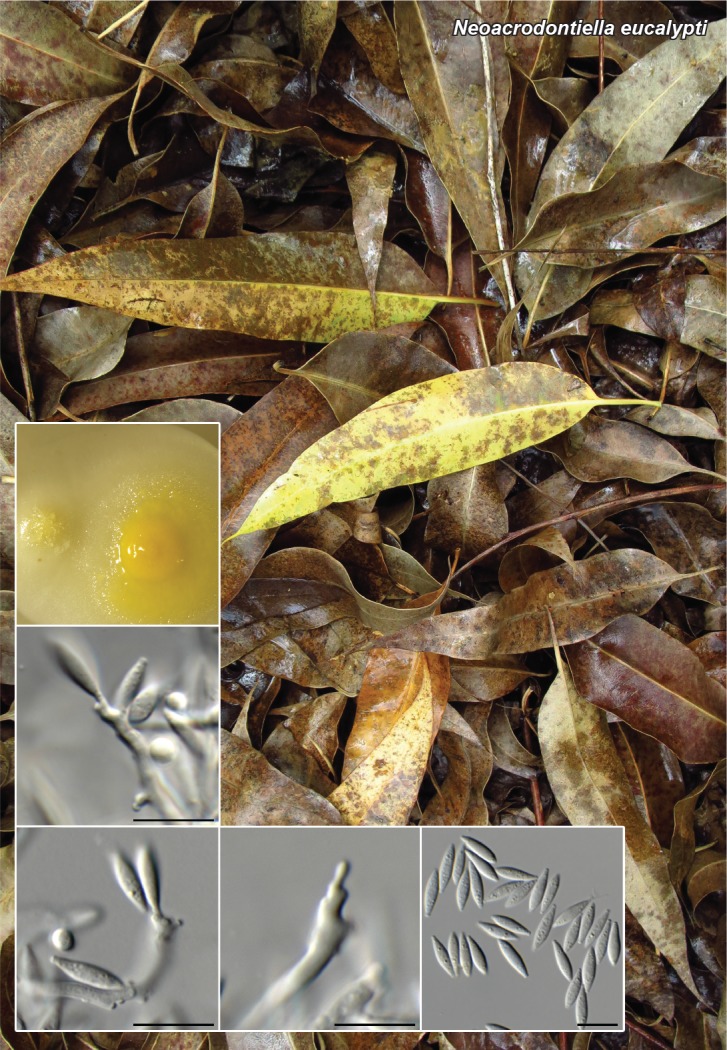
Neoacrodontiella eucalypti
None
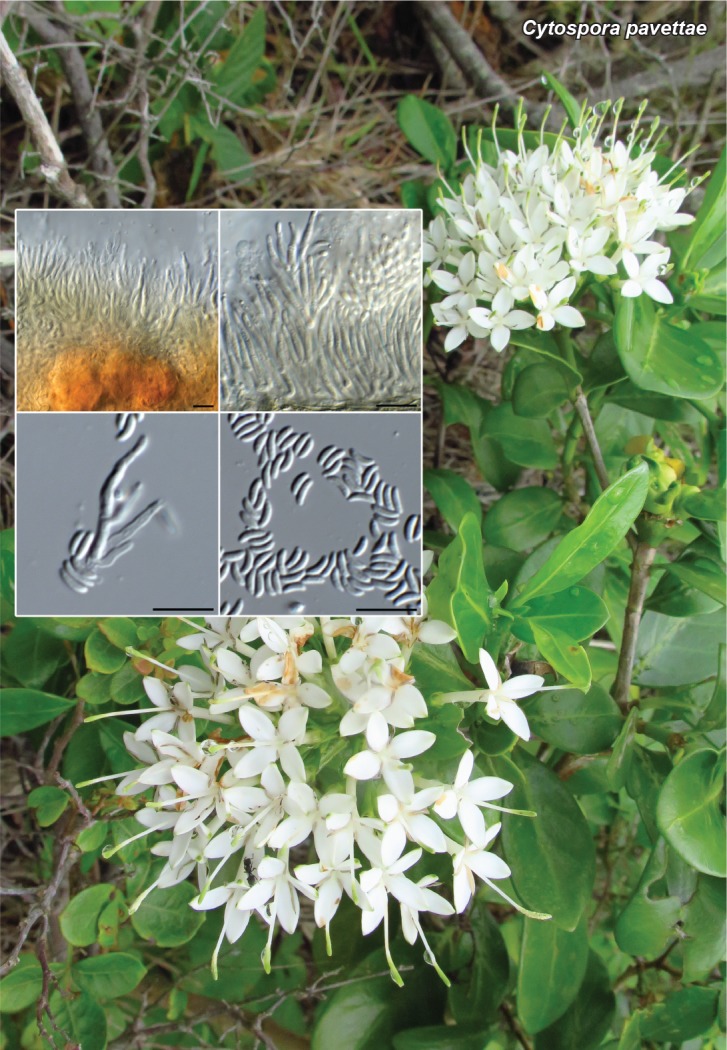
Cytospora pavettae
None
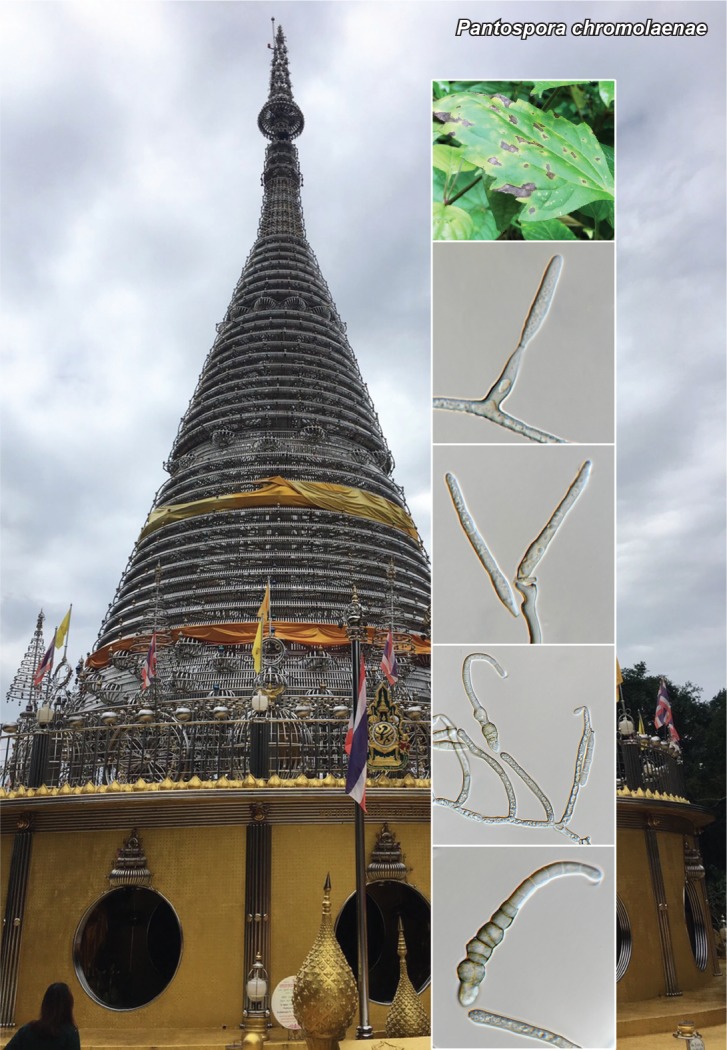
Pantospora chromolaenae
None
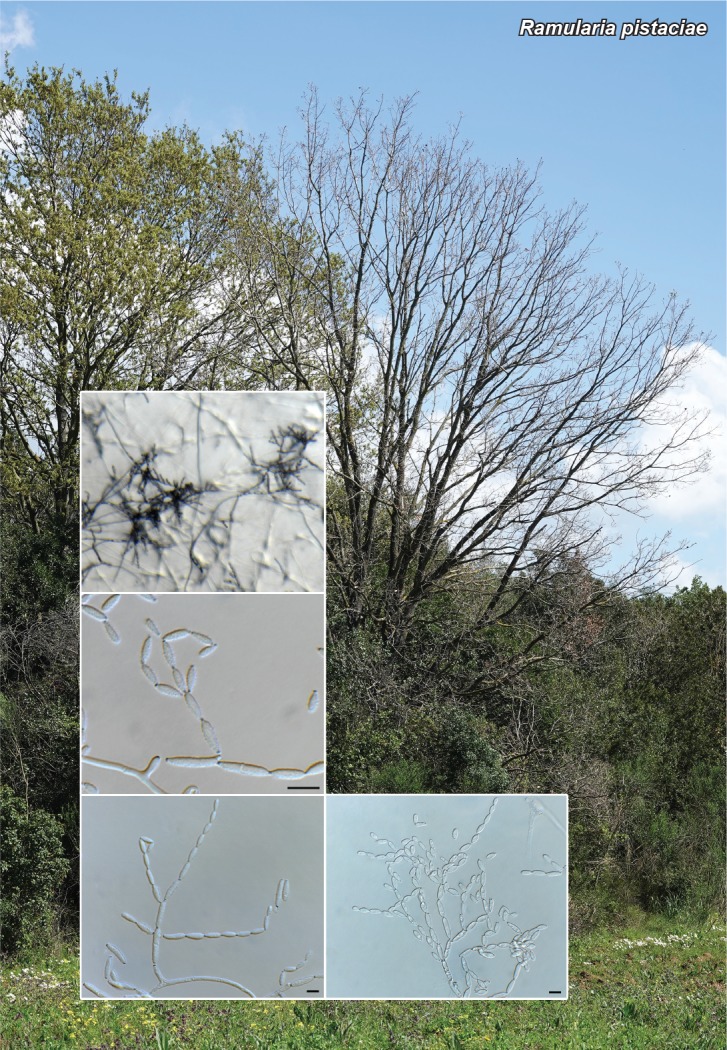
Ramularia pistaciae
None
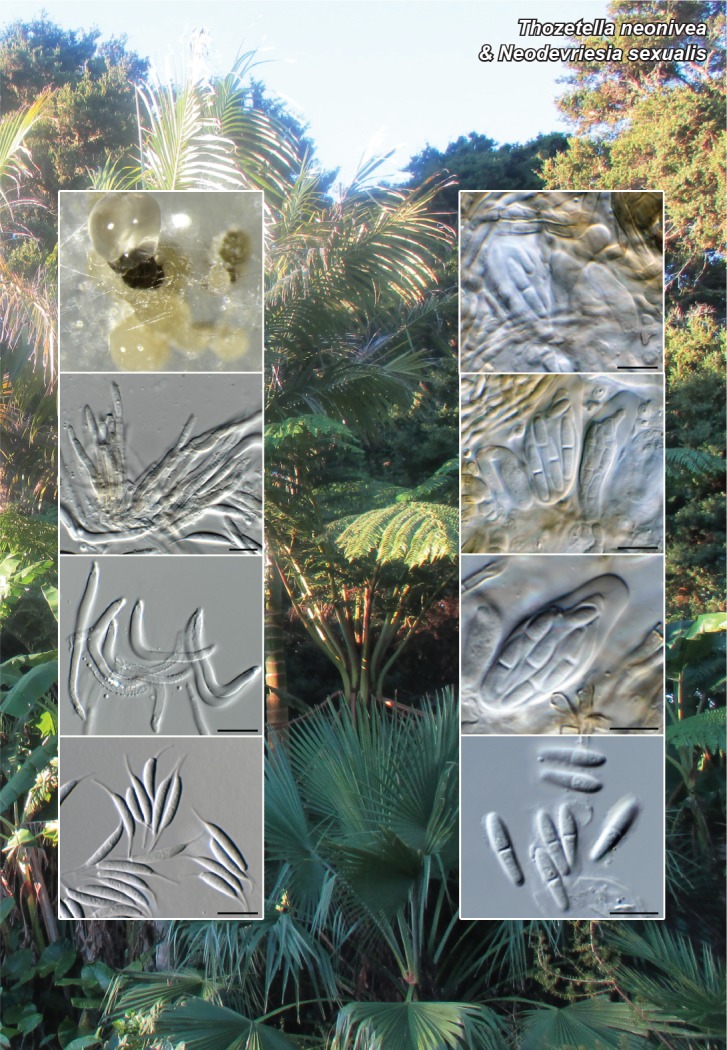
Thozetella neonivea & Neodevriesia sexualis
None
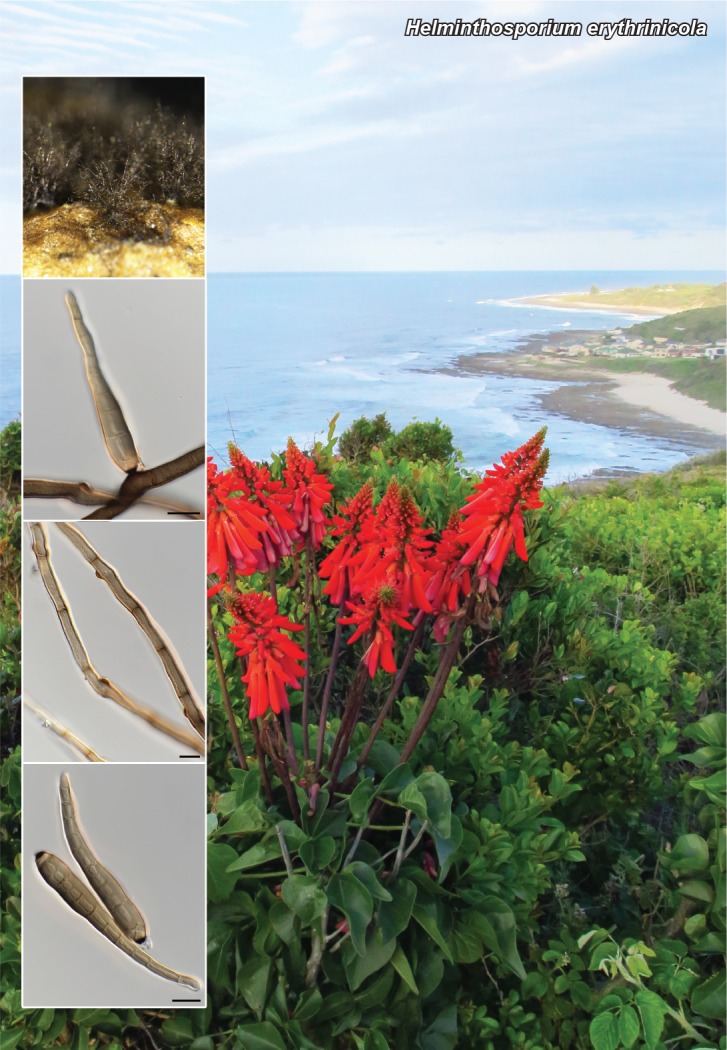
Helminthosporium erythrinicola
None
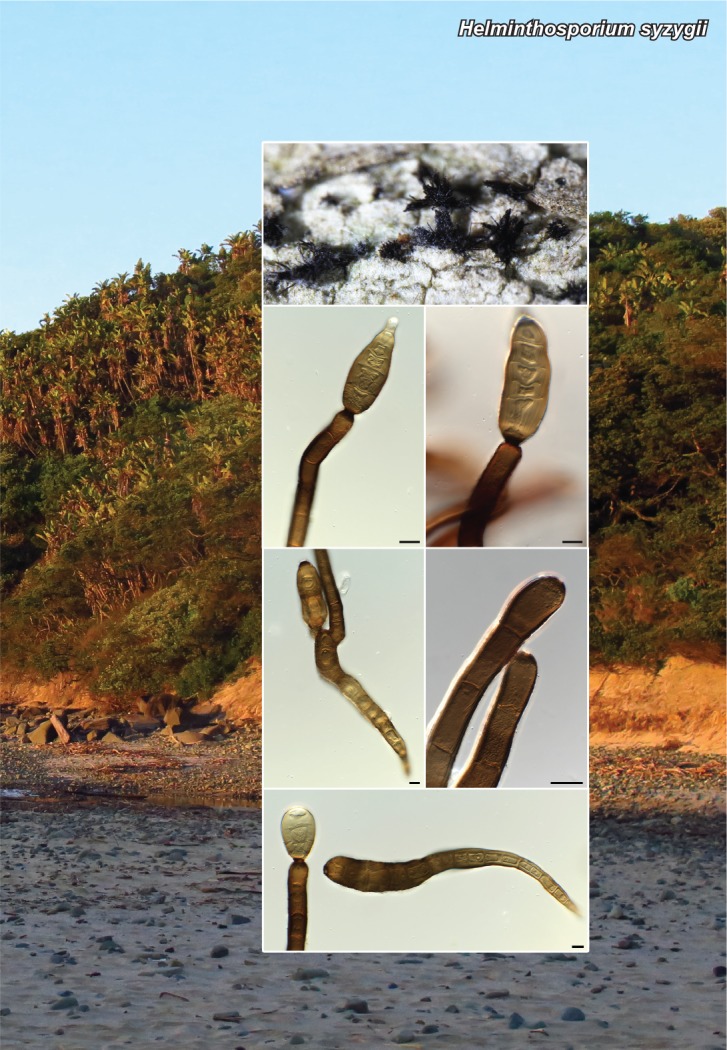
Helminthosporium syzygii
None
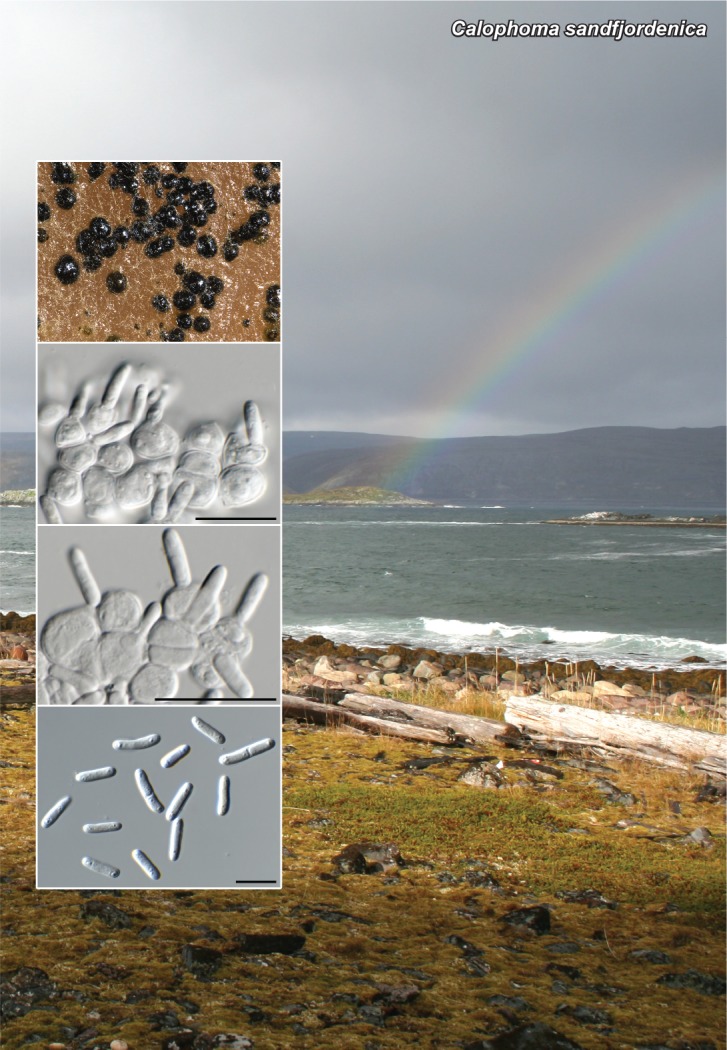
Calophoma sandfjordenica
None
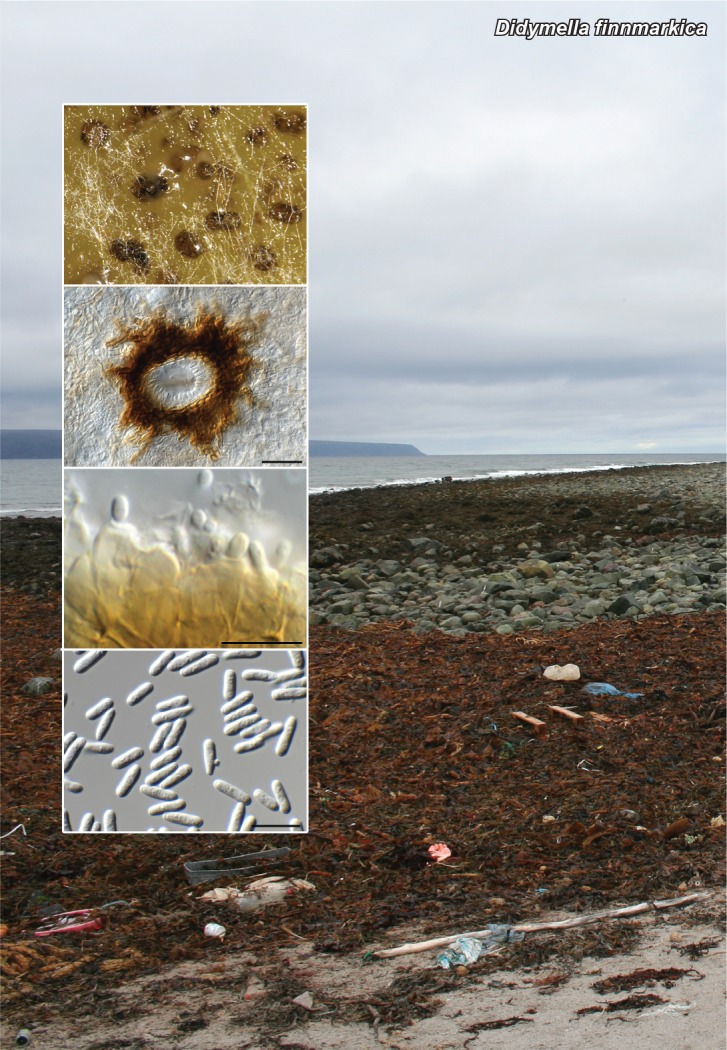
Didymella finnmarkica
None
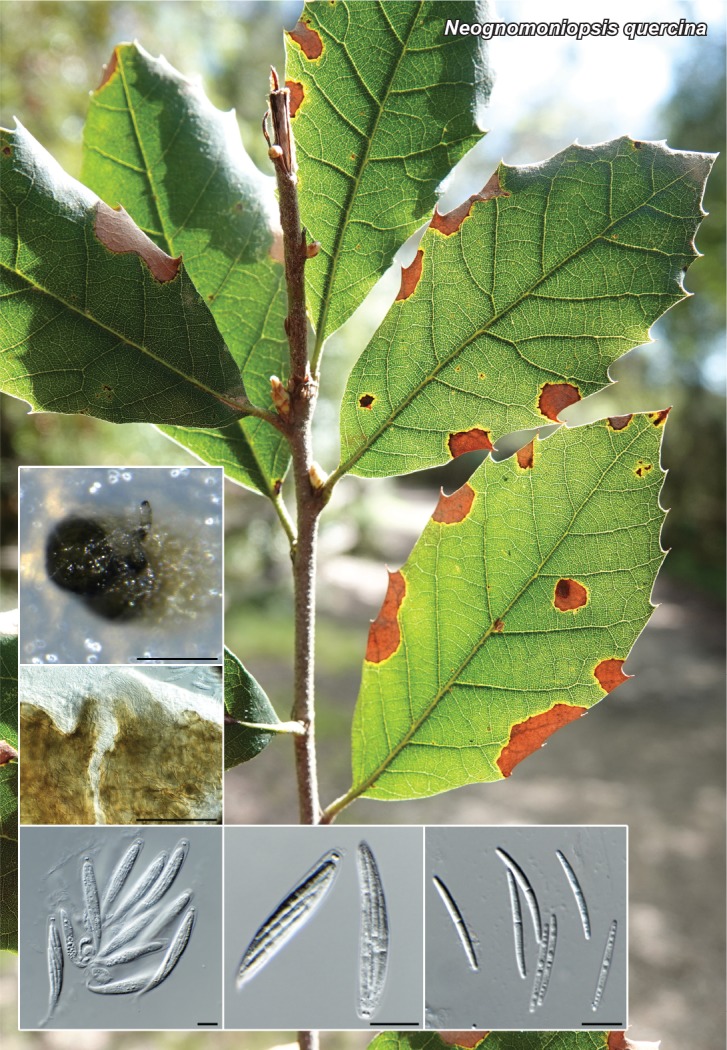
Neognomoniopsis quercina
None
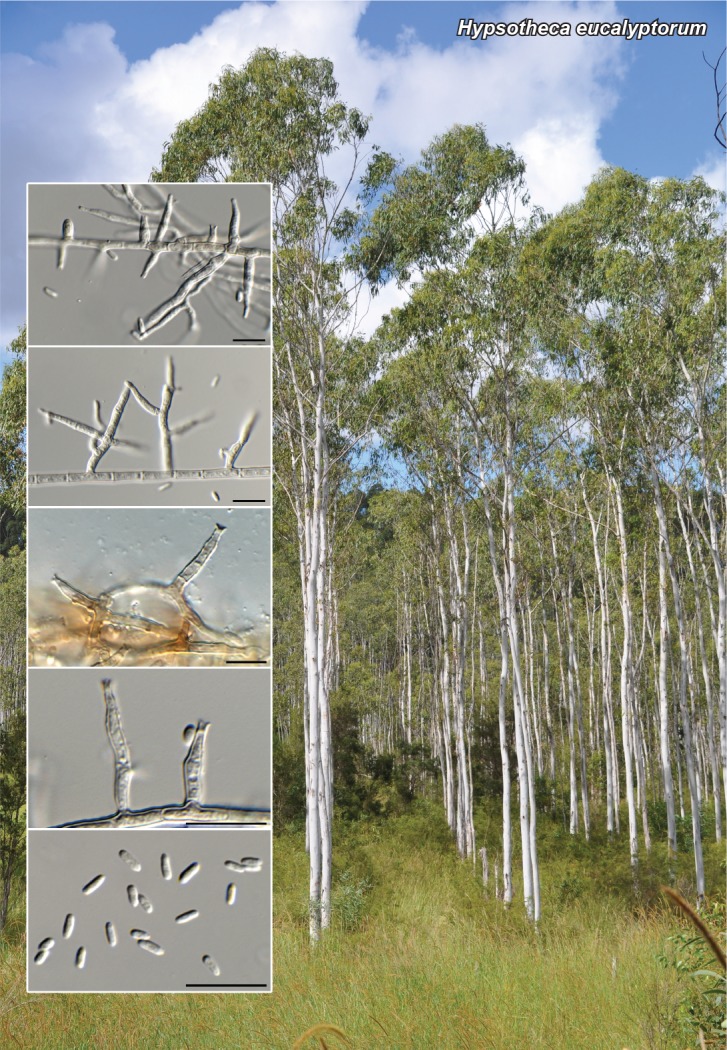
Hypsotheca eucalyptorum
None
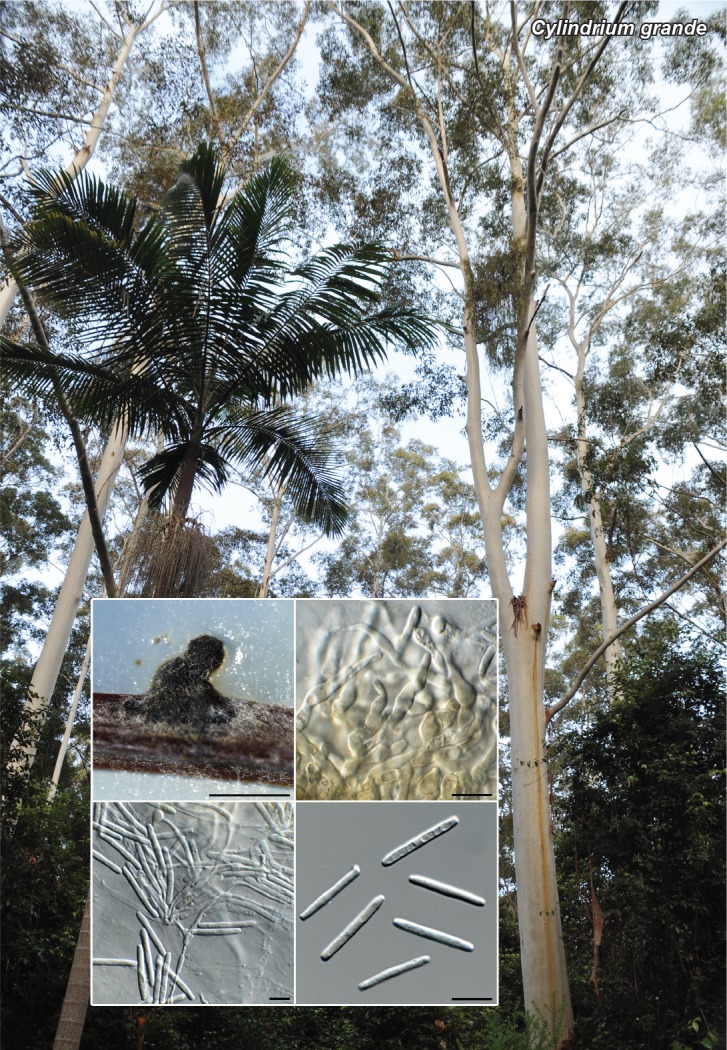
Cylindrium grande
None
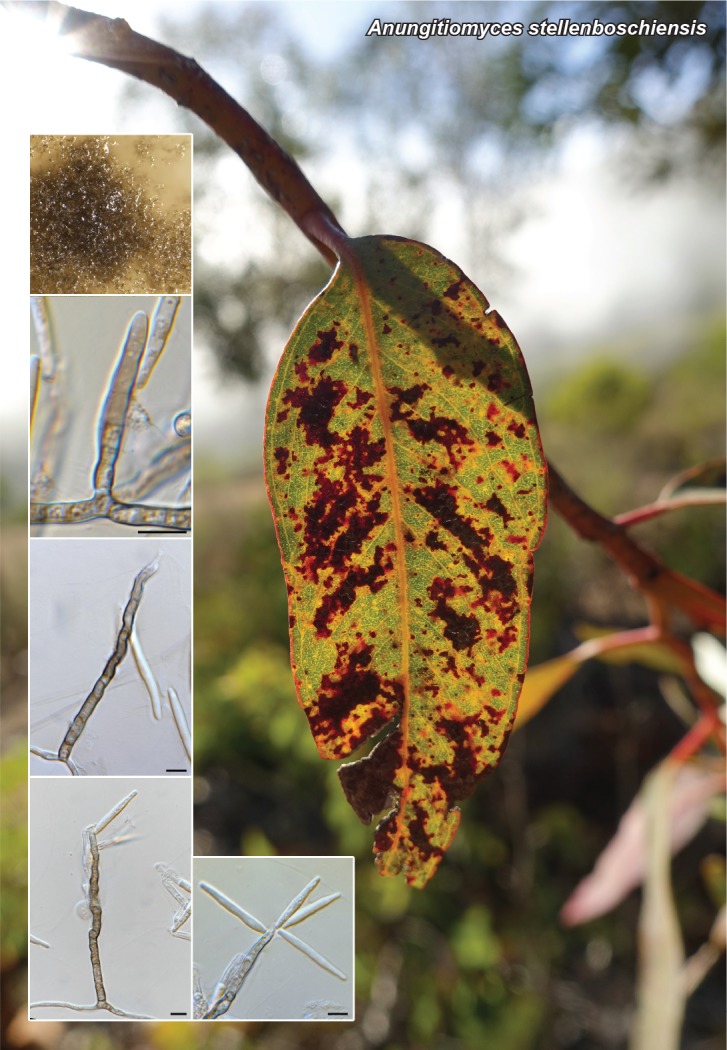
Anungitiomyces stellenboschiensis
None
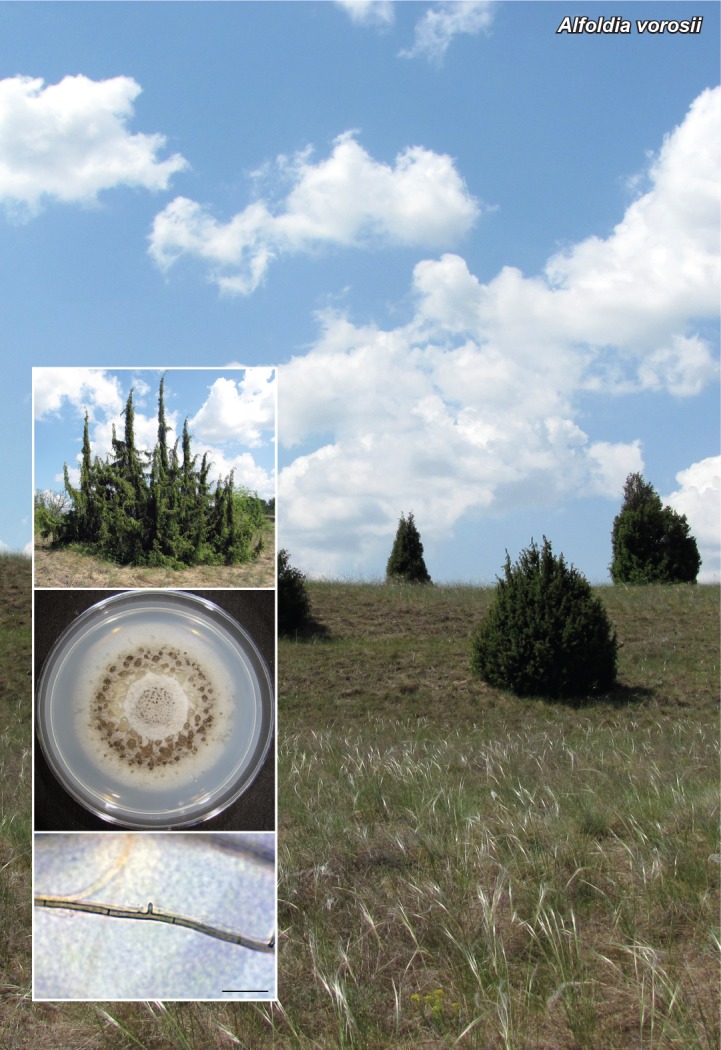
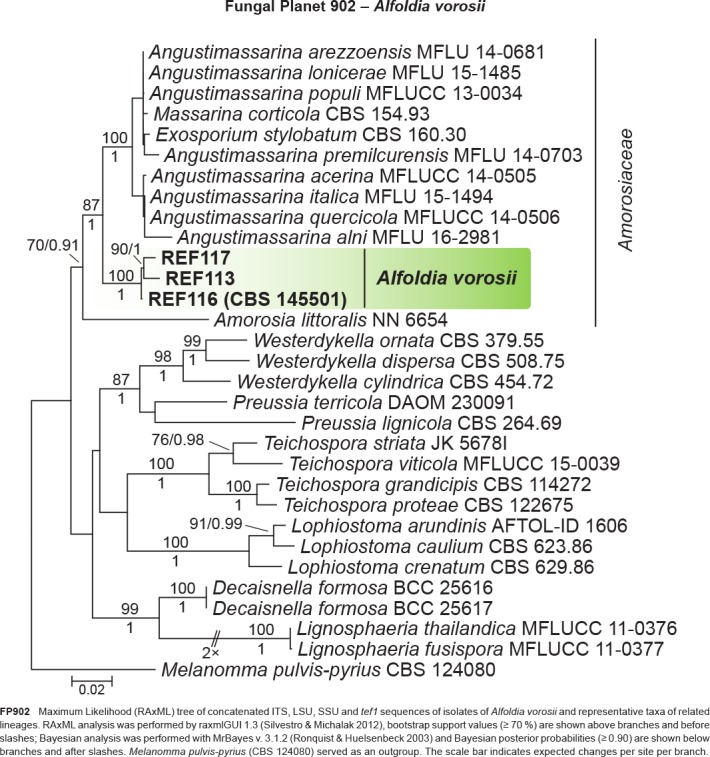
Alfoldia vorosii
None
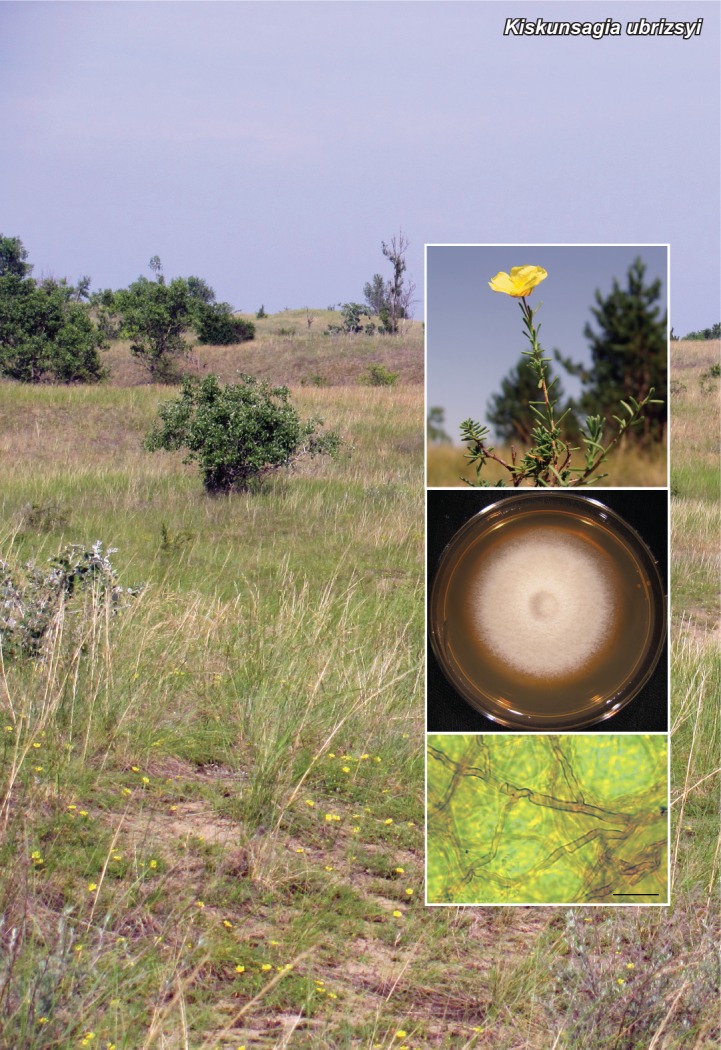
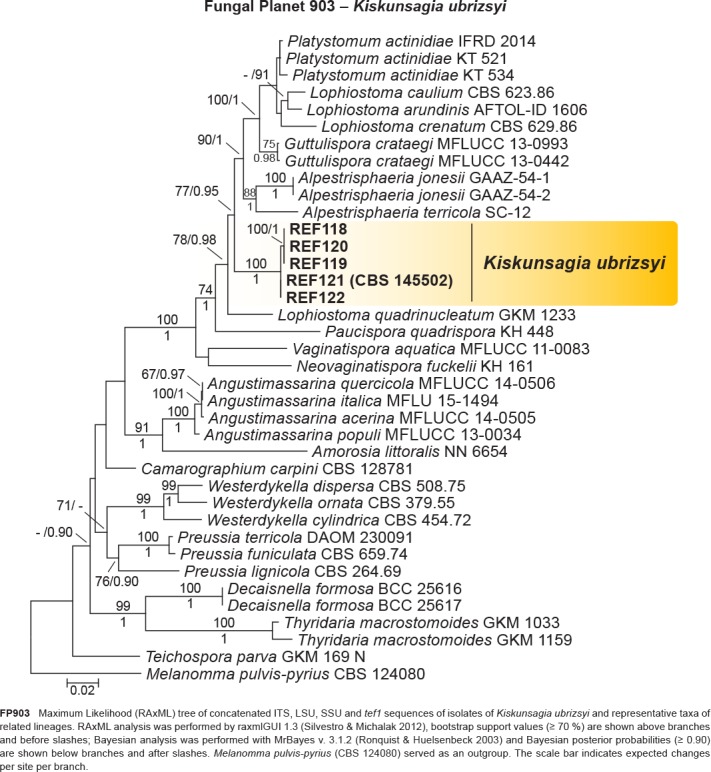
Kiskunsagia ubrizsyi
None
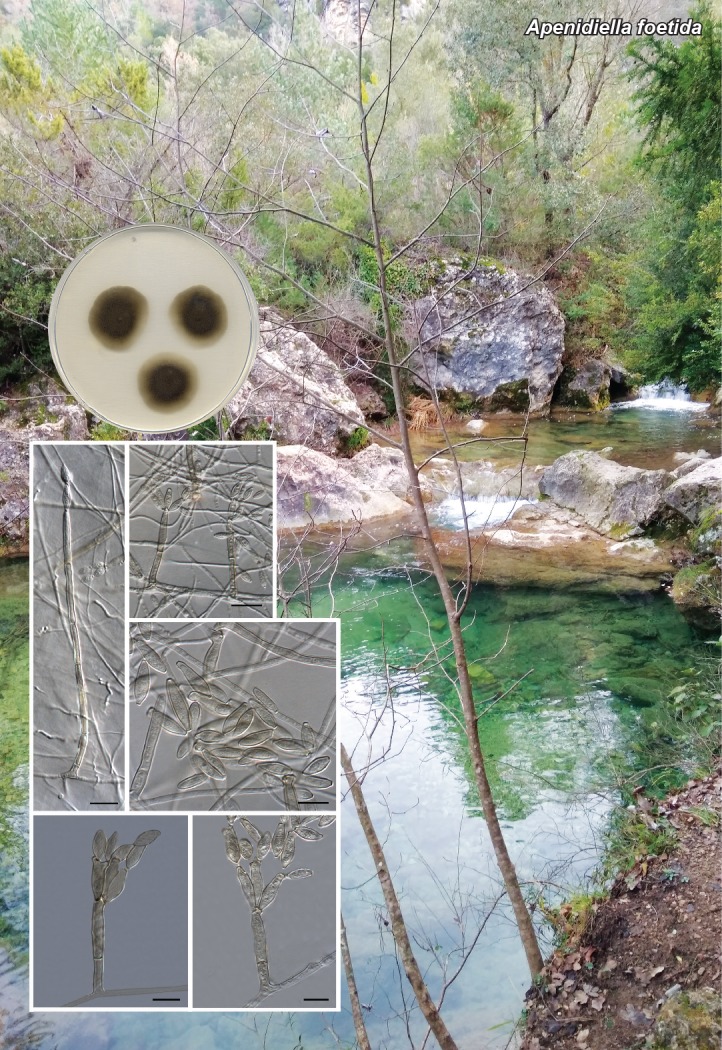
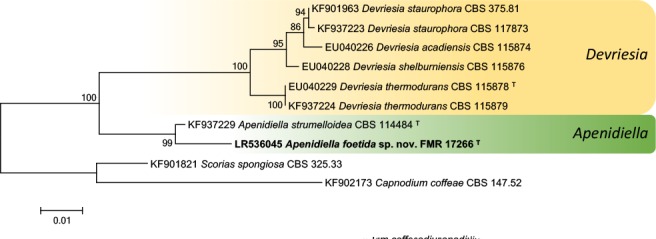
Apenidiella foetida
None
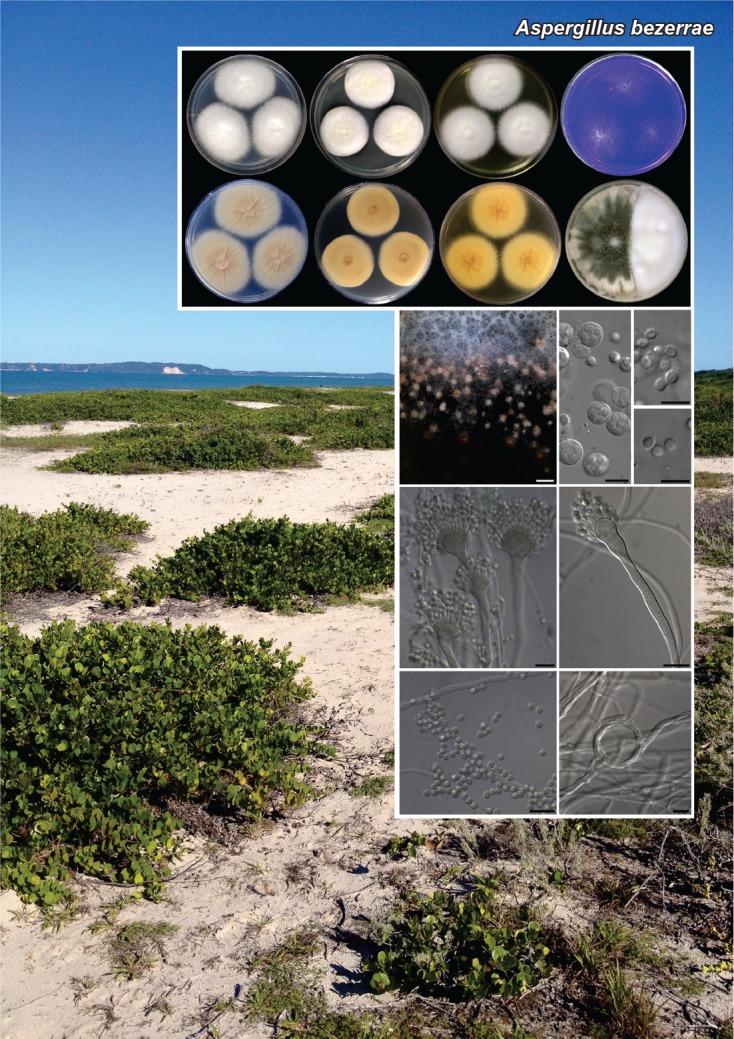
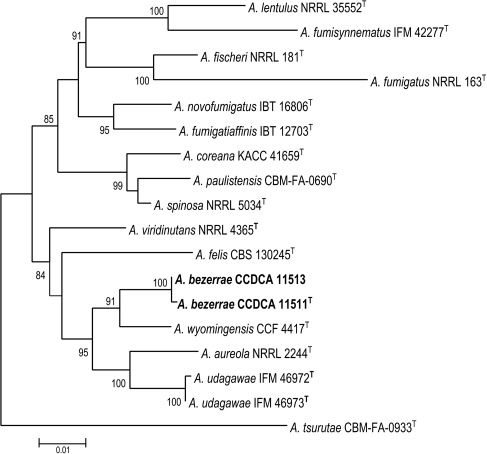
Aspergillus bezerrae
None
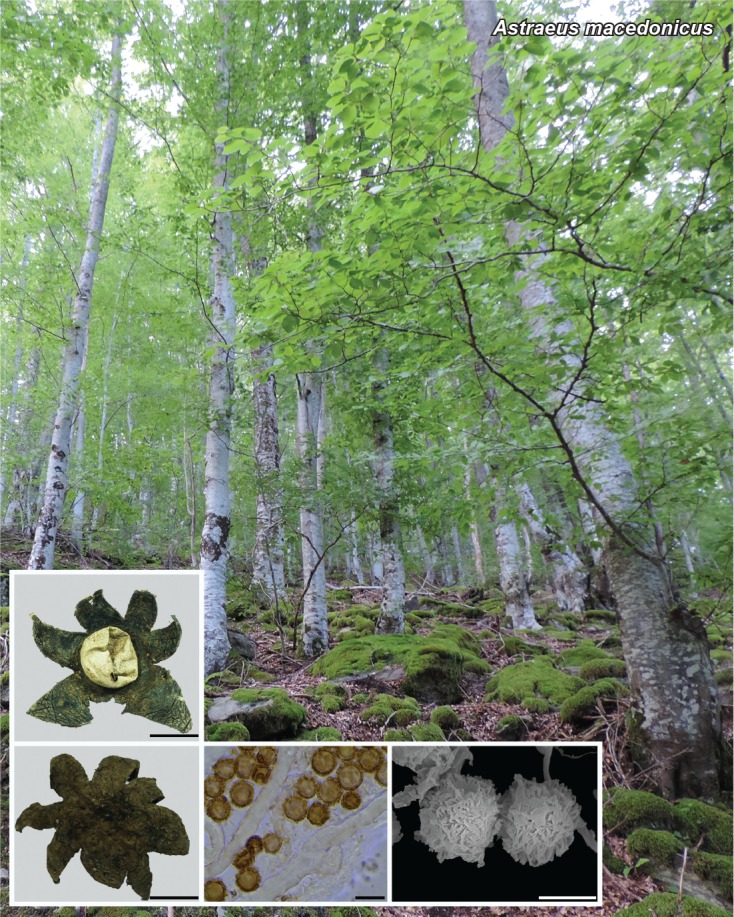
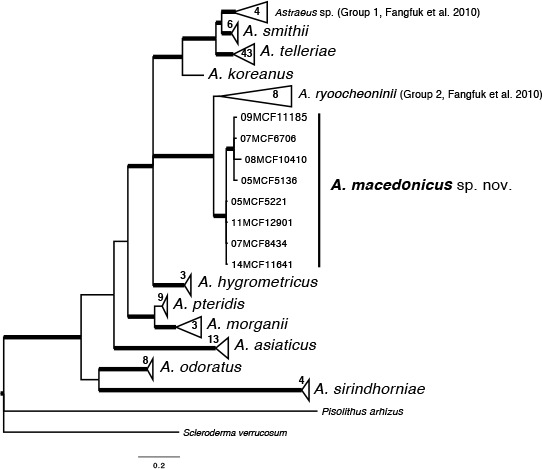
Astraeus macedonicus
None
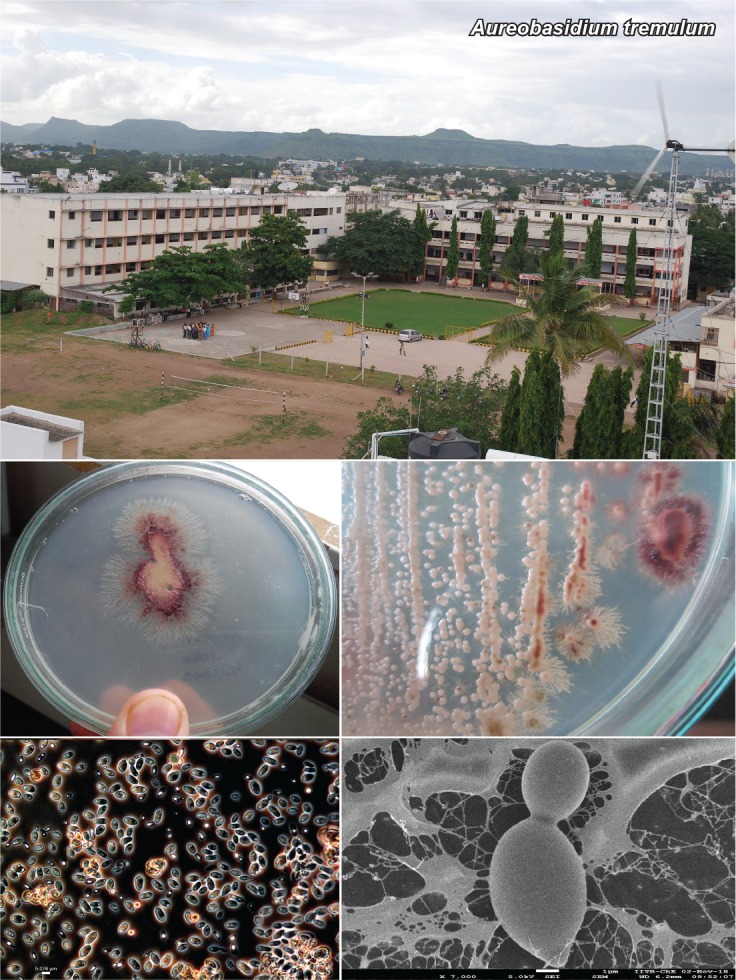
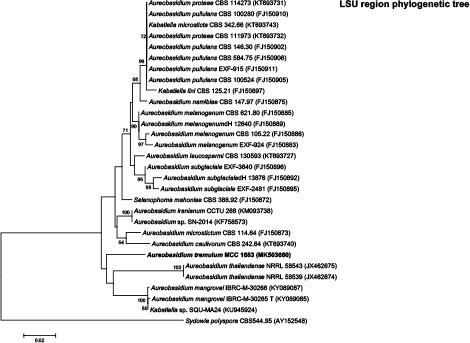
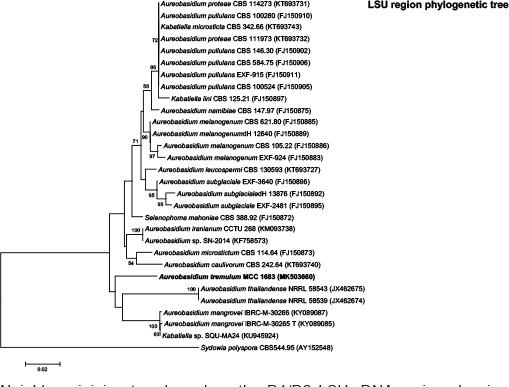
Aureobasidium tremulum
None
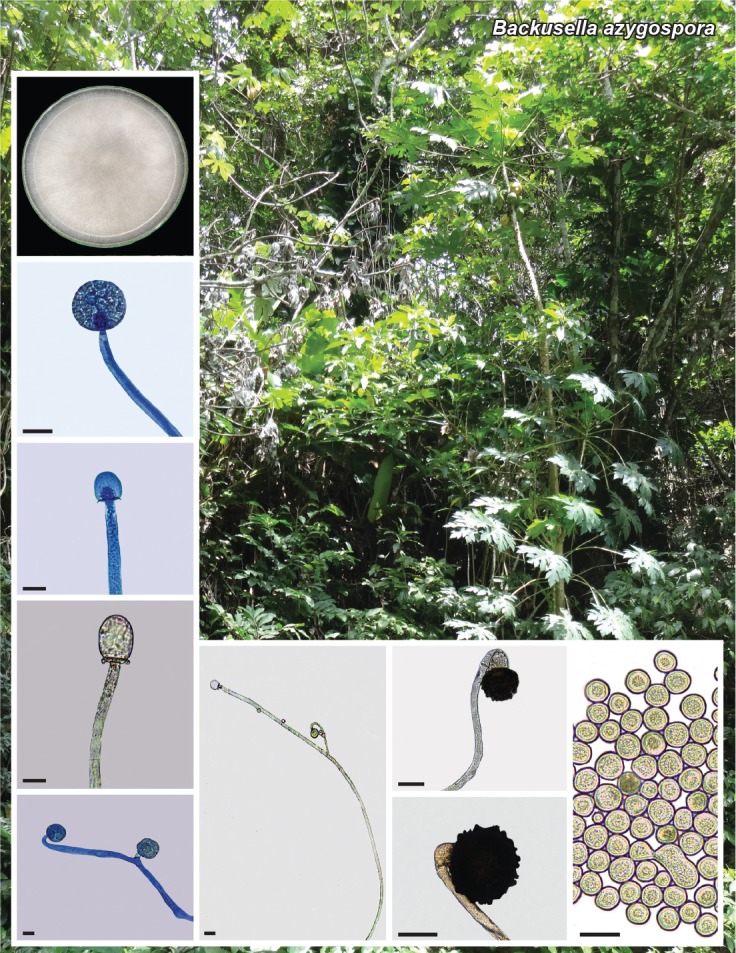
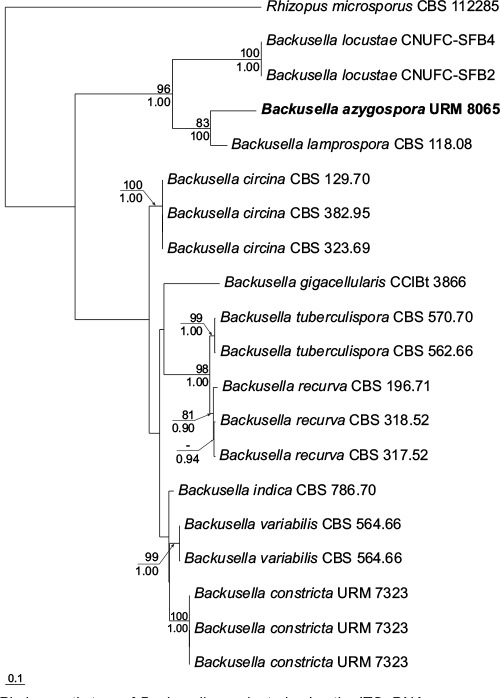
Backusella azygospora
None
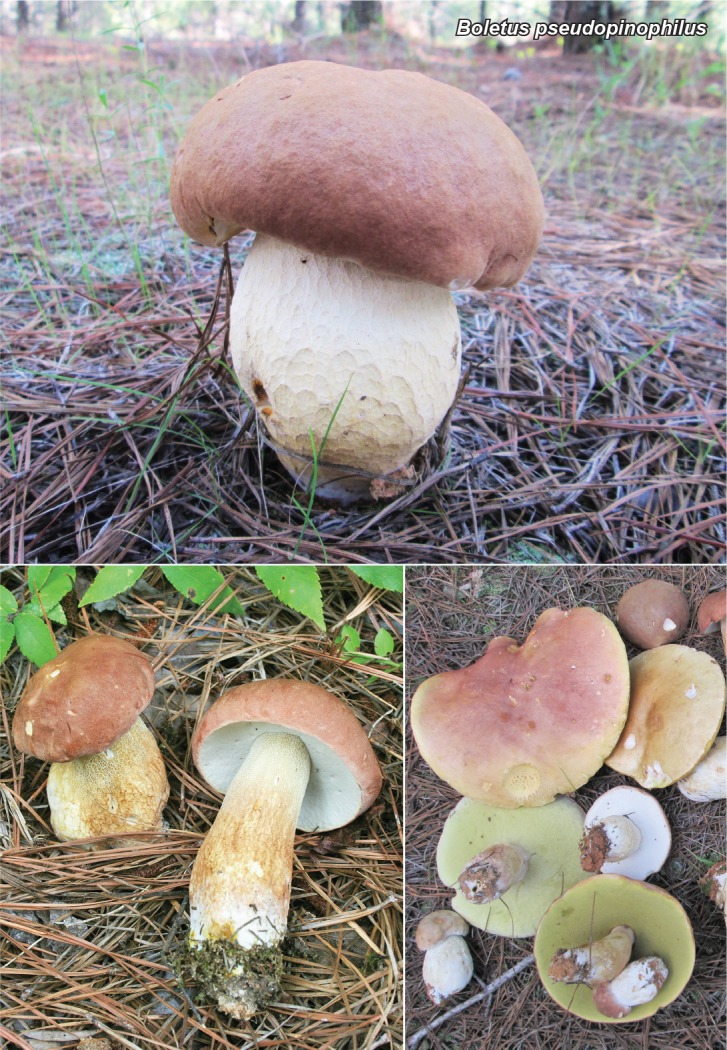
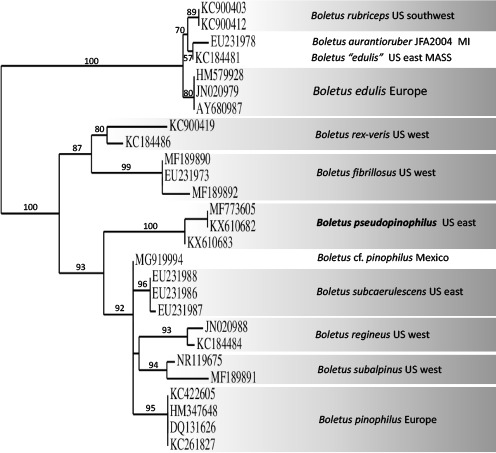
Boletus pseudopinophilus
None
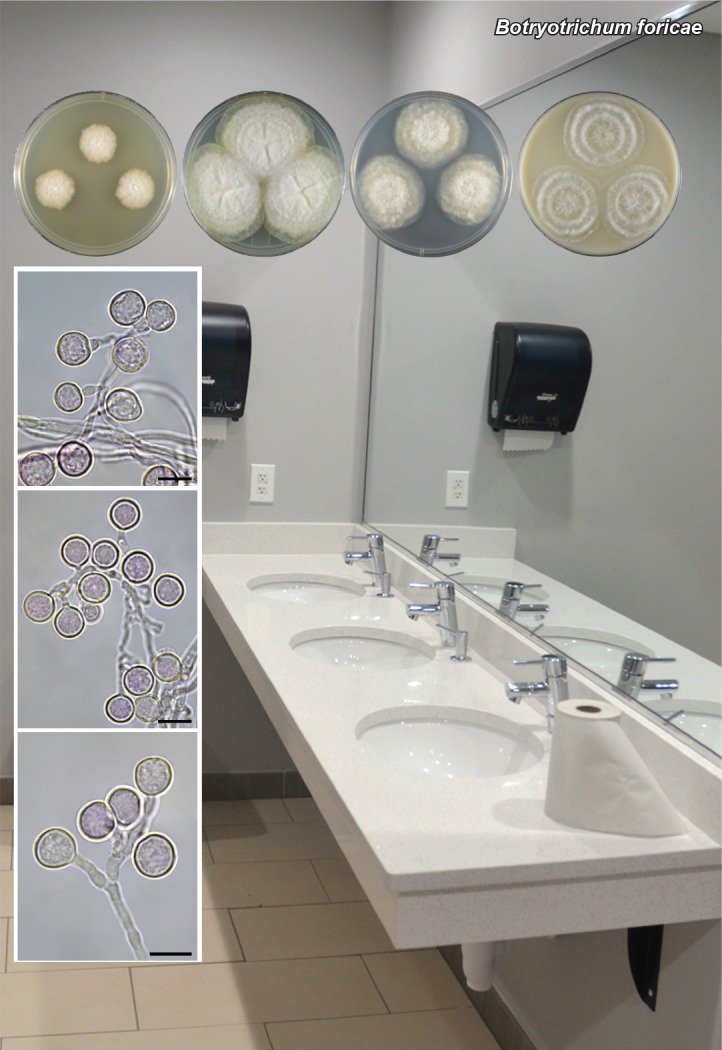
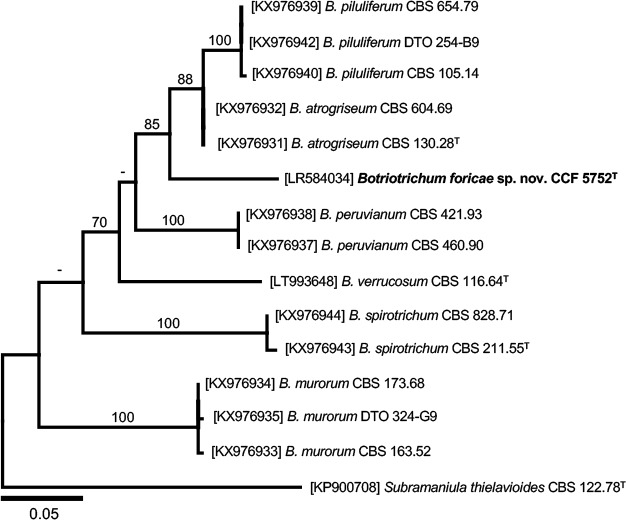
Botryotrichum foricae
None
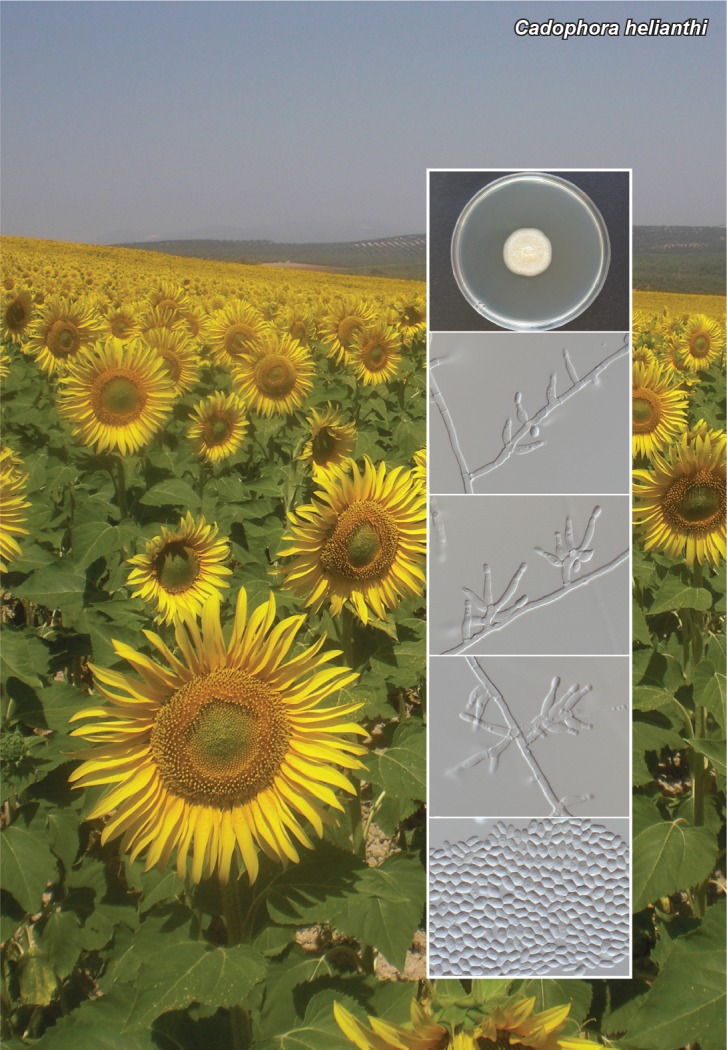
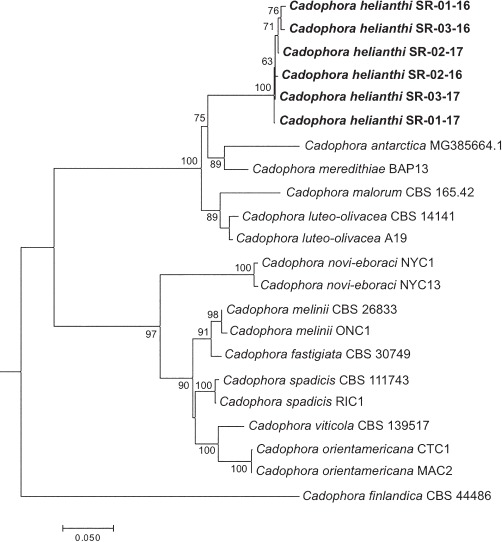
Cadophora helianthi
None
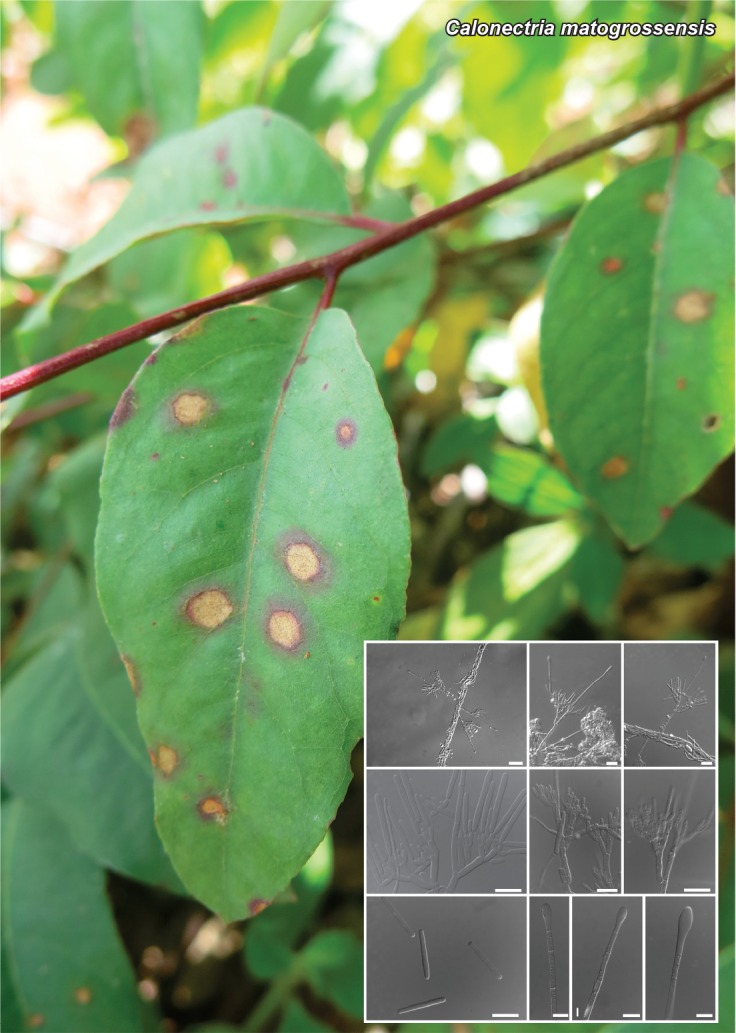
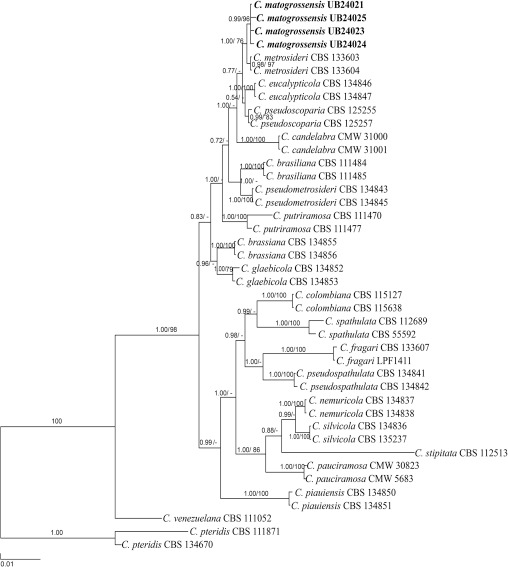
Calonectria matogrossensis
None
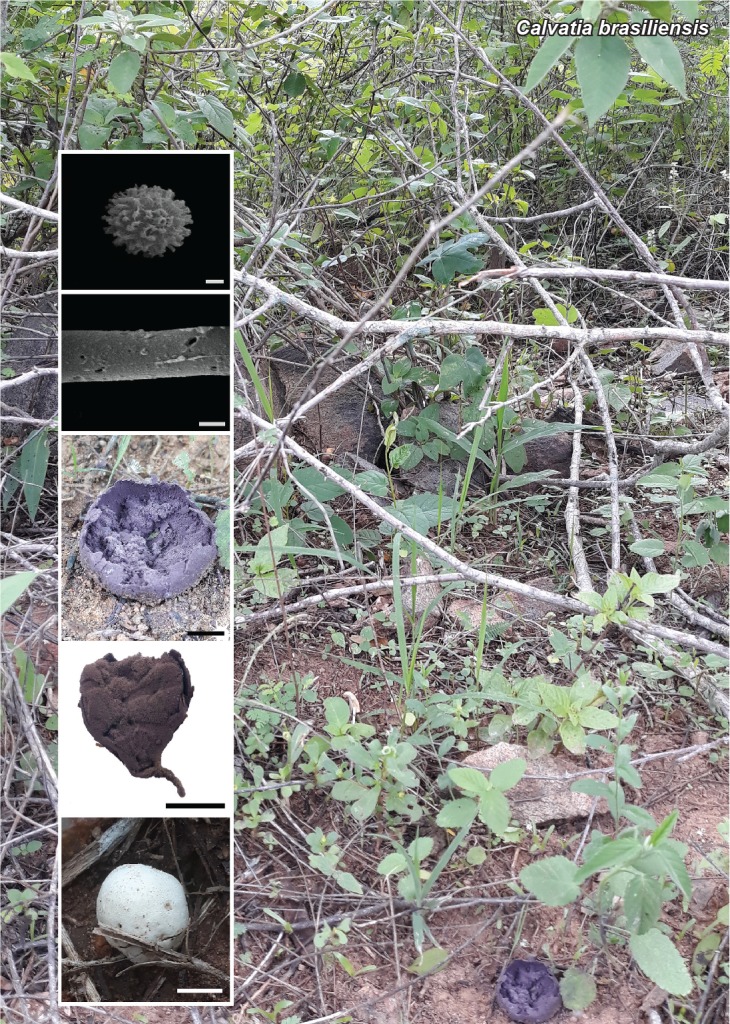
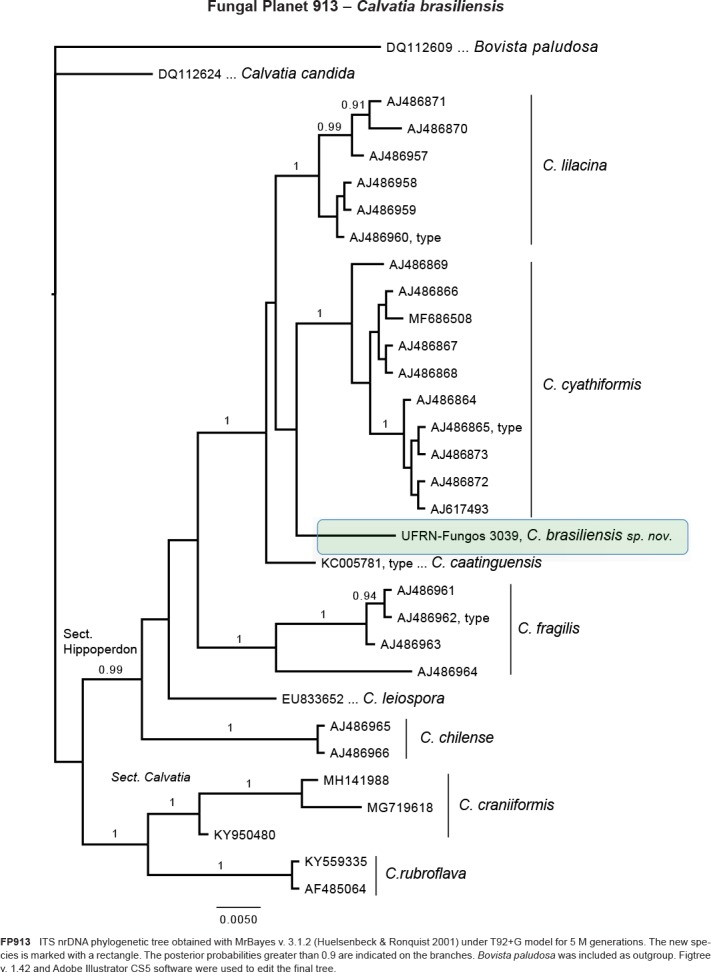
Calvatia brasiliensis
None
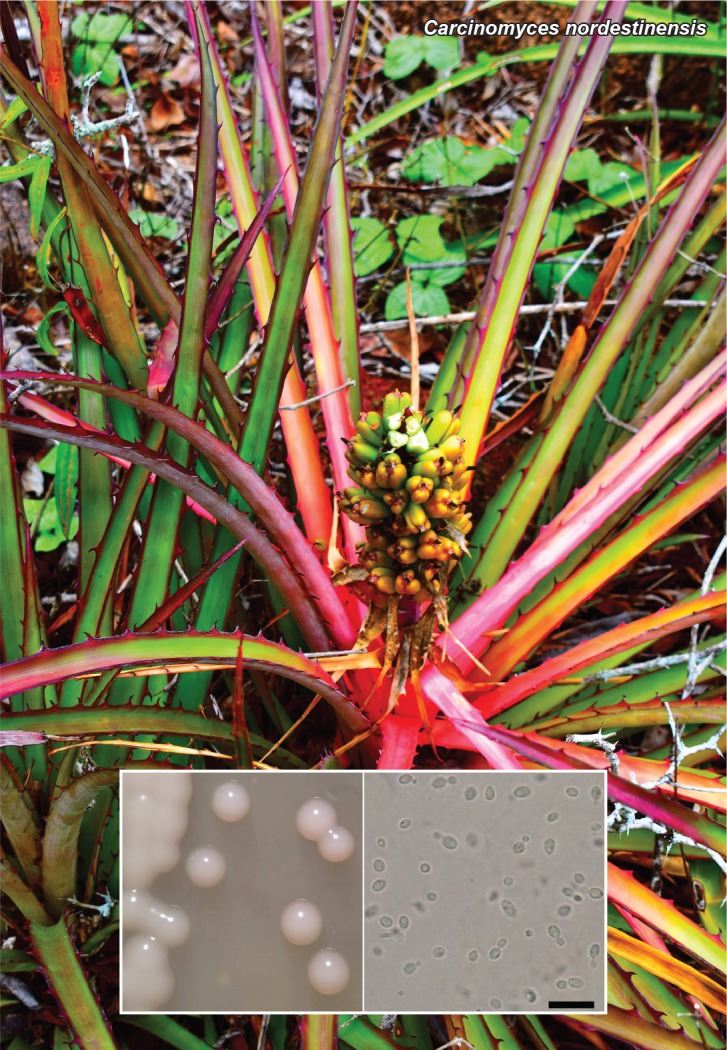
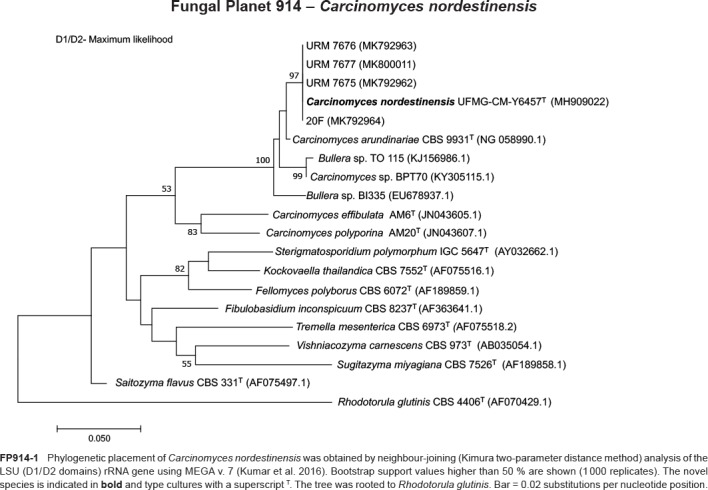
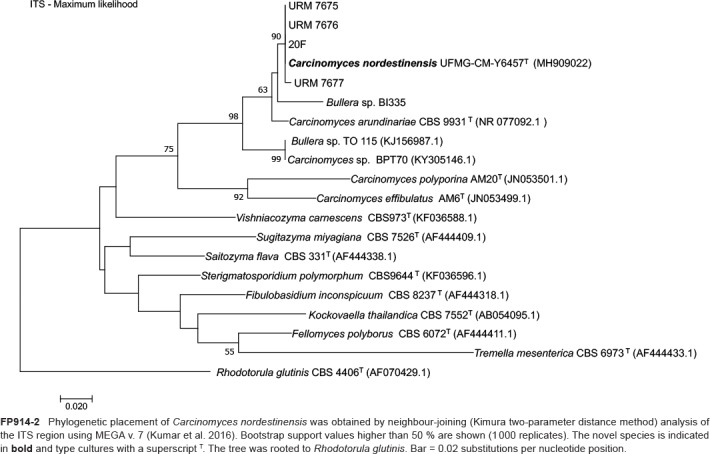
Carcinomyces nordestinensis
None
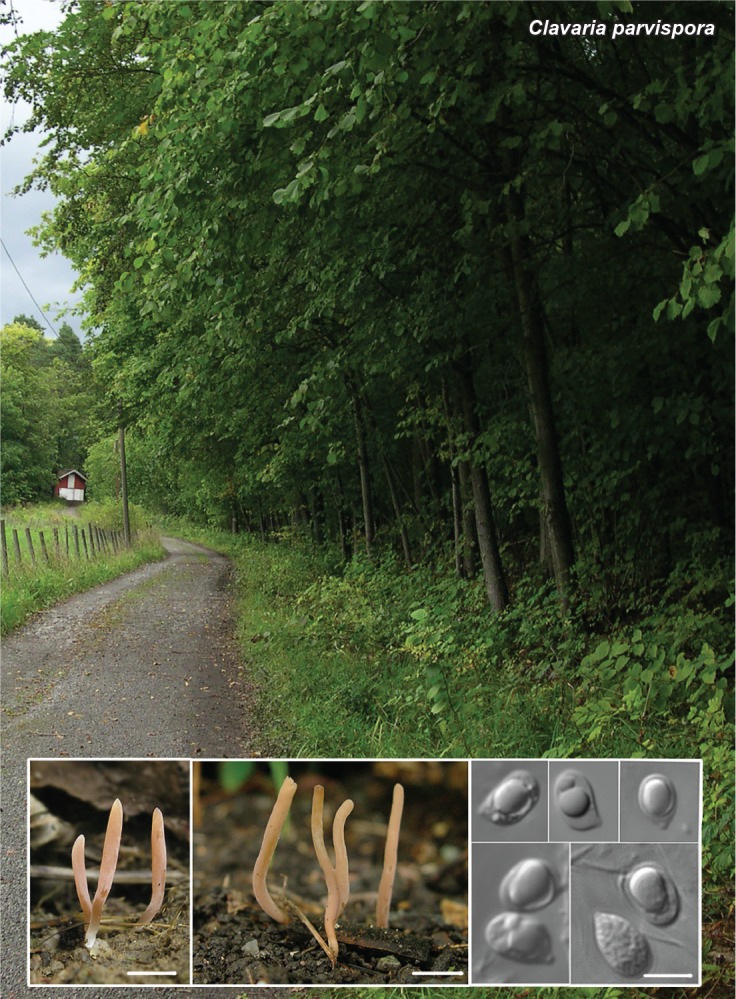
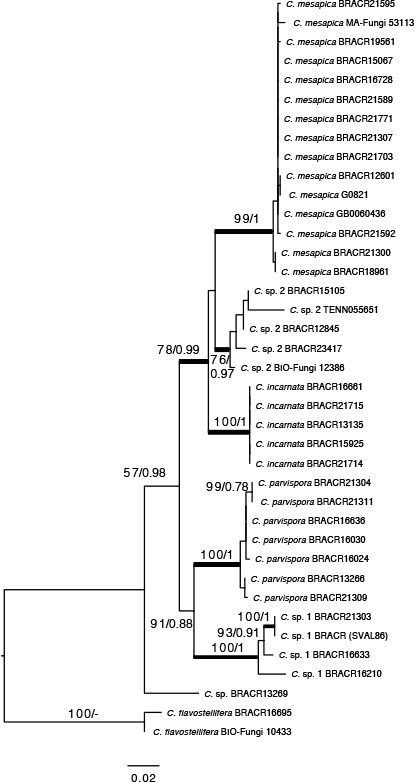
Clavaria parvispora
None
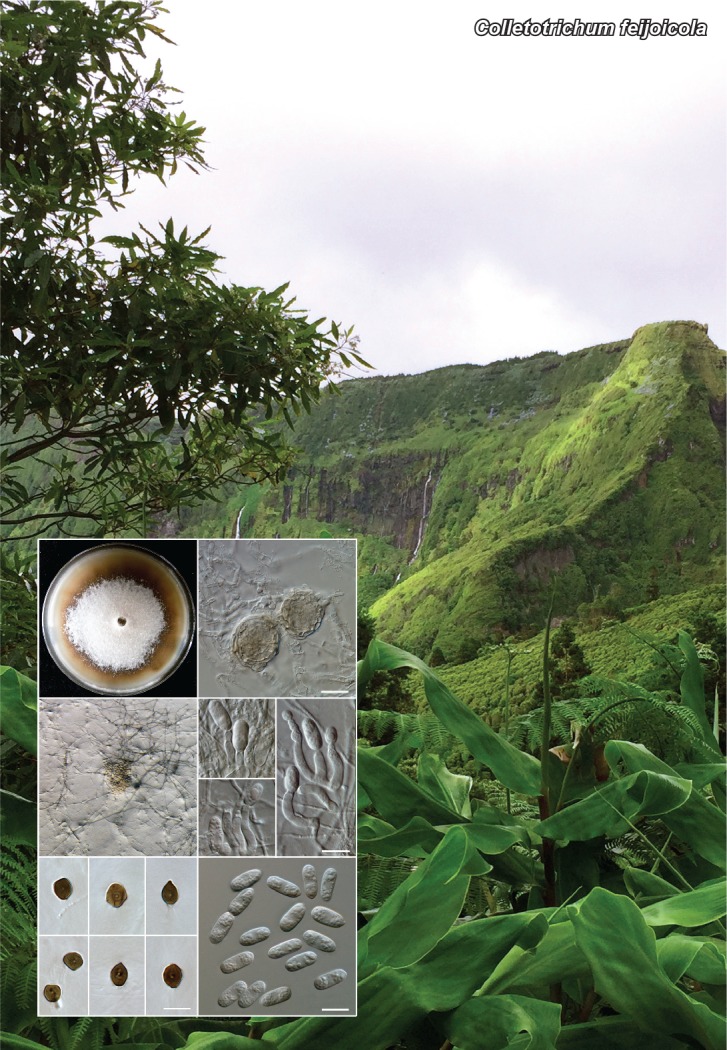
Colletotrichum feijoicola
None
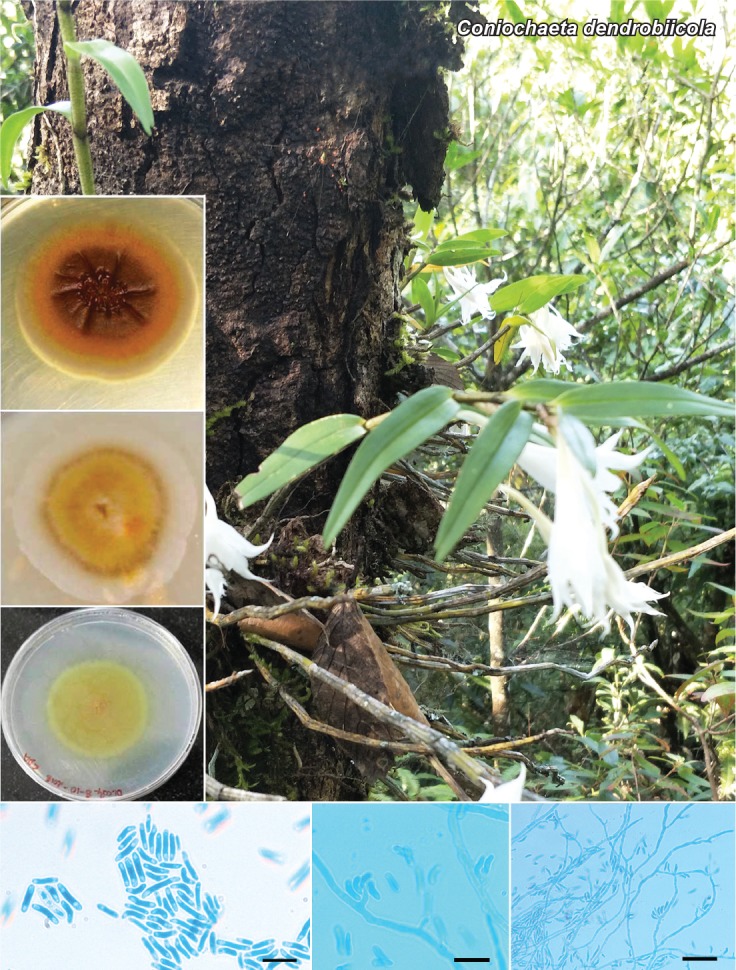
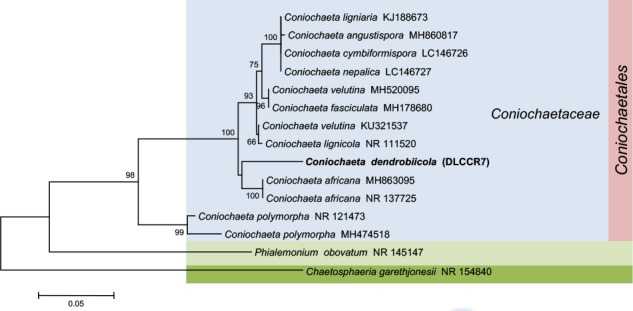
Coniochaeta dendrobiicola
None
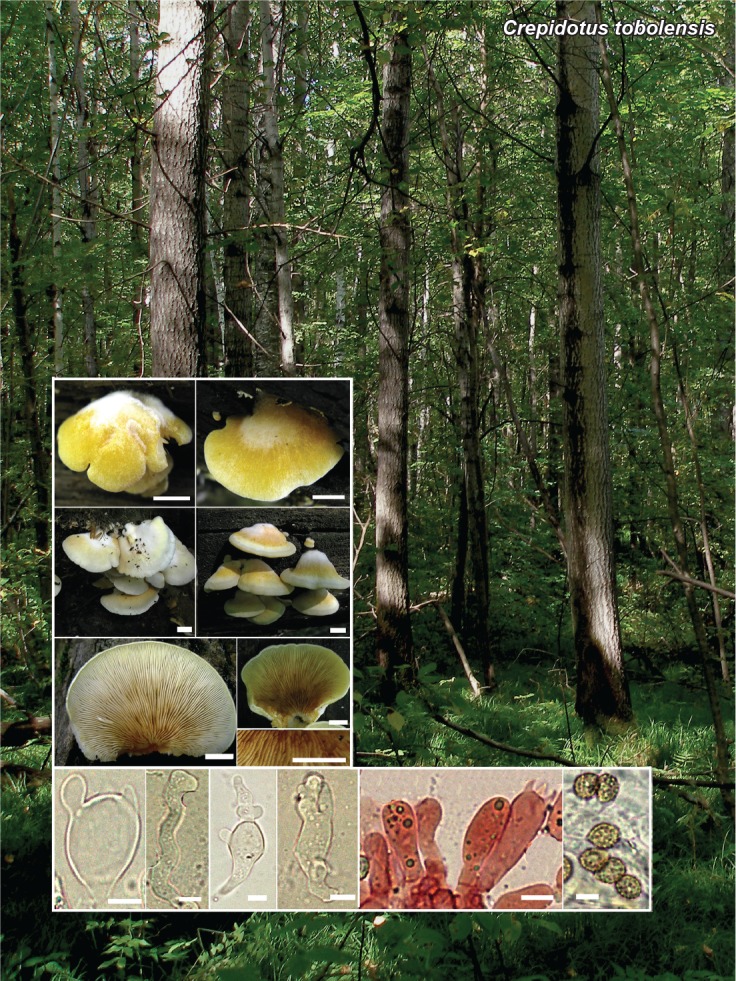
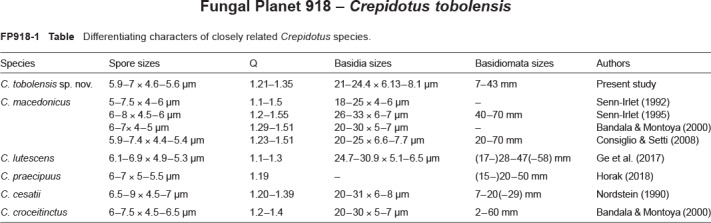
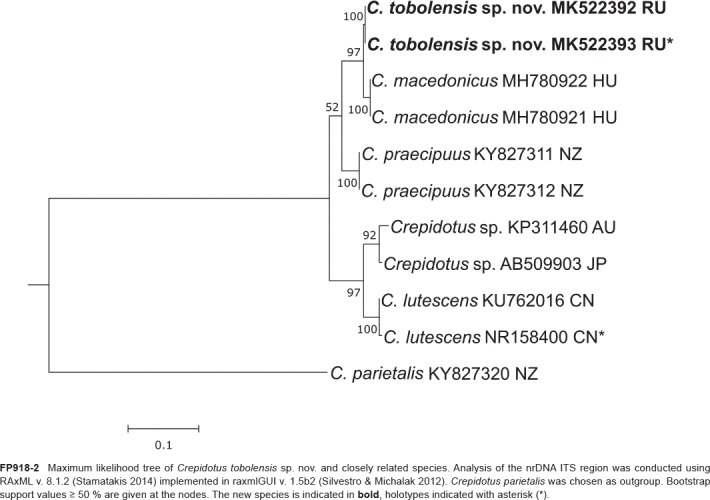
Crepidotus tobolensis
None
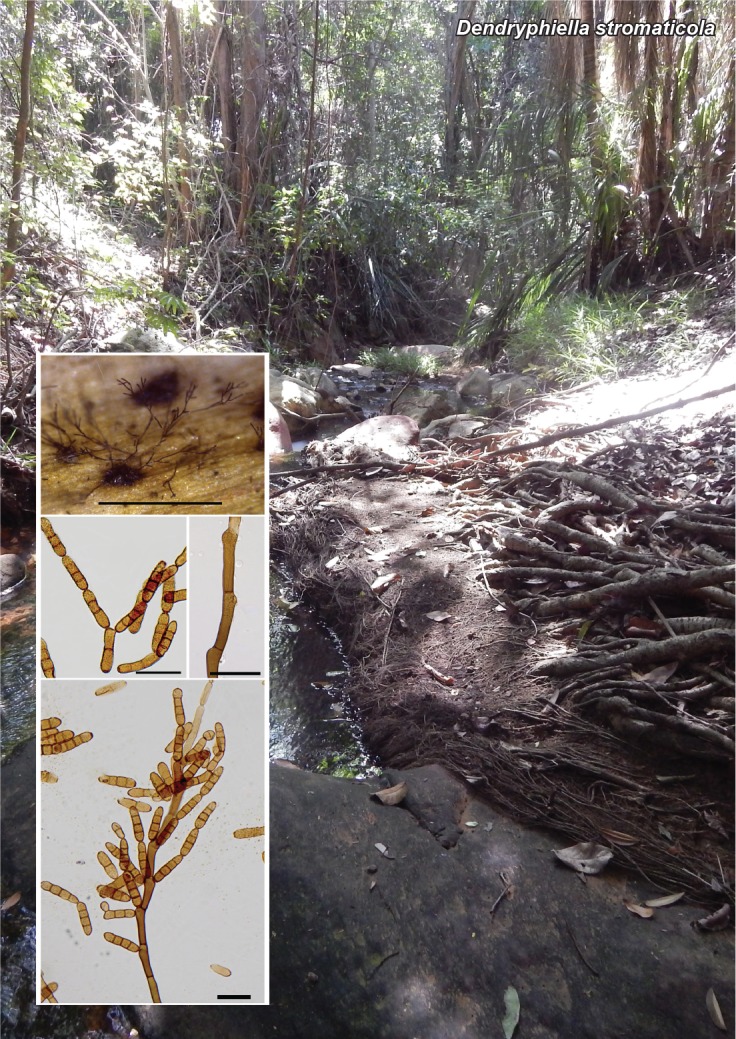
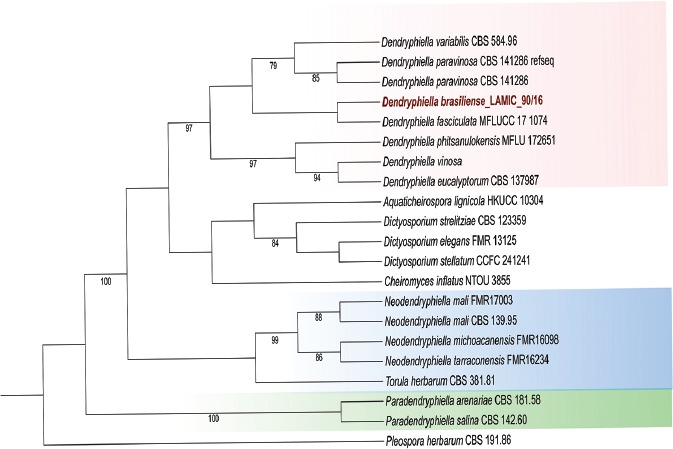
Dendryphiella stromaticola
None
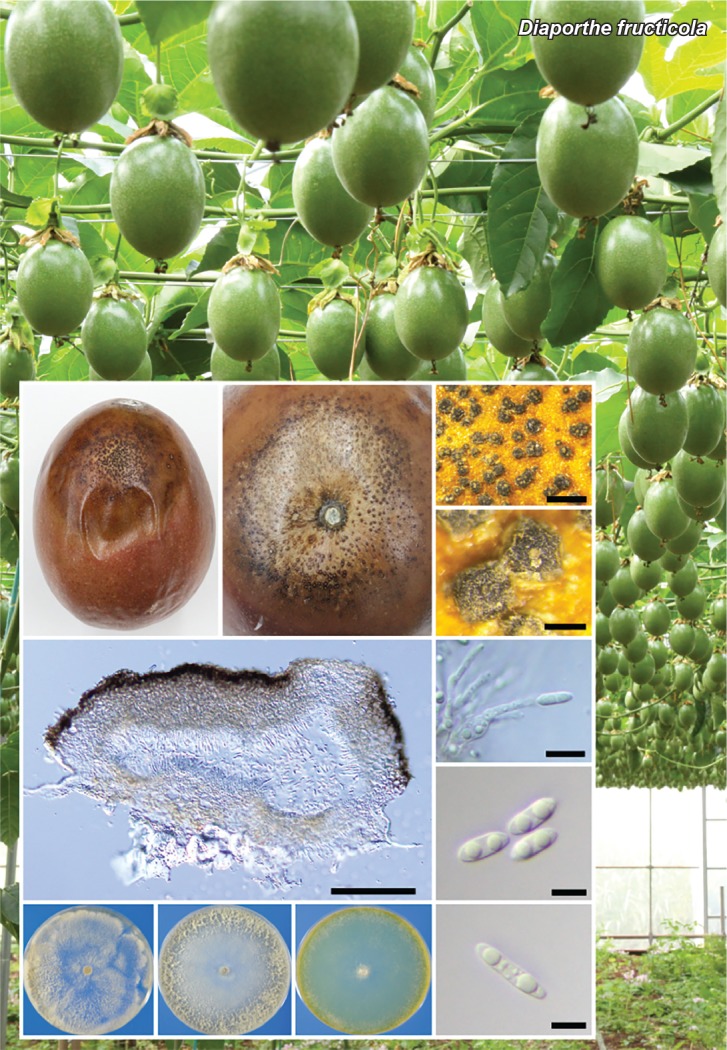
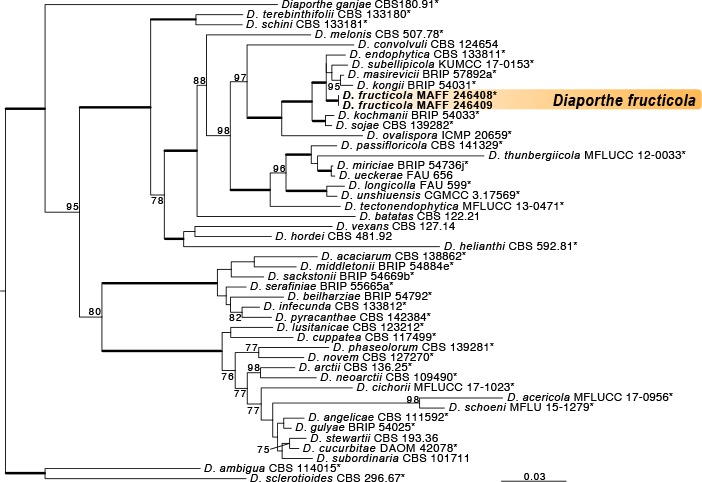
Diaporthe fructicola
None
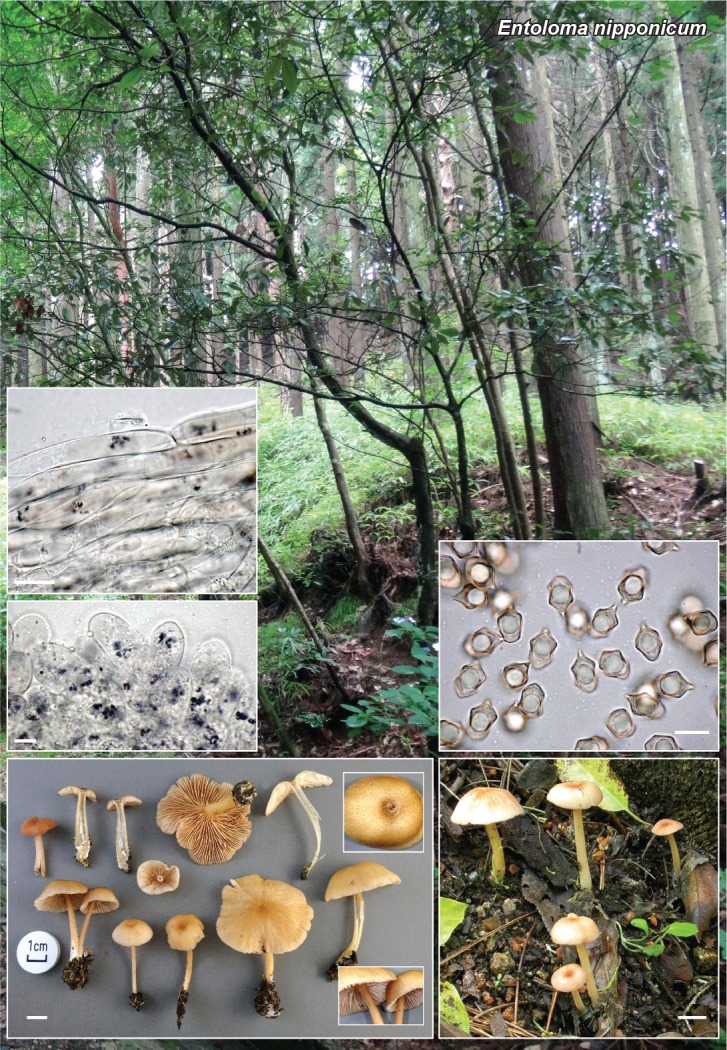
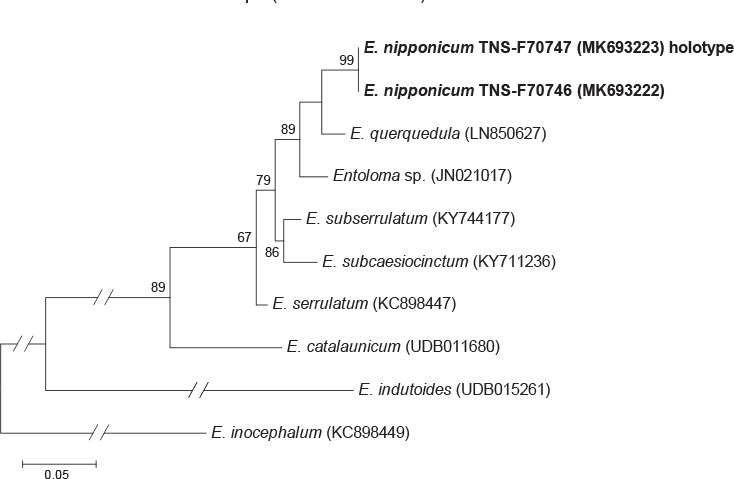
Entoloma nipponicum
None
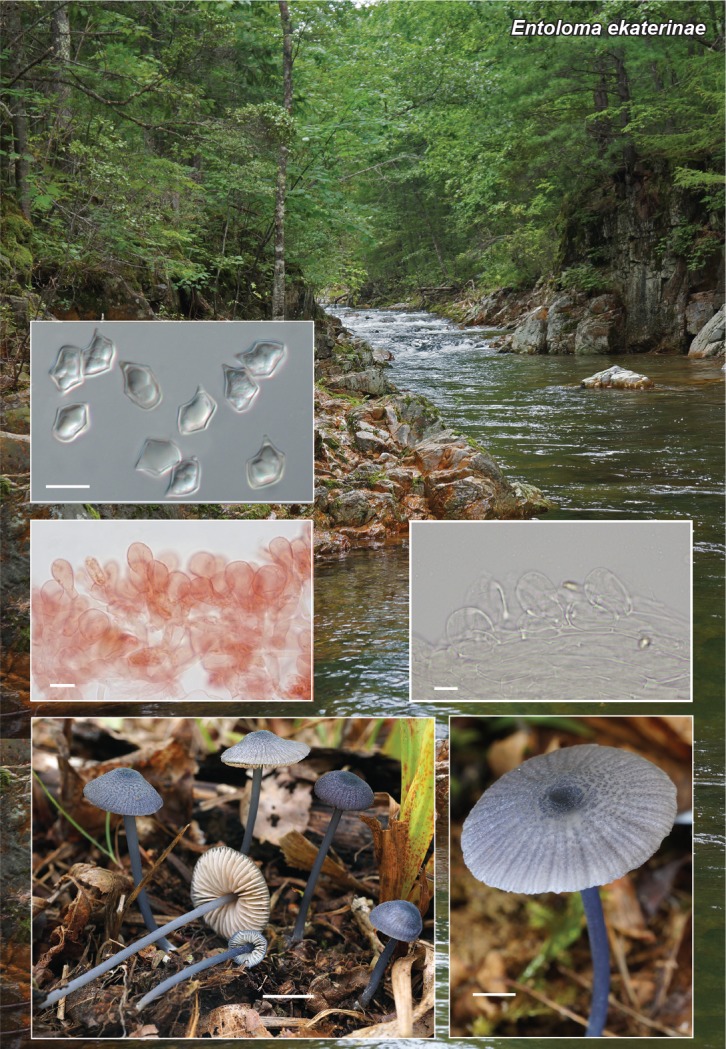
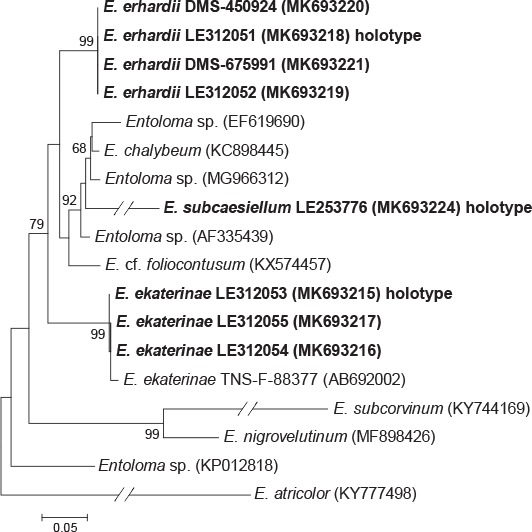
Entoloma ekaterinae
None
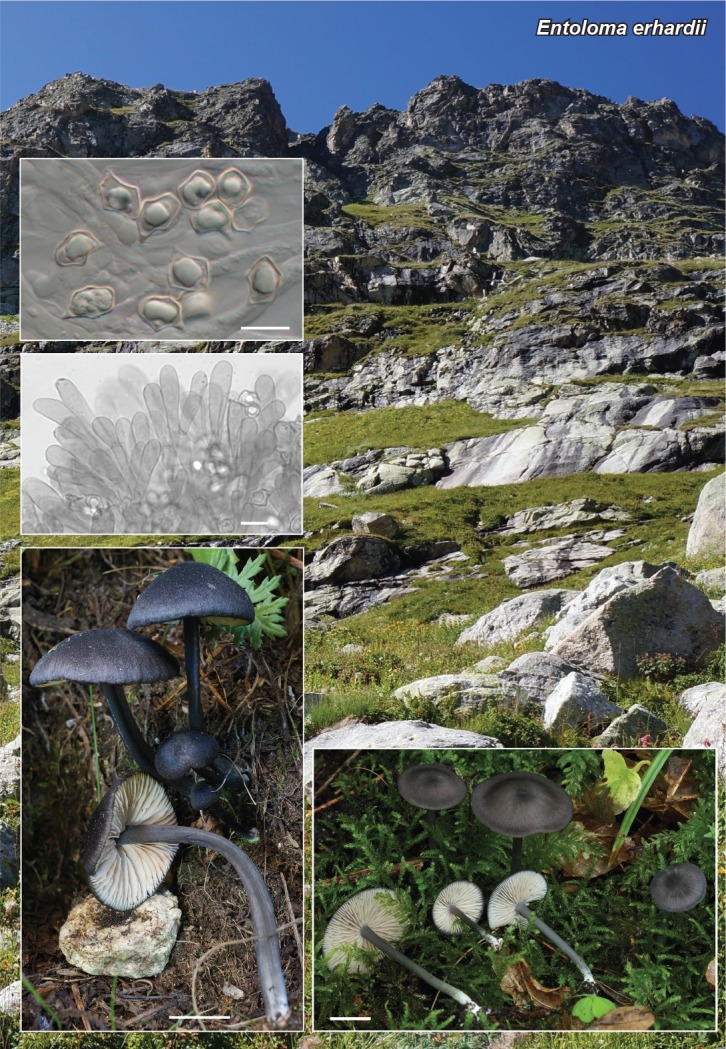
Entoloma erhardii
None
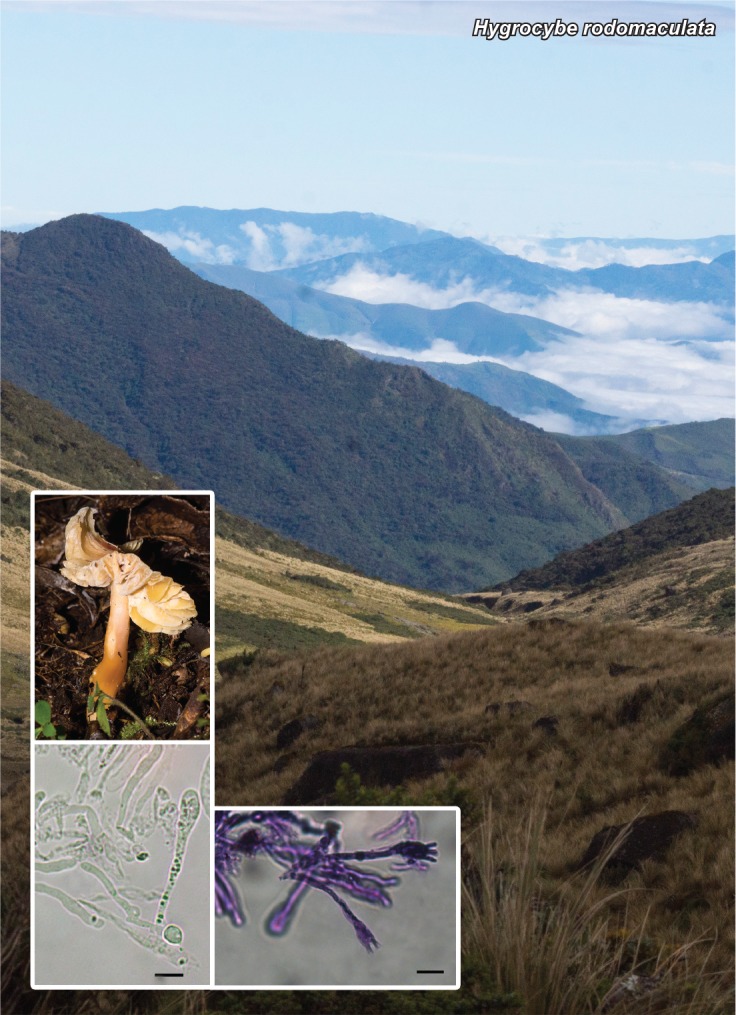
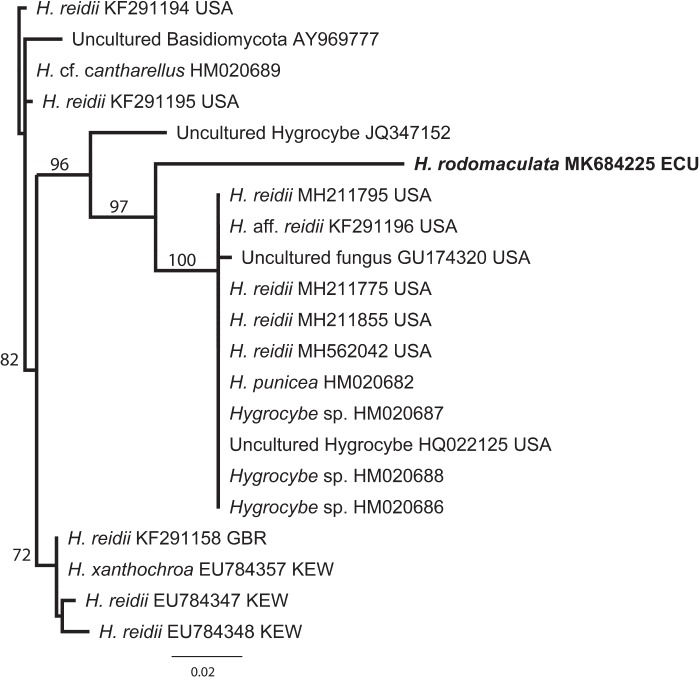
Hygrocybe rodomaculata
None
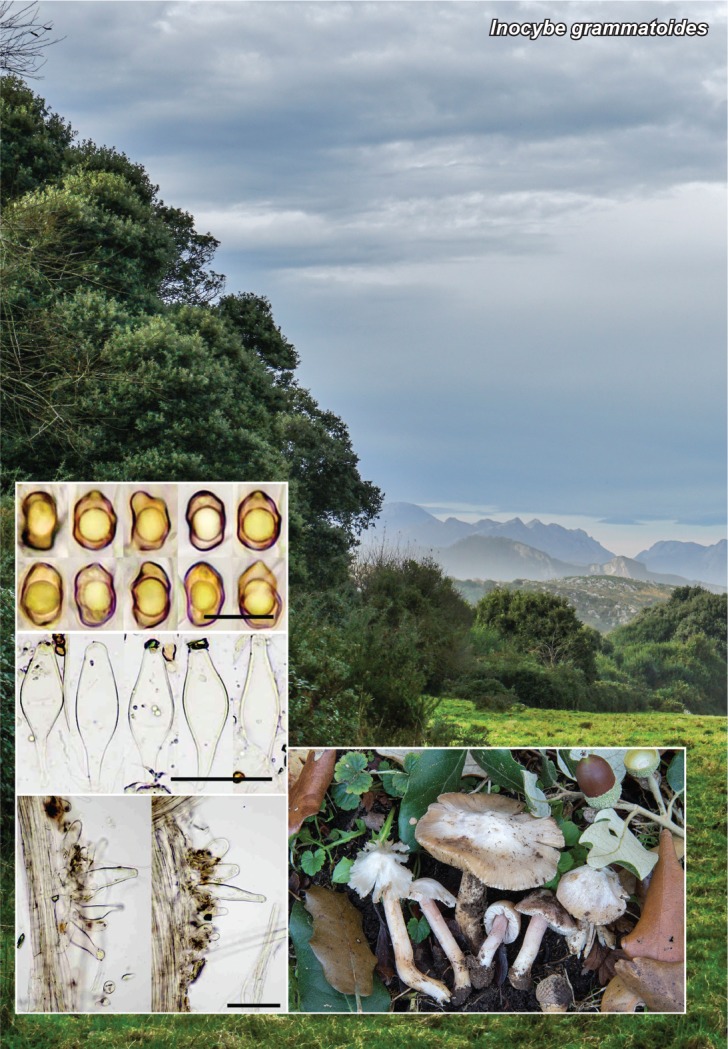
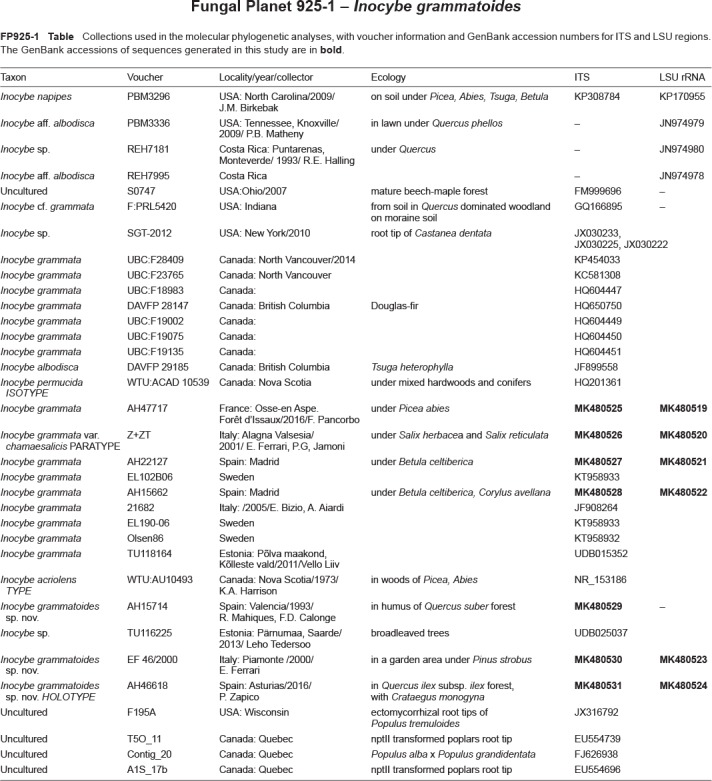
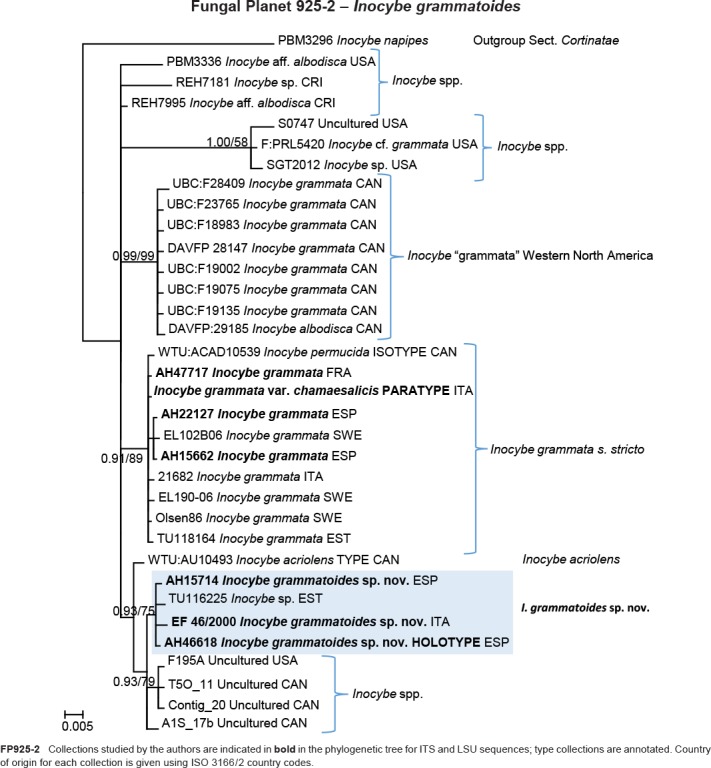
Inocybe grammatoides
None
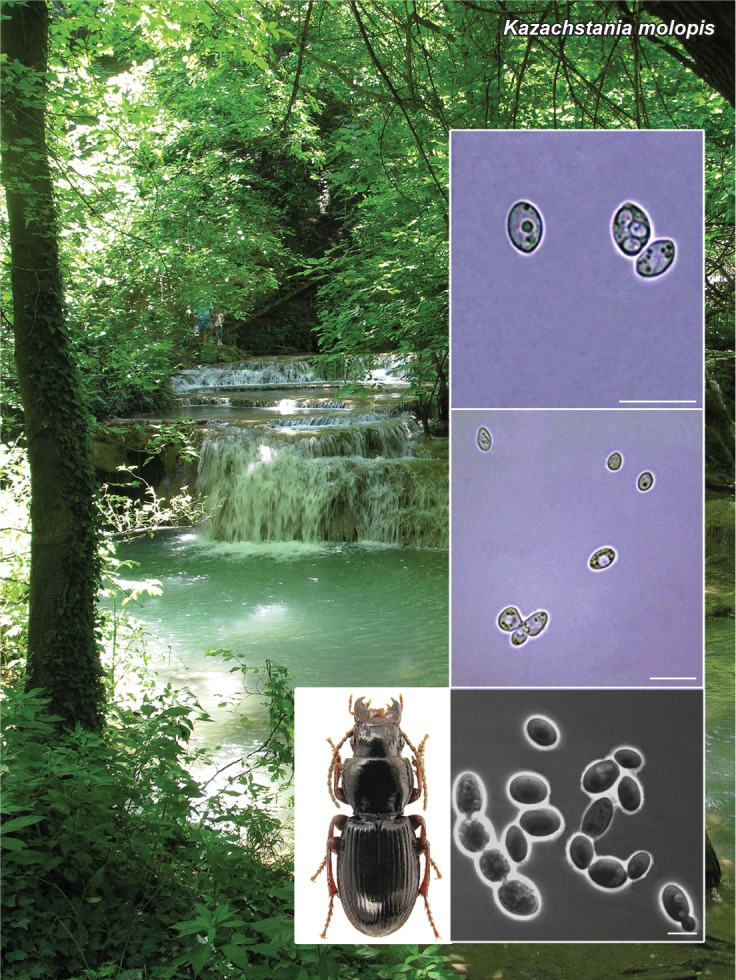
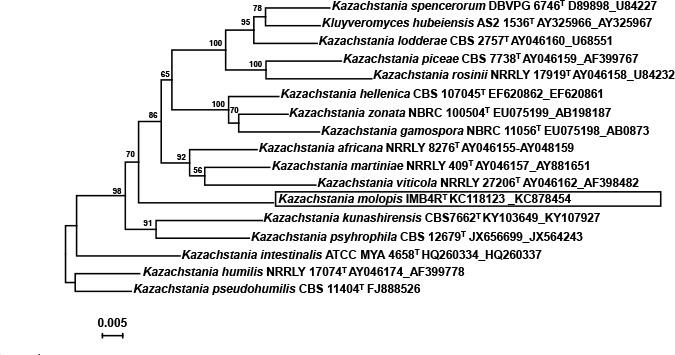
Kazachstania molopis
None
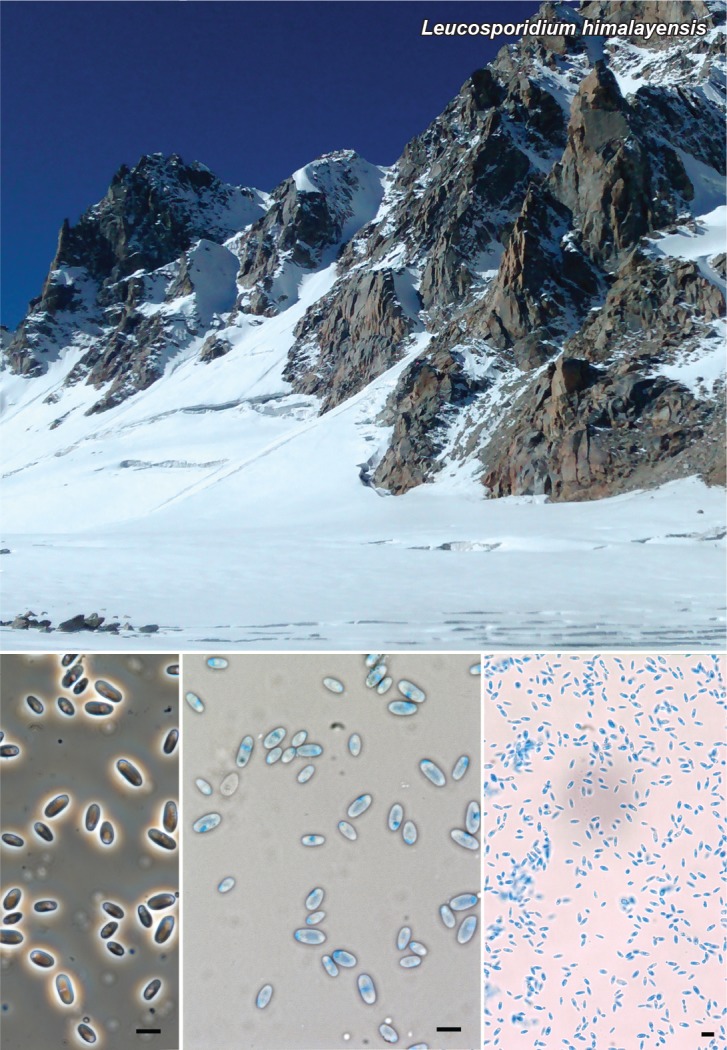
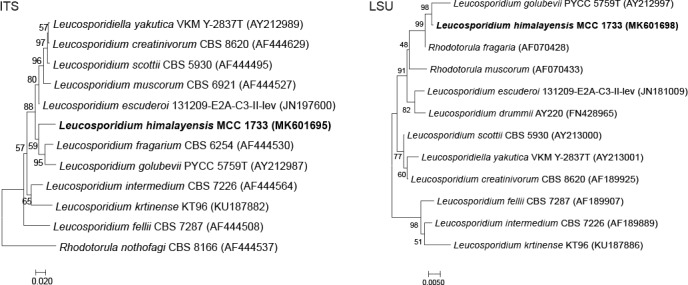
Leucosporidium himalayensis
None
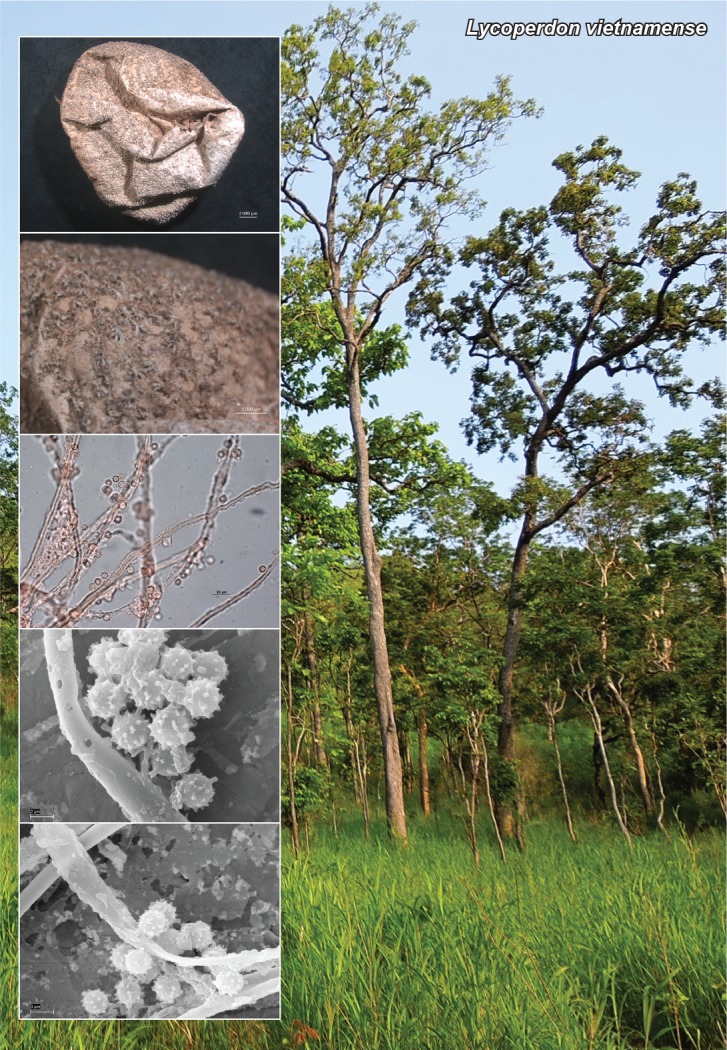
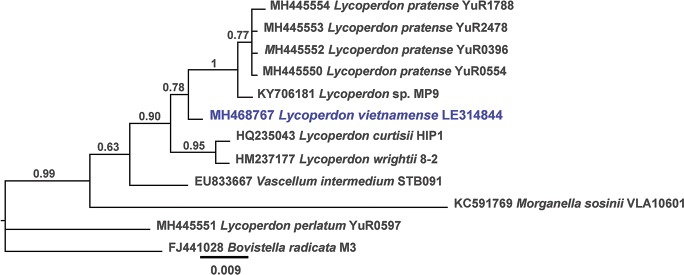
Lycoperdon vietnamense
None
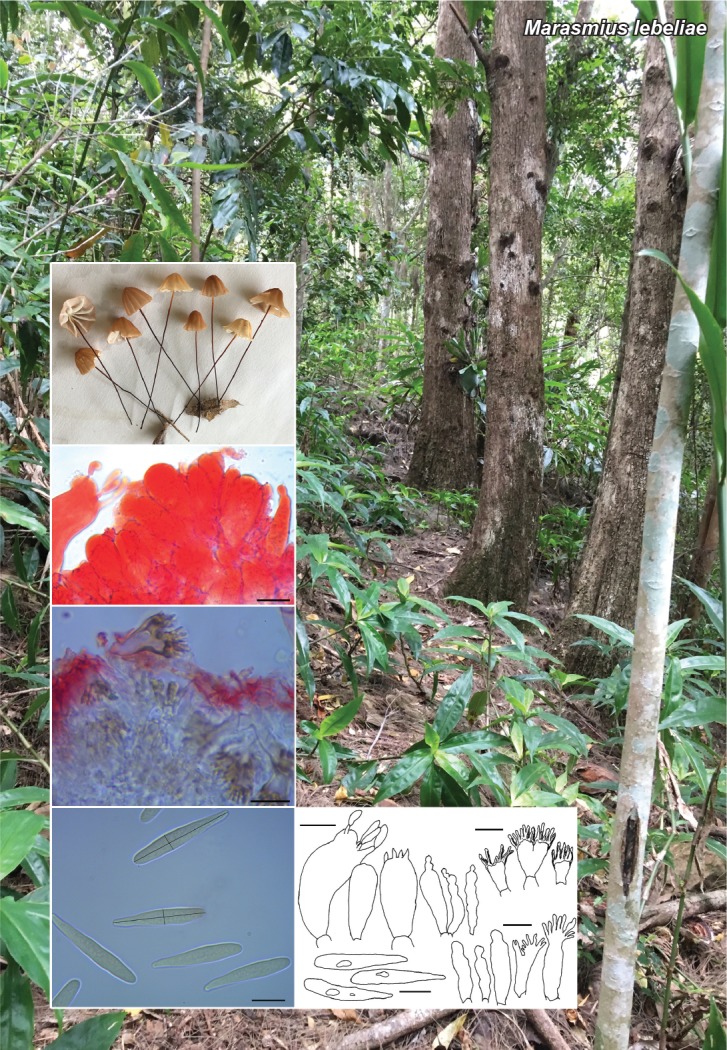
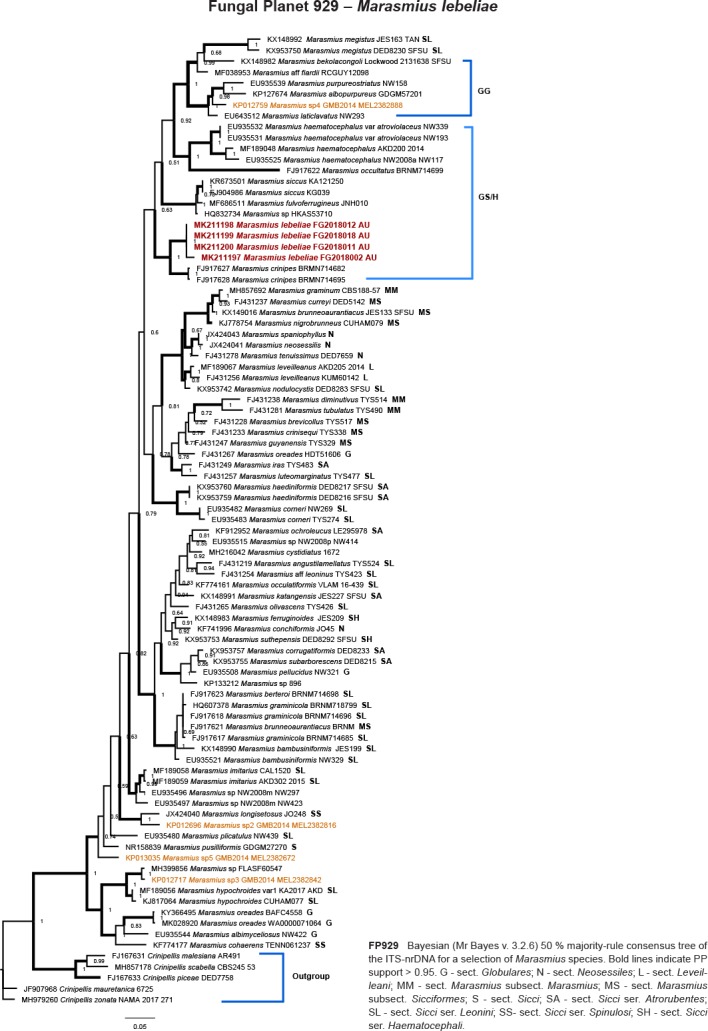
Marasmius lebeliae
None
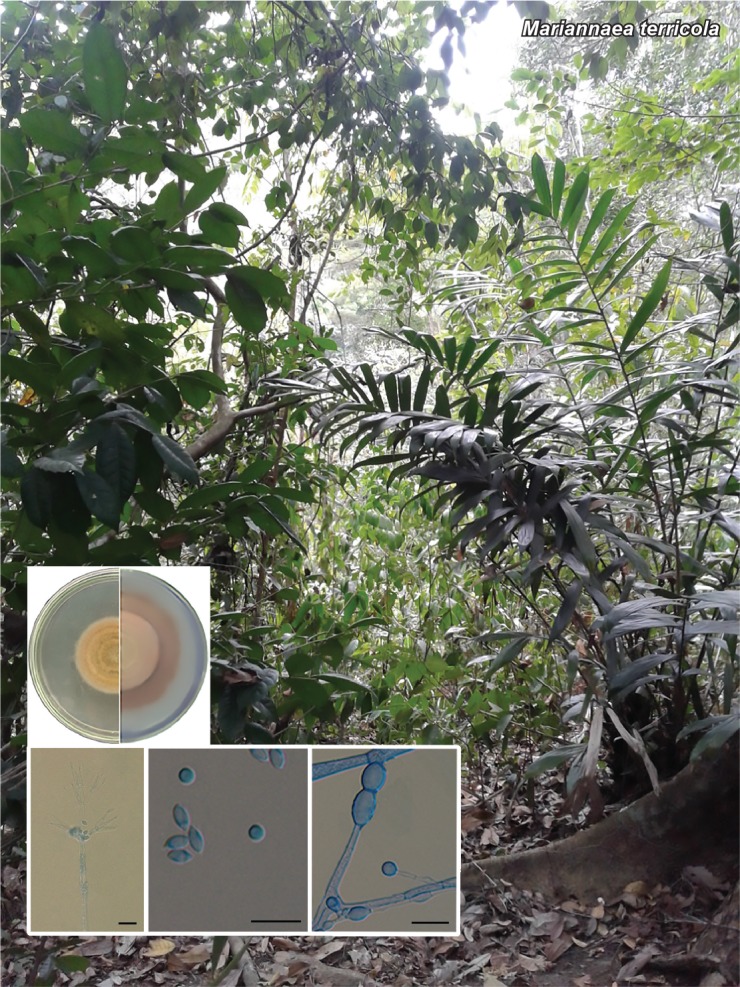
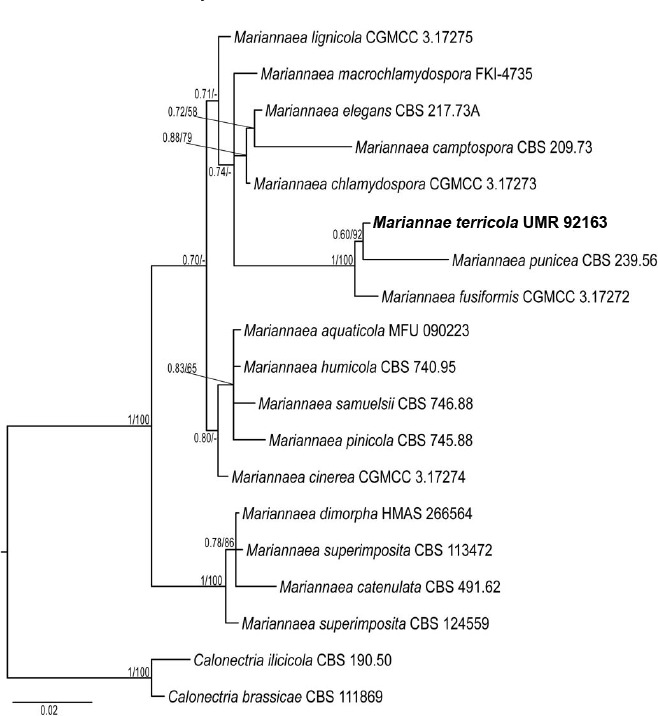
Mariannaea terricola
None
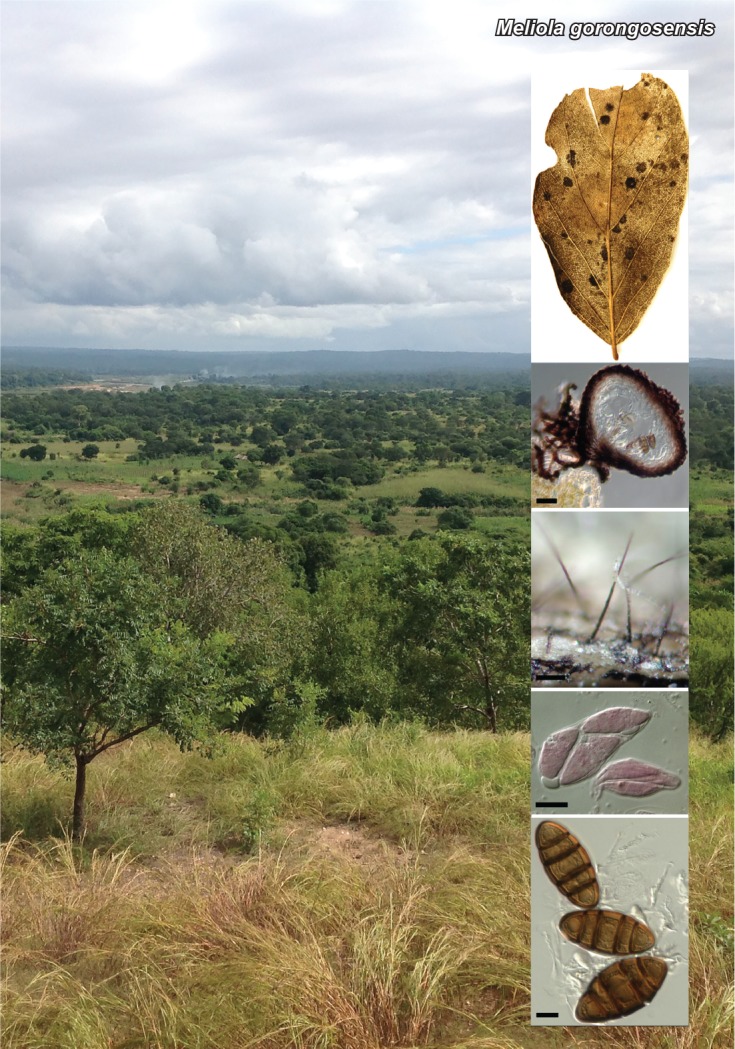
Meliola gorongosensis
None
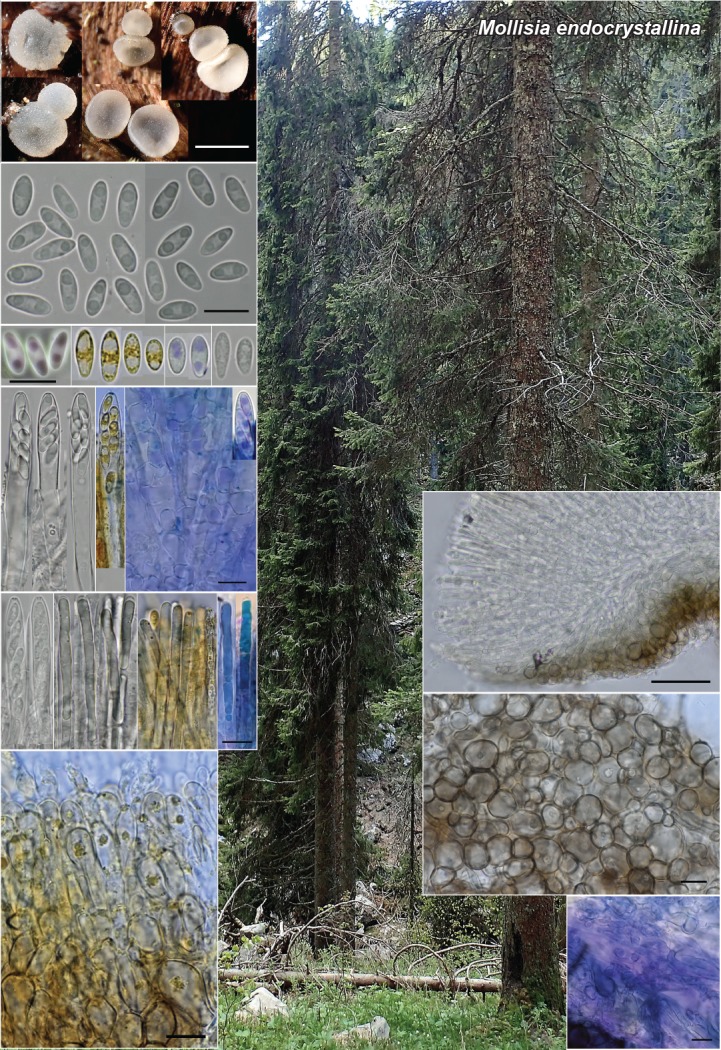
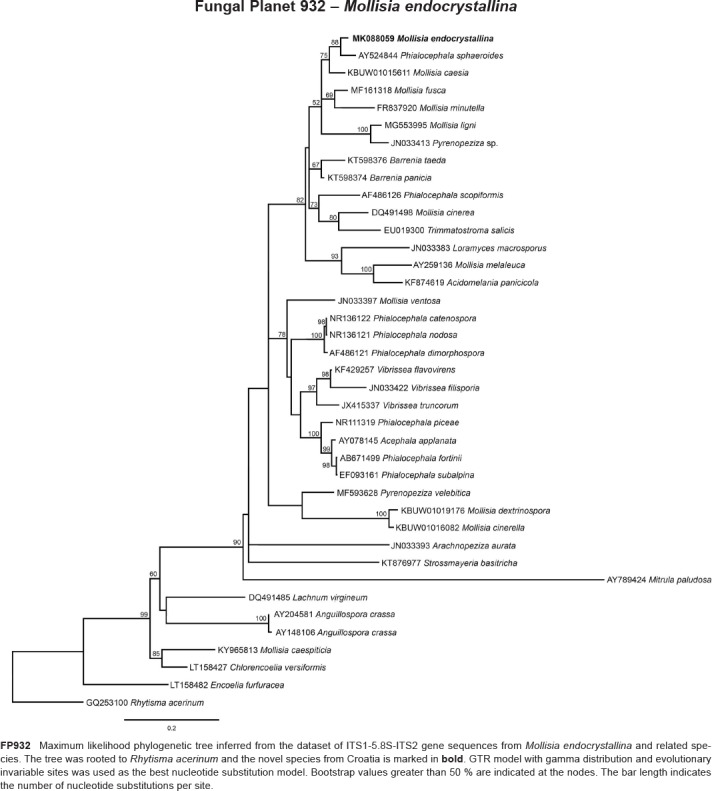
Mollisia endocrystallina
None
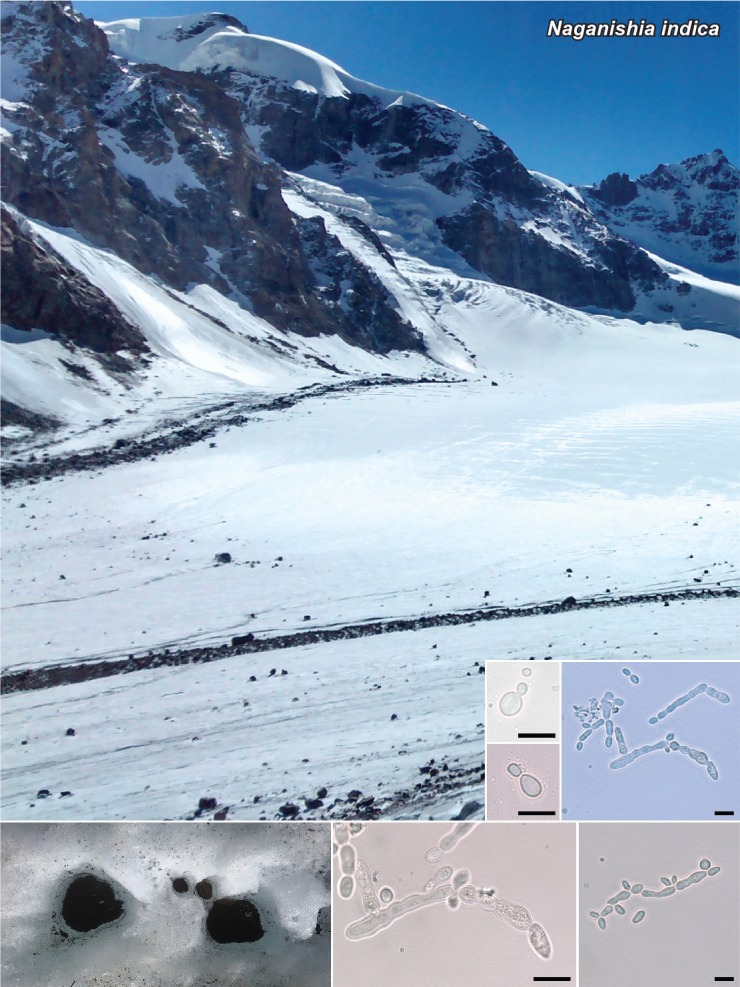
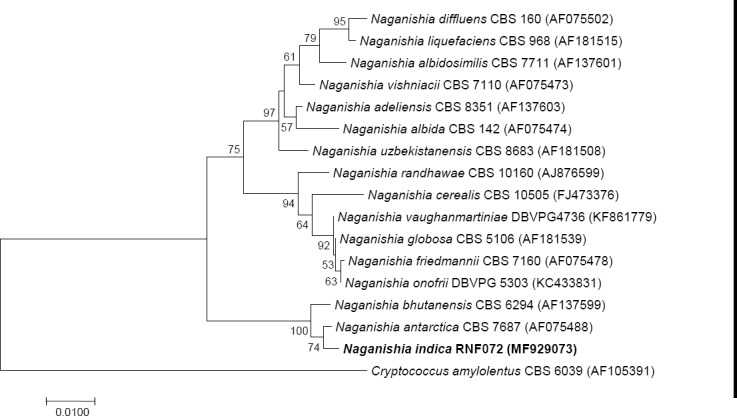
Naganishia indica
None
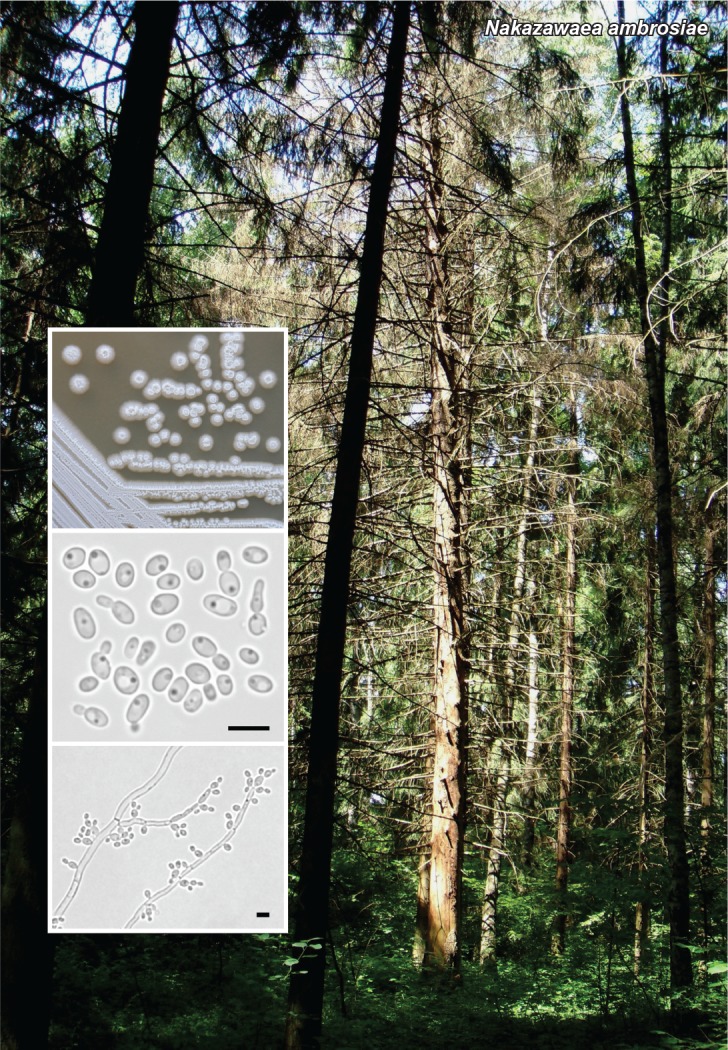
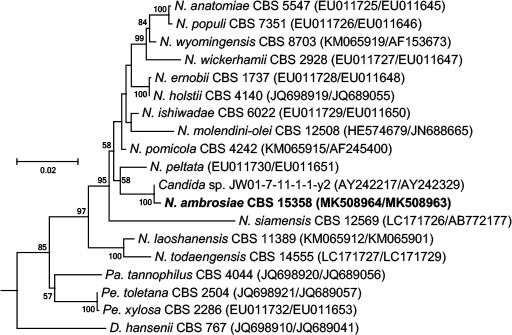
Nakazawaea ambrosiae
None
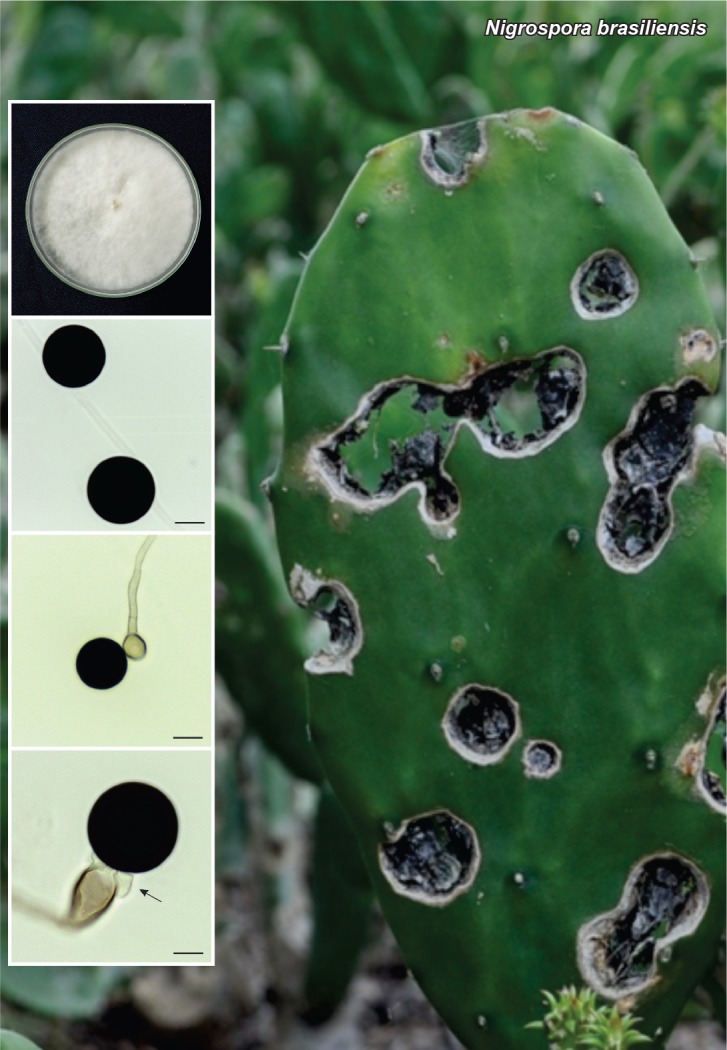
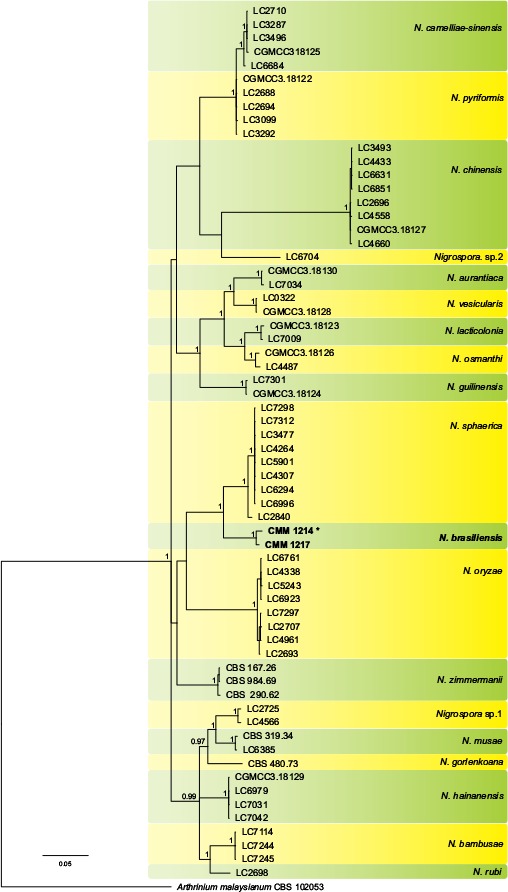
Nigrospora brasiliensis
None
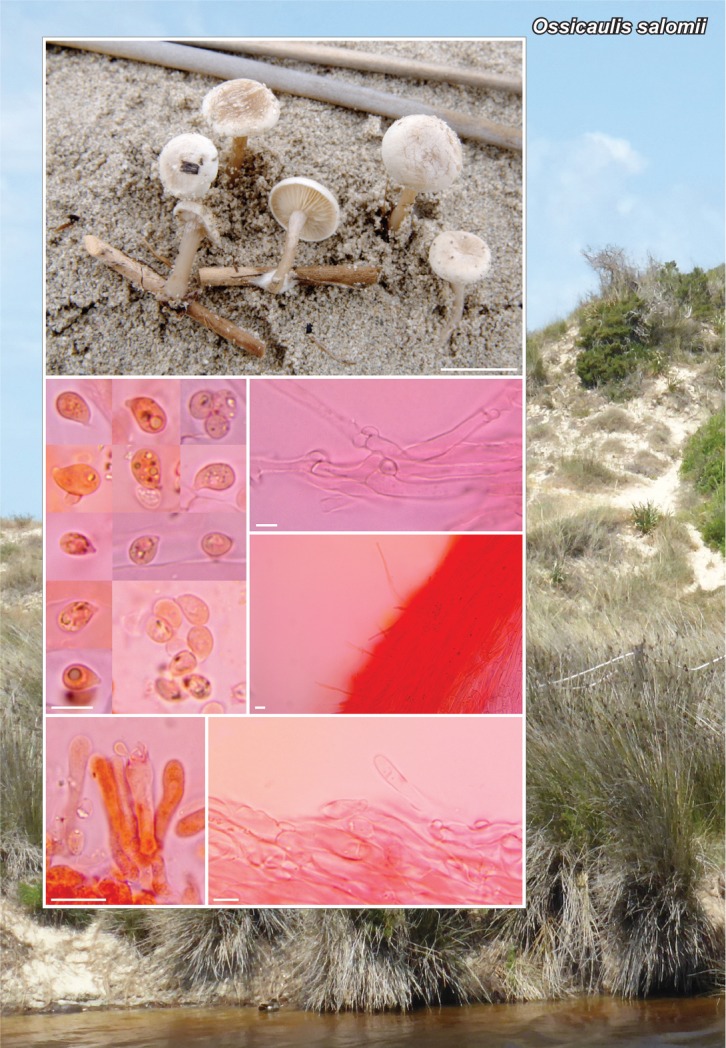
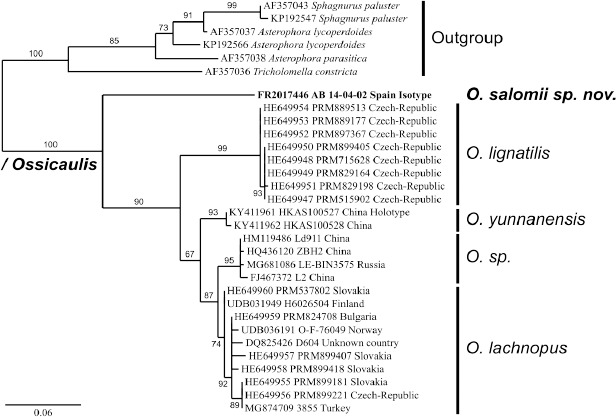
Ossicaulis salomii
None
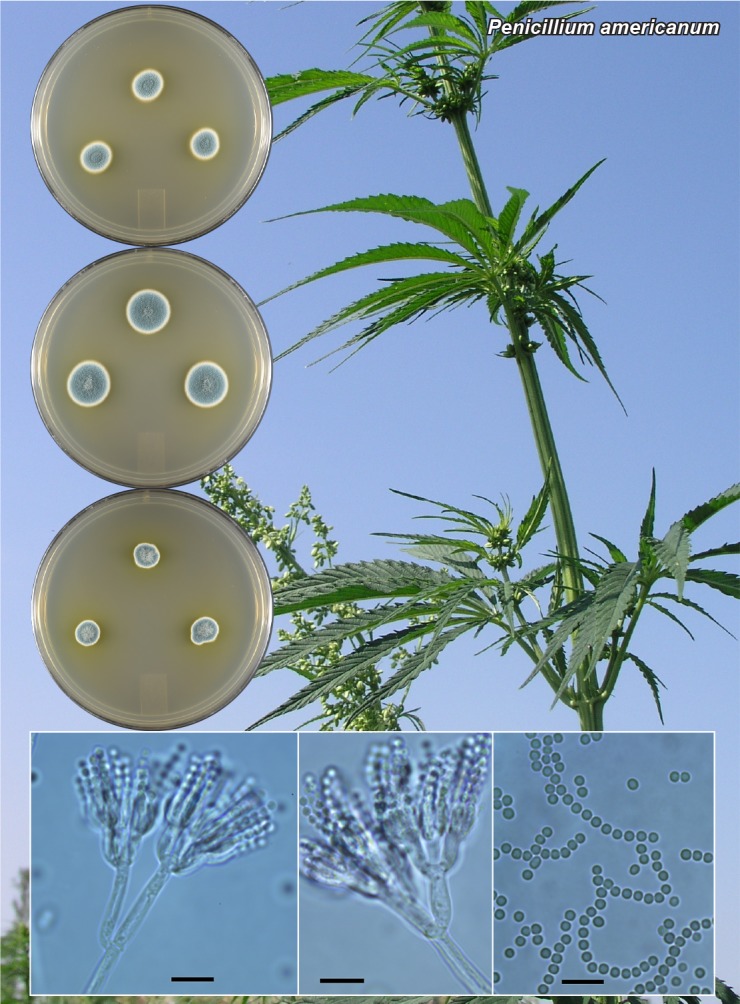
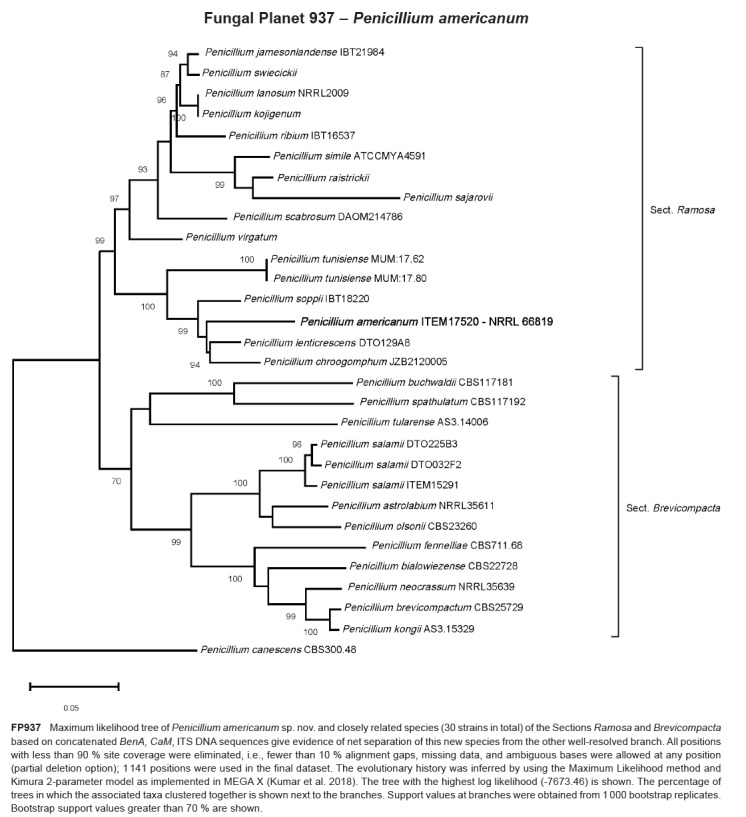
Penicillium americanum
None
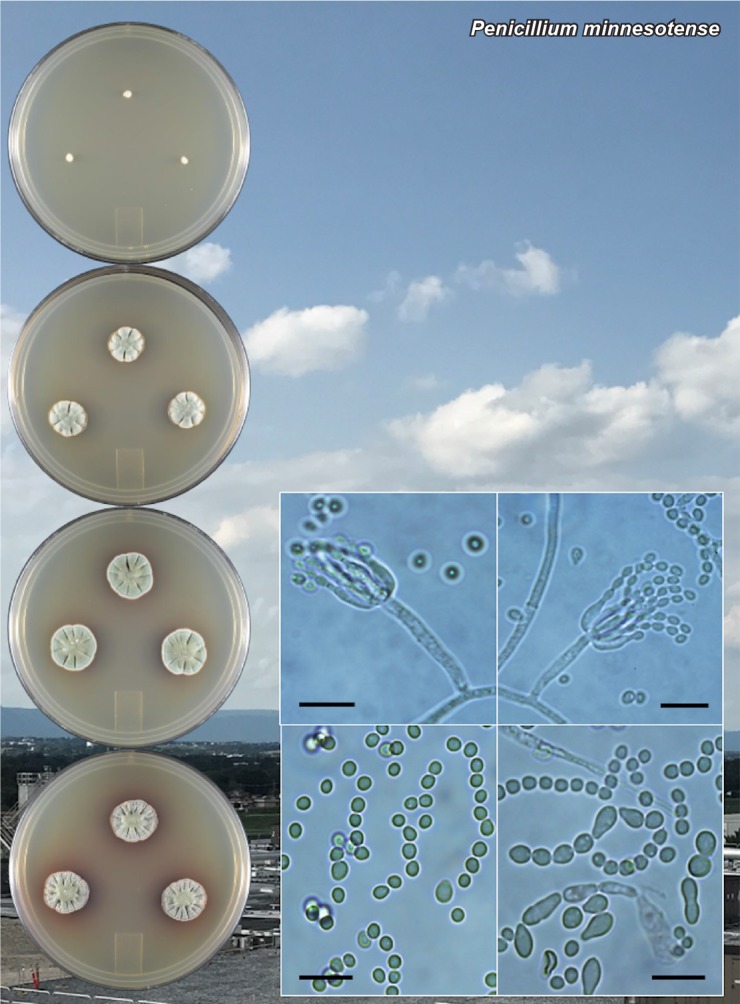
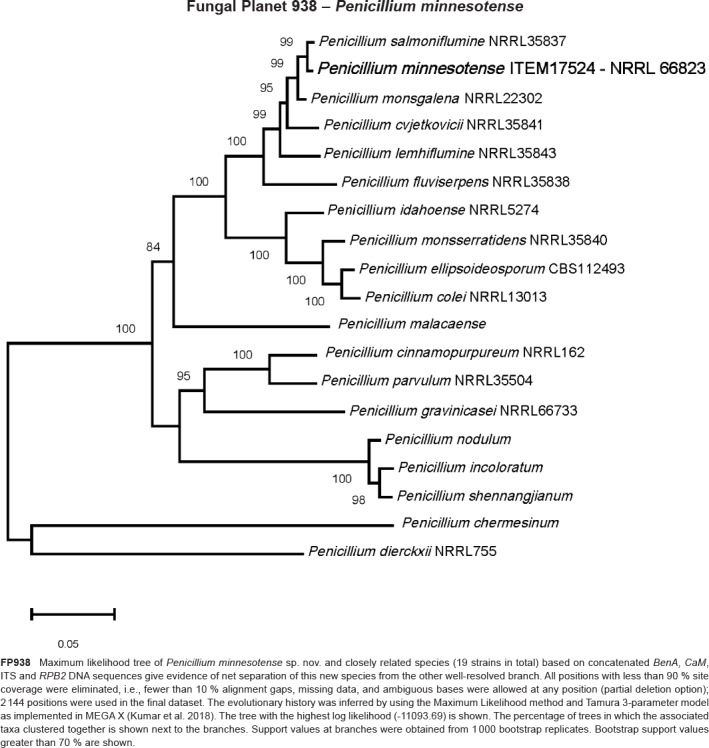
Penicillium minnesotense
None
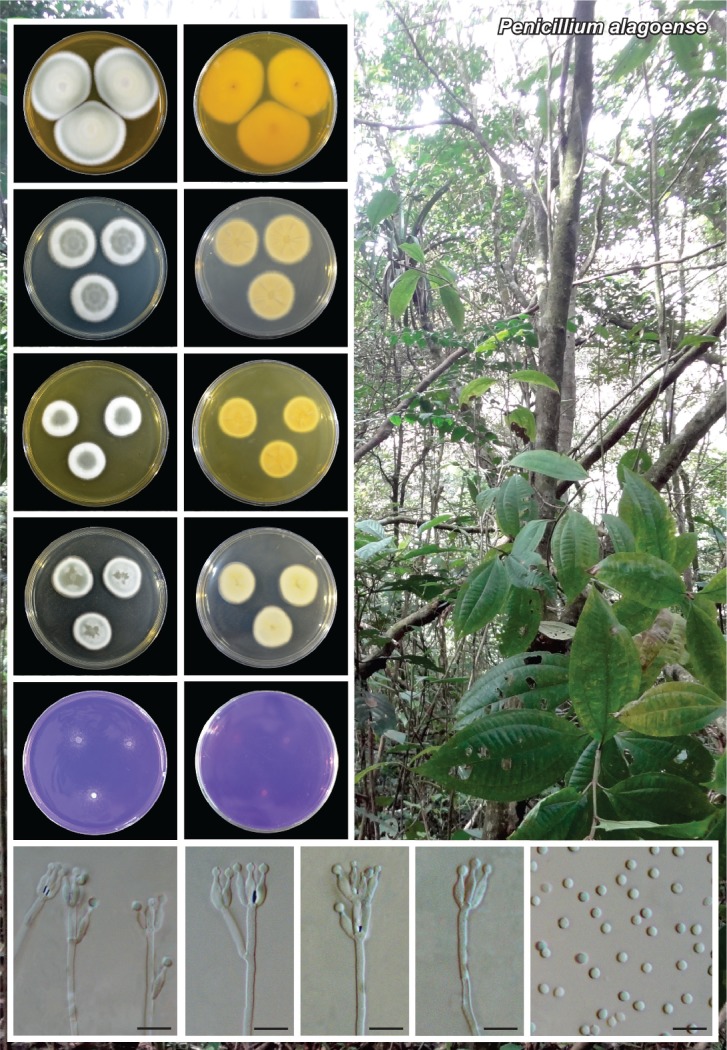
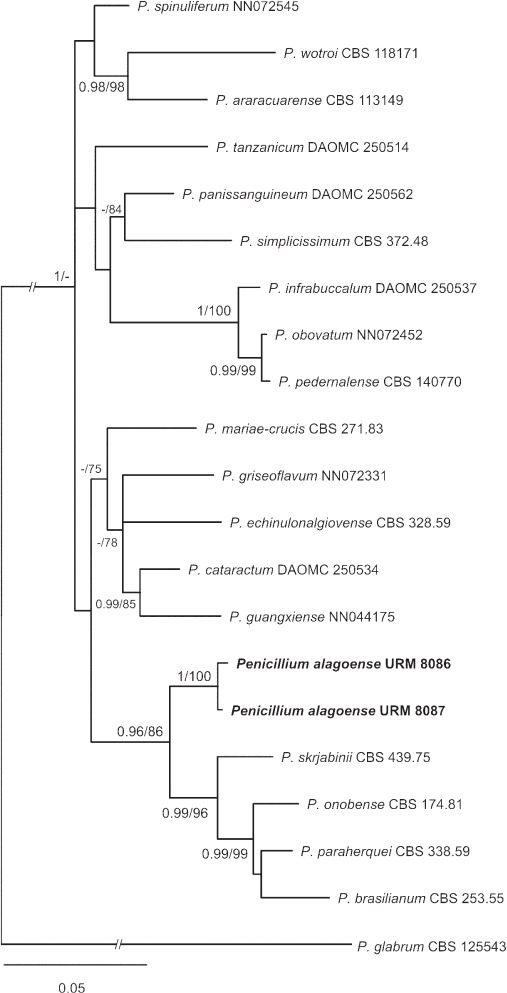
Penicillium alagoense
None
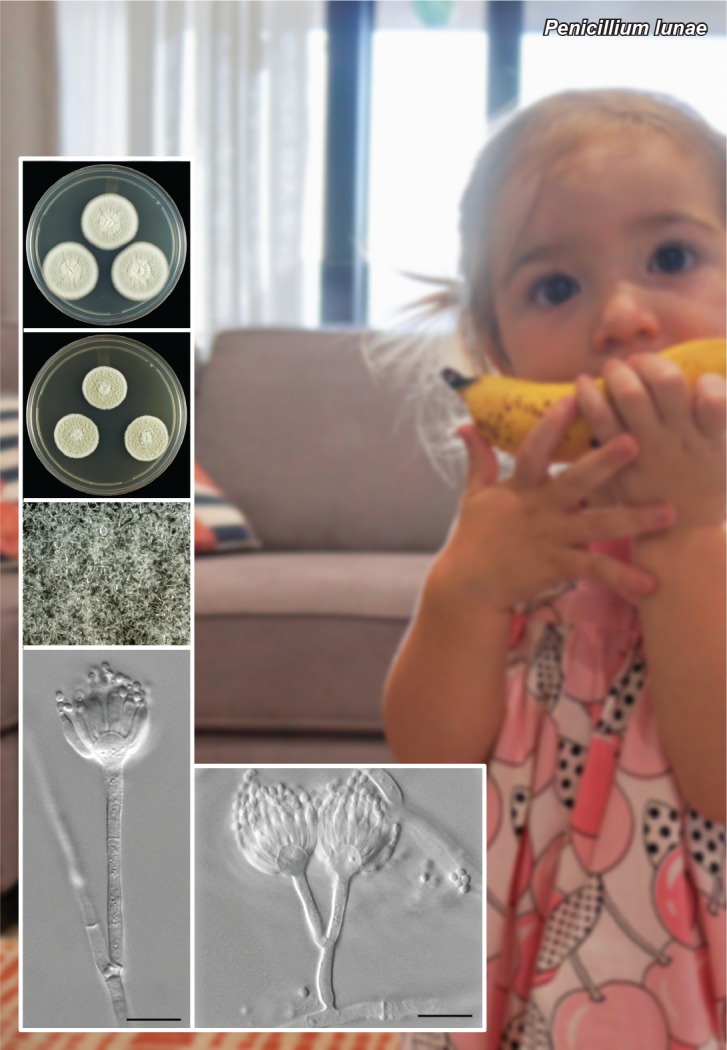
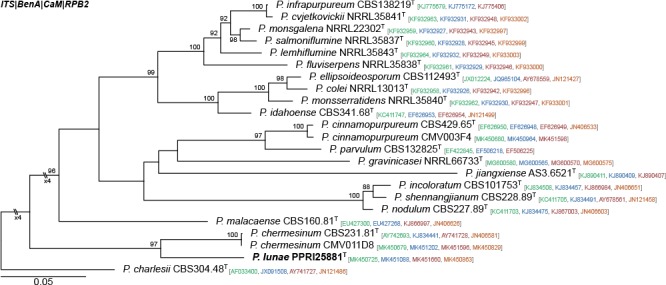
Penicillium lunae
None
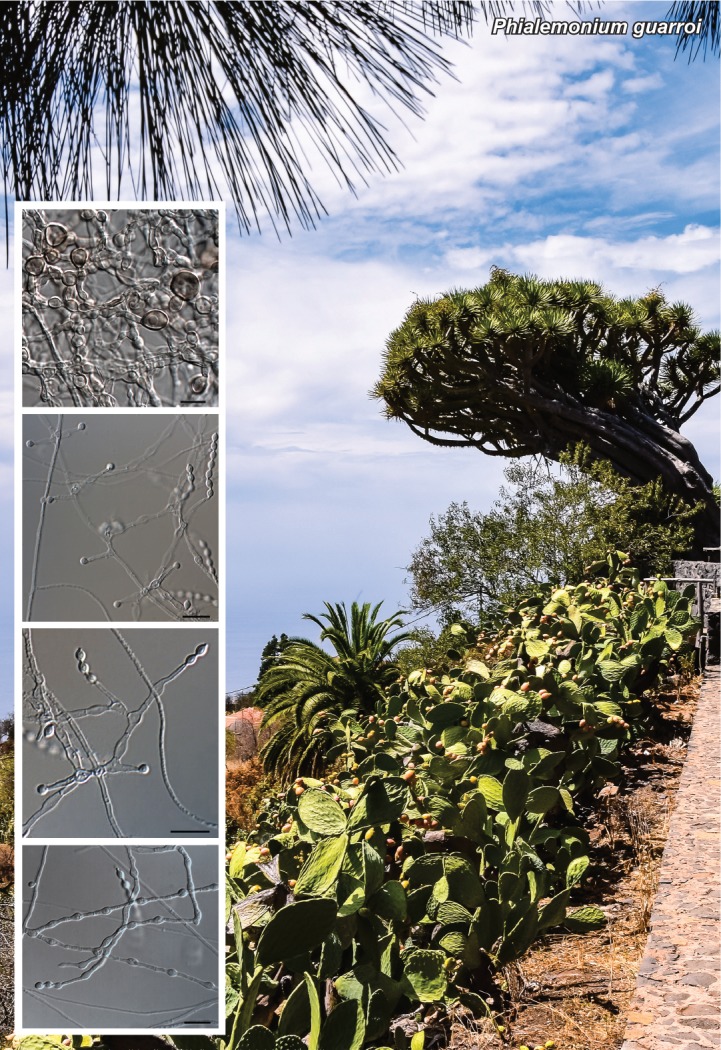
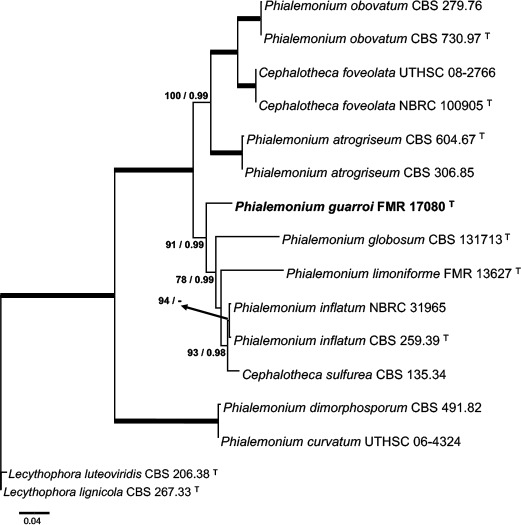
Phialemonium guarroi
None
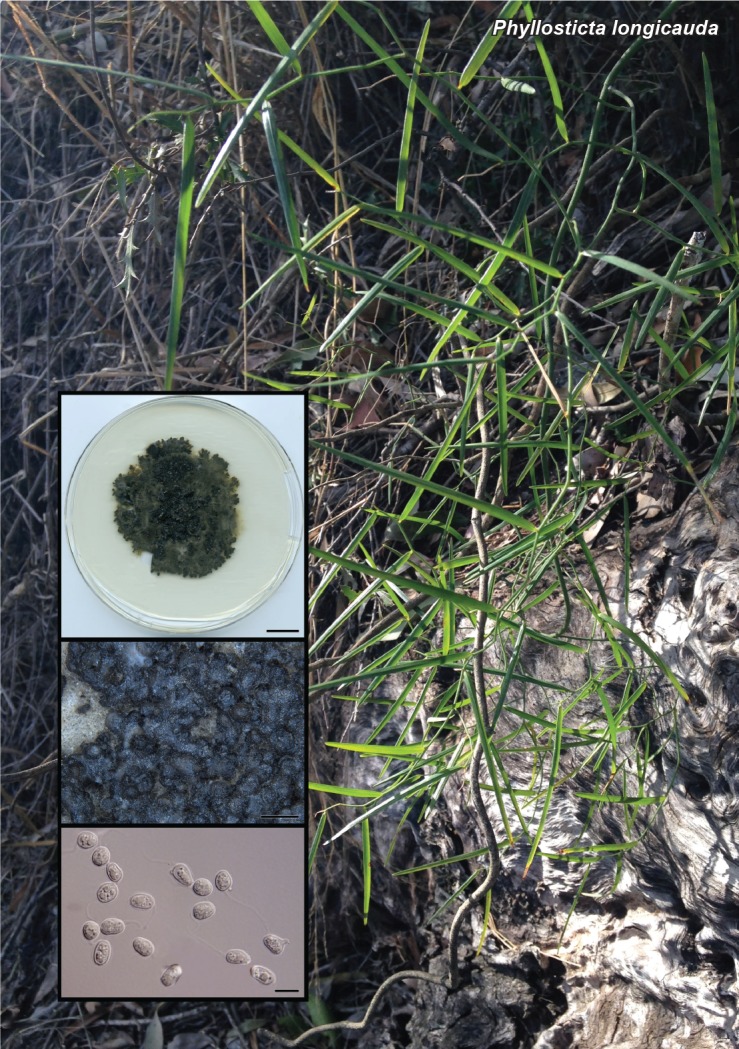
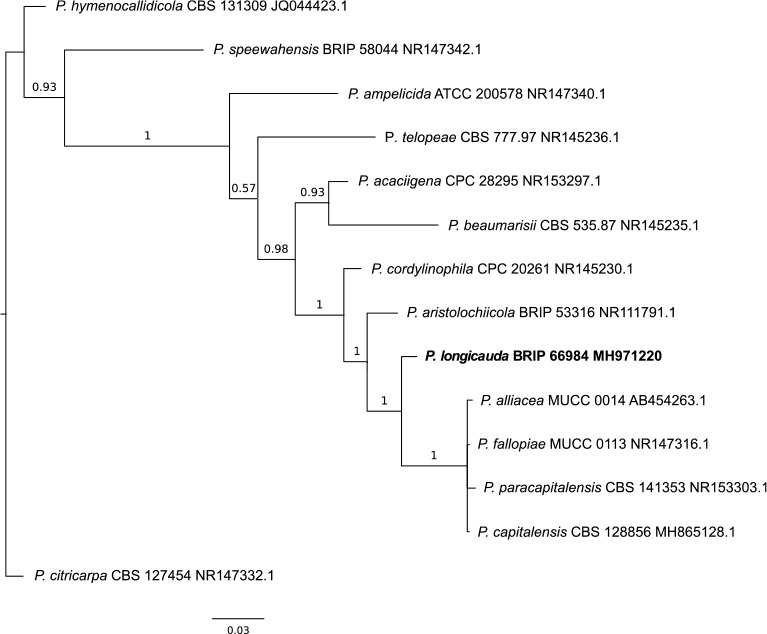
Phyllosticta longicauda
None
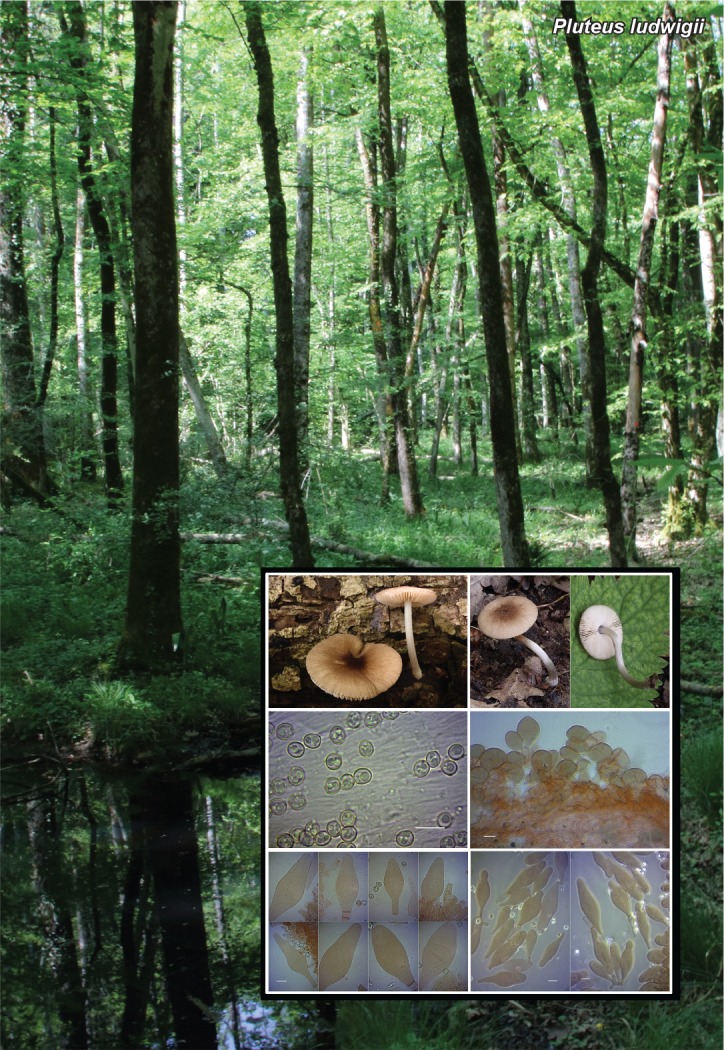
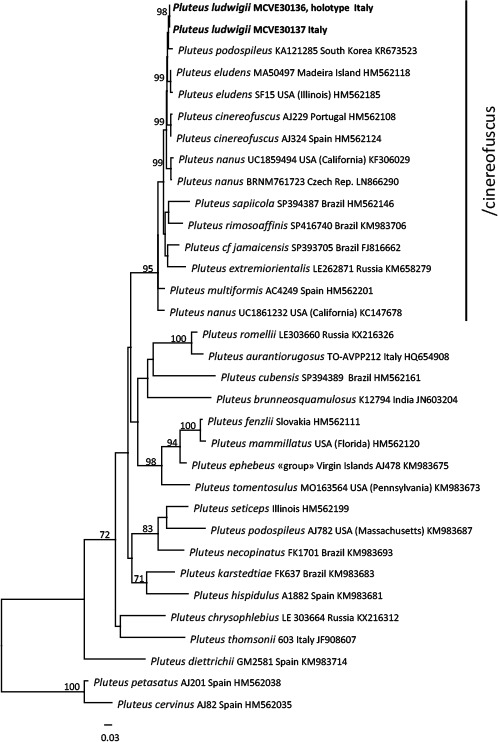
Pluteus ludwigii
None
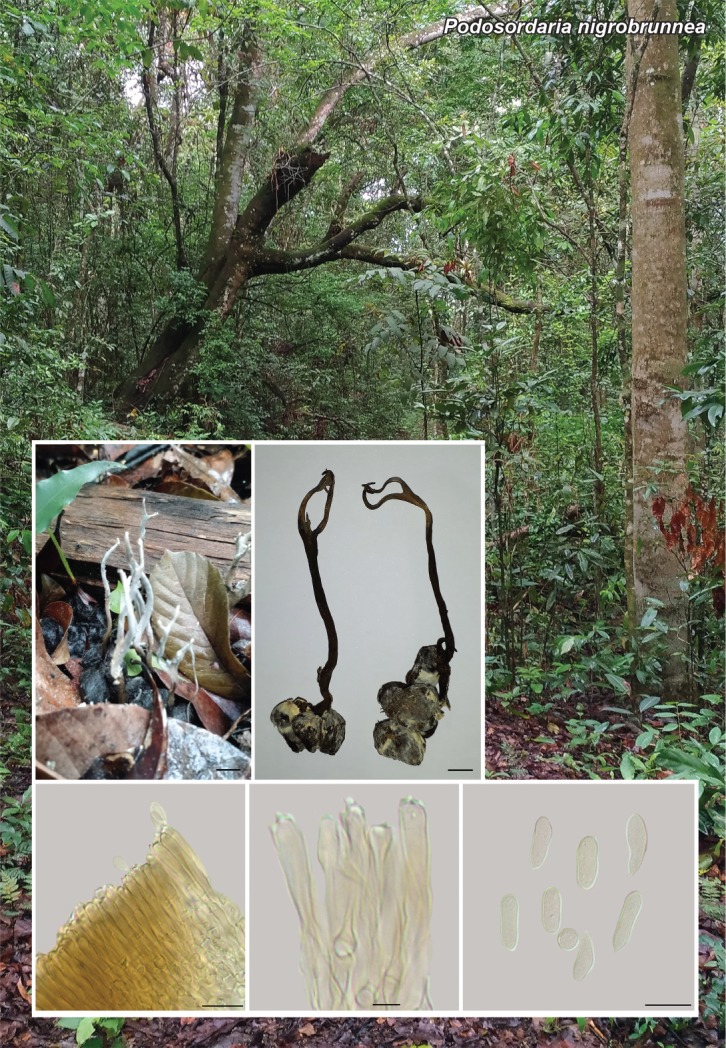
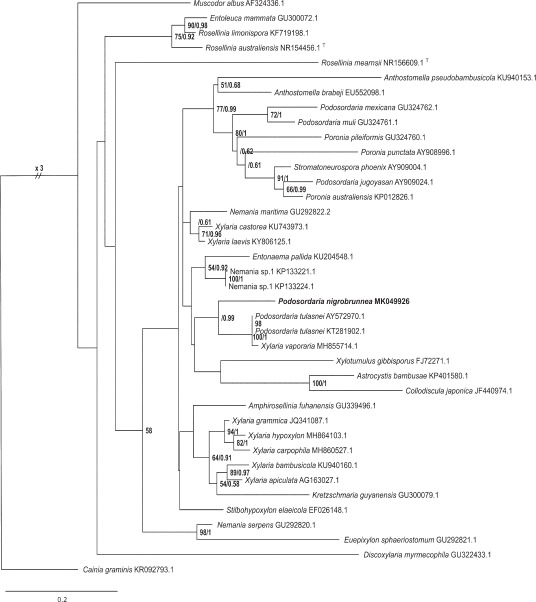
Podosordaria nigrobrunnea
None
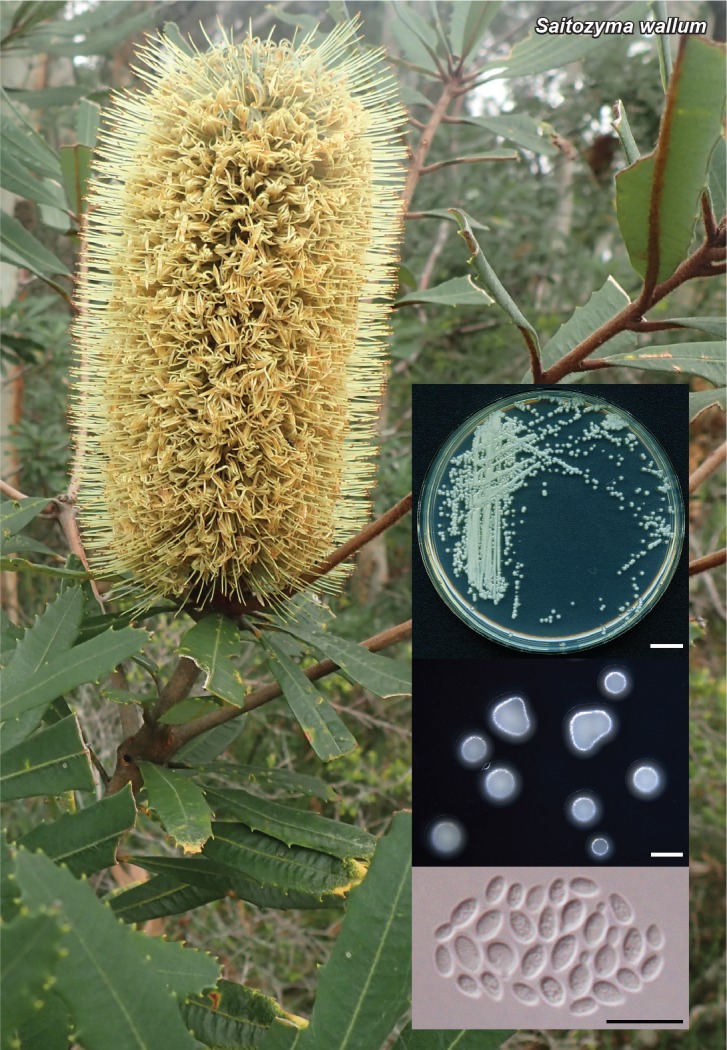
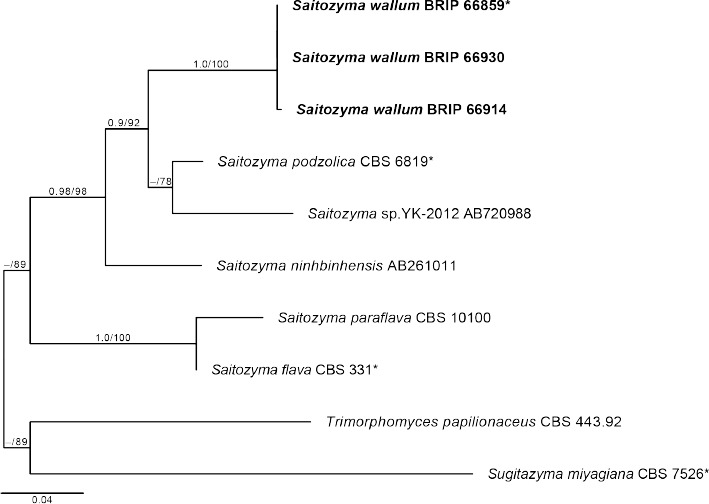
Saitozyma wallum
None
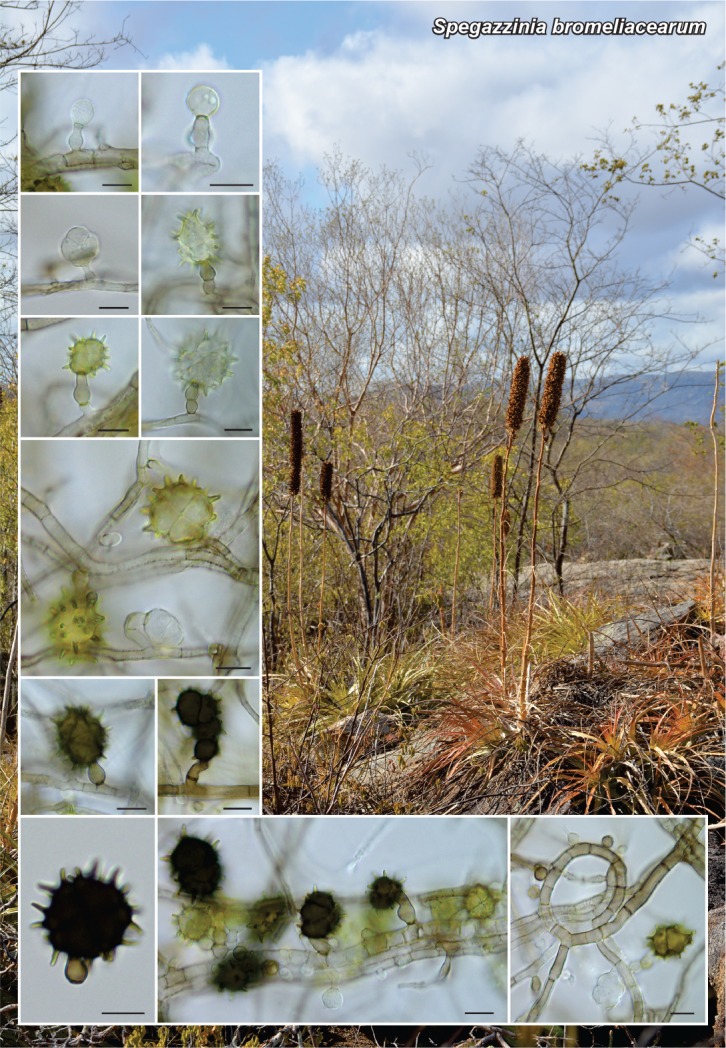
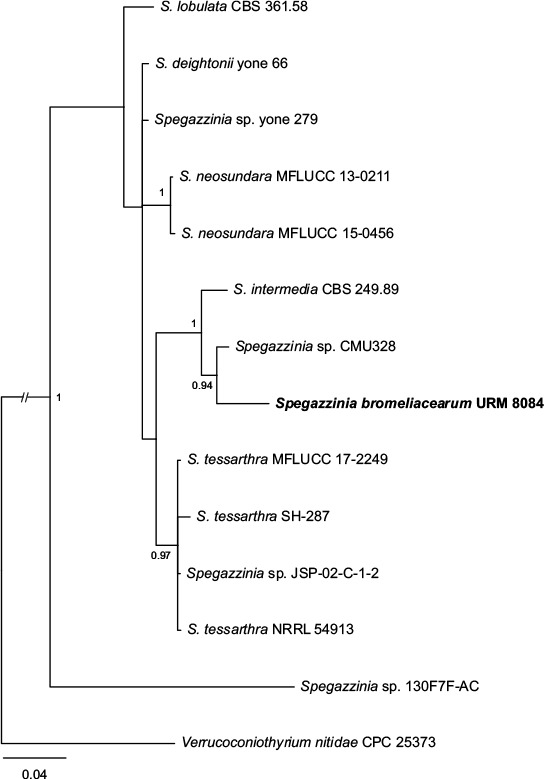
Spegazzinia bromeliacearum
None
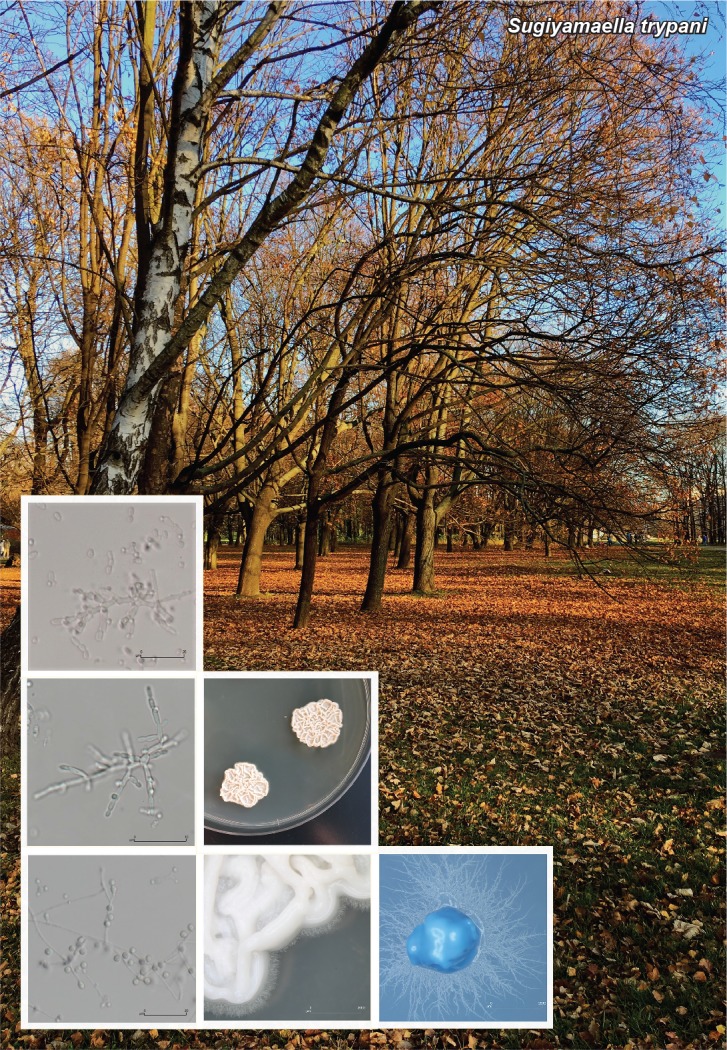
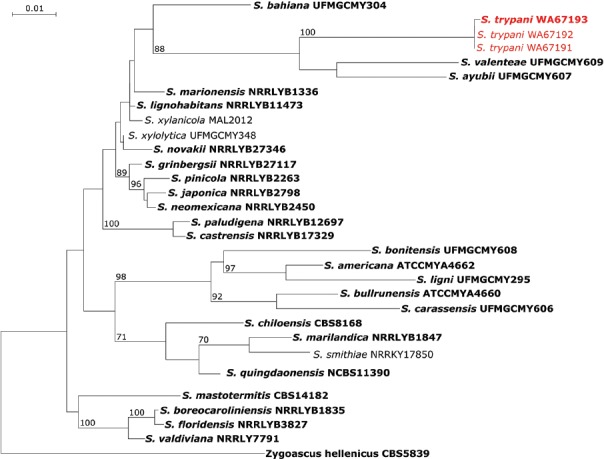
Sugiyamaella trypani
None
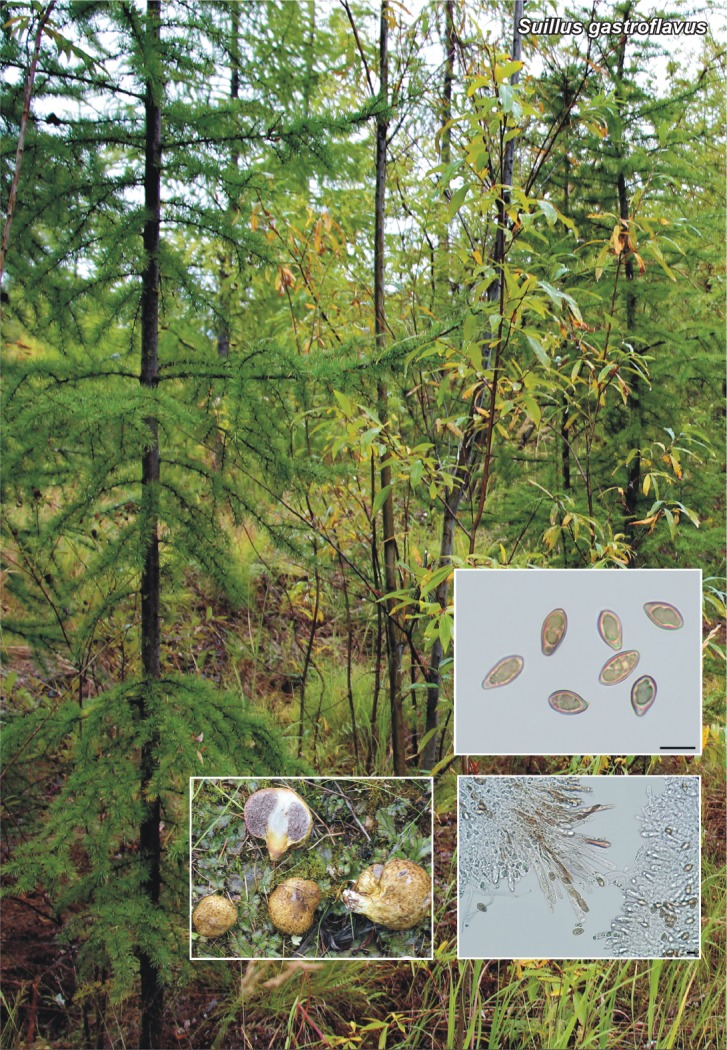
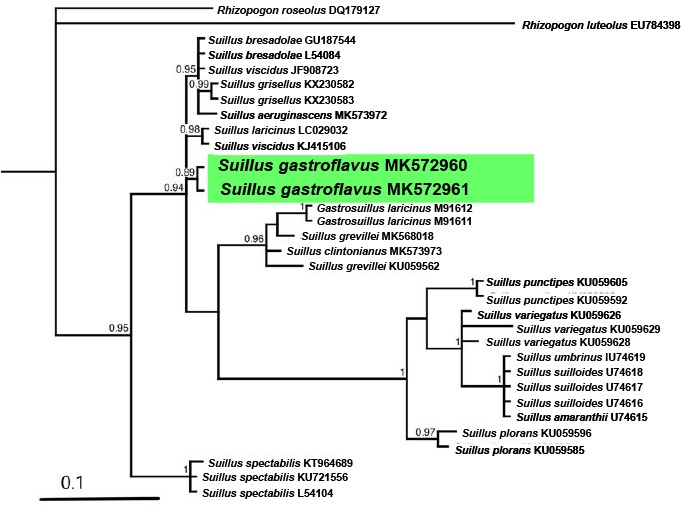
Suillus gastroflavus
None
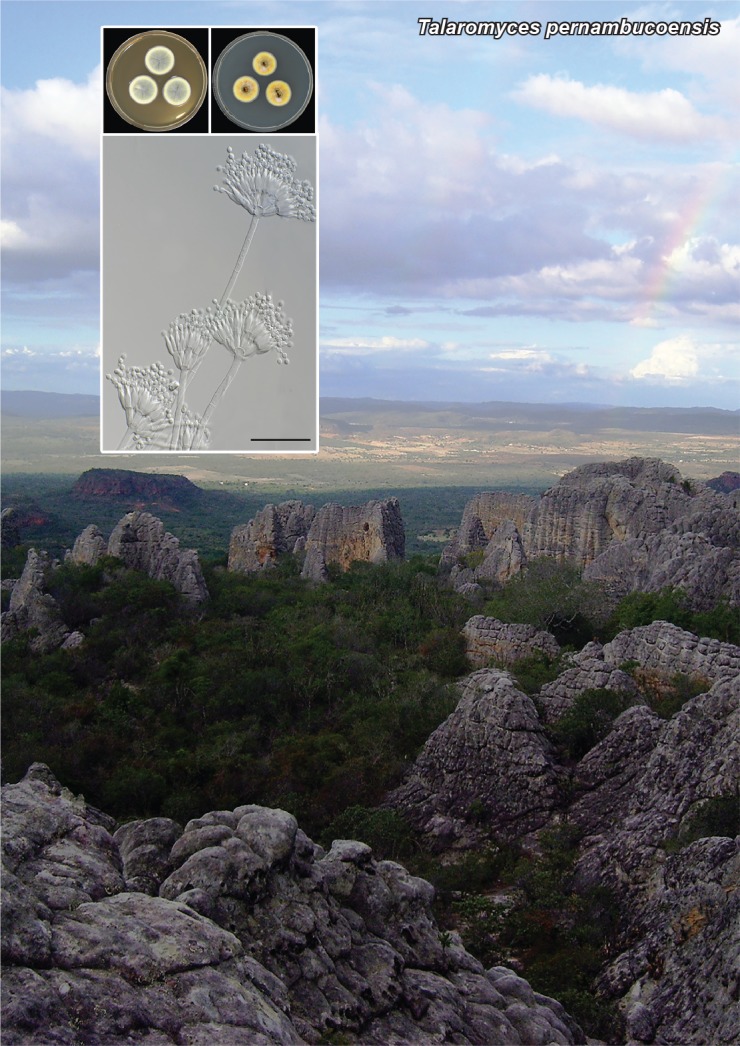
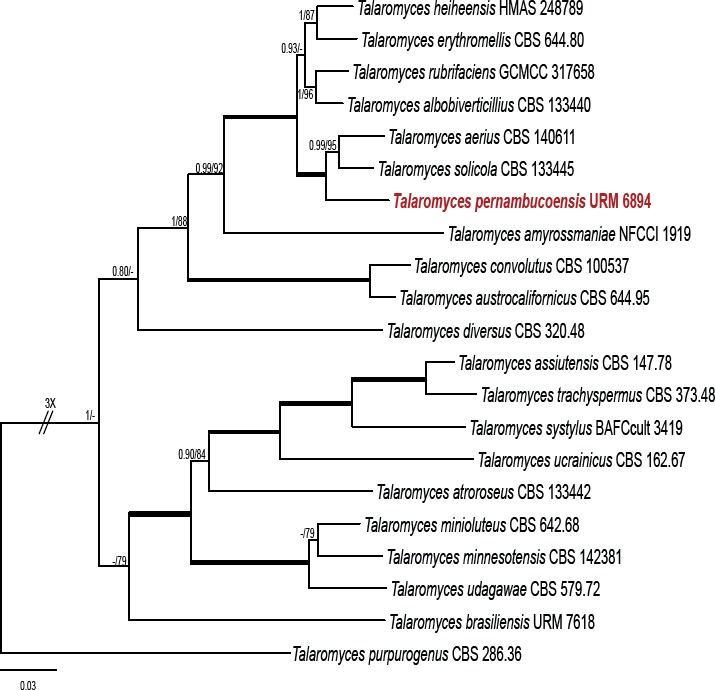
Talaromyces pernambucoensis
None
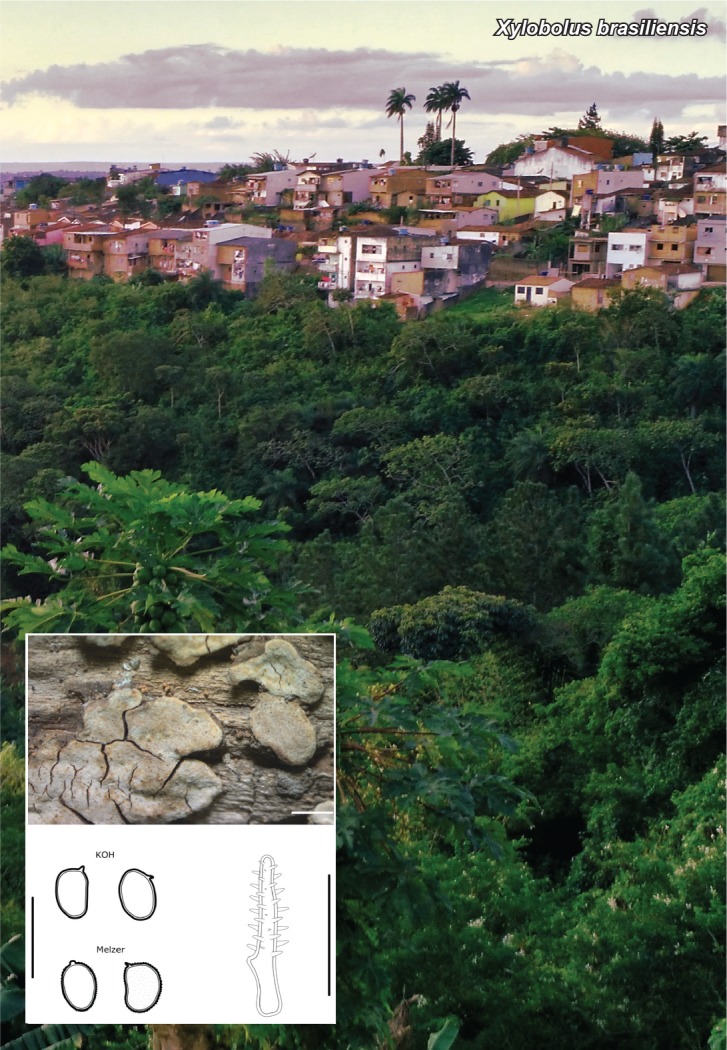
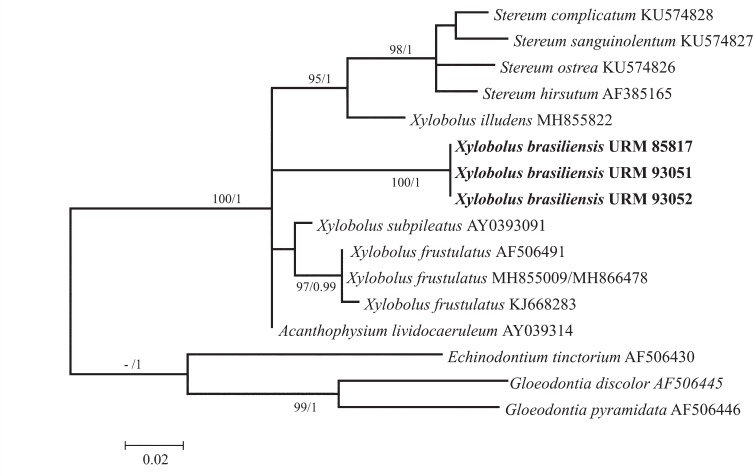
Xylobolus brasiliensis
None
None
None
None
None
None
None
None
None
None
None
None
None
None
None
None
None
None
None
None
None
None
None
None
None
None
None
None
None
None
None
None
None
None
None
None
None
None
None
None
None
None
None
None
None
None
None
None
None
None

References

    1. Abdalla MY, Al-Rokibah AA. 2003. New record of the pyrenomycete Coniochaeta velutina causing leaf blight of date palm. Journal of King Saud University, Agricultural Sciences 15: 177–184.
    1. Aebi B. 1972. Untersuchungen über Discomyceten aus der Gruppe Tapesia-Trichobelonium. Nova Hedwigia 23: 49–112.
    1. Agustí-Brisach C, Gramaje D, García-Jiménez J, et al. 2013. Detection of black-foot and Petri disease pathogens in natural soils of grapevine nurseries and vineyards using bait plants. Plant and Soil 364: 5–13.
    1. Alfenas RF, Lombard L, Pereira OF, et al. 2015. Diversity and potential impact of Calonectria species in Eucalyptus plantations in Brazil. Studies in Mycology 80: 89–130. - PMC - PubMed
    1. Alfenas RF, Pereira OL, Ferreira MA, et al. 2013. Calonectria metrosideri, a highly aggressive pathogen causing leaf blight, root rot, and wilt of Metrosideros spp. in Brazil. Forest Pathology 43: 257–265.

LinkOut - more resources