


Engineering a Genetically Encoded Magnetic Protein Crystal
- PMID: 31552740
- PMCID: PMC7265822
- DOI: 10.1021/acs.nanolett.9b02266
Engineering a Genetically Encoded Magnetic Protein Crystal
Abstract
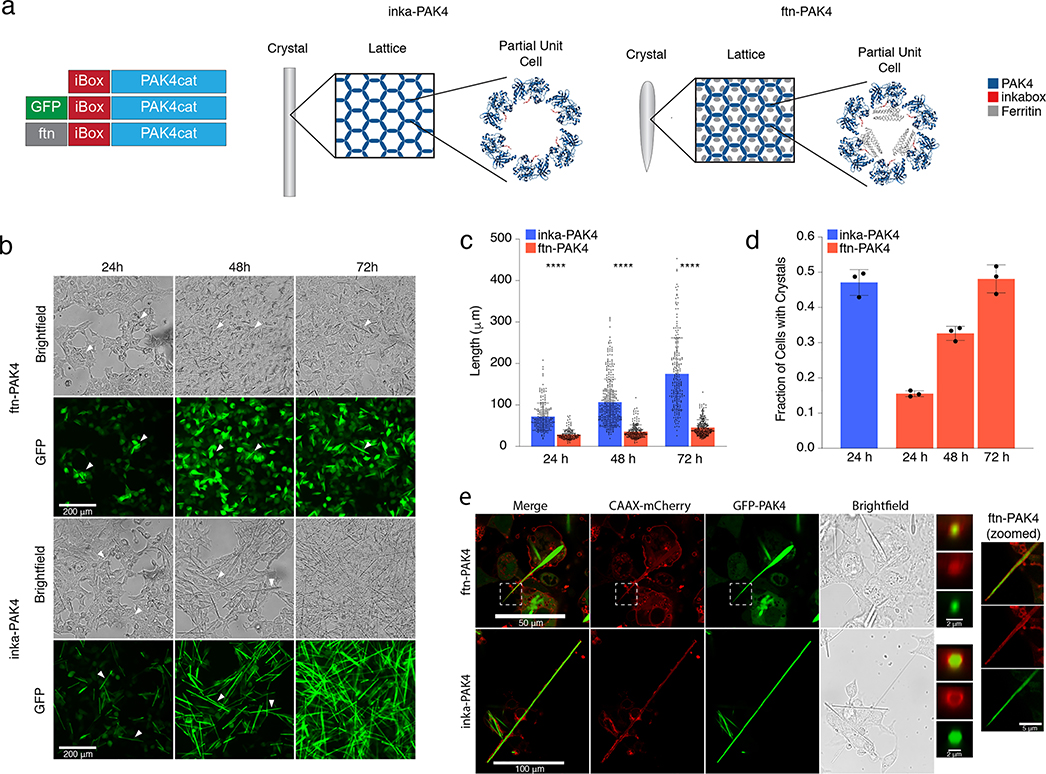
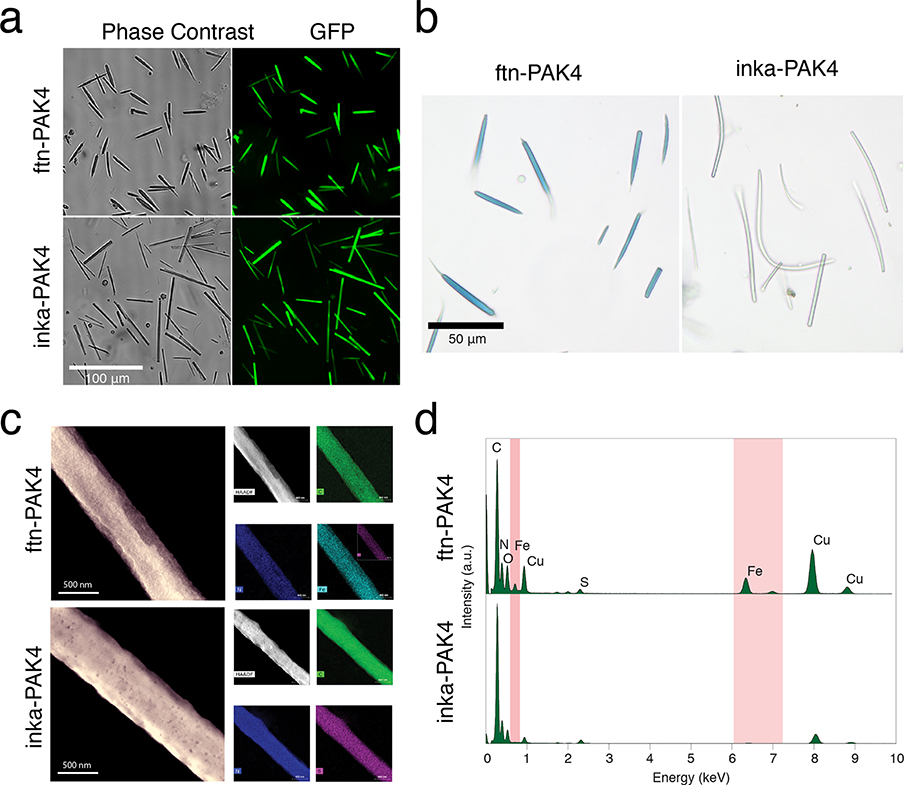
Magnetogenetics is a new field that leverages genetically encoded proteins and protein assemblies that are sensitive to magnetic fields to study and manipulate cell behavior. Theoretical studies show that many proposed magnetogenetic proteins do not contain enough iron to generate substantial magnetic forces. Here, we have engineered a genetically encoded ferritin-containing protein crystal that grows inside mammalian cells. Each of these crystals contains more than 10 million ferritin subunits and is capable of mineralizing substantial amounts of iron. When isolated from cells and loaded with iron in vitro, these crystals generate magnetic forces that are 9 orders of magnitude larger than the forces from the single ferritin cages used in previous studies. These protein crystals are attracted to an applied magnetic field and move toward magnets even when internalized into cells. While additional studies are needed to realize the full potential of magnetogenetics, these results demonstrate the feasibility of engineering protein assemblies for magnetic sensing.
Keywords: Magnetogenetics; ferritin; magnetic; protein crystal.
Conflict of interest statement
The authors declare no competing financial interest.
Figures


References
-
- Liße D; Monzel C; Vicario C; Manzi J; Maurin I; Coppey M; Piehler J; Dahan M Engineered Ferritin for Magnetogenetic Manipulation of Proteins and Organelles Inside Living Cells. Adv. Mater 2017, 29 (42), 1700189. - PubMed
-
- Chen R; Romero G; Christiansen MG; Mohr A; Anikeeva P Wireless Magnetothermal Deep Brain Stimulation. Science 2015, 347 (6229), 1477–1480. - PubMed
Publication types
MeSH terms
Substances
Grants and funding
LinkOut - more resources
Full Text Sources
Other Literature Sources
Research Materials
