. 2019 Sep 30;14(9):e0223274.
doi: 10.1371/journal.pone.0223274. eCollection 2019.

Letrozole treatment of pubertal female mice results in activational effects on reproduction, metabolism and the gut microbiome

Affiliations

Letrozole treatment of pubertal female mice results in activational effects on reproduction, metabolism and the gut microbiome

Pablo Arroyo et al. PLoS One. .

Abstract

Polycystic ovary syndrome (PCOS) is a common endocrine disorder in reproductive-aged women that is comprised of two out of the following three features: hyperandrogenism, oligo- or amenorrhea, or polycystic ovaries. In addition to infertility, many women with PCOS have metabolic dysregulation that increases the risk of developing type 2 diabetes, hypertension, and non-alcoholic fatty liver disease. Changes in the gut microbiome are associated with PCOS and gut microbes may be involved in the pathology of this disorder. Since PCOS often manifests in the early reproductive years, puberty is considered to be a critical time period for the development of PCOS. Exposure to sex steroid hormones during development results in permanent, organizational effects, while activational effects are transient and require the continued presence of the hormone. Androgens exert organizational effects during prenatal or early post-natal development, but it is unclear whether androgen excess results in organizational or activational effects during puberty. We recently developed a letrozole-induced PCOS mouse model that recapitulates both reproductive and metabolic phenotypes of PCOS. In this study, we investigated whether letrozole treatment of pubertal female mice exerts organizational or activational effects on host physiology and the gut microbiome. Two months after letrozole removal, we observed recovery of reproductive and metabolic parameters, as well as diversity and composition of the gut microbiome, indicating that letrozole treatment of female mice during puberty resulted in predominantly activational effects. These results suggest that if exposure to excess androgens during puberty leads to the development of PCOS, reduction of androgen levels during this time may improve reproductive and metabolic phenotypes in women with PCOS. These results also imply that continuous letrozole exposure is required to model PCOS in pubertal female mice since letrozole exerts activational rather than organizational effects during puberty.


Conflict of interest statement

The authors have declared that no competing interests exist.

Figures
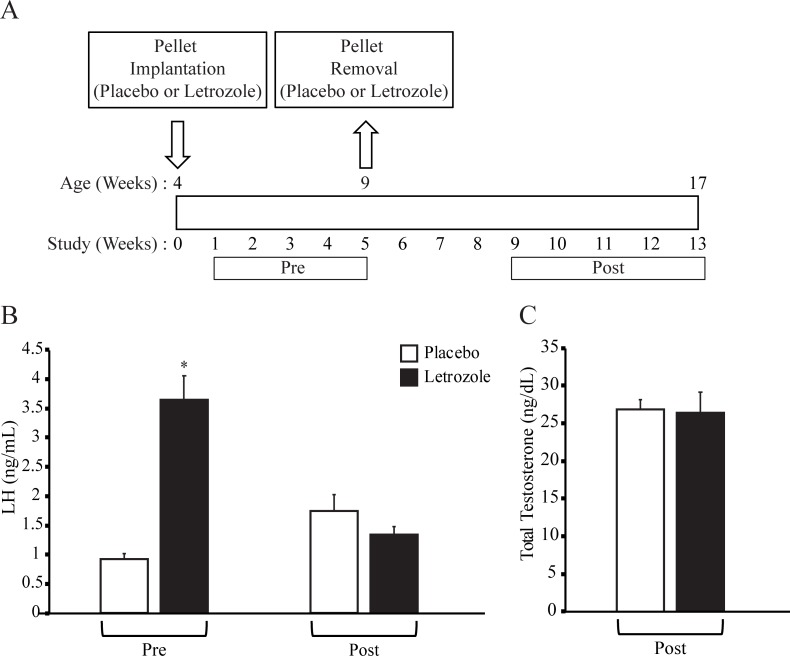
Fig 1
Fig 1. Letrozole removal resulted in testosterone and LH levels similar to placebo female mice.
Schematic of study design: female mice were implanted with placebo or letrozole pellets at 4 weeks of age (week 0) and the pellets were removed at 9 weeks of age (week 5) (A). Reproductive and metabolic phenotypes were evaluated before (Pre) and after (Post) pellet removal. Luteinizing hormone (LH) was measured in placebo and letrozole-treated female mice (n = 10 placebo, n = 12 letrozole) (B). LH levels were measured in week 5 before pellet removal (Pre) and in week 11 (Post). Serum total testosterone was measured in placebo and letrozole-treated mice in week 13 (Post; n = 4 placebo, n = 12 letrozole) (C). Welch t-test was used because the variances between groups was not equal; * p < 0.05.
Fig 2
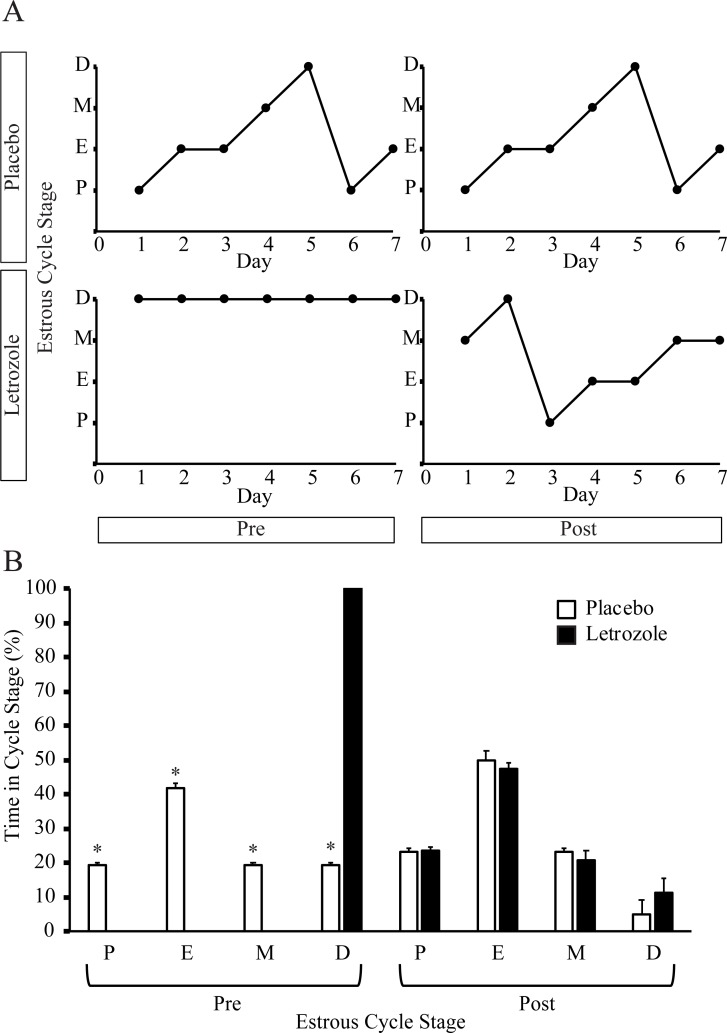
Fig 2. Letrozole removal resulted in resumption of estrous cycling.
Estrous cycling was evaluated in placebo and letrozole-treated female mice via vaginal cytology. Vaginal smears were collected during weeks 4–5 (Pre; n = 6 placebo, n = 10 letrozole) and during weeks 10–11 (Post; n = 6 placebo, n = 8 letrozole). Representative estrous cycles are shown for placebo and letrozole mice before (Pre) and after (Post) pellet removal (A). The stages of the estrous cycle were represented as Proestrus (P), Estrus (E), Metestrus (M) and Diestrus (D). The time spent in each stage of the estrous cycle was graphed for placebo and letrozole mice before (Pre) and after (Post) pellet removal (B). Wilcoxon rank sum test, a non-parametric test was used; * p < 0.05.
Fig 3
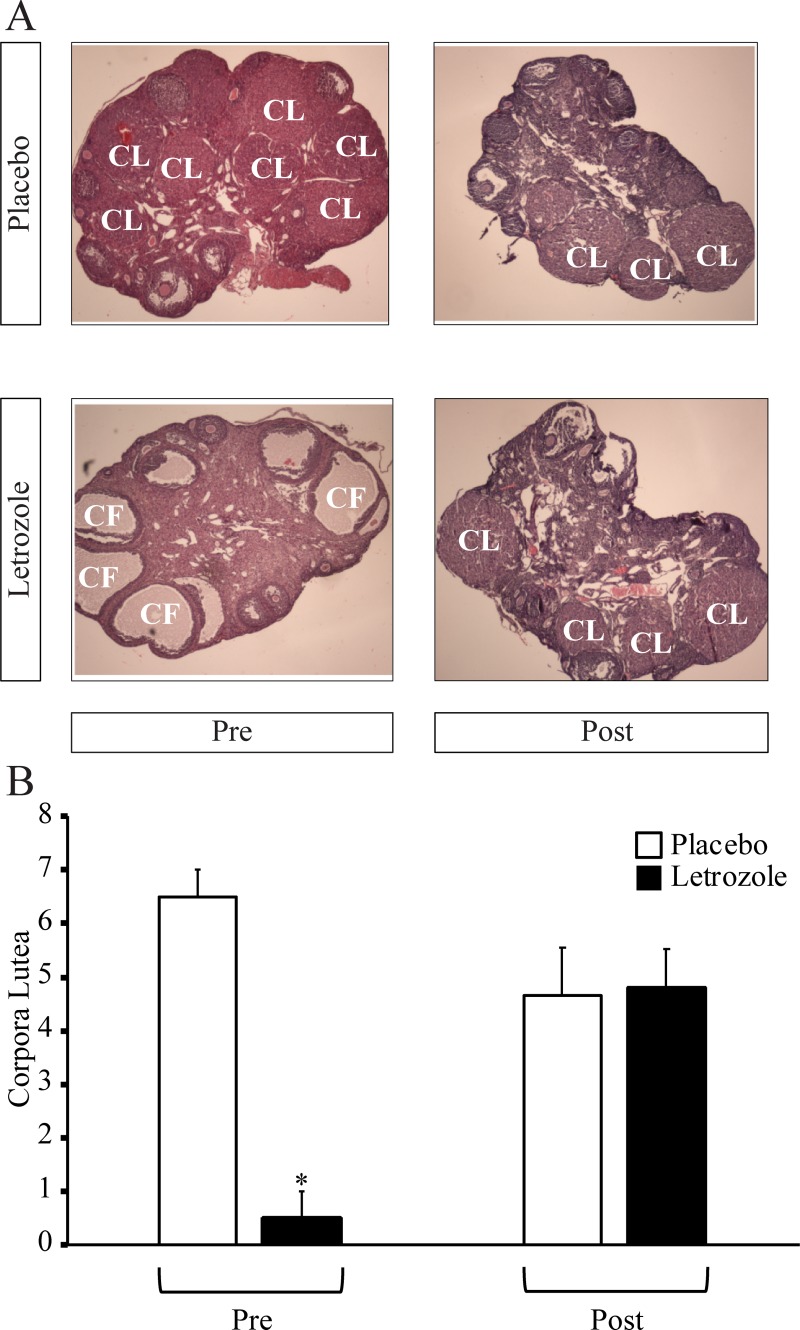
Fig 3. Letrozole removal resulted in ovaries with corpora lutea that lacked cystic follicles.
Representative ovaries with corpora lutea (CL) and cystic follicles (CF) are shown at 40X magnification for placebo and letrozole-treated mice before (Pre) and after (Post) pellet removal (A). The number of CL in the ovaries of letrozole and placebo mice before (Pre; n = 3 placebo, n = 3 letrozole) and after (Post; n = 3 placebo, n = 6 letrozole) pellet removal were quantified (B). Wilcoxon rank sum test, a non-parametric test was used; * p < 0.05. Ovaries from placebo and letrozole-treated mice before pellet removal were obtained from a previously published cohort [28].
Fig 4
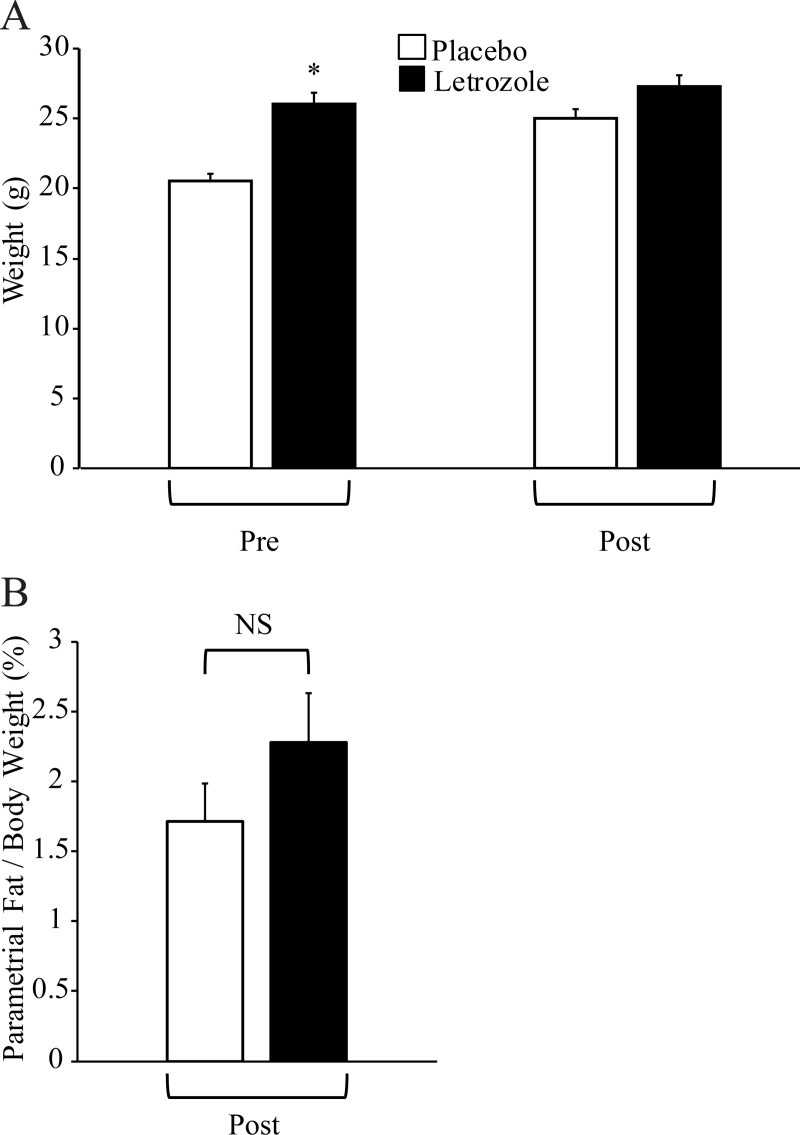
Fig 4. Letrozole removal resulted in weight and abdominal adiposity similar to placebo mice.
Body weight was measured for placebo and letrozole-treated mice before (Pre; week 5) and after (Post; week 13) pellet removal (n = 10 placebo, n = 12 letrozole) (A). Abdominal adiposity was evaluated by measuring parametrial fat relative to total body weight for placebo and letrozole-treated mice after (Post; week 13) (B). Student t-test was used, * p < 0.05.
Fig 5
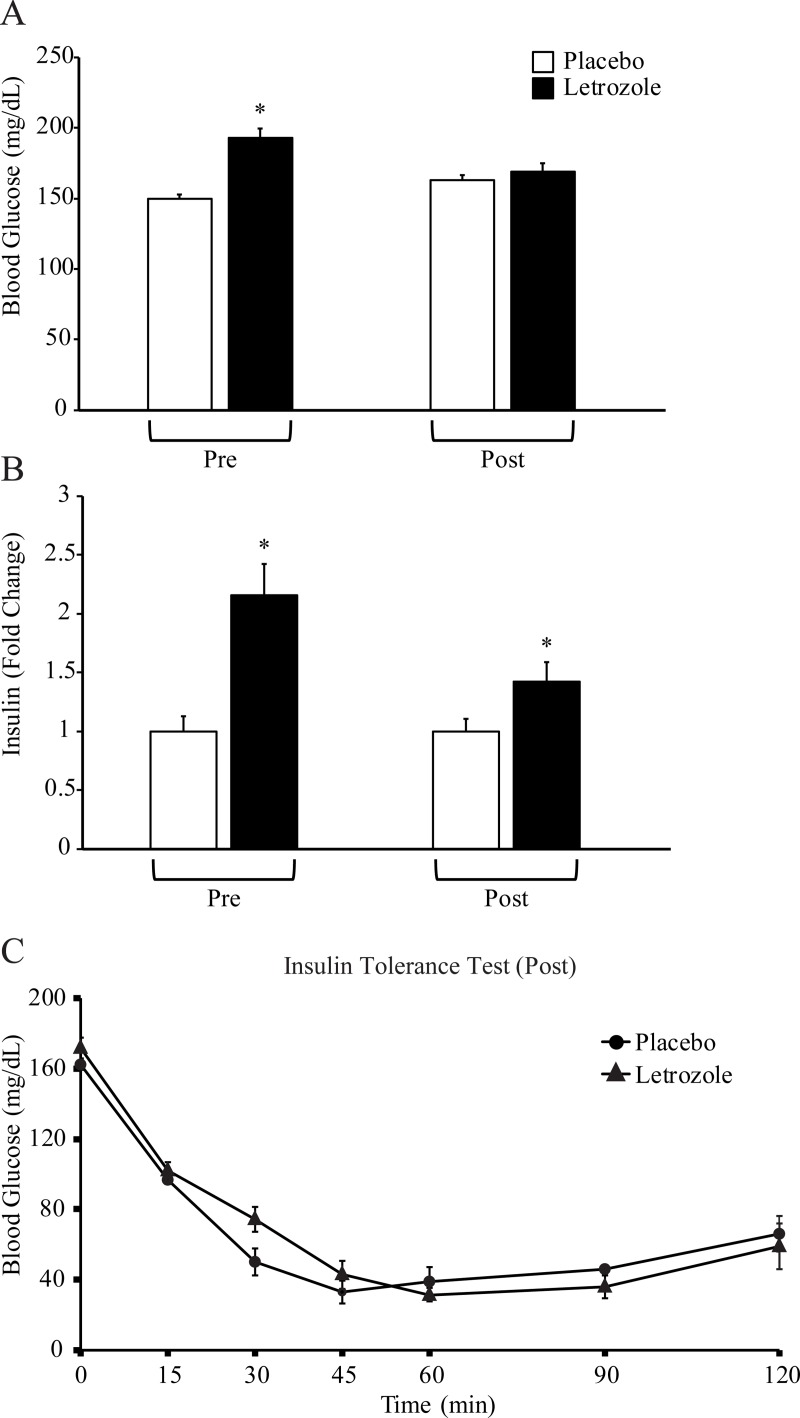
Fig 5. Letrozole removal resulted in fasting blood glucose levels and insulin tolerance similar to placebo mice.
Fasting blood glucose (A) and insulin levels (B) were measured for placebo and letrozole-treated mice before (Pre; week 5) and after (Post; week 12) pellet removal (n = 8 placebo, n = 8 letrozole). Removal of the letrozole pellet resulted in normalized fasting blood glucose levels and less elevation of insulin levels compared to before pellet removal. Student t-test was used, * p < 0.05. An insulin tolerance test (ITT) was performed on placebo and letrozole-treated mice after pellet removal (Post; week 12) (C) Removal of the letrozole pellet resulted in a lack of insulin resistance. A repeated measures ANOVA was used for comparing differences between placebo and letrozole mice over time, p < 0.05.
Fig 6
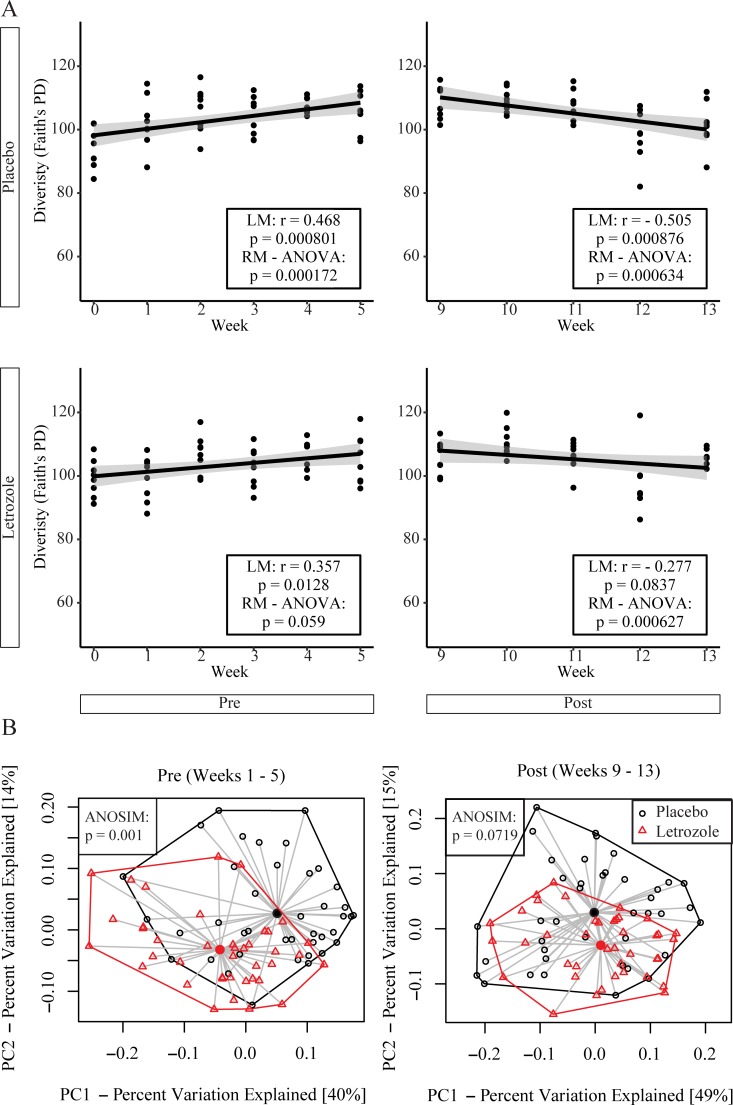
Fig 6. Letrozole removal resulted in gut microbial diversity similar to placebo mice.
Alpha diversity of the gut microbiome according to Faith’s phylogenetic diversity (Faith’s PD) estimate was graphed over time for placebo and letrozole-treated female mice before (Pre; weeks 0–5) and after (Post; weeks 9–13) pellet removal (n = 10 placebo, n = 12 letrozole) (A). Results of simple linear regression model (LM) and Repeated Measures (RM) ANOVA are in the box inset, while the gray shaded area indicates the 95% confidence interval for the line of best fit. Beta diversity was estimated using weighted UniFrac distances and a Principal Coordinates Analysis (PCoA) was used to demonstrate changes in the gut bacterial community in placebo and letrozole-treated mice before (Pre; weeks 1–5) and after (Post; weeks 9–13) pellet removal (B). Centroid of placebo samples (black solid circle) and centroid of letrozole samples (red solid circle) are indicated on the graph. The proportion of variance explained by each principal coordinate axis (PC) is shown with the corresponding axis. Analysis of Similarity (ANOSIM) test is shown in the box inset.
Fig 7
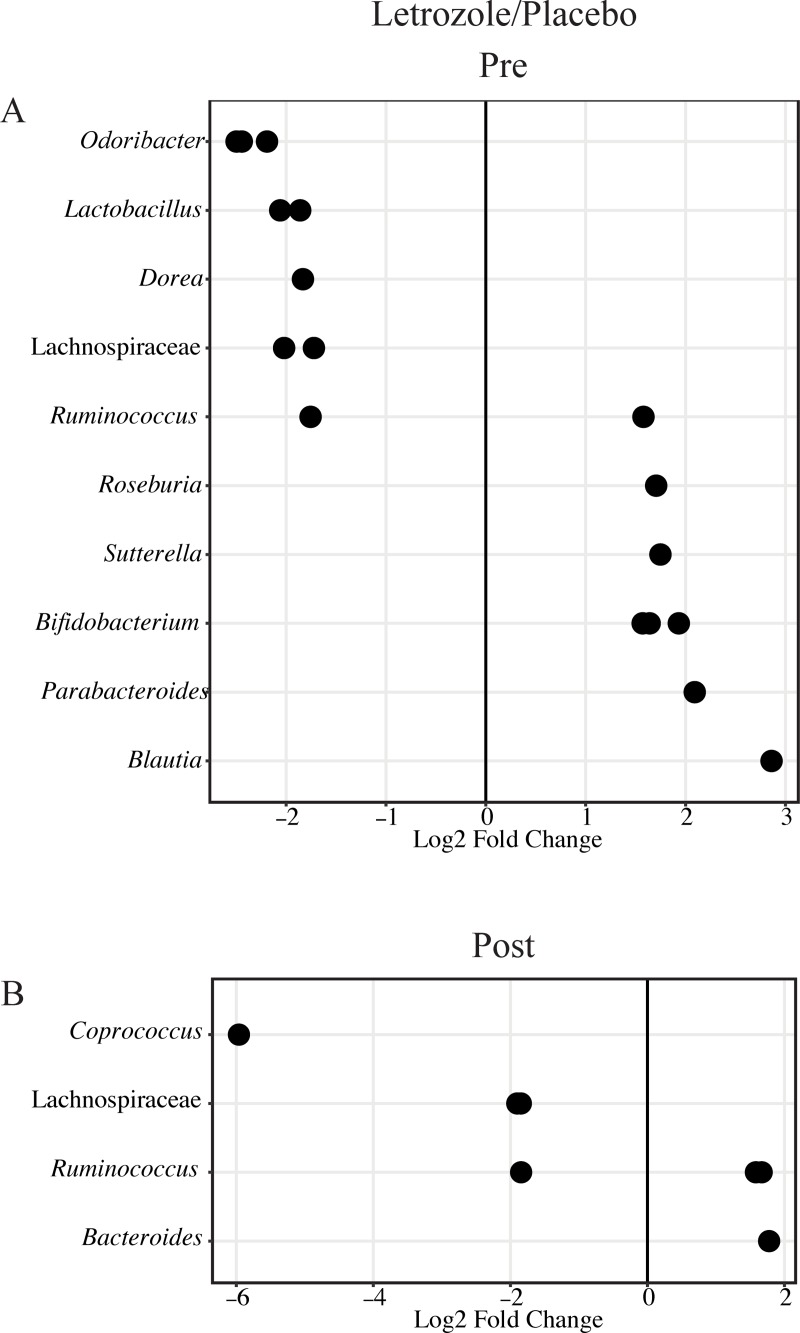
Fig 7. Letrozole removal resulted in fewer differentially abundant bacterial genera in placebo versus letrozole mice.
DESeq2 differential abundance results were expressed as log2 fold change to compare placebo- and letrozole-treated female mice before (A) and after pellet removal (B). Positive log2 fold change represents bacterial genera increased in letrozole relative to placebo mice. Negative log2 fold change represents bacterial genera increased in placebo relative to letrozole mice. p < 0.05.

References

    1. Fauser BC, Tarlatzis BC, Rebar RW, Legro RS, Balen AH, Lobo R, et al. Consensus on women's health aspects of polycystic ovary syndrome (PCOS): the Amsterdam ESHRE/ASRM-Sponsored 3rd PCOS Consensus Workshop Group. Fertil Steril. 2012;97(1):28–38 e25. 10.1016/j.fertnstert.2011.09.024 - DOI - PubMed
    1. Rotterdam EA-SPCWG. Revised 2003 consensus on diagnostic criteria and long-term health risks related to polycystic ovary syndrome. Fertil Steril. 2004;81(1):19–25. 10.1016/j.fertnstert.2003.10.004 - DOI - PubMed
    1. Teede HJ, Misso ML, Deeks AA, Moran LJ, Stuckey BG, Wong JL, et al. Assessment and management of polycystic ovary syndrome: summary of an evidence-based guideline. Med J Aust. 2011;195(6):S65–112. 10.5694/mja11.10915 - DOI - PubMed
    1. Yao K, Bian C, Zhao X. Association of polycystic ovary syndrome with metabolic syndrome and gestational diabetes: Aggravated complication of pregnancy. Exp Ther Med. 2017;14(2):1271–6. 10.3892/etm.2017.4642 - DOI - PMC - PubMed
    1. Barthelmess EK, Naz RK. Polycystic ovary syndrome: current status and future perspective. Frontiers in bioscience. 2014;6:104–19. - PMC - PubMed

Publication types

MeSH terms