


The Interplay of Inflammatory Processes and Cognition in Alcohol Use Disorders-A Systematic Review
- PMID: 31572234
- PMCID: PMC6751886
- DOI: 10.3389/fpsyt.2019.00632
The Interplay of Inflammatory Processes and Cognition in Alcohol Use Disorders-A Systematic Review
Abstract
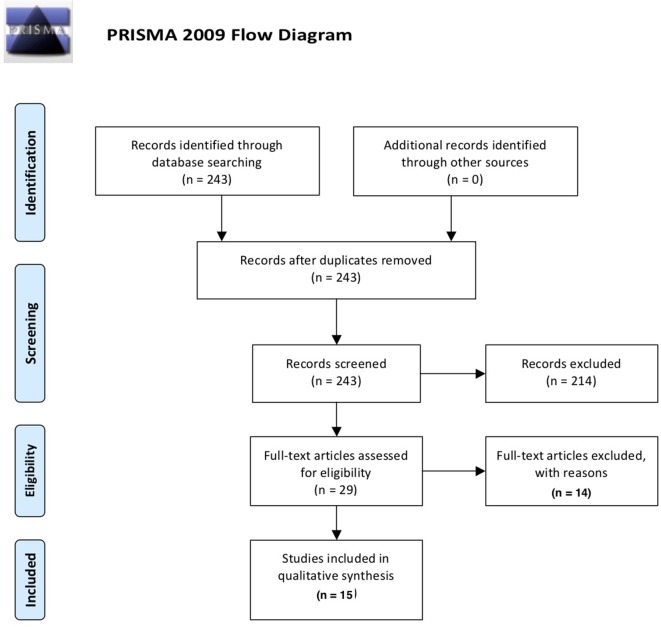
Rationale: Of late, evidence emerges that the pathophysiology of psychiatric diseases and their affiliated symptomatologies are at least partly contributable to inflammatory processes. Also in alcohol use disorders (AUD), this interaction is strongly apparent, with severely immunogenic liver cirrhosis being one of the most critical sequelae of chronic abusive drinking. This somatic immune system activation negatively impacts brain functioning, and additionally, alcohol abuse appears to have a direct detrimental effect on the brain by actively stimulating its immune cells and responses. As cognitive decline majorly contributes to AUD's debility, it is important to know to what extent impairment of cognitive functioning is due to these (neuro-)inflammatory aberrations. Method: We hereby summarize the current existing literature on the interplay between AUD, inflammation, and cognition in a systematic review according to the PRISMA-P guidelines for the systematic review. Main findings: Although literature on the role of inflammation in alcohol use-related cognitive deficiency remains scarce, current findings indicate that pro-inflammatory processes indeed result in exacerbation of several domains of cognitive deterioration. Interestingly, microglia, the immune cells of the brain, appear to exert initial compensatory neuroprotective functionalities upon acute ethanol exposure while chronic alcohol intake seems to attenuate these responses and overall microglial activity. Conclusion: As these results indicate inflammation to be of importance in cognitive impairment following alcohol consumption and might as such provide alternate therapeutic avenues, a considerable increase in research efforts in this domain is urgently required.
Keywords: alcohol addiction; alcohol use disorder; cognition; inflammation; psychiatry.
Copyright © 2019 Coppens, Morrens, Destoop and Dom.
Figures
References
-
- Grant BF, Chou SP, Tulshi D, Saha RP, Pickering BT, Kerridge W, et al. Prevalence of 12-month alcohol use, high-risk drinking, and DSM-IV alcohol use disorder in the United States, 2001-2002 to 2012-2013: results from the National Epidemiologic Survey on Alcohol and Related Conditions. JAMA Psychiatry (2017) 74(9):911–23. 10.1001/jamapsychiatry.2017.2161 - DOI - PMC - PubMed
Publication types
LinkOut - more resources
Full Text Sources
Research Materials
