A Novel Probe for Spliceosomal Proteins that Induces Autophagy and Death of Melanoma Cells Reveals New Targets for Melanoma Drug Discovery
- PMID: 31573152
- PMCID: PMC6990463
- DOI: 10.33594/000000164
A Novel Probe for Spliceosomal Proteins that Induces Autophagy and Death of Melanoma Cells Reveals New Targets for Melanoma Drug Discovery
Abstract
Background/aims: Despite recent advances in melanoma drug discovery, the average overall survival of patients with late stage metastatic melanoma is approximately 3 years, suggesting a need for approaches that identify new melanoma targets. We have previously reported a discovery of novel anti-melanoma compound 2155-14 (Onwuha-Ekpete et al., J Med Chem. 2014 Feb 27; 57(4):1599-608). In the report presented herein we aim to identify its target(s) and mechanism of action.
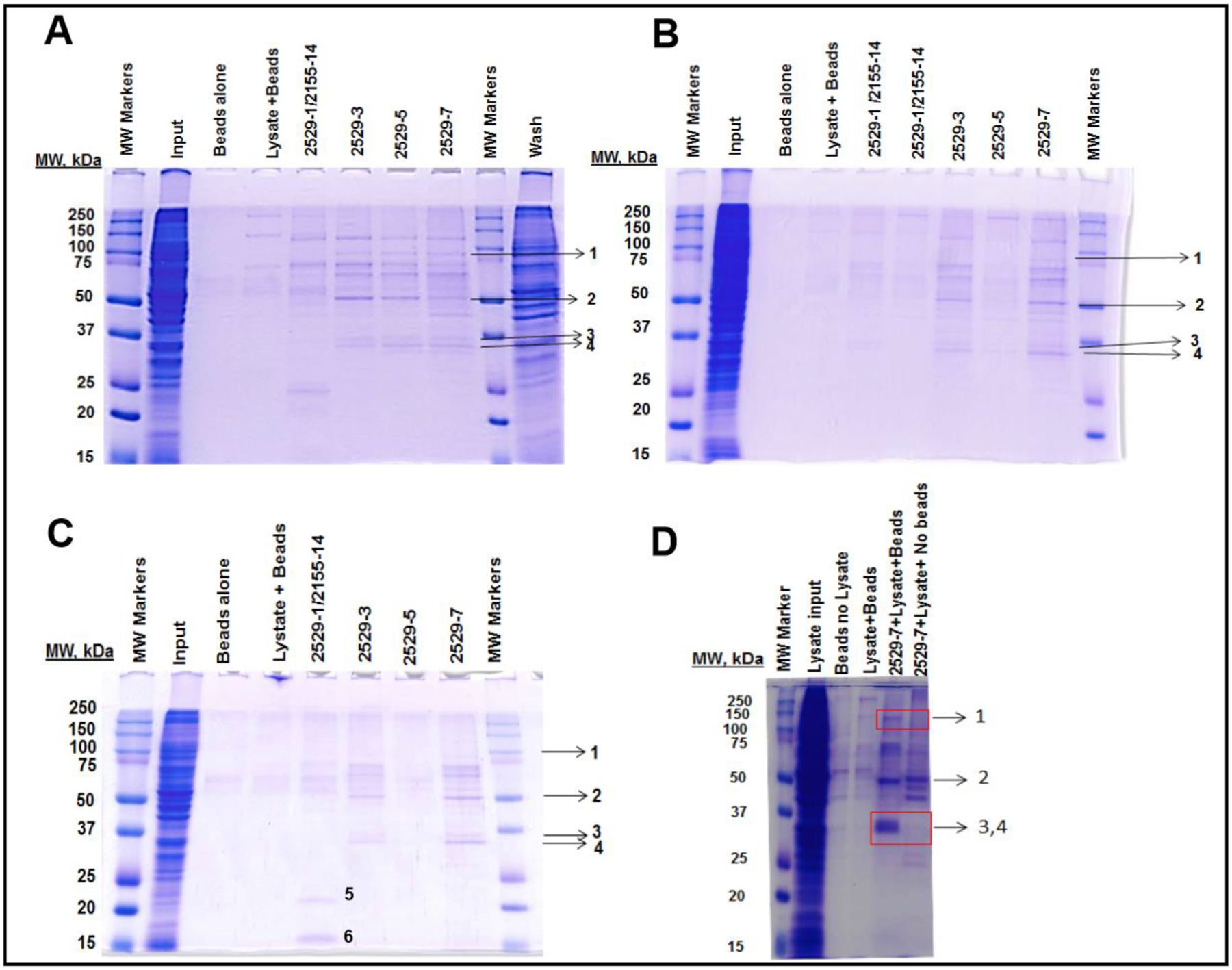
Methods: We utilized biotinylated analog of 2155-14 to pull down its targets from melanoma cells. Proteomics in combination with western blot were used to identify the targets. Mechanism of action of 2155-14 was determined using flow cytometry, RT-PCR, microscopy, western blot, and enzymatic activity assays. Where applicable, one-way analysis of variance (ANOVA) was used followed by Dunnett post hoc test.
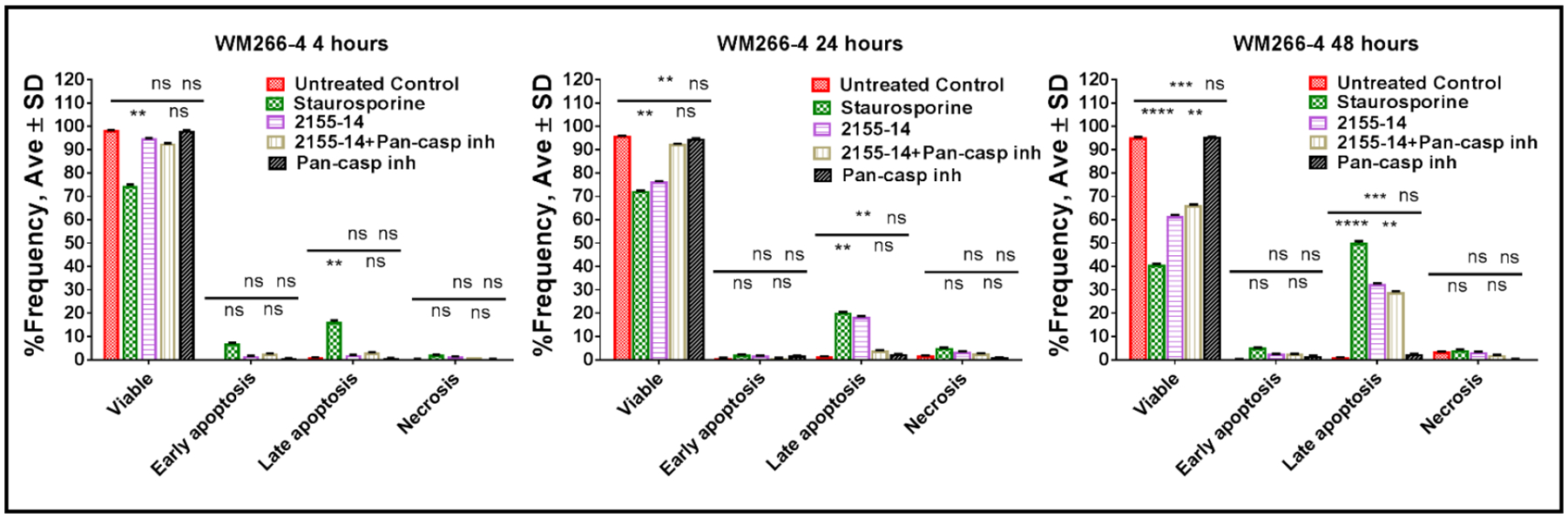
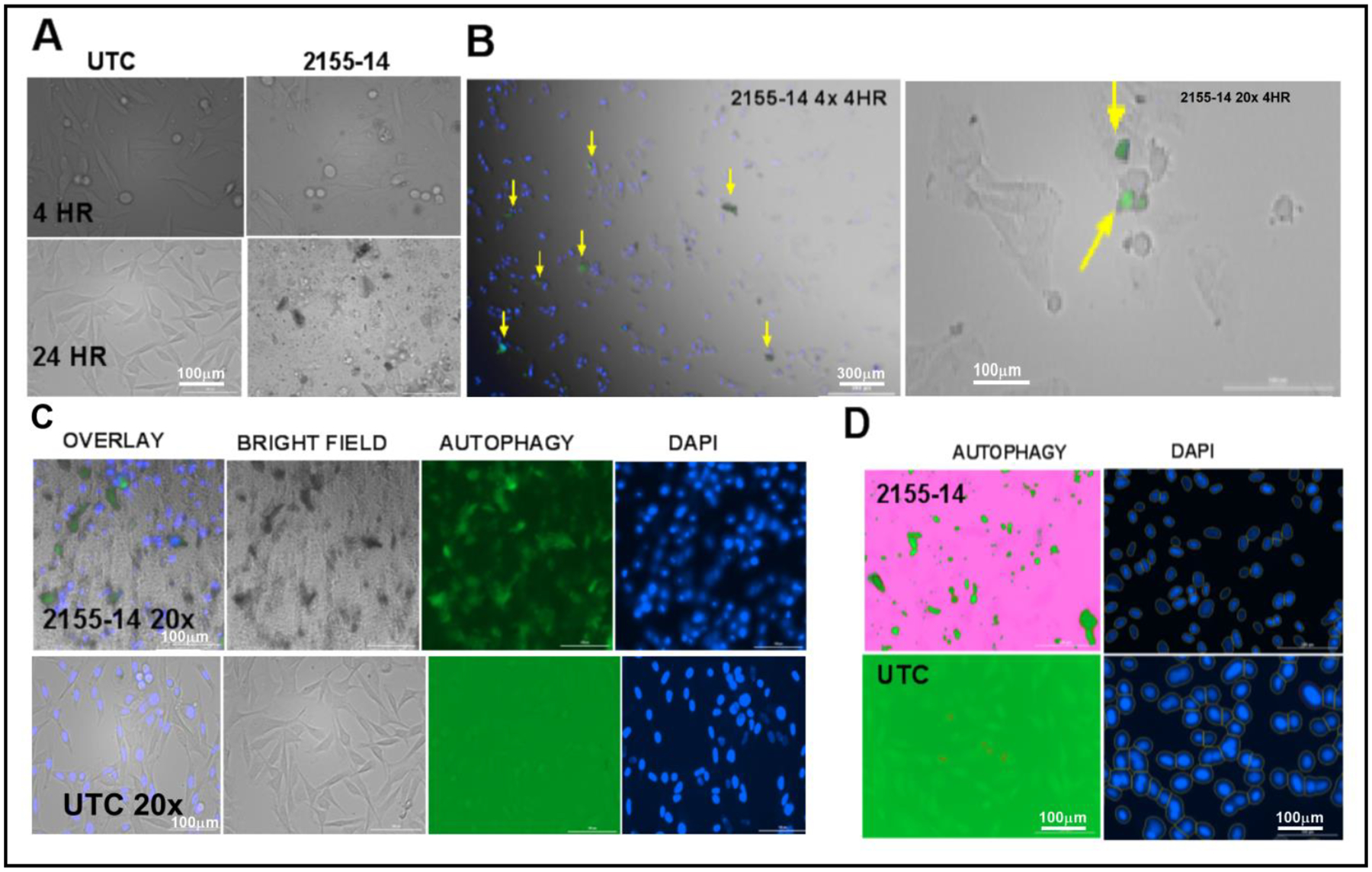
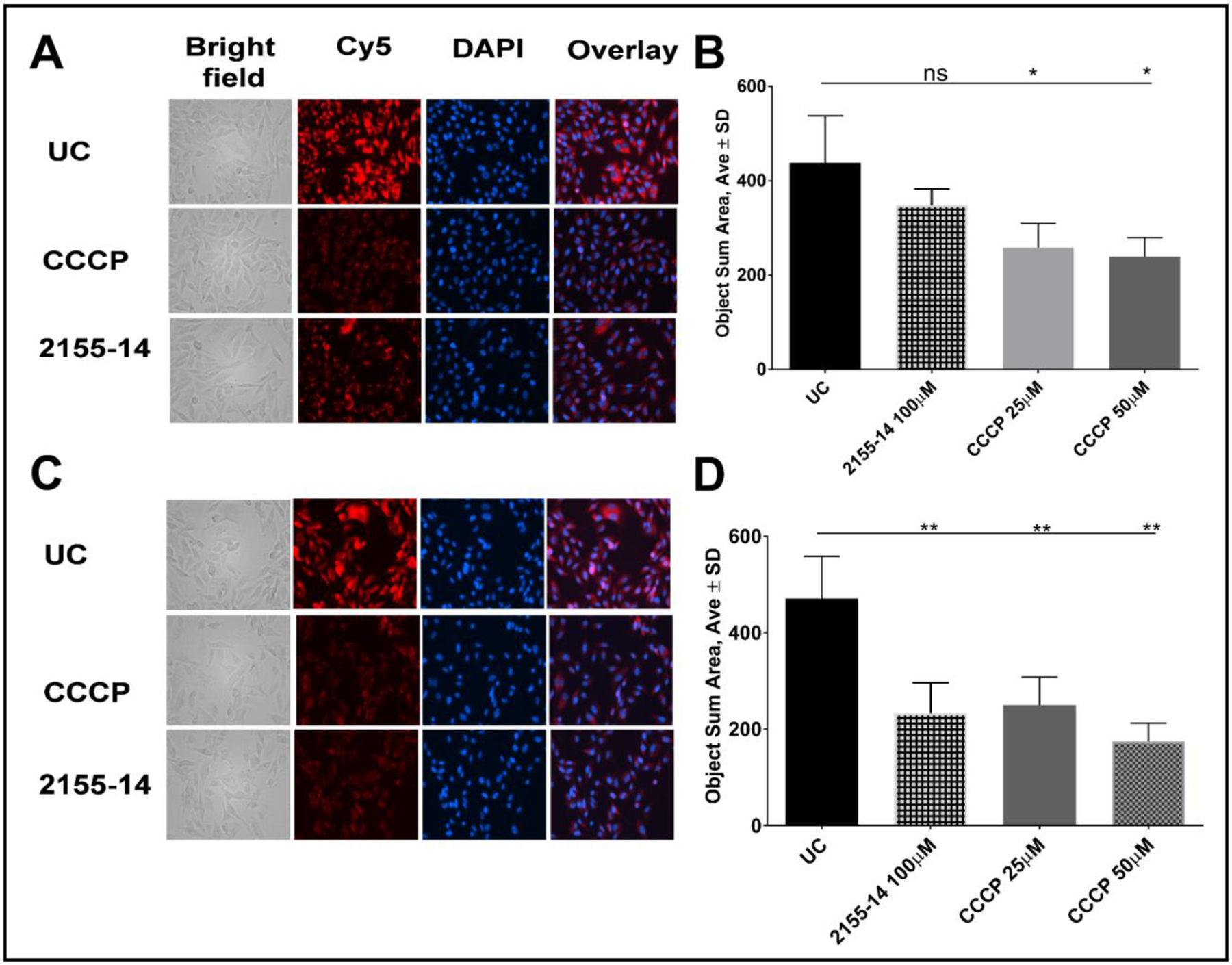
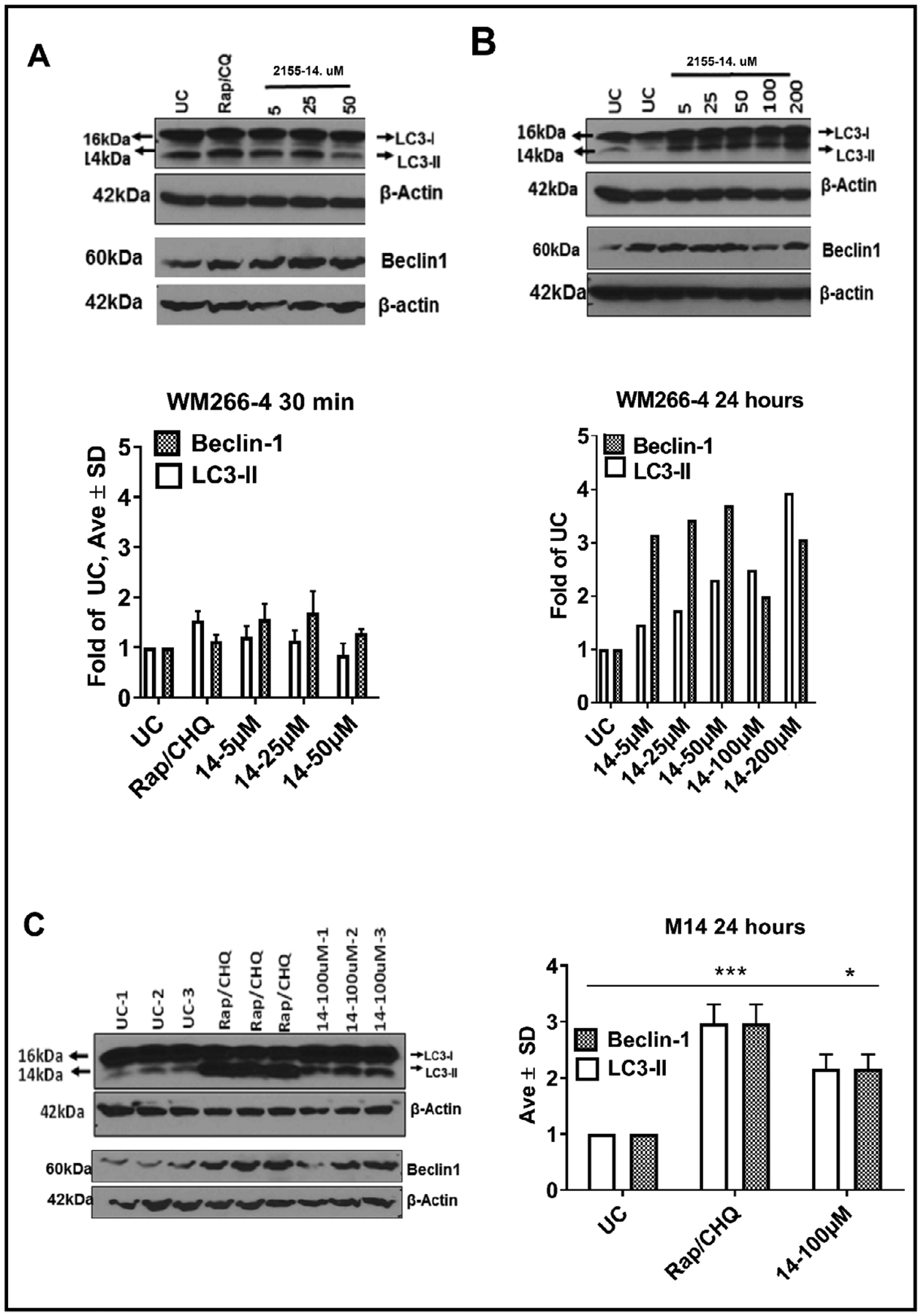
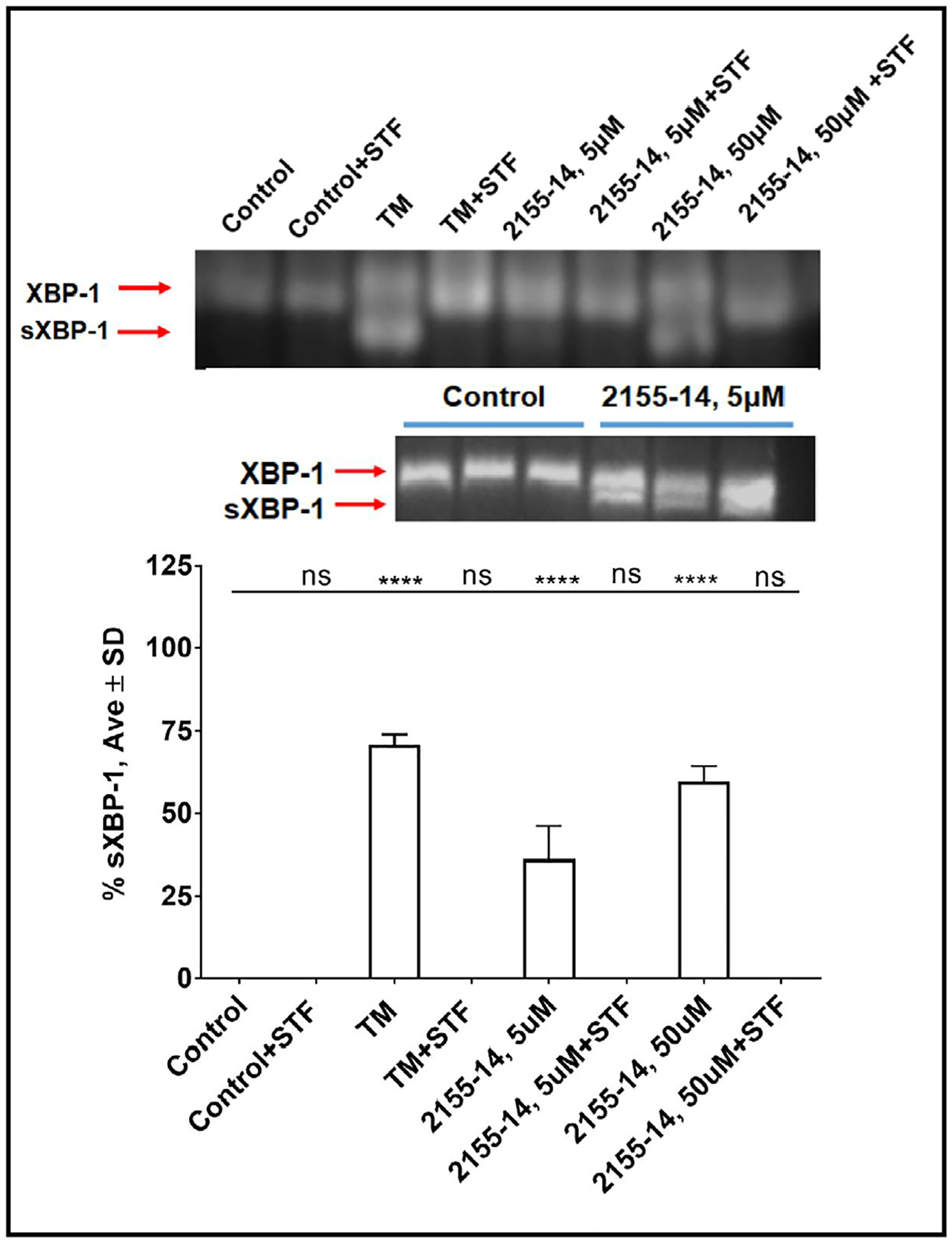
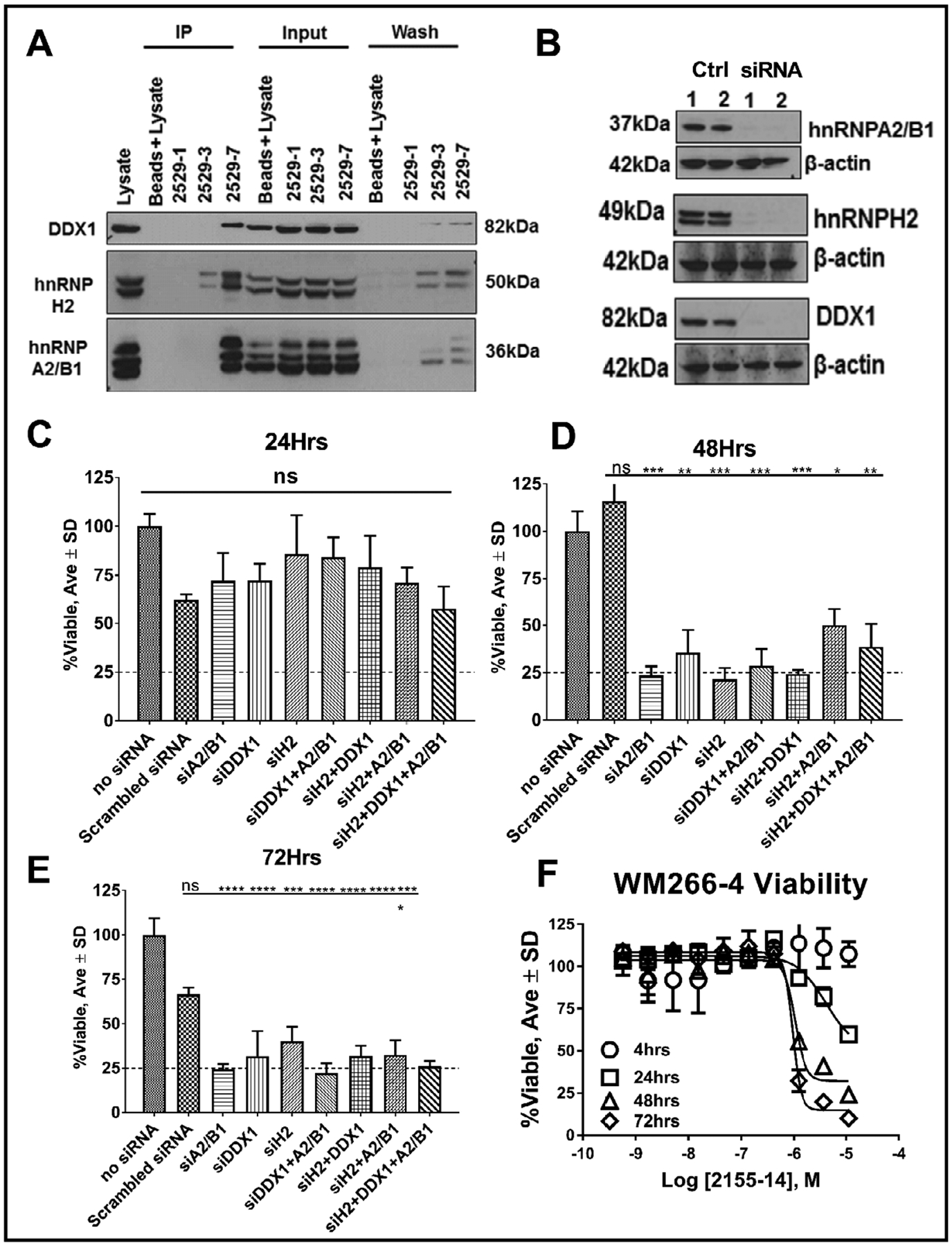
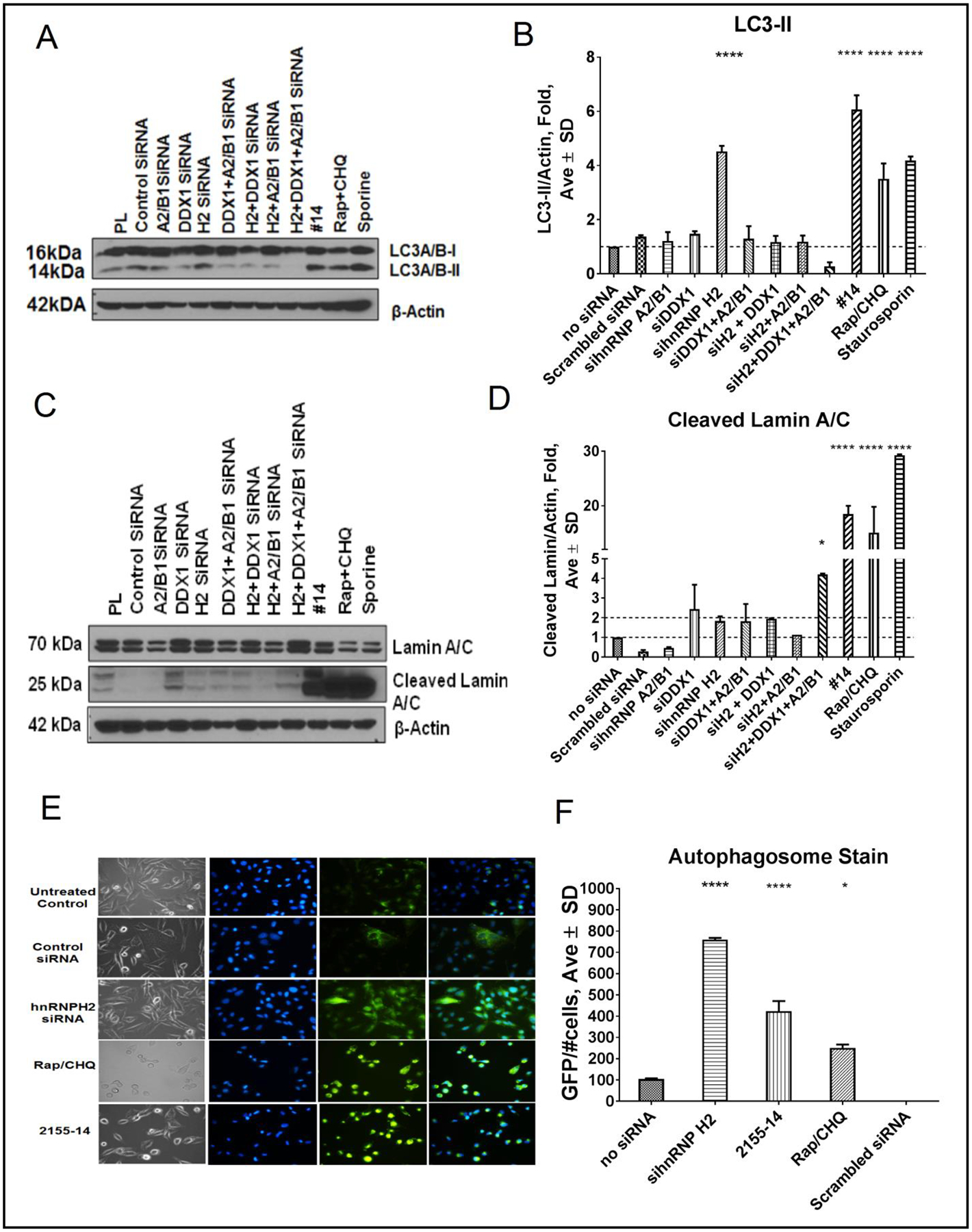
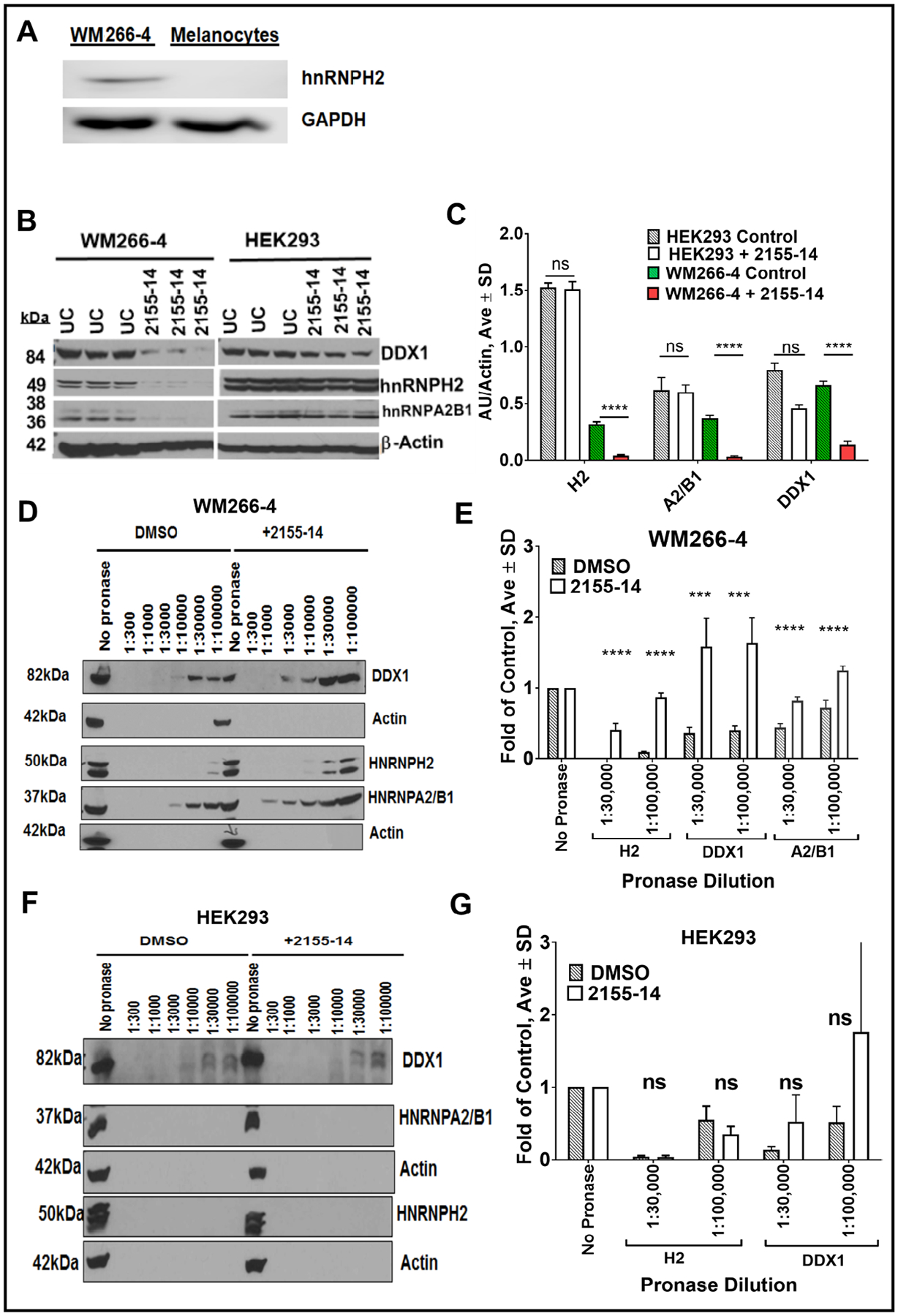
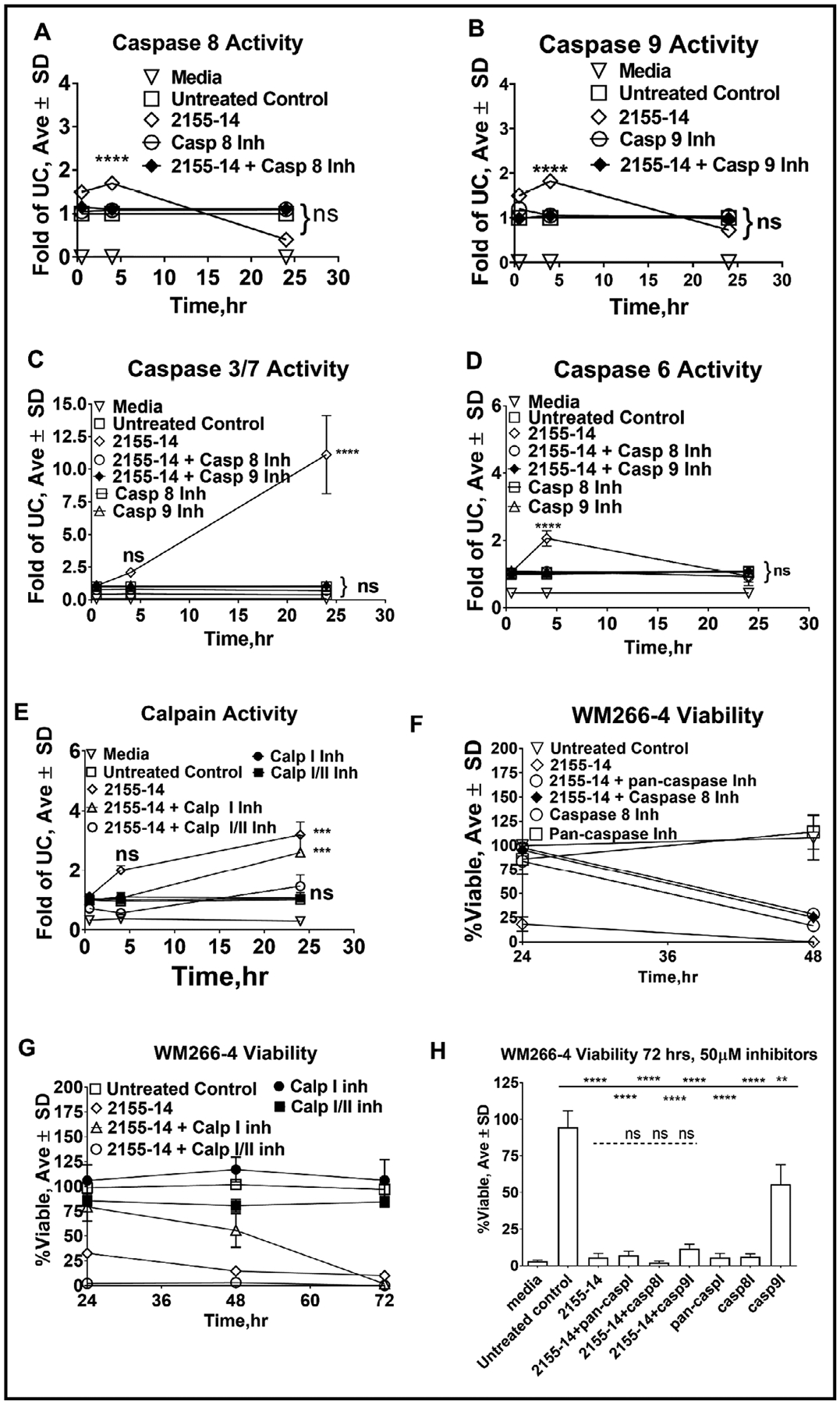
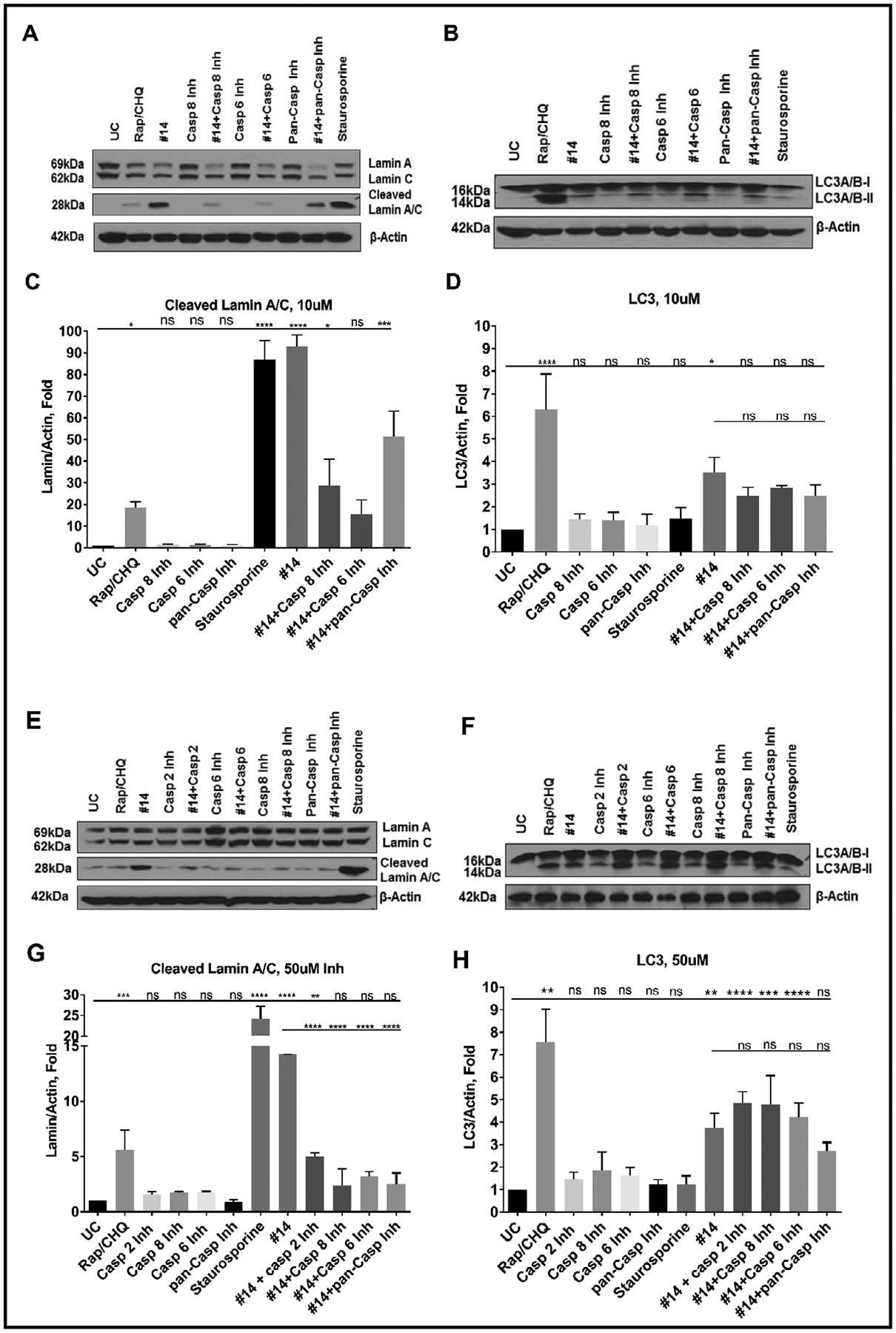
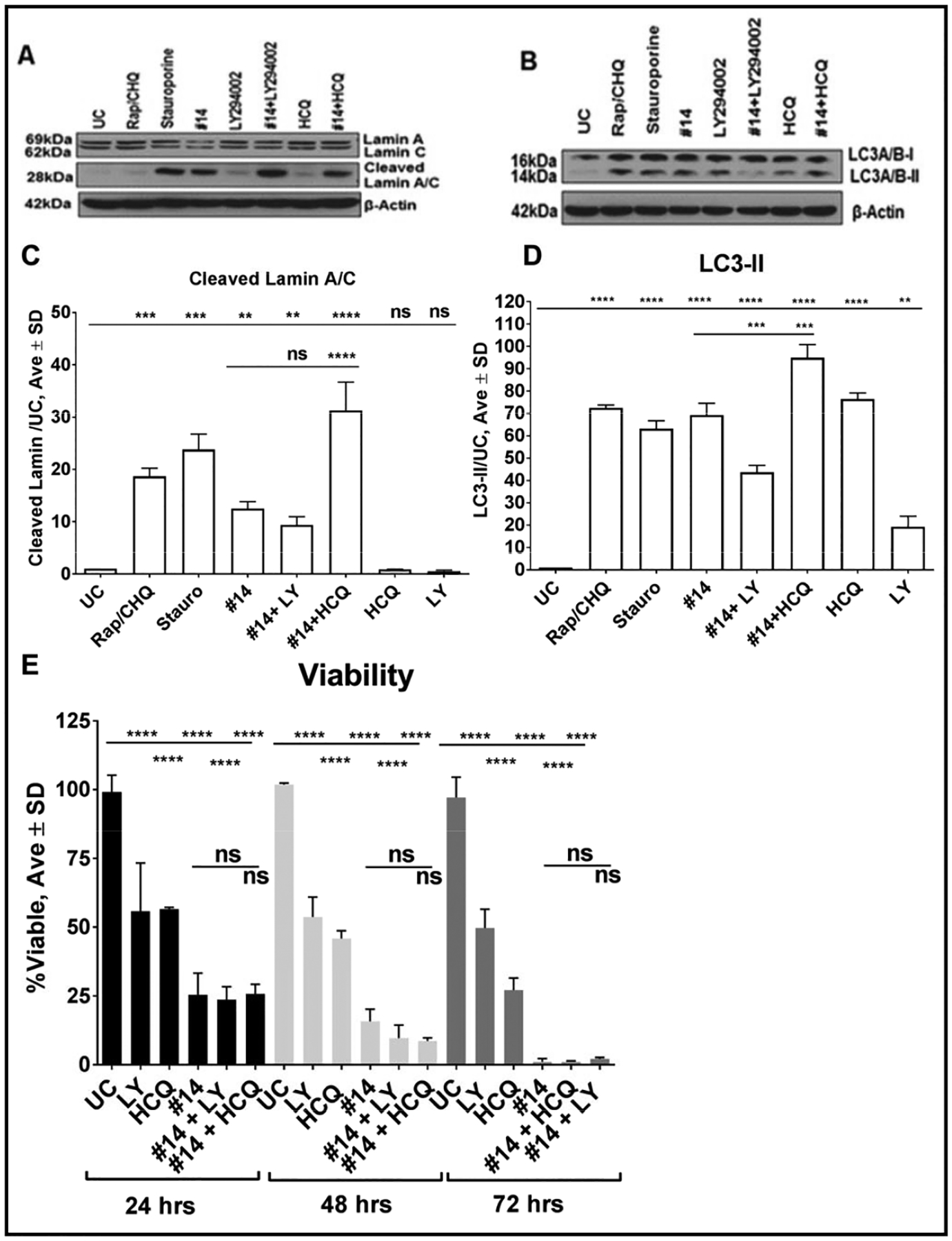
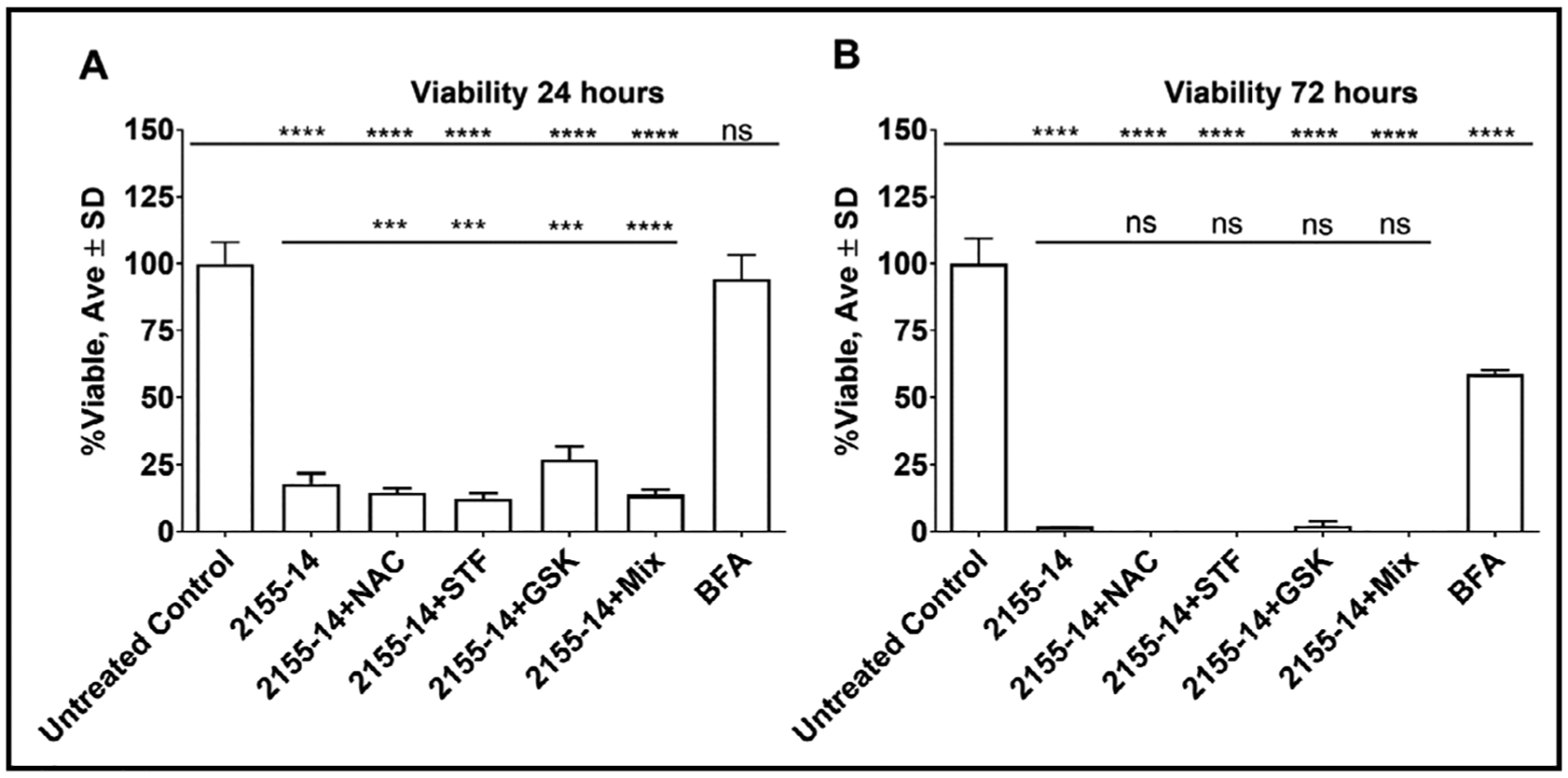
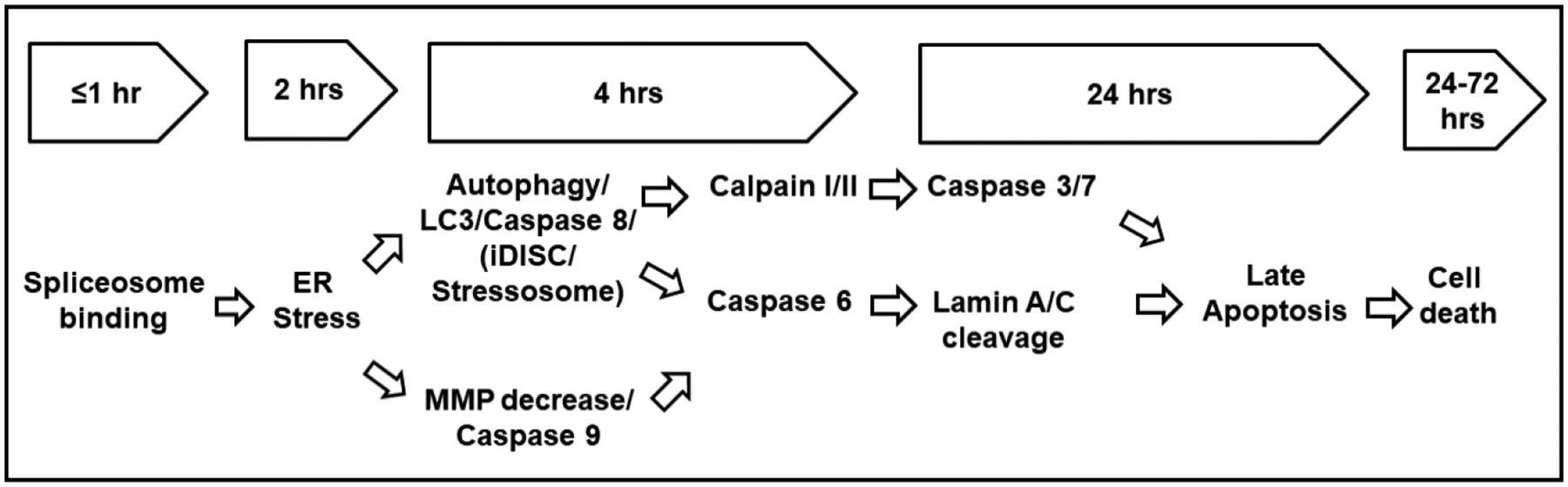
Results: In the present study, we identified ATP-dependent RNA helicase DDX1 and heterogeneous nuclear ribonucleoproteins (hnRNPs) H1, H2 and A2/B1 as targets of anti-melanoma compound 215514. To the best of our knowledge, this is a first report suggesting that these proteins could be targeted for melanoma therapy. Mechanistic investigations showed that 2155-14 induces ER stress leading to potentiation of basal autophagy resulting in melanoma cell death in BRAF and NRAS mutated melanoma cells.
Conclusion: Identification of mode of action of 2155-14 may provide insight into novel therapies against a broad range of melanoma subtypes. These studies were enabled by the novel probe derived from a mixture-based library, an important class of chemical biology tools for discovering novel targets.
Keywords: Autophagy; Mechanism of action; Melanoma; Spliceosomal protein binding; Target identification.
© Copyright by the Author(s). Published by Cell Physiol Biochem Press.
Conflict of interest statement
The authors declare that no conflict of interest exists.
Figures
References
-
- National Cancer Institute: Surveillance, Epidemiology, and End Results Program: Turning Cancer Data Into Discovery. NIH, 2014. URL: https://seer.cancer.gov/
-
- World Cancer Research Fund: Skin cancer statistics, 2019. URL: https://www.wcrf.org/dietandcancer/cancer-trends/skin-cancer-statistics
-
- Melanoma Research Foundation: Melanoma Facts and Stats, 2018. URL: https://melanoma.org/melanomaeducation/understand-melanoma/facts-stats/
-
- Bray F, Ferlay J, Soerjomataram I, Siegel RL, Torre LA, Jemal A: Global cancer statistics 2018: GLOBOCAN estimates of incidence and mortality worldwide for 36 cancers in 185 countries. CA Cancer J Clin 2018;68:394–424. - PubMed
-
- See: Active melanoma clinical trials, by NIH/NCI. URL: https://clinicaltrials.gov/.
MeSH terms
Substances
Grants and funding
LinkOut - more resources
Full Text Sources
Research Materials
Miscellaneous