


Thromboelastometric evaluation of coagulation profiles of cold-stored autologous whole blood: A prospective observational study
- PMID: 31574880
- PMCID: PMC6775353
- DOI: 10.1097/MD.0000000000017357
Thromboelastometric evaluation of coagulation profiles of cold-stored autologous whole blood: A prospective observational study
Abstract
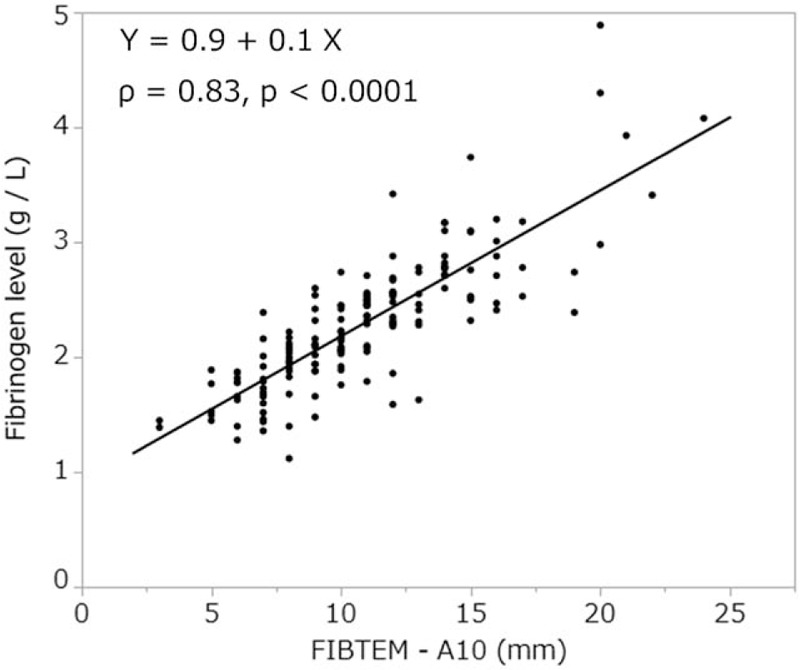
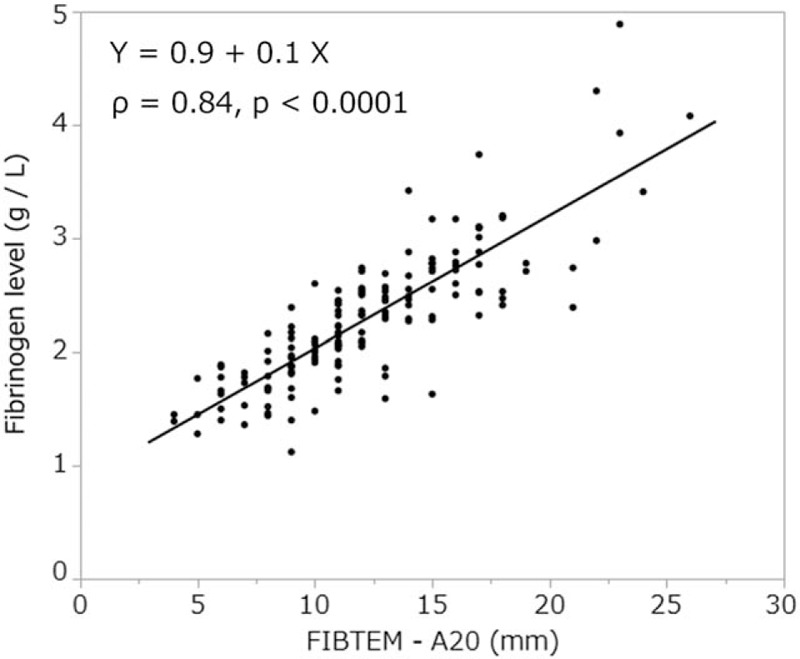
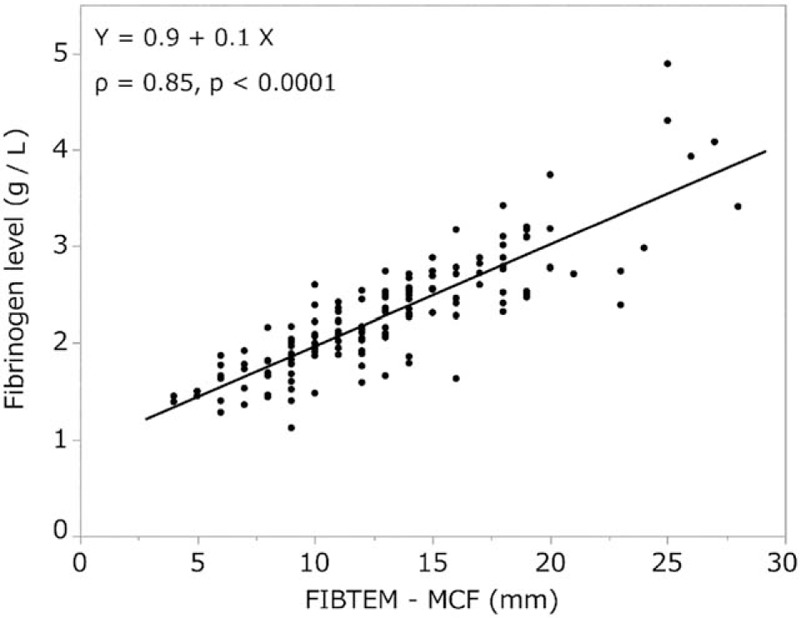
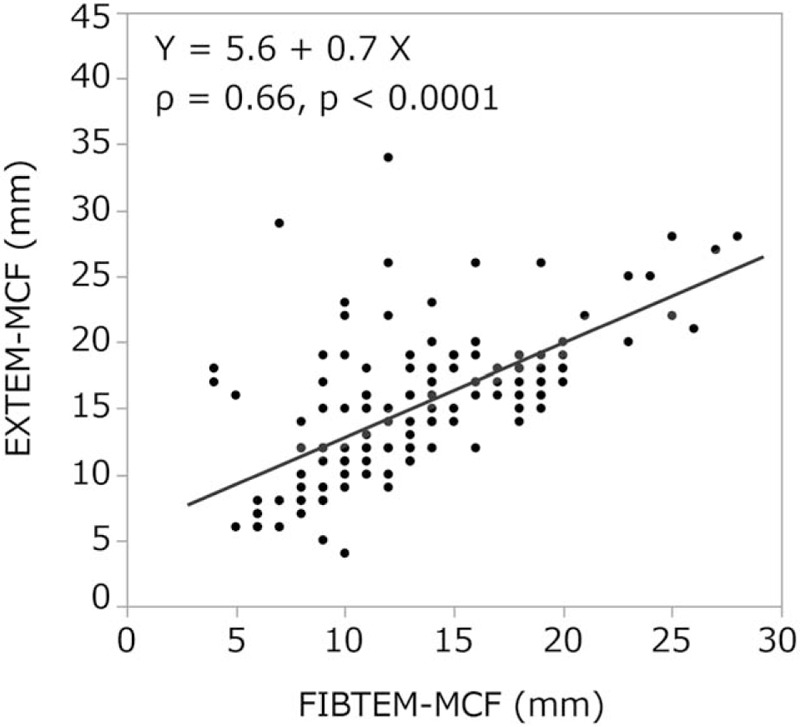
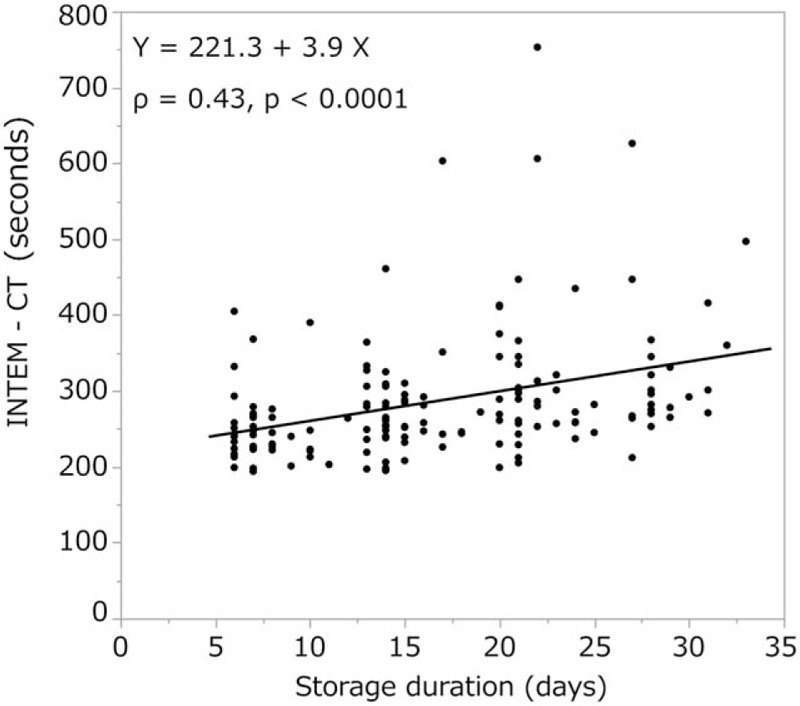
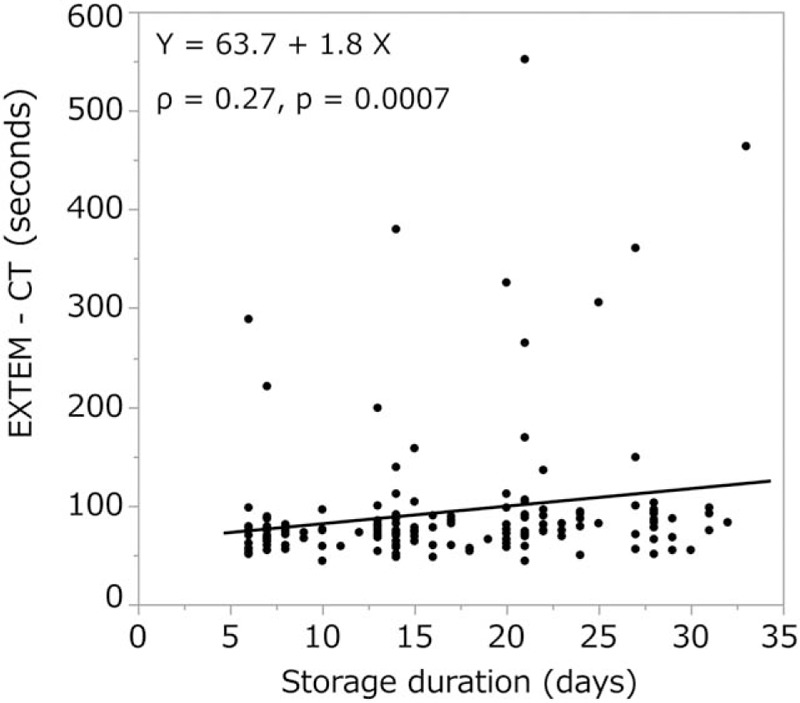
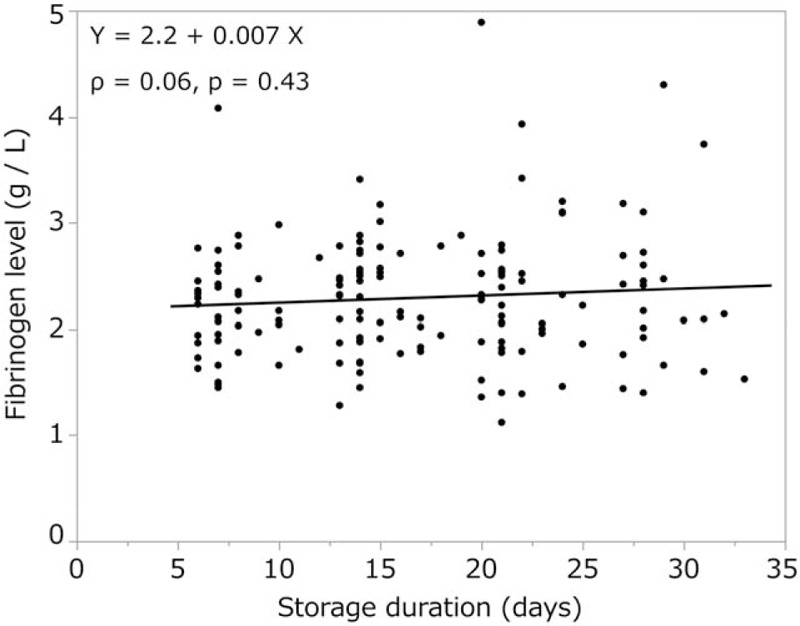
Preoperative autologous blood donation is a well-established procedure to reduce the need for allogeneic blood transfusion. We hypothesized that coagulation activity is maintained in cold-stored whole blood, because the fundamental polymerization properties of fibrin are preserved.Fifty adult patients who underwent elective cardiothoracic surgery were enrolled.Autologous whole blood collected 2 to 4 times at almost 1-week intervals before surgery was stored at approximately 4°C until reinfusion at the time of surgery. Blood samples were drawn just before reinfusion, and rotational thromboelastometry variables and fibrinogen levels were measured.A total of 158 samples were analyzed. The mean duration of cold storage was 16.7 ± 7.4 days (range: 6-33 days). Platelet counts were very low due to collection through a leukoreduction filter. The mean fibrinogen level was 2.3 ± 0.6 g/L. Amplitude at 10 minutes after CT (A10), amplitude at 20 minutes after CT (A20), and maximum clot firmness (MCF) values as determined by FIBTEM analysis were 10.8 ± 3.8, 12.2 ± 4.2, and 13.1 ± 4.7 mm, respectively. Fibrinogen levels were strongly correlated with A10, A20, and FIBTEM-MCF values (ρ = 0.83, P < .0001, ρ = 0.84, P < .0001, ρ = 0.85, P < .0001, respectively). Fibrinogen levels were not correlated with the duration of cold storage (ρ = 0.06, P = .43).The results of the present study demonstrate that fibrin polymerization occurs in cold-stored autologous whole blood, and that such activity is strongly correlated with fibrinogen levels. Furthermore, our data suggest that cold-stored leukoreduced autologous whole blood retains fibrin polymerization properties throughout 33 days.
Conflict of interest statement
The authors report no conflicts of interest
Figures
References
-
- Blaudszun G, Butchart A, Klein AA. Blood conservation in cardiac surgery. Transfus Med 2018;28:168–80. - PubMed
-
- Davies L, Brown T, Haynes S, et al. Cost-effectiveness of cell salvage and alternative methods of minimising perioperative allogeneic blood transfusion: a systematic review and economic model. Health Technol Assess 2006;10:44. - PubMed
-
- Dietrich W, Thuermel K, Heyde S, et al. Autologous blood donation in cardiac surgery: reduction of allogeneic blood transfusion and cost-effectiveness. J Cardiothorac Vasc Anesth 2005;19:589–96. - PubMed
-
- Tsuno NH, Nagura Y, Kawabata M, et al. The current status of autologous blood transfusion in Japan—the importance of pre-deposit autologous blood donation program and the needs to achieve patient blood management. Transfus Apher Sci 2013;49:673–80. - PubMed
-
- Etchason J, Petz L, Keeler E, et al. The cost effectiveness of preoperative autologous blood donations. N Engl J Med 1995;332:719–24. - PubMed
Publication types
MeSH terms
Substances
LinkOut - more resources
Full Text Sources
Medical
