. 2019 Oct 2;9(1):14164.
doi: 10.1038/s41598-019-50770-4.

A model and simulation of the emotional contagion of netizens in the process of rumor refutation

Affiliations

A model and simulation of the emotional contagion of netizens in the process of rumor refutation

Runxi Zeng et al. Sci Rep. .

Abstract

The emotional contagion of netizens is an important factor that accelerates the spread of rumors, and it is also key to the effectiveness of rumor refutation. Based on the existing emotional model, we improved the method for calculating the emotional value and the transformation rules to simulate how the infection transforms individual emotion to group emotion during rumor refutation. The results show that the cycle and trend of netizen emotional change vary by period, but the final distribution structure presents a relatively stable state. The factors that affect the emotional changes of netizens are mainly objective and subjective aspects, both of which can promote the evolution of emotional contagion. The objective aspect depends on the speed and credibility of the rumor, and the subjective aspect depends on the degree of intimacy between netizens. After rumor refutation, emotions generally change from negative emotions to positive or immune emotions.


Conflict of interest statement

The authors declare no competing interests.

Figures
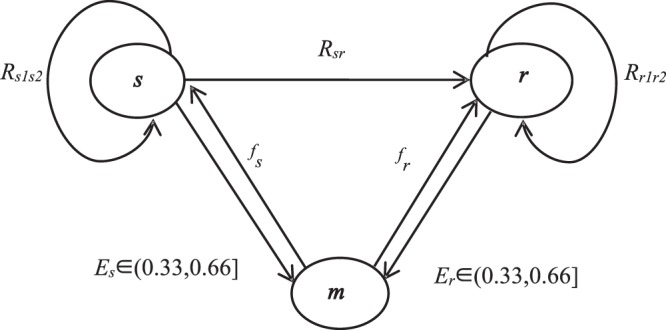
Figure 1
Figure 1
Conversion diagram of the emotional subject relationship. The conversion between s and r depends on the degree of intimacy between them, and the conversion between s and m and r and m depends on the probability of breaking through the emotional critical point.
Figure 2
Figure 2
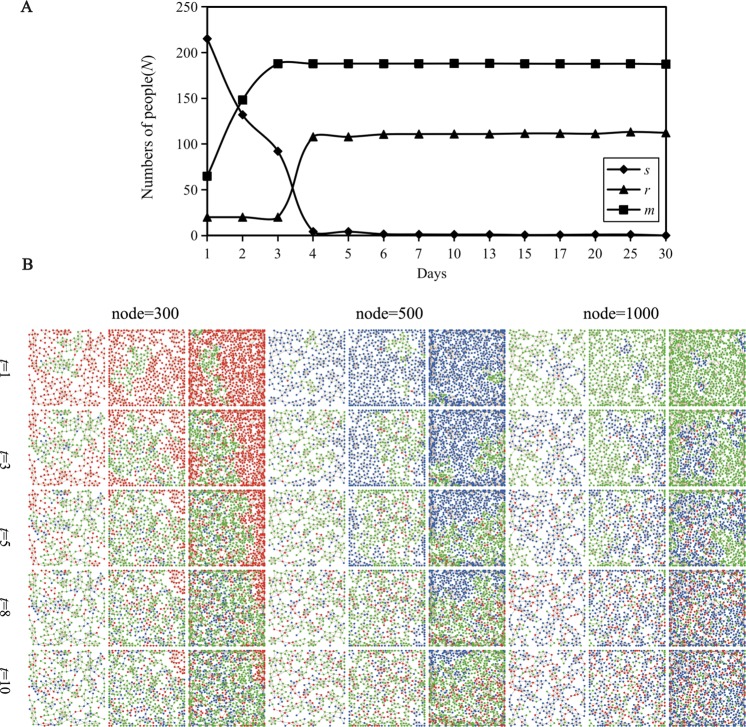
The time distribution of the subject of emotional contagion. (A) The overall increasing and decreasing trend of s, r and m. (B) Distribution of the emotional subjects at t = 1, 3, 5, 8 and 10 days. The red subject emotional state is negative, Es(0) = [0.00, 0.33], the blue subject emotional state is immune, Es (0) = (0.33, 0.66), and the green subject emotional state is positive, Es (0) = (0.66, 1.00].
Figure 3
Figure 3
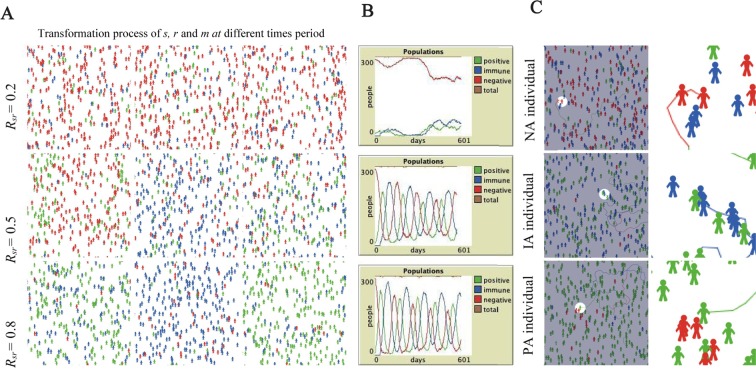
The influence of subjective factors on emotional contagion. (A) When Rsr = 0.2, 0.5 and 0.8, regarding the contagion distribution of the subject of emotion, the red individual was negative, the blue individual was immune, and the green individual was positive. (B) Under the above three conditions, the numbers of s, r and m change. (C) The emotional transmission of individuals in the negative (NA), immune (IA) and positive (PA) states to the surrounding individuals.
Figure 4
Figure 4
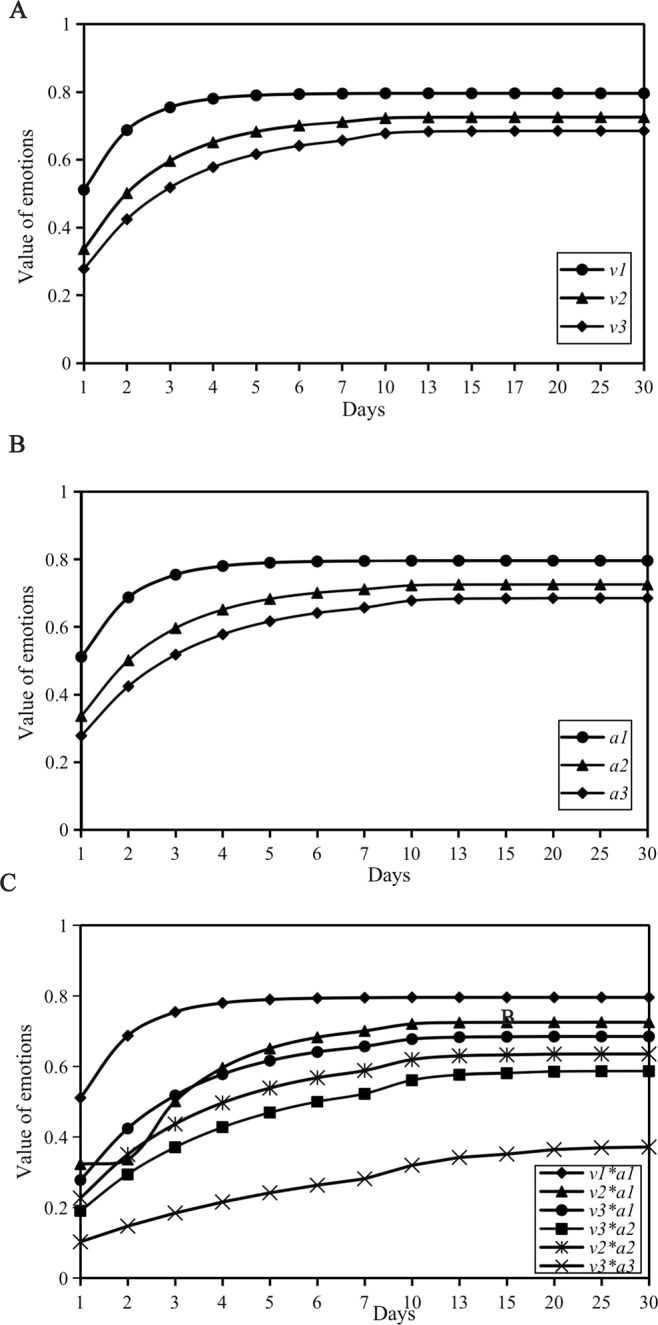
The influence of objective factors on emotional contagion. (A) The influence of different v-values on the emotional value of netizens. (B) The influence of different a-values on the emotional value of netizens. (C) The influence of different combinations of v and a on the emotional value of netizens.
Figure 5
Figure 5
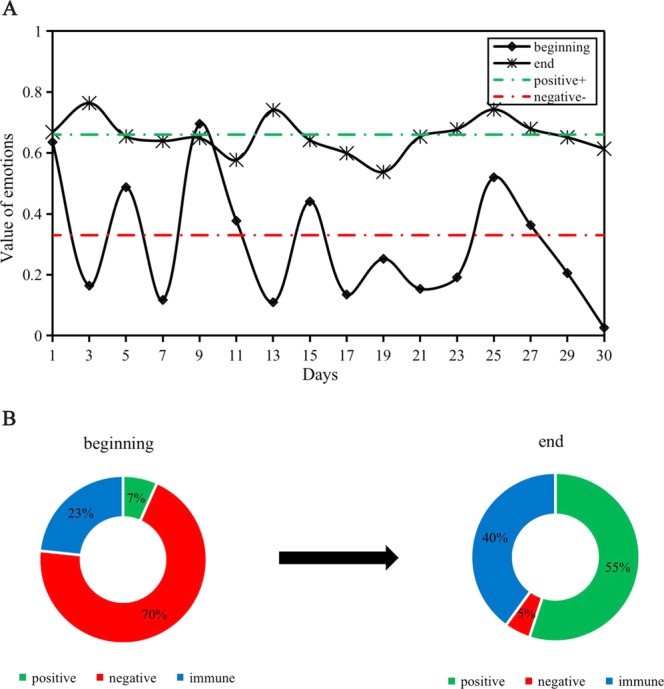
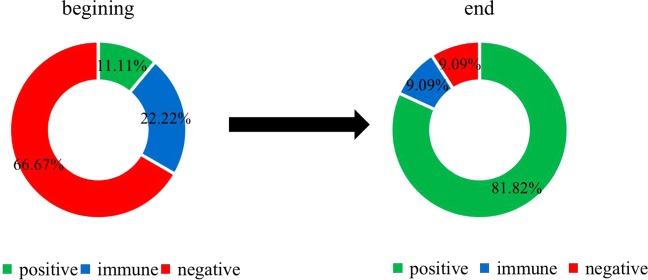
The change in subject emotion at the beginning and end of rumor refutation. (A) Comparison of subjective emotional values before and after dismissing the rumor. (B) The proportion of subjective emotion before and after dismissing the rumor.
Figure 6
Figure 6
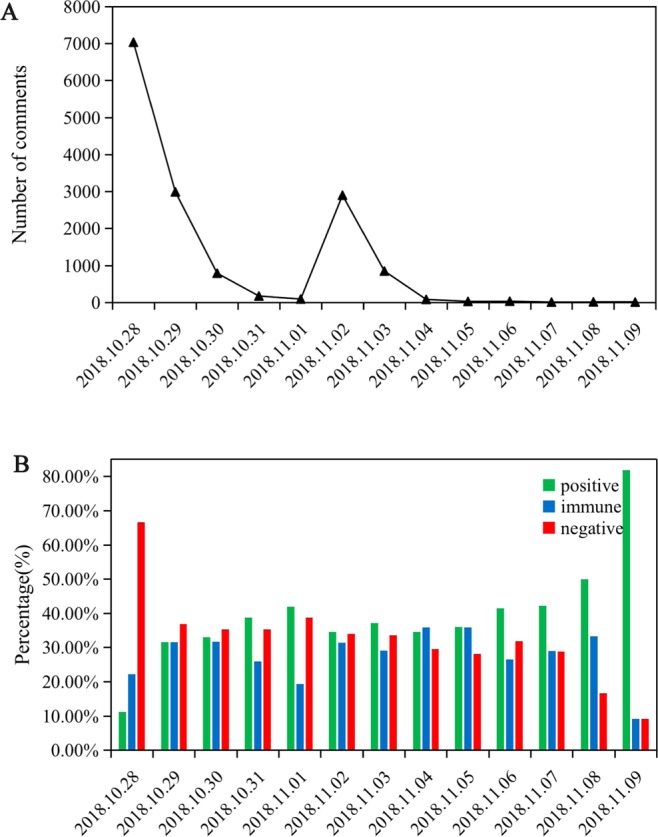
Topic heat index and emotional trend during the process of refuting rumors. (A) Topic heat index. (B) Emotional tendency of netizens.
Figure 7
Figure 7
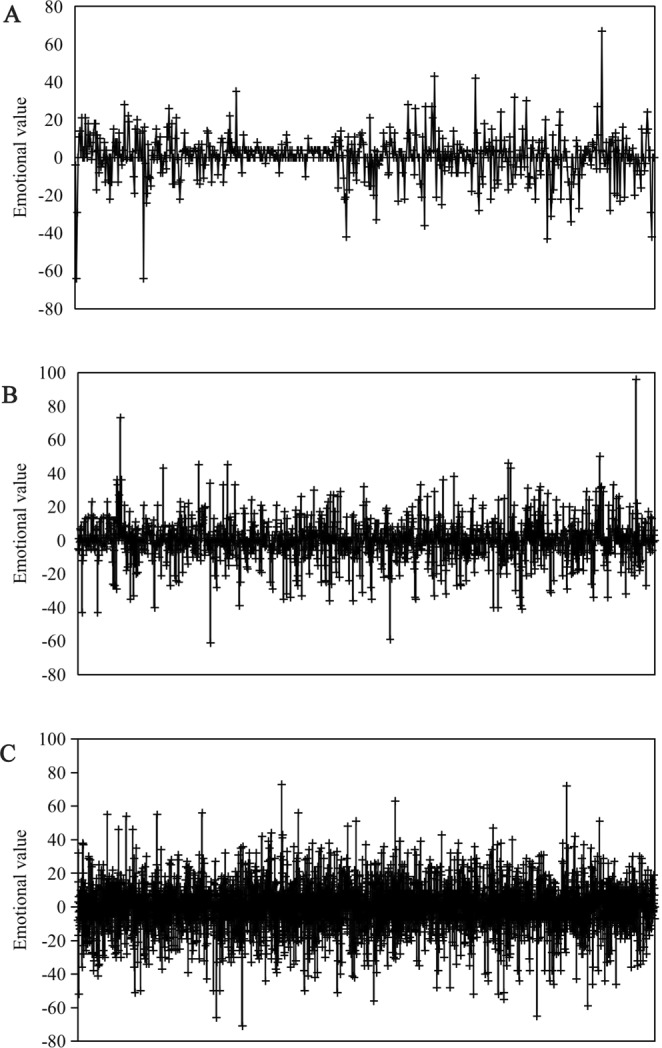
The changing trend in the netizens’ emotional value under the influence of media sources refuting rumors. (A) Rsr = 0.2 (B) Rsr = 0.5 (C) Rsr = 0.8.
Figure 8
Figure 8
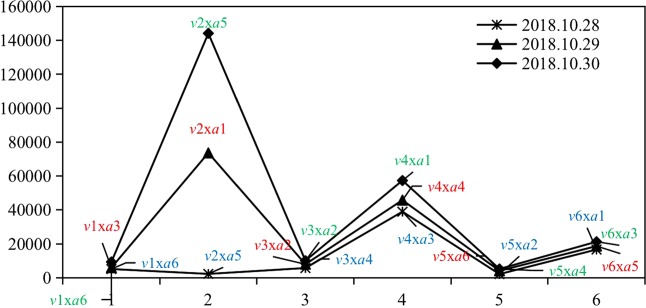
Different effects of refuting rumors produced by different combinations of v and a.
Figure 9
Figure 9
The proportion of subjective emotion before and after dismissing the rumor.

References

    1. Hatfield E, Cacioppo JT, Rapson RL. Primitive emotional contagion. Emotion & Social Behavior. 1992;14:151–177.
    1. Barsade SG. The ripple effect: Emotional contagion and its influence on group behavior. Administrative Science Quarterly. 2006;47:644–675. doi: 10.2307/3094912. - DOI
    1. Stieglitz S, Dang XL. Emotions and information diffusion in social media—sentiment of microblogs and sharing behavior. Journal of Management Information Systems. 2013;29:217–248. doi: 10.2753/MIS0742-1222290408. - DOI
    1. Coviello, L., et al Detecting emotional contagion in massive social networks. Plos one9, https://doi.org/journal.pone.0090315 (2014). - PMC - PubMed
    1. Fan R, Zhao J, Chen Y, Xu K. Anger is more influential than joy: Sentiment correlation in weibo. Plos One. 2014;9:e110184. doi: 10.1371/journal.pone.0110184. - DOI - PMC - PubMed

Publication types