Review
. 2019 Sep 10:2019:6416198.
doi: 10.1155/2019/6416198. eCollection 2019.

Impact of Molybdenum Compounds as Anticancer Agents

Affiliations
Review

Impact of Molybdenum Compounds as Anticancer Agents

Ayodele T Odularu et al. Bioinorg Chem Appl. .

Abstract

The aim of this mini review was to report the molybdenum compound intervention to control cancer disease. The intervention explains its roles and progress from inorganic molybdenum compounds via organomolybdenum complexes to its nanoparticles to control oesophageal cancer and breast cancer as case studies. Main contributions of molybdenum compounds as anticancer agents could be observed in their nanofibrous support with suitable physicochemical properties, combination therapy, and biosensors (biomarkers). Recent areas in anticancer drug design, which entail the uses of selected targets, were also surveyed and proposed.


Conflict of interest statement

The authors declare that there are no conflicts of interest regarding the publication of this paper.

Figures
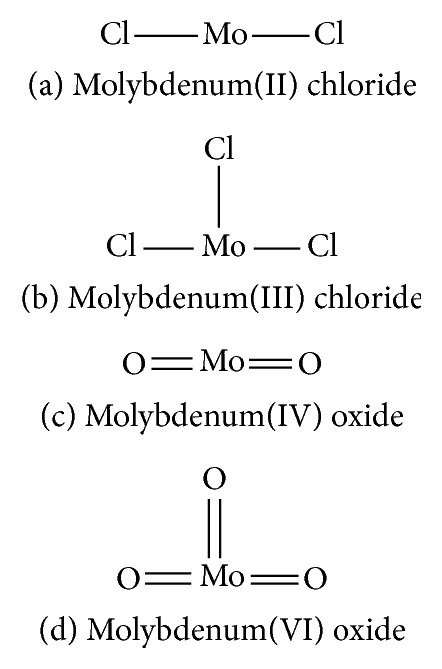
Figure 1
Figure 1
Inorganic molybdenum compounds. (a) Molybdenum(II) chloride. (b) Molybdenum(III) chloride. (c) Molybdenum(IV) oxide. (d) Molybdenum(VI) oxide.
Figure 2
Figure 2
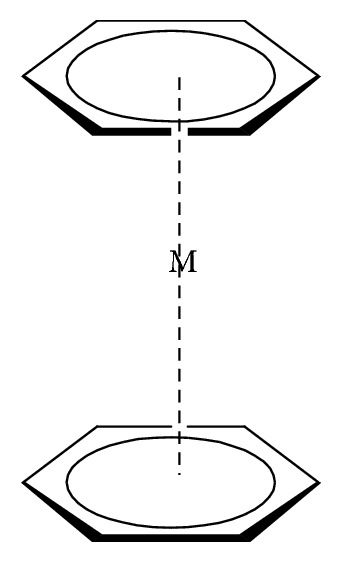
Metallocene.
Figure 3
Figure 3
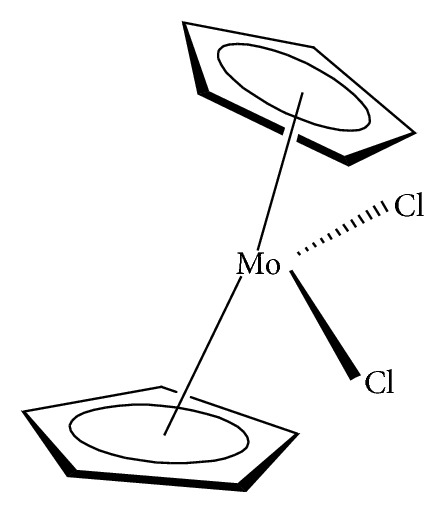
Dichlorobismolybdenum(IV) (molybdocene dichloride).
Figure 4
Figure 4
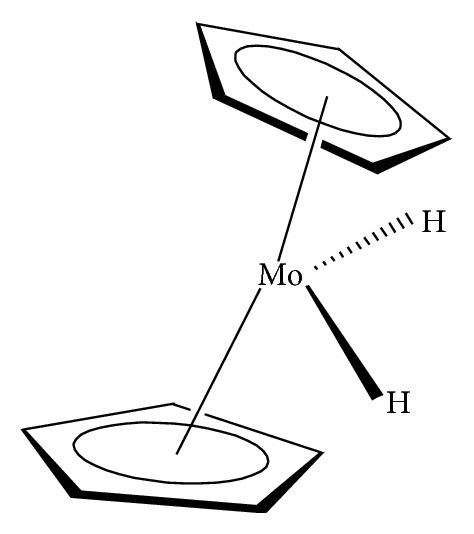
Molybdocene dihydride.
Figure 5
Figure 5
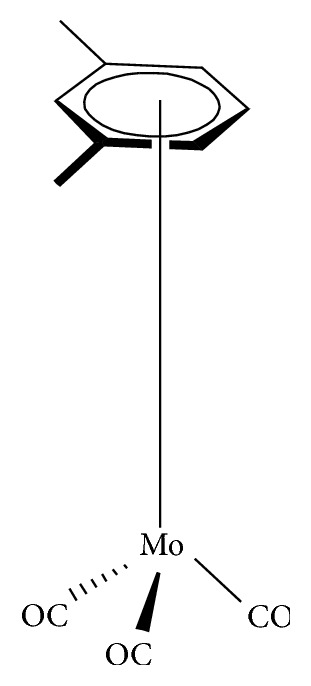
(Mesitylene)molybdenum tricarbonyl.
Figure 6
Figure 6
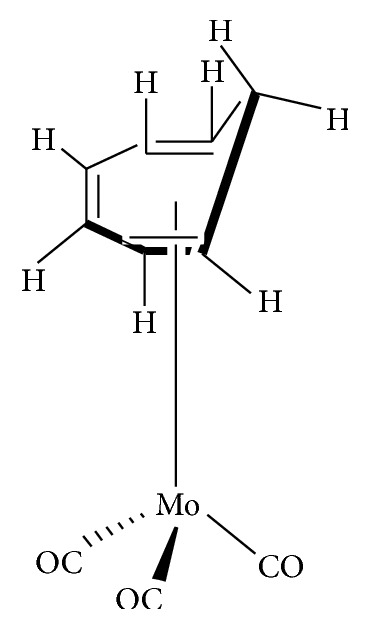
Cycloheptatrienenmolybdenum tricarbonyl.
Figure 7
Figure 7
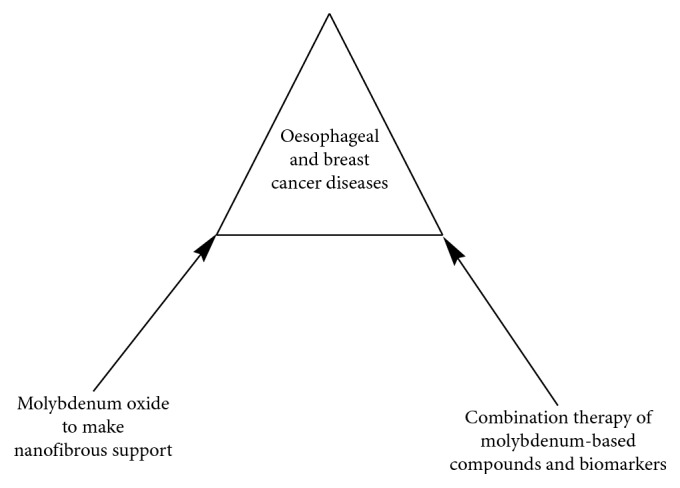
Use of molybdenum-based compounds as anticancer agent against oesophageal and breast cancer diseases.
Figure 8
Figure 8
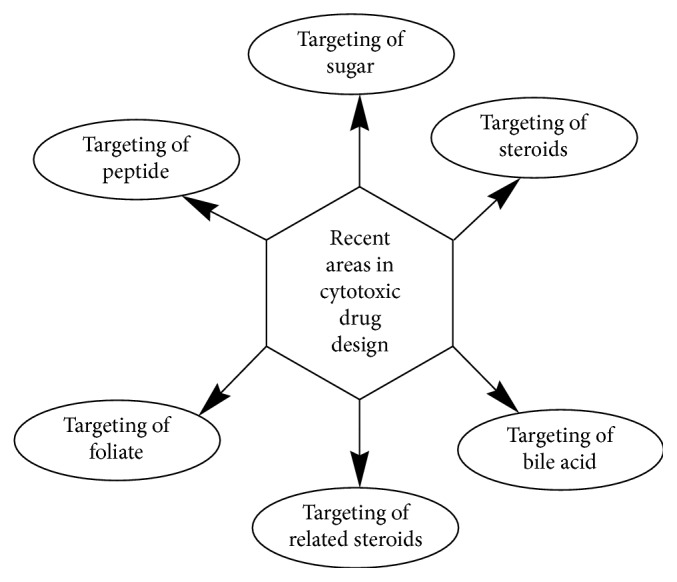
Selected targets in recent areas in cytotoxic drug design.

References

    1. Baile M. B., Kolhe N. S., Deotarse P. P., Jäin A. S., Kulkarni A. A. Metal ion complex-potential anticancer drug: a review. International Journal of Pharmaceutical Sciences Review and Research. 2015;4:59–66.
    1. Bray F., Ferlay J., Soerjomataram I., Siegel R. L., Torre L. A., Jemal A. Global cancer statistics 2018: GLOBOCAN estimates of incidence and mortality worldwide for 36 cancers in 185 countries. CA: A Cancer Journal for Clinicians. 2018;68(6):394–424. doi: 10.3322/caac.21492. - DOI - PubMed
    1. Ferlay J., Colombet M., Soerjomataram I., et al. Cancer incidence and mortality patterns in europe: estimates for 40 countries and 25 major cancers in 2018. European Journal of Cancer. 2018;103:356–387. doi: 10.1016/j.ejca.2018.07.005. - DOI - PubMed
    1. Ferlay J., Colombet M., Soerjomataram I., et al. Estimating the global cancer incidence and mortality in 2018: GLOBOCAN sources and methods. International Journal of Cancer. 2018;144 doi: 10.1002/ijc.31937. - DOI - PubMed
    1. Bray F., Jemal A., Grey N., Ferlay J., Forman D. Global cancer transitions according to the human development index (2008–2030): a population-based study. The Lancet Oncology. 2012;13(8):790–801. doi: 10.1016/s1470-2045(12)70211-5. - DOI - PubMed

LinkOut - more resources