


Quantitative analysis of T cell proteomes and environmental sensors during T cell differentiation
- PMID: 31591570
- PMCID: PMC6859072
- DOI: 10.1038/s41590-019-0495-x
Quantitative analysis of T cell proteomes and environmental sensors during T cell differentiation
Abstract
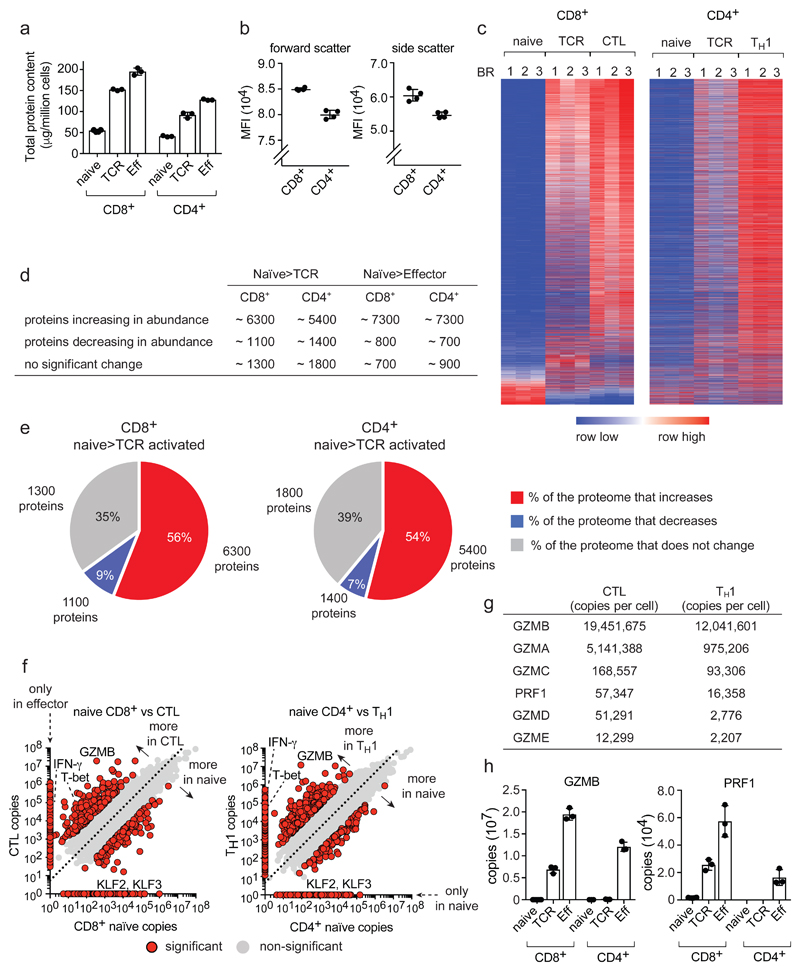
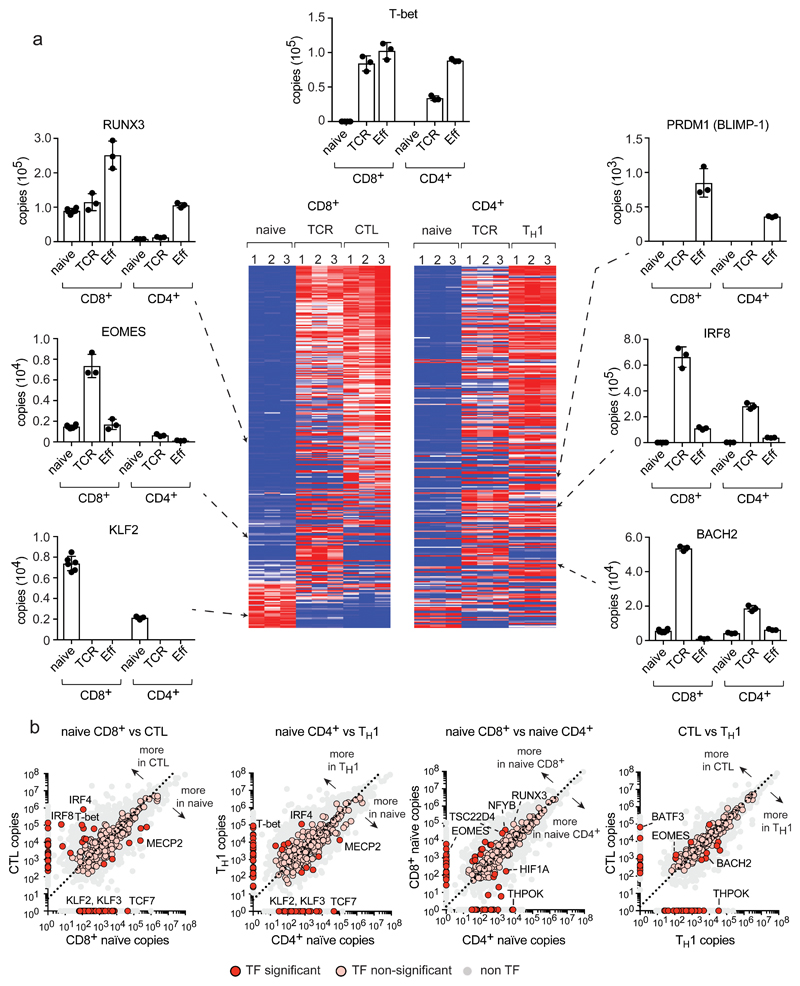
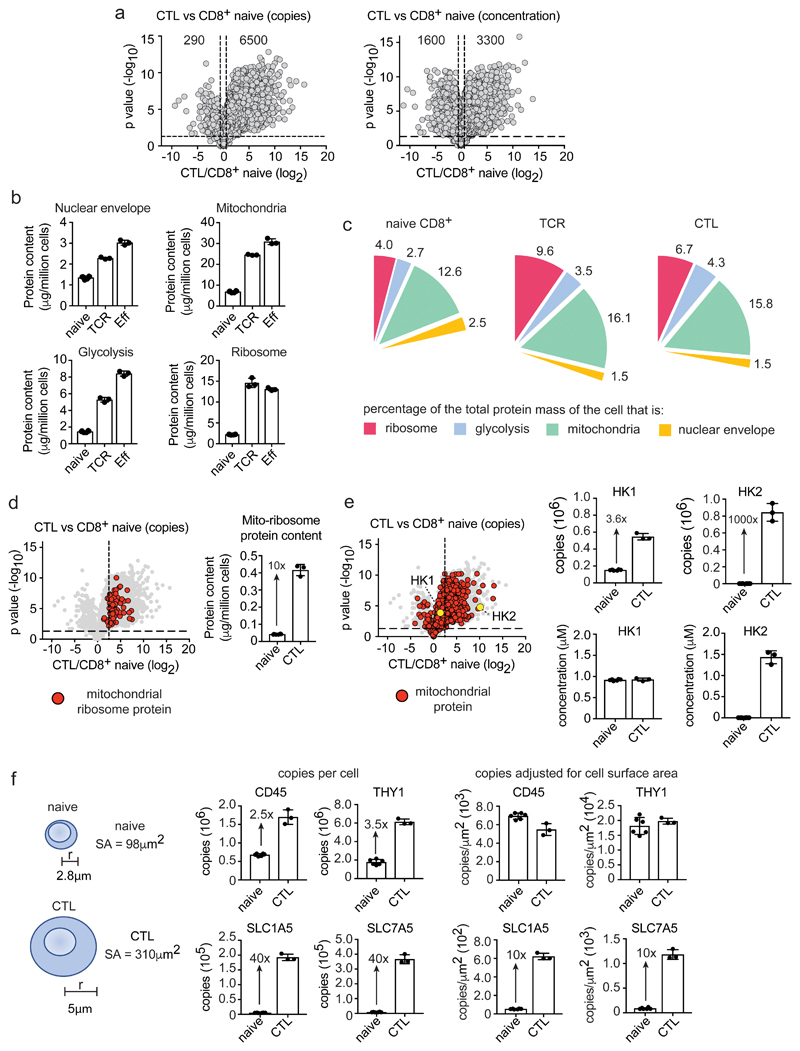
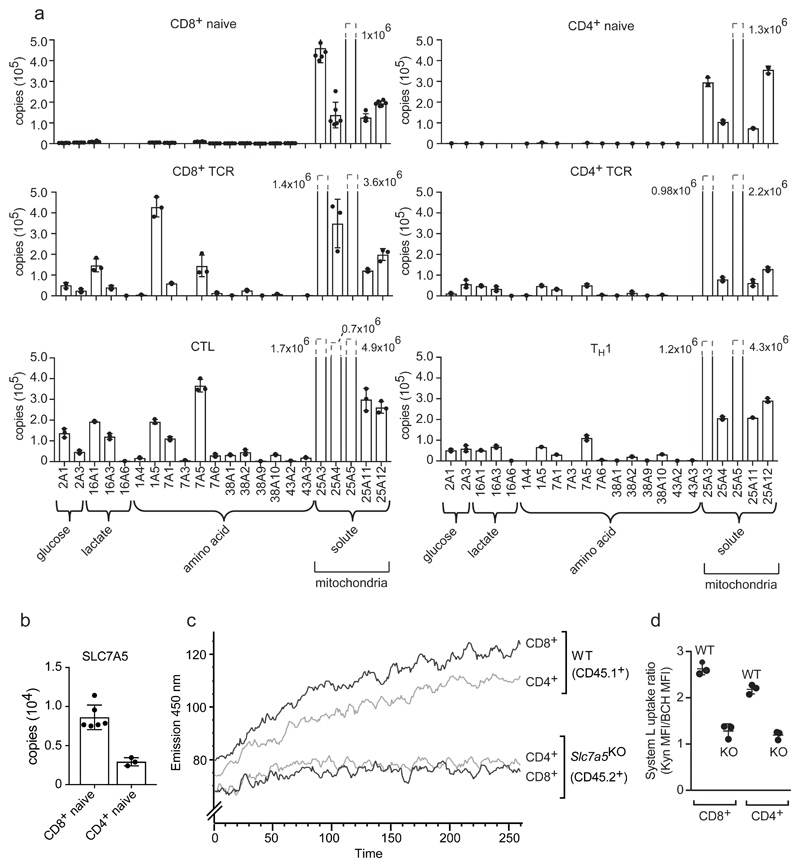
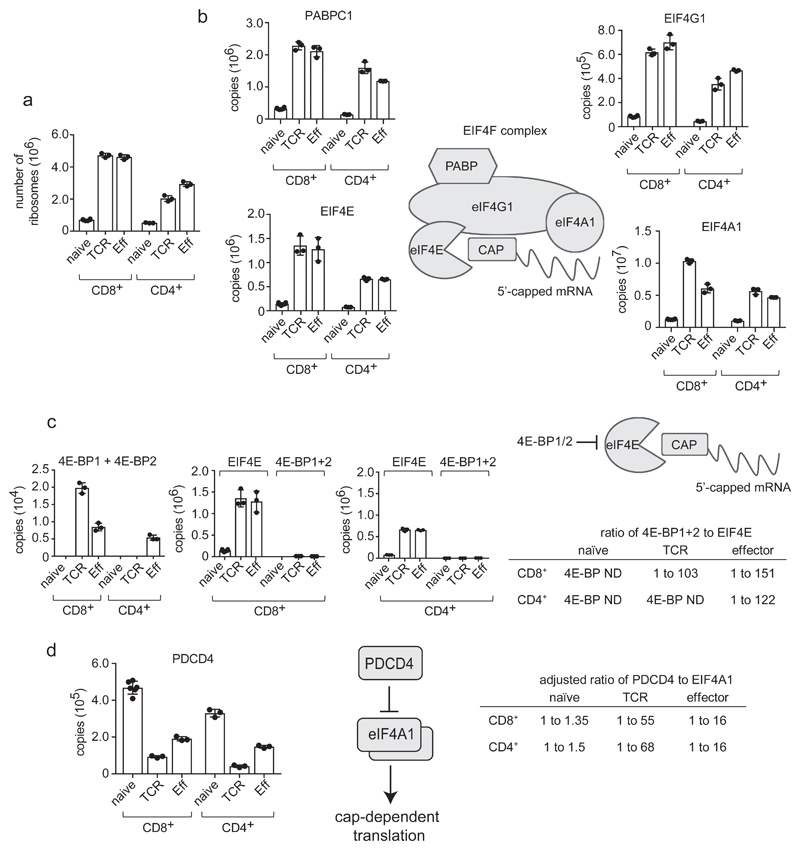
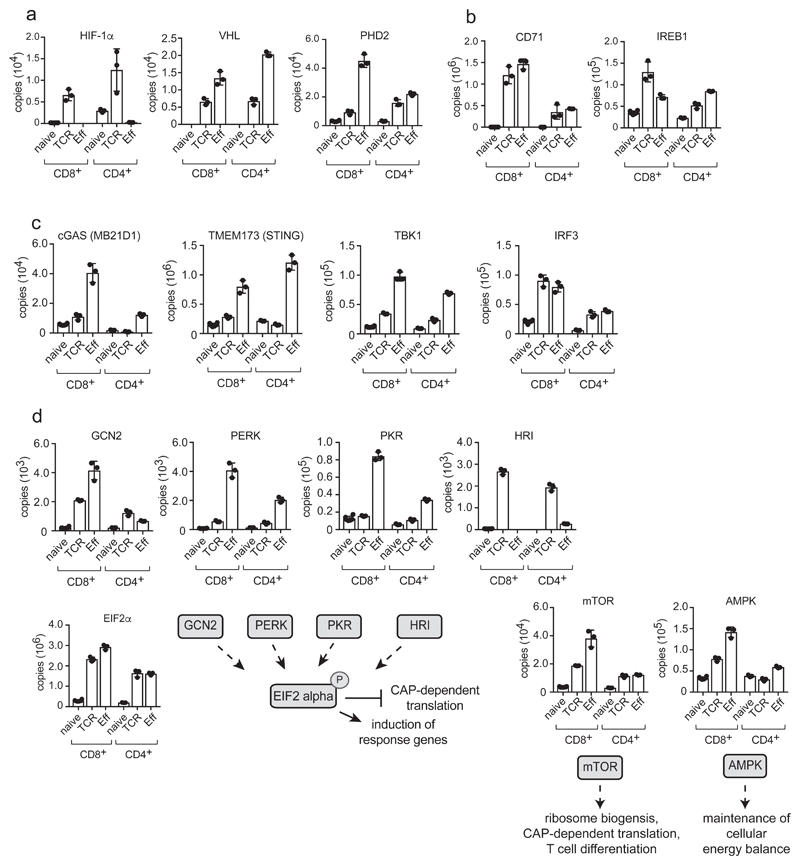
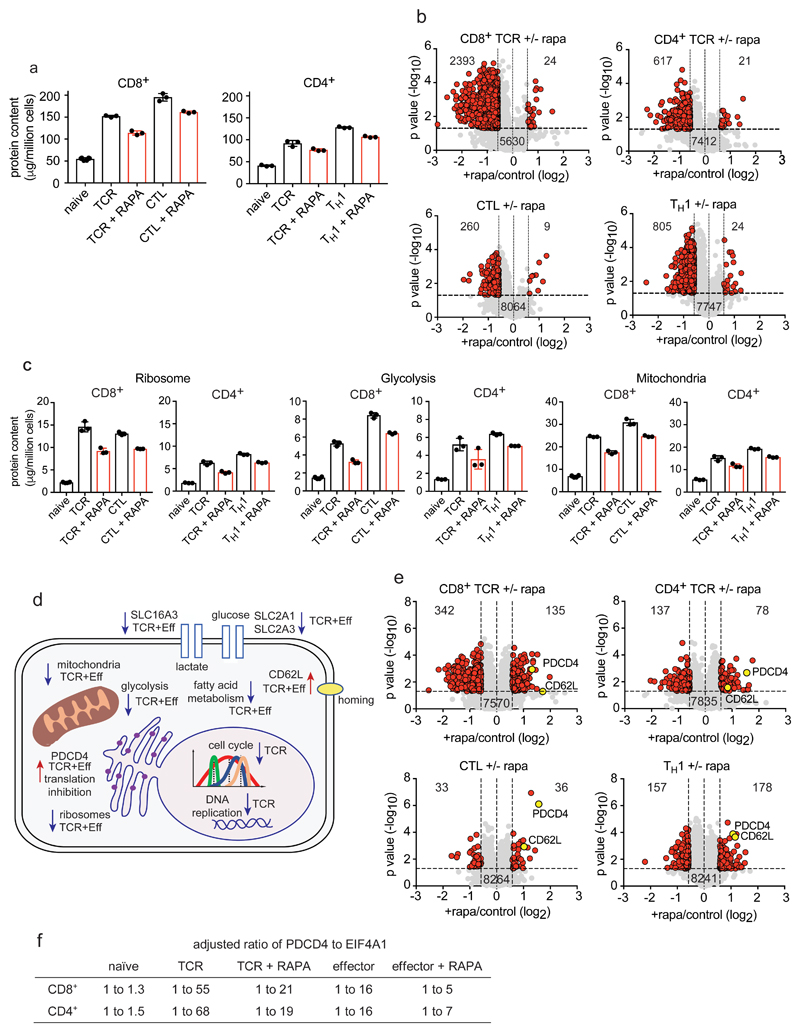
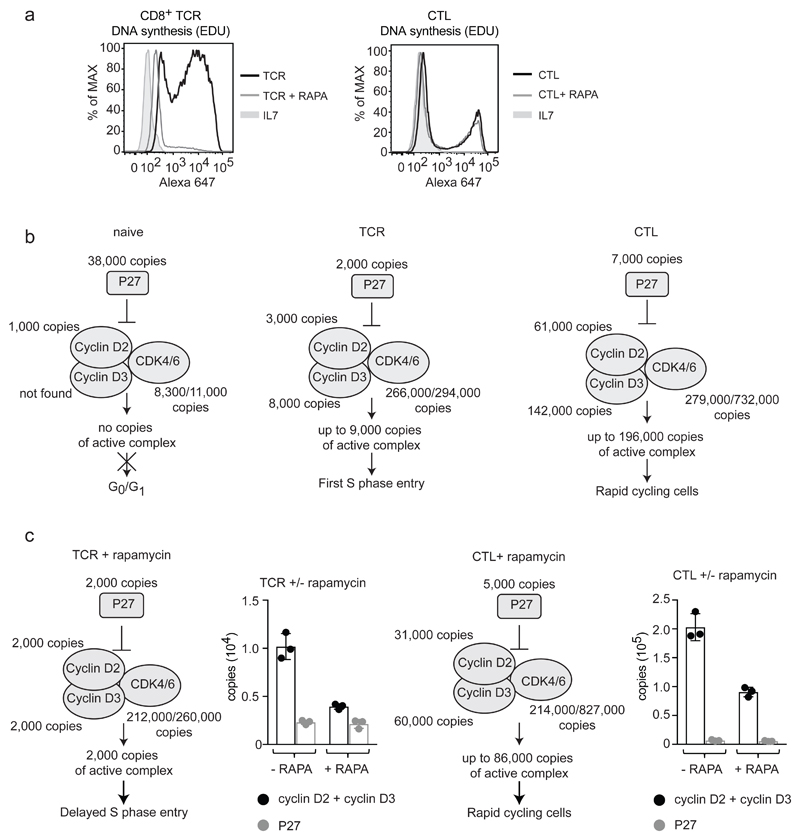
Quantitative mass spectrometry reveals how CD4+ and CD8+ T cells restructure proteomes in response to antigen and mammalian target of rapamycin complex 1 (mTORC1). Analysis of copy numbers per cell of >9,000 proteins provides new understanding of T cell phenotypes, exposing the metabolic and protein synthesis machinery and environmental sensors that shape T cell fate. We reveal that lymphocyte environment sensing is controlled by immune activation, and that CD4+ and CD8+ T cells differ in their intrinsic nutrient transport and biosynthetic capacity. Our data also reveal shared and divergent outcomes of mTORC1 inhibition in naïve versus effector T cells: mTORC1 inhibition impaired cell cycle progression in activated naïve cells, but not effector cells, whereas metabolism was consistently impacted in both populations. This study provides a comprehensive map of naïve and effector T cell proteomes, and a resource for exploring and understanding T cell phenotypes and cell context effects of mTORC1.
Conflict of interest statement
The authors declare no competing interests.
Figures
References
Publication types
MeSH terms
Substances
Grants and funding
LinkOut - more resources
Full Text Sources
Research Materials
