


Segmented Filamentous Bacteria Prevent and Cure Rotavirus Infection
- PMID: 31607511
- PMCID: PMC7525827
- DOI: 10.1016/j.cell.2019.09.028
Segmented Filamentous Bacteria Prevent and Cure Rotavirus Infection
Abstract
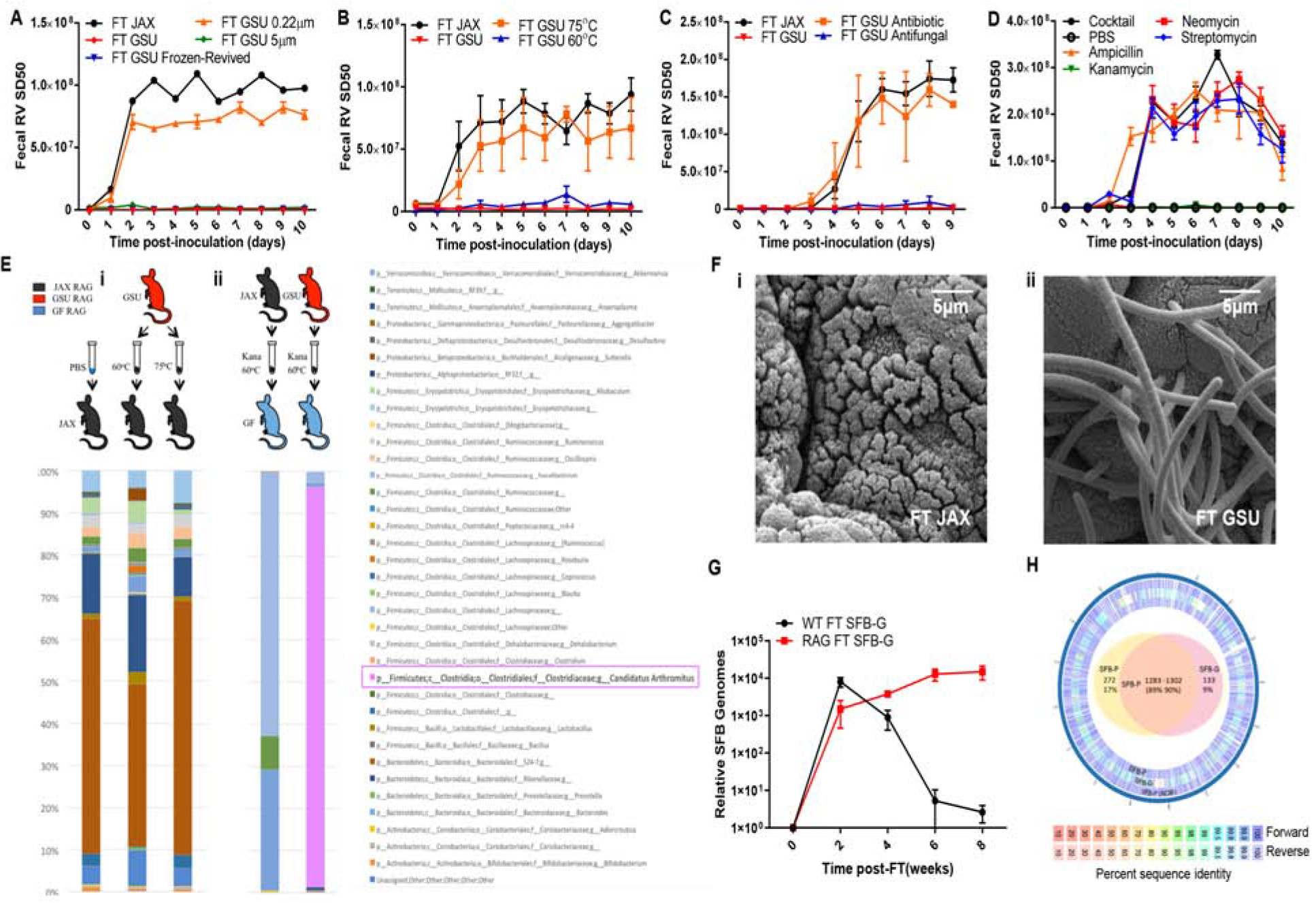
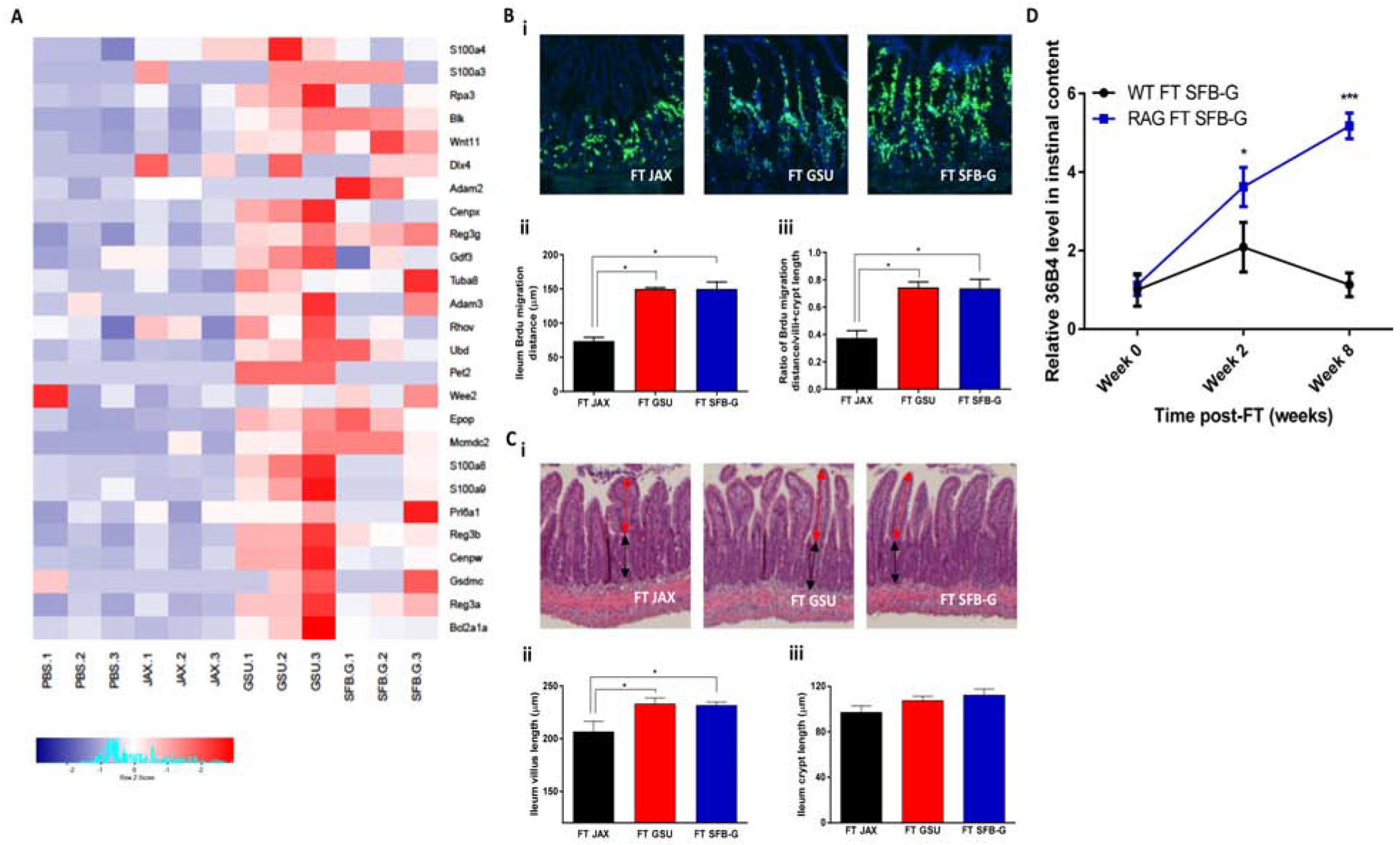
Rotavirus (RV) encounters intestinal epithelial cells amidst diverse microbiota, opening possibilities of microbes influencing RV infection. Although RV clearance typically requires adaptive immunity, we unintentionally generated RV-resistant immunodeficient mice, which, we hypothesized, reflected select microbes protecting against RV. Accordingly, such RV resistance was transferred by co-housing and fecal transplant. RV-protecting microbiota were interrogated by heat, filtration, and antimicrobial agents, followed by limiting dilution transplant to germ-free mice and microbiome analysis. This approach revealed that segmented filamentous bacteria (SFB) were sufficient to protect mice against RV infection and associated diarrhea. Such protection was independent of previously defined RV-impeding factors, including interferon, IL-17, and IL-22. Colonization of the ileum by SFB induced changes in host gene expression and accelerated epithelial cell turnover. Incubation of RV with SFB-containing feces reduced infectivity in vitro, suggesting direct neutralization of RV. Thus, independent of immune cells, SFB confer protection against certain enteric viral infections and associated diarrheal disease.
Keywords: fecal transplant; germ-free mice; infectious diarrhea; microbiota-virus interactions; rotavirus; segmented filamentous bacteria; viral gastroenteritis.
Copyright © 2019 Elsevier Inc. All rights reserved.
Conflict of interest statement
Declaration of Interests
The authors declare no competing interests.
Figures





Comment in
-
Gut Bacterial Bouncers: Keeping Viral Pathogens out of the Epithelium.Cell Host Microbe. 2019 Nov 13;26(5):569-570. doi: 10.1016/j.chom.2019.10.018. Cell Host Microbe. 2019. PMID: 31726023
References
Publication types
MeSH terms
Substances
Grants and funding
LinkOut - more resources
Full Text Sources
Other Literature Sources
Medical
Molecular Biology Databases
