. 2019 Nov 5;58(44):4447-4455.
doi: 10.1021/acs.biochem.9b00805. Epub 2019 Oct 28.

Bimodal Actions of a Naphthyridone/Aminopiperidine-Based Antibacterial That Targets Gyrase and Topoisomerase IV

Affiliations

Bimodal Actions of a Naphthyridone/Aminopiperidine-Based Antibacterial That Targets Gyrase and Topoisomerase IV

Elizabeth G Gibson et al. Biochemistry. .

Abstract

Gyrase and topoisomerase IV are the targets of fluoroquinolone antibacterials. However, the rise in antimicrobial resistance has undermined the clinical use of this important drug class. Therefore, it is critical to identify new agents that maintain activity against fluoroquinolone-resistant strains. One approach is to develop non-fluoroquinolone drugs that also target gyrase and topoisomerase IV but interact differently with the enzymes. This has led to the development of the "novel bacterial topoisomerase inhibitor" (NBTI) class of antibacterials. Despite the clinical potential of NBTIs, there is a relative paucity of data describing their mechanism of action against bacterial type II topoisomerases. Consequently, we characterized the activity of GSK126, a naphthyridone/aminopiperidine-based NBTI, against a variety of Gram-positive and Gram-negative bacterial type II topoisomerases, including gyrase from Mycobacterium tuberculosis and gyrase and topoisomerase IV from Bacillus anthracis and Escherichia coli. GSK126 enhanced single-stranded DNA cleavage and suppressed double-stranded cleavage mediated by these enzymes. It was also a potent inhibitor of gyrase-catalyzed DNA supercoiling and topoisomerase IV-catalyzed decatenation. Thus, GSK126 displays a similar bimodal mechanism of action across a variety of species. In contrast, GSK126 displayed a variable ability to overcome fluoroquinolone resistance mutations across these same species. Our results suggest that NBTIs elicit their antibacterial effects by two different mechanisms: inhibition of gyrase/topoisomerase IV catalytic activity or enhancement of enzyme-mediated DNA cleavage. Furthermore, the relative importance of these two mechanisms appears to differ from species to species. Therefore, we propose that the mechanistic basis for the antibacterial properties of NBTIs is bimodal in nature.


Conflict of interest statement

The authors declare no competing financial interests.

Figures
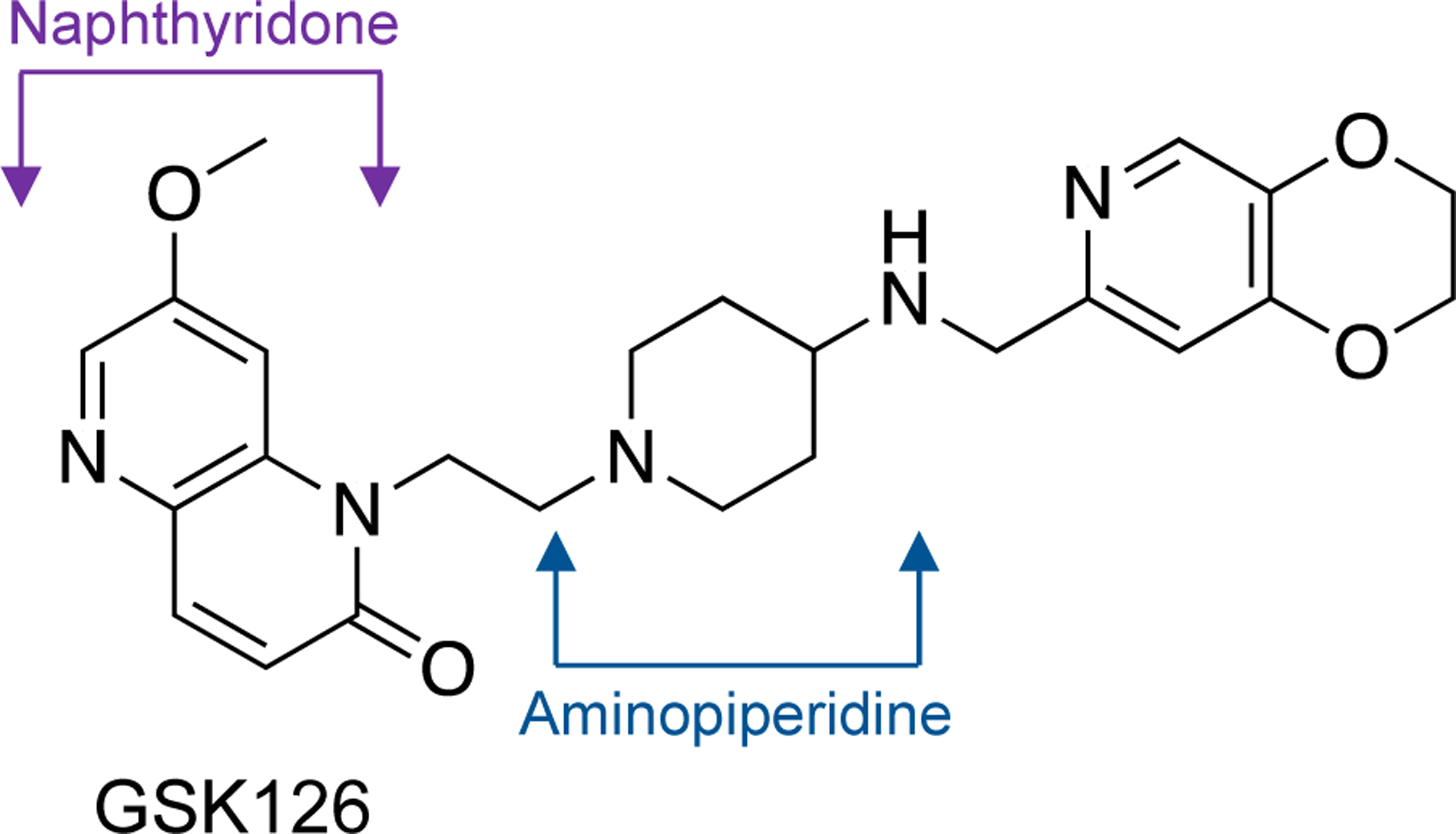
Figure 1.
Figure 1.
Structure of the NBTI GSK126. The naphthyridone (purple) and aminopiperidine (blue) moieties are indicated.
Figure 2.
Figure 2.
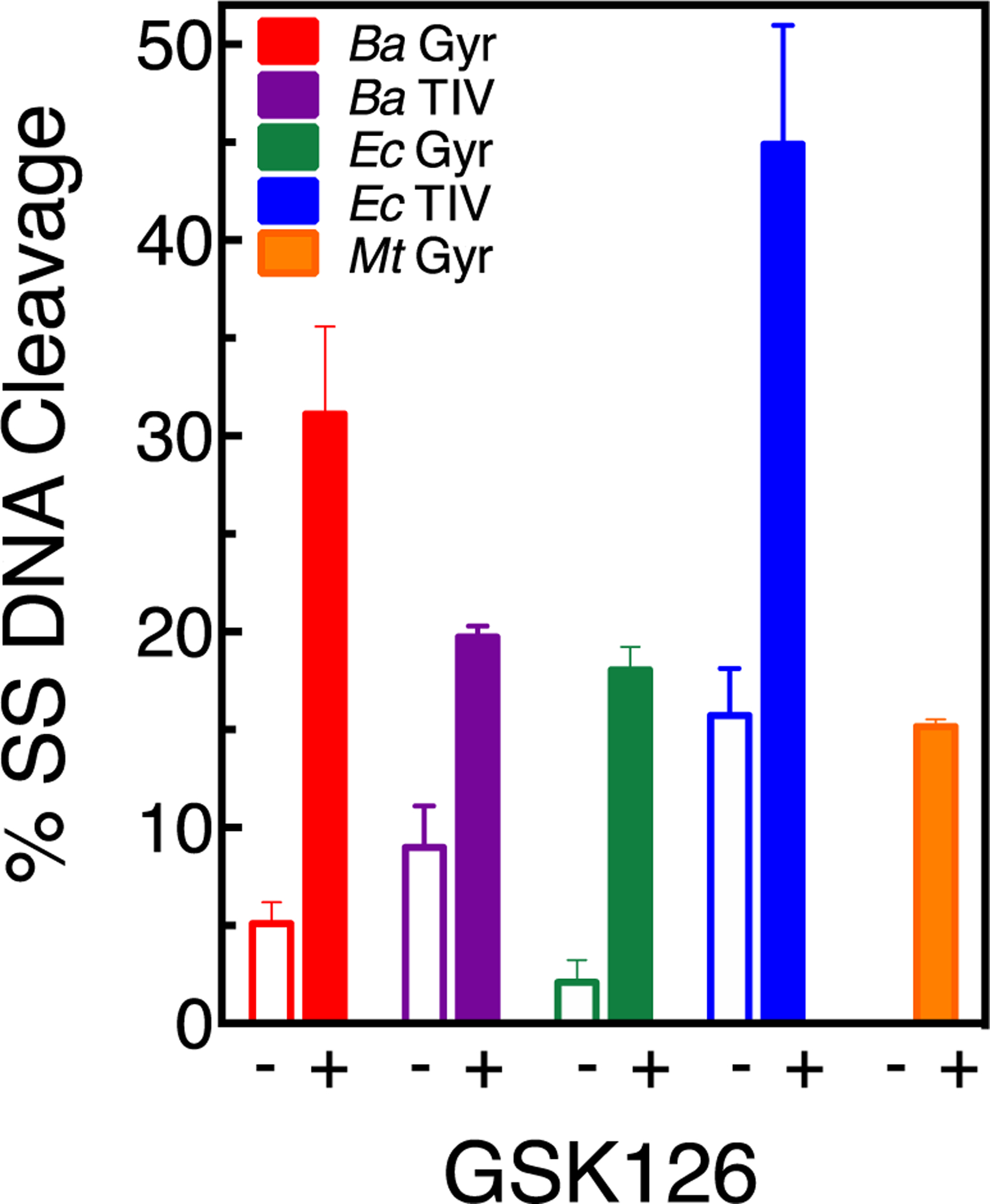
GSK126 displays a broad spectrum of DNA cleavage enhancement against gyrase and topoisomerase IV. The effects of GSK126 (solid bars) on single-stranded DNA cleavage mediated by gyrase and topoisomerase IV are shown for the NBTI concentration that generated the highest levels of single-stranded breaks (see Figures 4 and 9). Data are shown for B. anthracis gyrase (Ba Gyr, red, 0.5 μM GSK126) and topoisomerase IV (Ba TIV, purple, 0.5 μM), E. coli gyrase (Ec Gyr, green, 15 μM) and topoisomerase IV (Ec TIV, blue, 1 μM), and M. tuberculosis gyrase (Mt Gyr, orange, 10 μM) are shown. The corresponding single-stranded DNA cleavage in the absence of GSK126 is shown as empty bars. Error bars represent the SD (standard deviation) of at least three independent experiments.
Figure 3.
Figure 3.
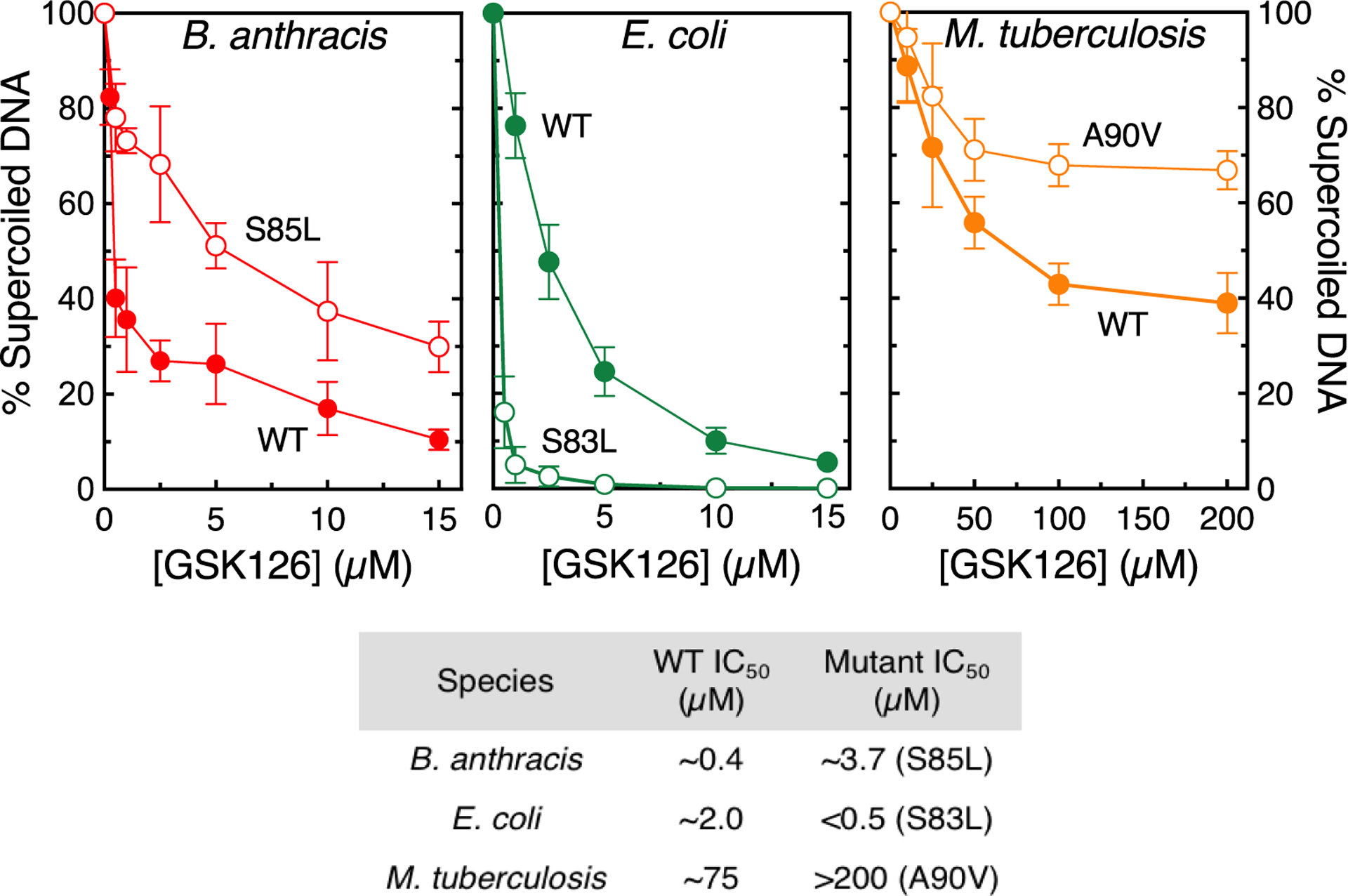
GSK126 inhibits DNA supercoiling catalyzed by wild-type (WT) and fluoroquinolone-resistant gyrase. The effects of GSK126 on the supercoiling of relaxed DNA by WT (filled circles) and fluoroquinolone-resistant (empty circles) B. anthracis WT and GyrAS85L (top left, red), E. coli WT and GyrAS83L (top middle, green), and M. tuberculosis WT and GyrAA90V (top left, orange) gyrase are shown. Error bars represent the SD of at least three independent experiments. The bottom panel shows a table of IC50 values. Representative agarose gels are shown in Figure S1.
Figure 4.
Figure 4.
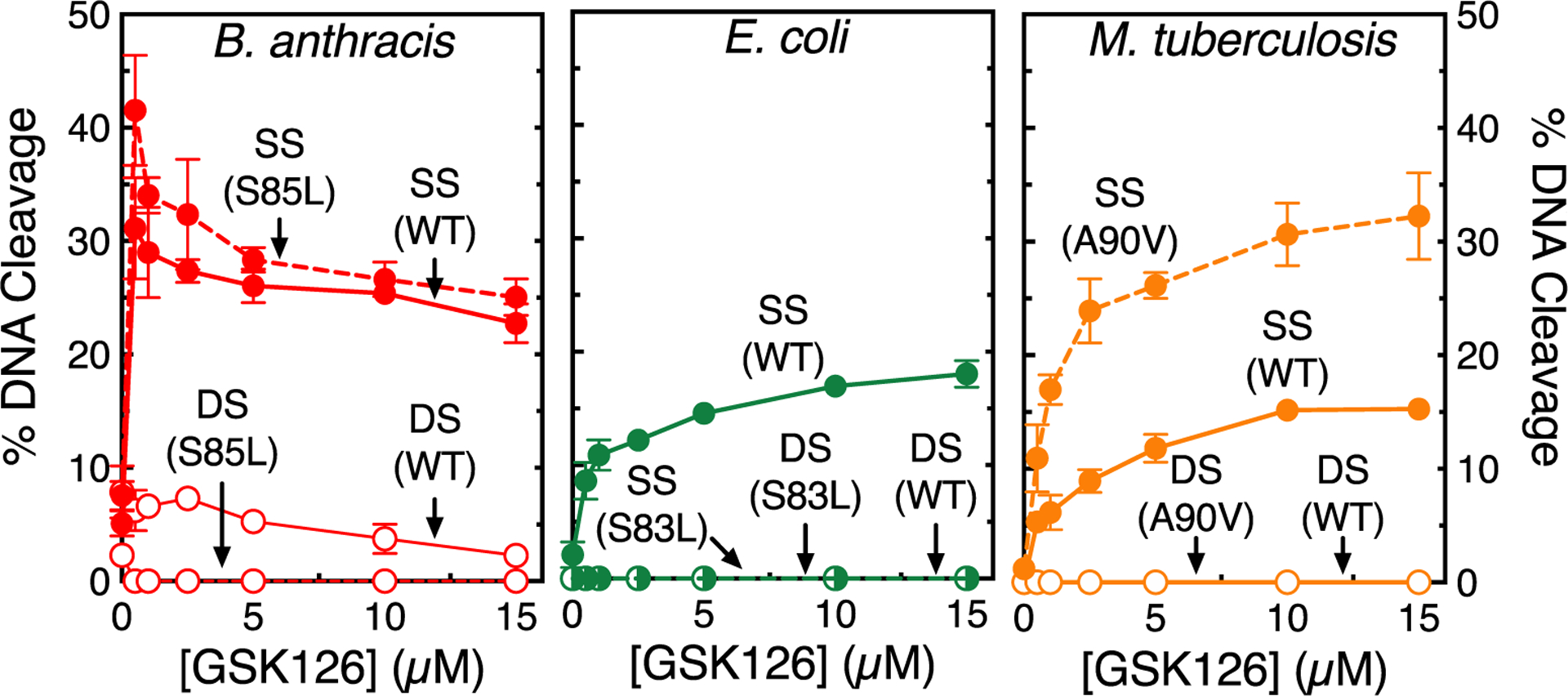
Effects of GSK126 on DNA cleavage mediated by wild-type (WT) and fluoroquinolone-resistant gyrase. The effects of GSK126 on single-stranded (SS, filled circles) and double-stranded (DS, empty circles) DNA cleavage mediated by WT (solid line) and fluoroquinolone-resistant (dashed line) B. anthracis WT and GyrAS85L (left, red), E. coli WT and GyrAS83L (middle, green), and M. tuberculosis WT and GyrAA90V (right, orange) gyrase are shown. Some of the data shown for M. tuberculosis WT and GyrAA90V gyrase are from Gibson et. al. Error bars represent the SD of at least three independent experiments. Representative agarose gels are shown in Figure S2.
Figure 5.
Figure 5.
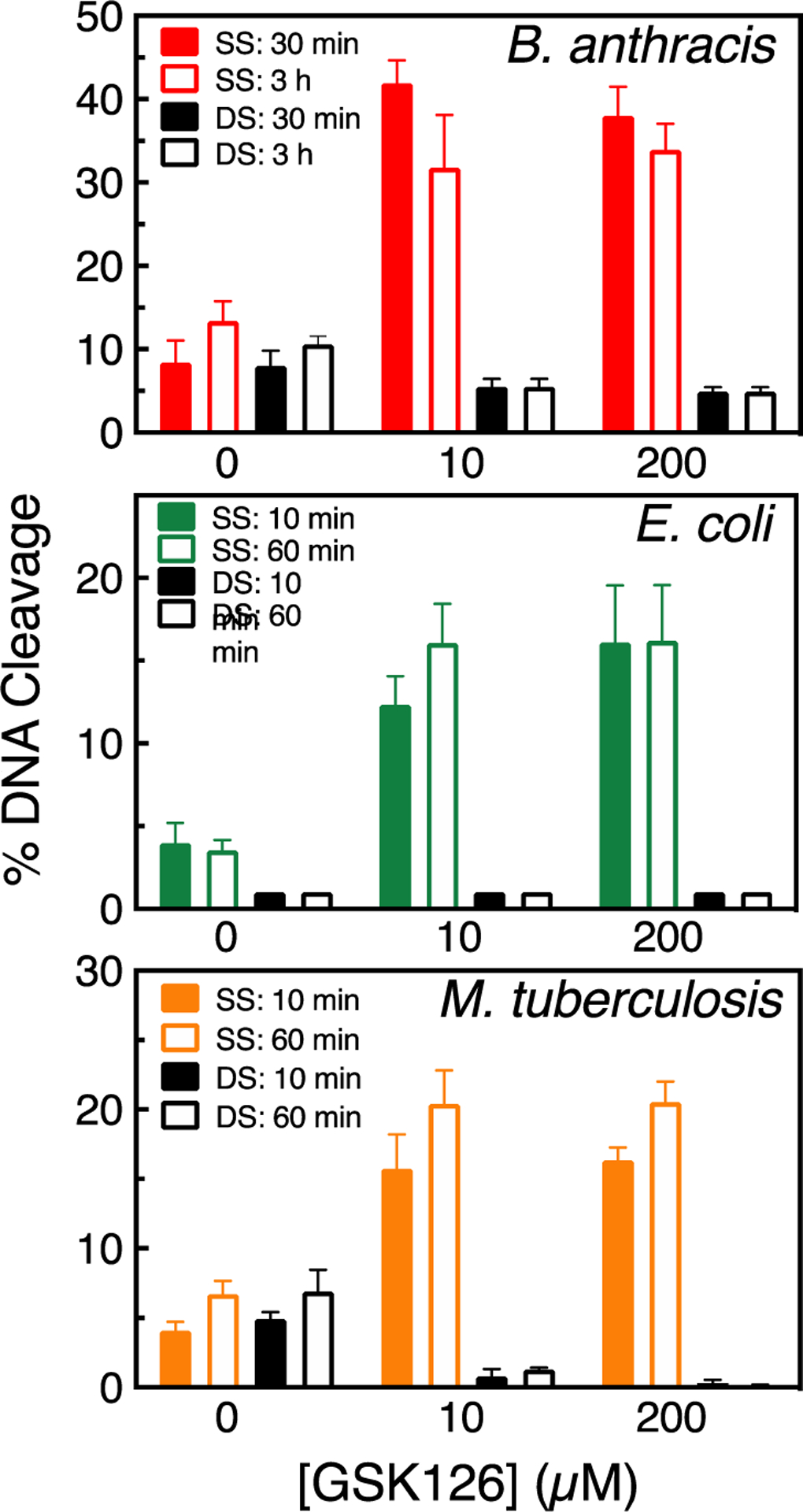
GSK126 enhances only single-stranded DNA breaks mediated by gyrase. The top panel shows the enhancement of B. anthracis gyrase-mediated single- (red) or double-stranded (black) DNA breaks at 30 min (filled bar) or 3 h (empty bar) in the absence or presence of 10 μM or 200 μM GSK126. The middle panel shows the enhancement of E. coli gyrase-mediated single- (green) or double-stranded (black) DNA breaks at 10 min (filled bar) or 60 min (empty bar) in the absence or presence of 10 μM or 200 μM GSK126. The bottom panel shows the enhancement of M. tuberculosis gyrase-mediated single- (orange) or double-stranded (black) DNA breaks at 10 min (filled bar) or 60 min (empty bar) in the absence or presence of 10 μM or 200 μM GSK126. Error bars represent the SD of at least 3 independent experiments. Representative agarose gels are shown in Figure S3.
Figure 6.
Figure 6.
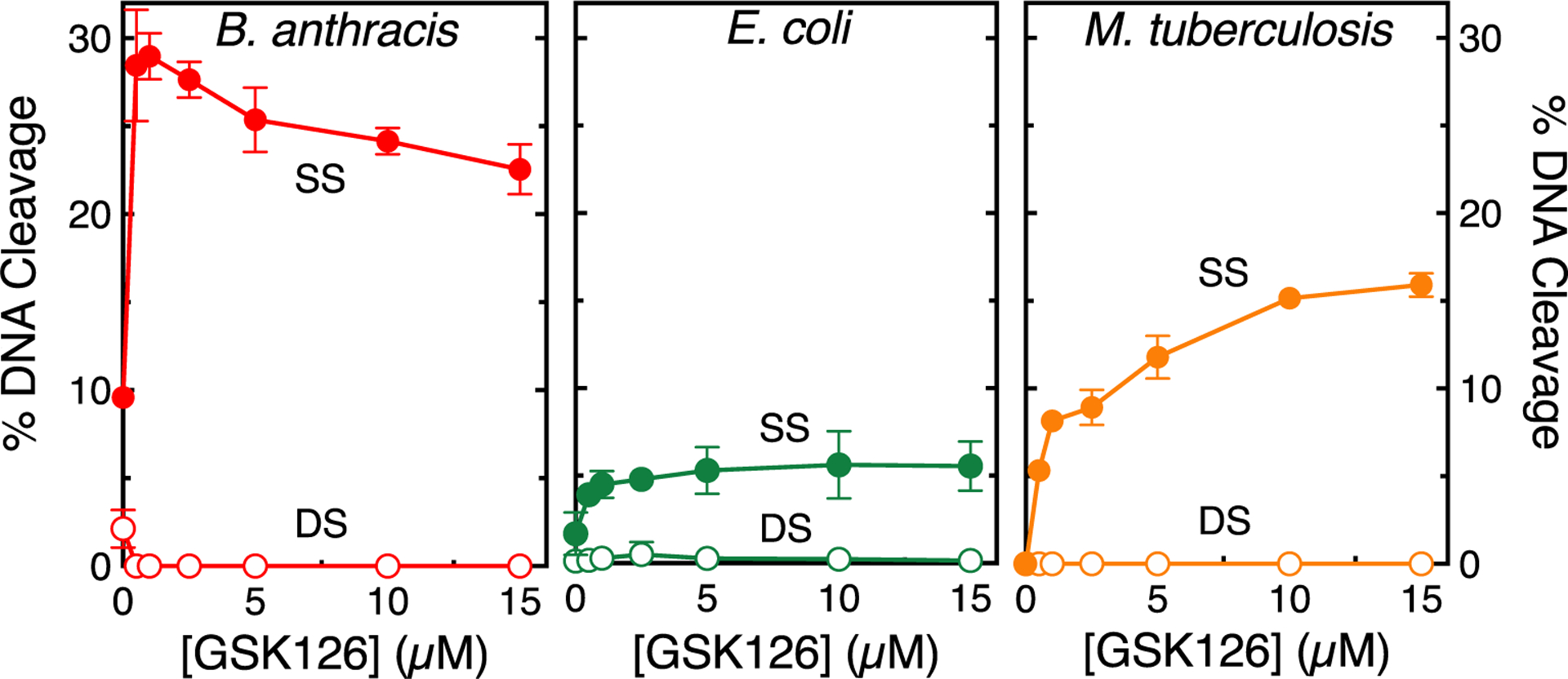
GSK126 enhances only single-stranded DNA breaks mediated by gyrase in the presence of ATP. The effects of GSK126 on single-stranded (SS, filled circles) and double-stranded (DS, empty circles) DNA cleavage mediated by B. anthracis (left, red), E. coli (middle, green), and M. tuberculosis (right, orange) gyrase in the presence of 1.5 mM ATP are shown. Error bars represent the SD of at least three independent experiments. Representative agarose gels are shown in Figure S4.
Figure 7.
Figure 7.
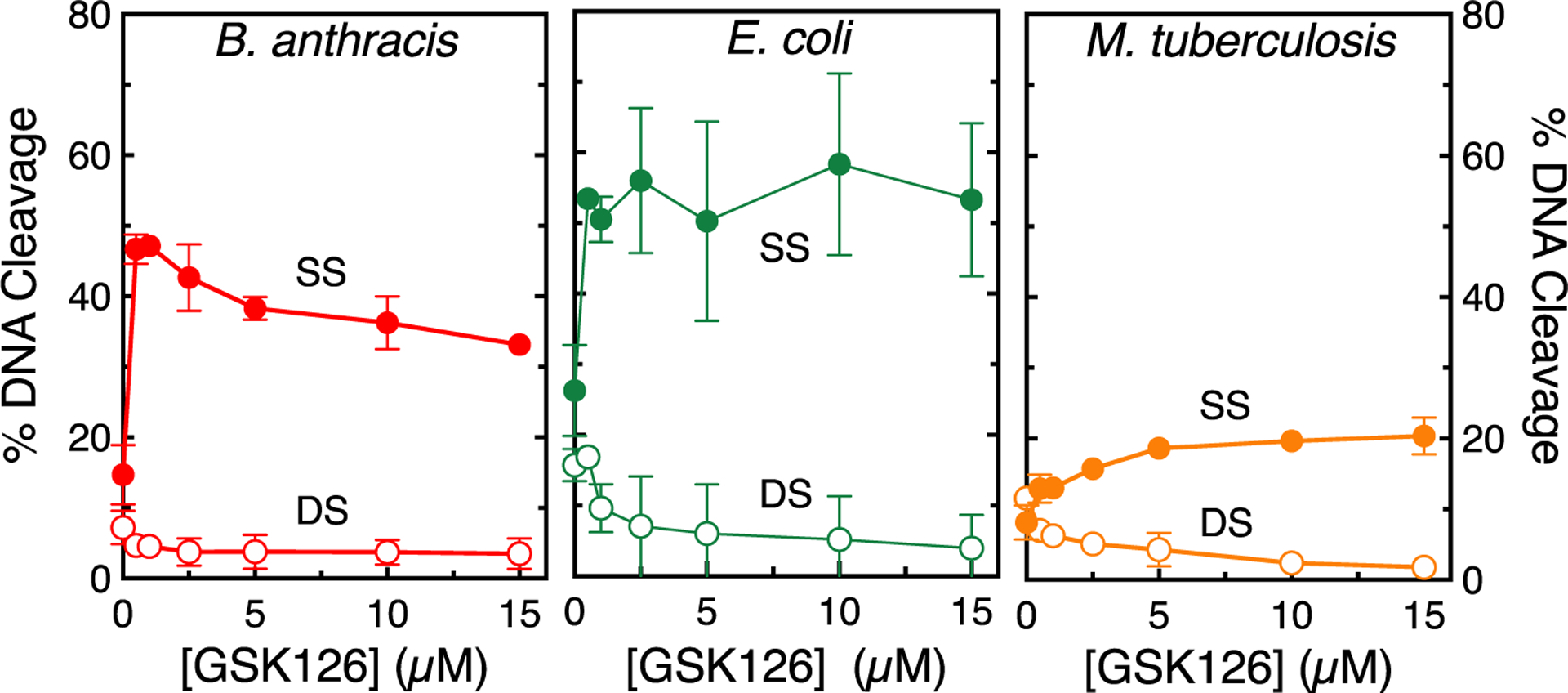
GSK126 suppresses double-stranded DNA breaks generated by gyrase. The effects of GSK126 on single-stranded (SS, filled circles) and double-stranded (DS, empty circles) DNA cleavage mediated by B. anthracis (left, red), E. coli (middle, green), and M. tuberculosis (right, orange) gyrase are shown. Reaction mixtures contained 5 mM CaCl2 in place of MgCl2 to increase baseline levels of DNA cleavage. Error bars represent the SD of at least three independent experiments. Representative agarose gels are shown in Figure S5.
Figure 8.
Figure 8.
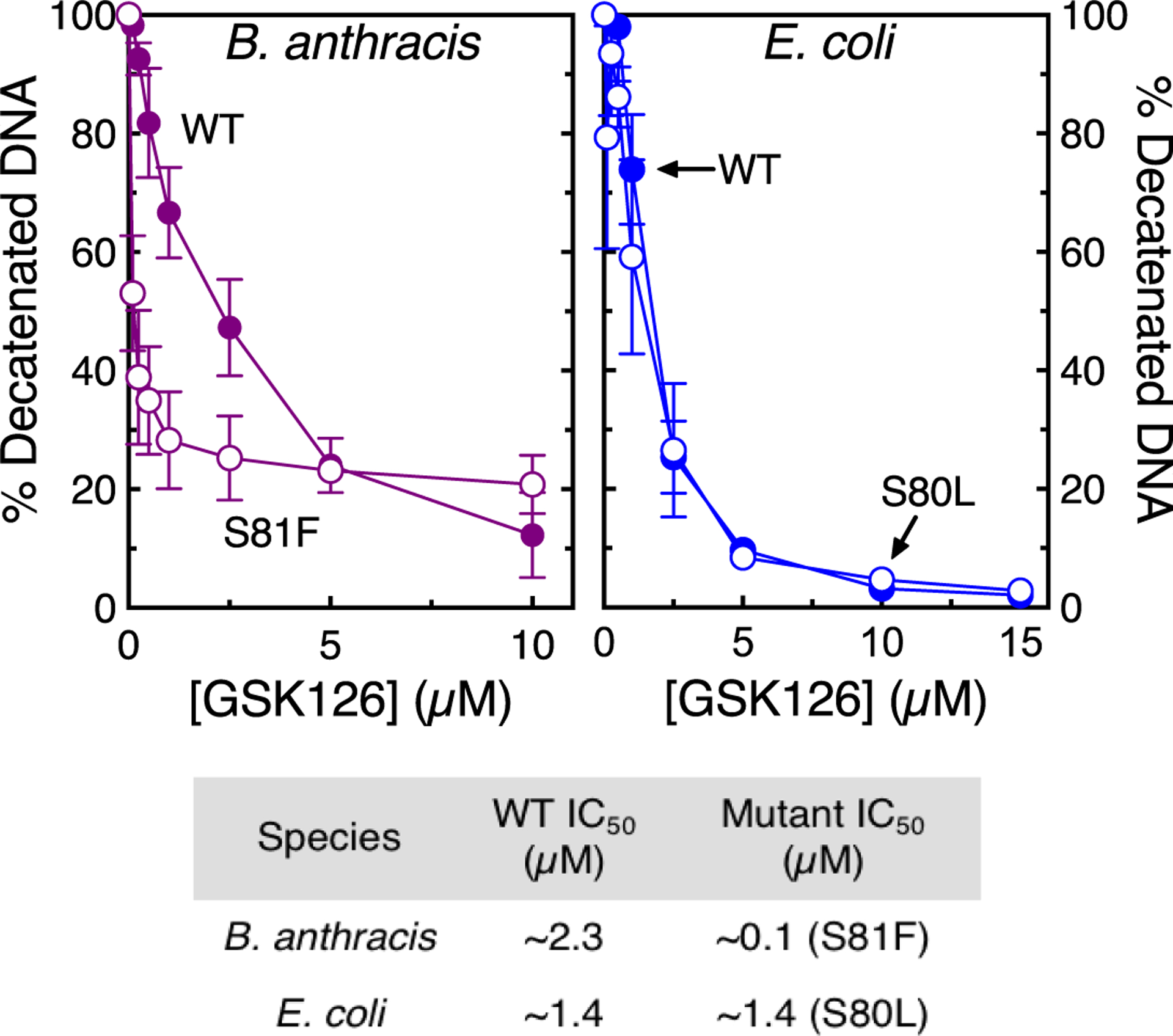
GSK126 inhibits DNA decatenation catalyzed by wild-type (WT) and fluoroquinolone-resistant topoisomerase IV. The effects of GSK126 on DNA decatenation by WT (filled circles) and fluoroquinolone-resistant (empty circles) B. anthracis WT and GrlAS81F (top left, purple) and E. coli WT and ParCS80L (top right, blue) topoisomerase IV are shown. Error bars represent the SD of at least three independent experiments. The bottom panel shows a table of IC50 values. Representative agarose gels are shown in Figure S6.
Figure 9.
Figure 9.
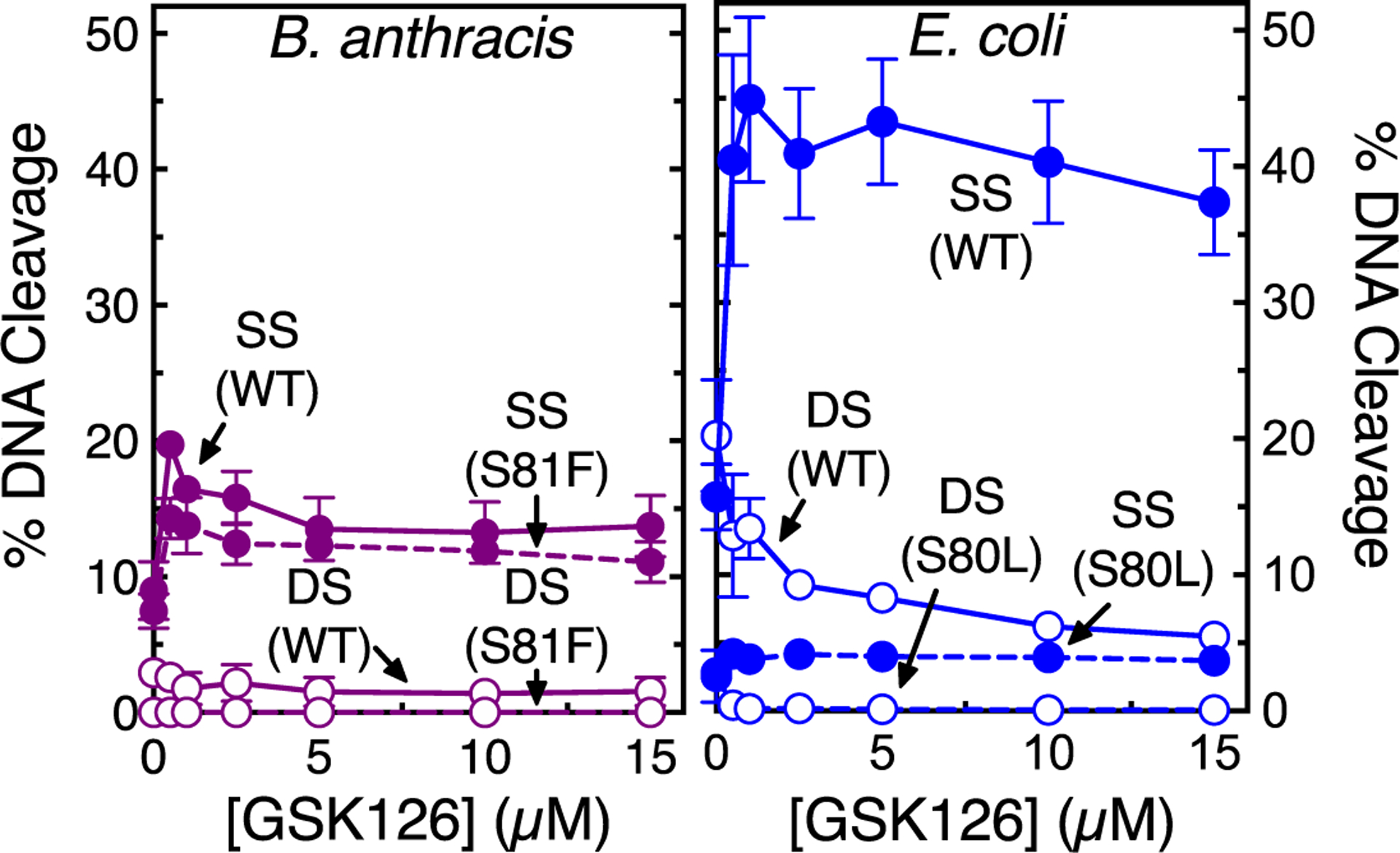
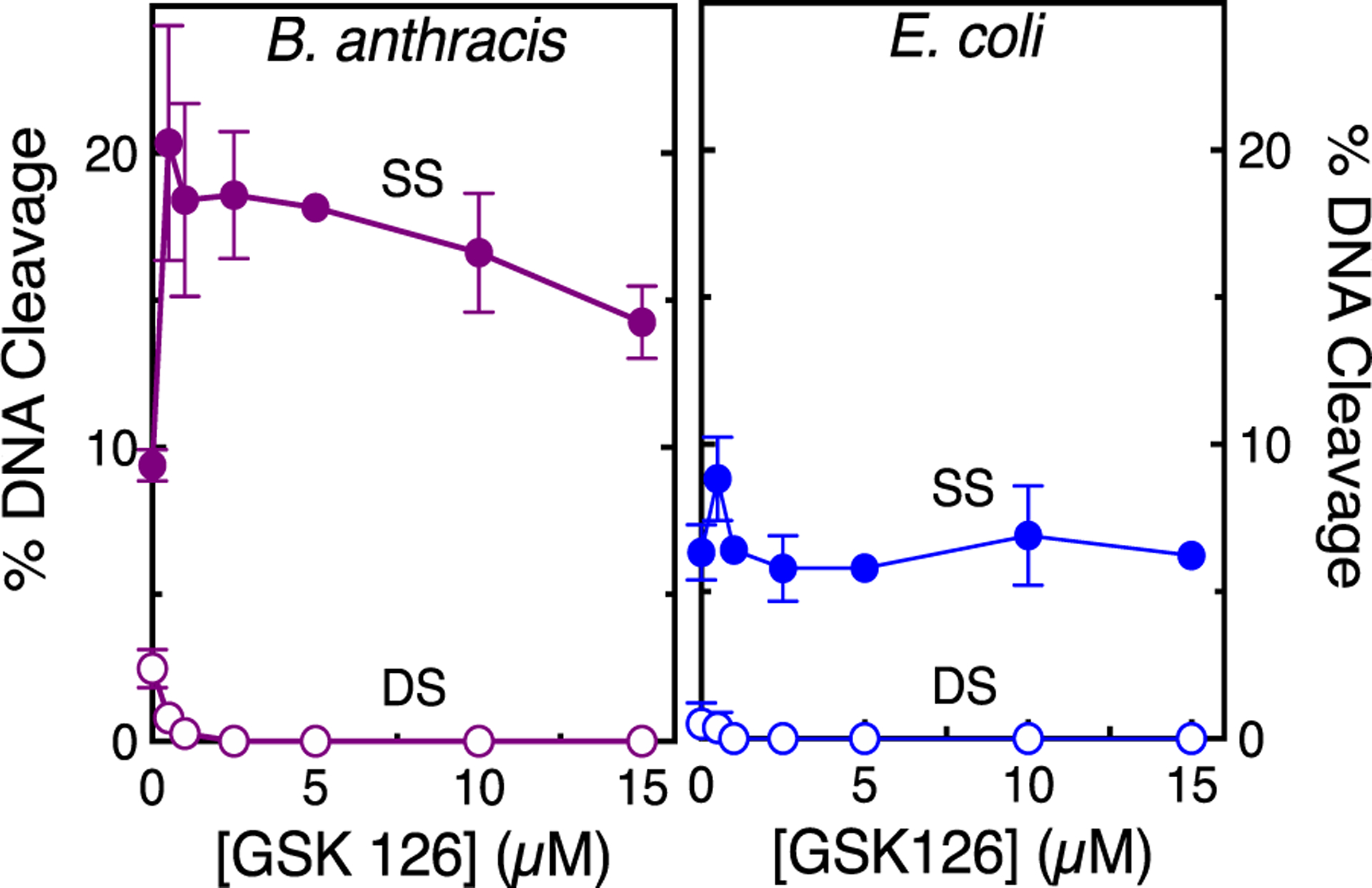
Effects of GSK126 on DNA cleavage mediated by wild-type (WT) and fluoroquinolone-resistant topoisomerase IV. The effects of GSK126 on single-stranded (SS, filled circles) and double-stranded (DS, empty circles) DNA cleavage mediated by WT (solid line) and fluoroquinolone-resistant (dashed line) B. anthracis WT and GrlAS81F (left, purple) and E. coli WT and ParCS80L (right, blue) topoisomerase IV are shown. Error bars represent the SD of at least three independent experiments. Representative agarose gels are shown in Figure S7.
Figure 10.
Figure 10.
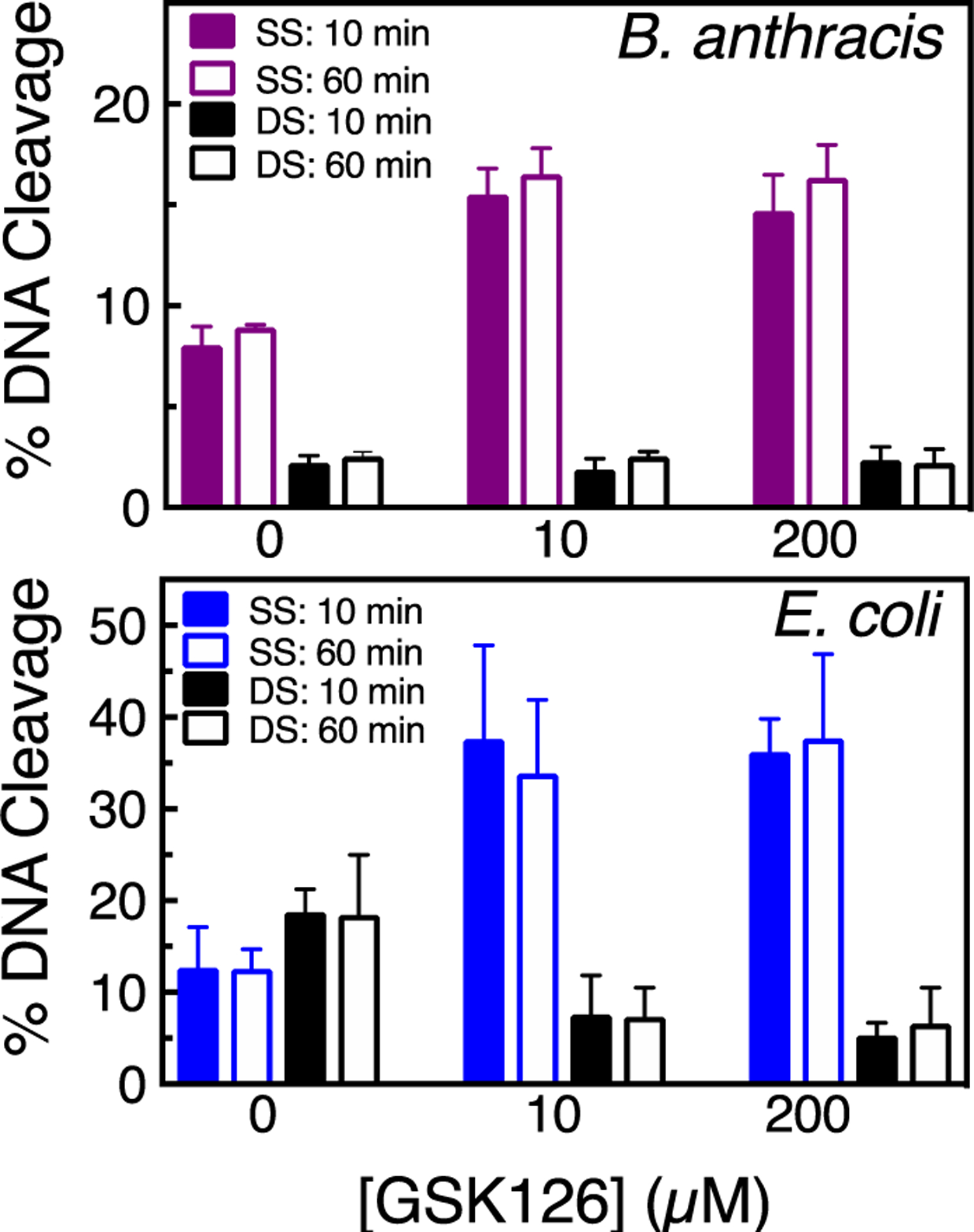
GSK126 enhances only single-stranded DNA breaks mediated by topoisomerase IV. The top panel shows the enhancement of B. anthracis topoisomerase IV-mediated single- (purple) or double-stranded (black) DNA breaks at 10 min (filled bar) or 60 min (empty bar) in the absence or presence of 10 μM or 200 μM GSK126. The bottom panel shows the enhancement of E. coli topoisomerase IV-mediated single- (blue) or double-stranded (black) DNA breaks at 10 min (filled bar) or 60 min (empty bar) in the absence or presence of 10 μM or 200 μM GSK126. Error bars represent the SD of at least 3 independent experiments. Representative agarose gels are shown in Figure S8.
Figure 11.
Figure 11.
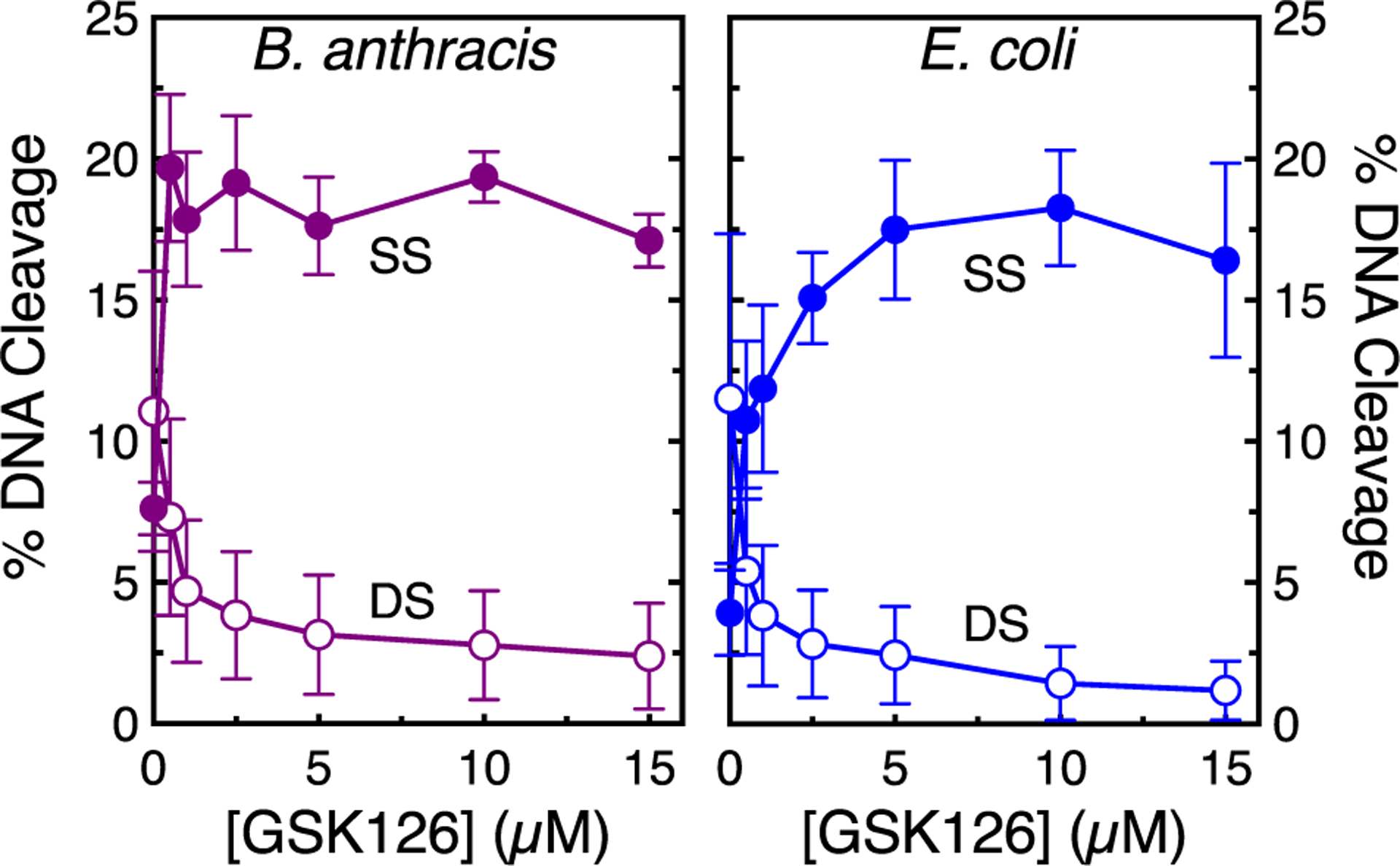
GSK126 enhances only single-stranded DNA breaks mediated by topoisomerase IV in the presence of ATP. The effects of GSK126 on single-stranded (SS, filled circles) and double-stranded (DS, empty circles) DNA cleavage mediated by B. anthracis (left, purple) and E. coli (right, blue) topoisomerase IV in the presence of 1.5 mM ATP are shown. Error bars represent the SD of at least three independent experiments. Representative agarose gels are shown in Figure S9.
Figure 12.
Figure 12.
GSK126 suppresses double-stranded DNA breaks generated by topoisomerase IV. The effects of GSK126 on single-stranded (SS, filled circles) and double-stranded (DS, empty circles) DNA cleavage mediated by B. anthracis topoisomerase IV (left, purple) and E. coli (right, blue) topoisomerase IV are shown. Reaction mixtures contained 5 mM CaCl2 in place of MgCl2 to increase baseline levels of DNA cleavage. Note that data shown for E. coli topoisomerase IV were generated at a 1:1 enzyme:plasmid ratio to ensure that baseline reactions carried out in the absence of GSK126 did not include DNA molecules that contained multiple double-stranded breaks. Error bars represent the SD of at least three independent experiments. Representative agarose gels are shown in Figure S10.

References

    1. Levine C, Hiasa H, and Marians KJ (1998) DNA gyrase and topoisomerase IV: biochemical activities, physiological roles during chromosome replication, and drug sensitivities. Biochim. Biophys. Acta 1400, 29–43. - PubMed
    1. Wang JC (2002) Cellular roles of DNA topoisomerases: a molecular perspective. Nat. Rev. Mol. Cell Biol 3, 430–440. - PubMed
    1. Chen SH, Chan NL, and Hsieh TS (2013) New mechanistic and functional insights into DNA topoisomerases. Annu. Rev. Biochem 82, 139–170. - PubMed
    1. Hooper DC (2001) Mechanisms of action of antimicrobials: focus on fluoroquinolones. Clin. Infect. Dis 32 Suppl. 1, S9–S15. - PubMed
    1. Andriole VT (2005) The quinolones: past, present, and future. Clin. Infect. Dis 41 Suppl. 2, S113–119. - PubMed

Publication types

MeSH terms