. 2020 Jan 1:499:110615.
doi: 10.1016/j.mce.2019.110615. Epub 2019 Oct 16.

High-fat diet-induced dysregulation of ovarian gene expression is restored with chronic omega-3 fatty acid supplementation

Affiliations

High-fat diet-induced dysregulation of ovarian gene expression is restored with chronic omega-3 fatty acid supplementation

Natalie M Hohos et al. Mol Cell Endocrinol. .

Abstract

Chronic high-fat diet (HFD) consumption causes ovarian dysfunction in rodents. Acute dietary treatment with docosahexaenoic acid (DHA) increases oocyte quality and ovarian reserve at advanced reproductive age. We hypothesized that DHA supplementation after HFD exposure reverses HFD-induced ovarian defects. We conducted a dietary intervention with reversal to chow, DHA-supplemented chow, or DHA-supplemented HFD after HFD consumption. After 10 weeks, HFD-fed mice had impaired estrous cyclicity, decreased primordial follicles, and altered ovarian expression of 24 genes compared to chow controls. Diet reversal to either chow or chow + DHA restored estrous cyclicity, however only chow + DHA appeared to mitigated the impact of HFD on ovarian reserve. All dietary interventions restored HFD-dysregulated gene expression to chow levels. We found no association between follicular fluid DHA levels and ovarian reserve. In conclusion our data suggest some benefit of DHA supplementation after HFD, particularly in regards to ovarian gene expression, however complete restoration of ovarian function was not achieved.

Keywords: Female fertility; High-fat diet; Obesity; Omega-3 fatty acids; Ovary; RNA-Sequencing.


Figures

Figure 1.
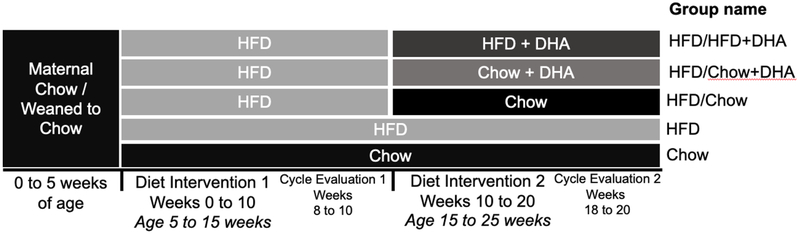
Figure 1.. Schematic Representation of the Dietary Intervention Study.
Diet 1: Dietary intervention weeks 0 to 10; Diet 2: Dietary intervention weeks 10 to 20.
Figure 2.
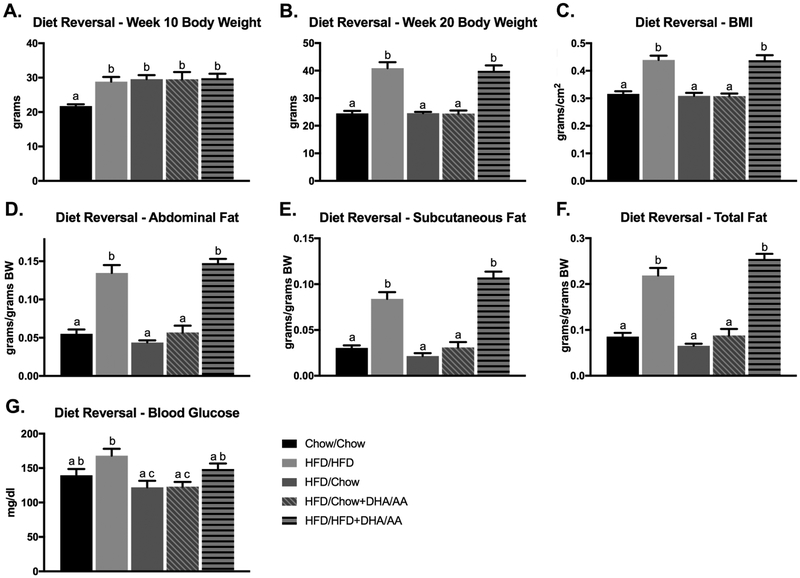
Figure 2.. Anthropometric and Metabolic Parameters After Dietary Intervention.
Anthropometric (A-F) and metabolic (G) parameters were measured after either 10 or 20 weeks of diet. Data are presented as means ± SEM. Bars with different letters were significantly different (p < 0.05) as determined by a one-way ANOVA followed by Tukey’s post-hoc test. A-B, D-G Chow N=10, HFD N=15, HFD/Chow N=10, HFD/Chow+DHA/AA N=9, HFD/HFD+DHA/AA N=10. C Chow N=10, HFD N=15, HFD/Chow N=10, HFD/Chow+DHA/AA N=8, HFD/Chow+DHA/AA N=10. Body weight (BW).
Figure 3.
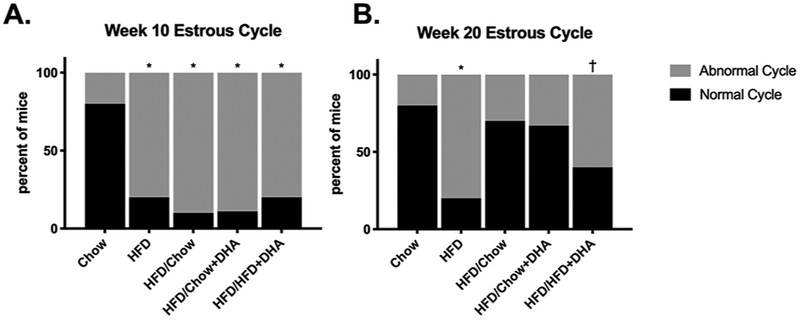
Figure 3.. Estrous Cyclicity After Diet 1 and 2.
Daily vaginal smears were assessed for the last two weeks of diet 1 (A) and diet 2 (B) to evaluate the estrous cycle. Data are presented as the percent of mice cycling normally or abnormally at each time point. Chi-squared test was used to assess differences between groups. *p < 0.05 †p < 0.07 as compared to chow. A-B Chow N=10, HFD N=15, HFD/Chow N=10, HFD/Chow+DHA/AA N=9, HFD/HFD+DHA/AA N=10.
Figure 4.
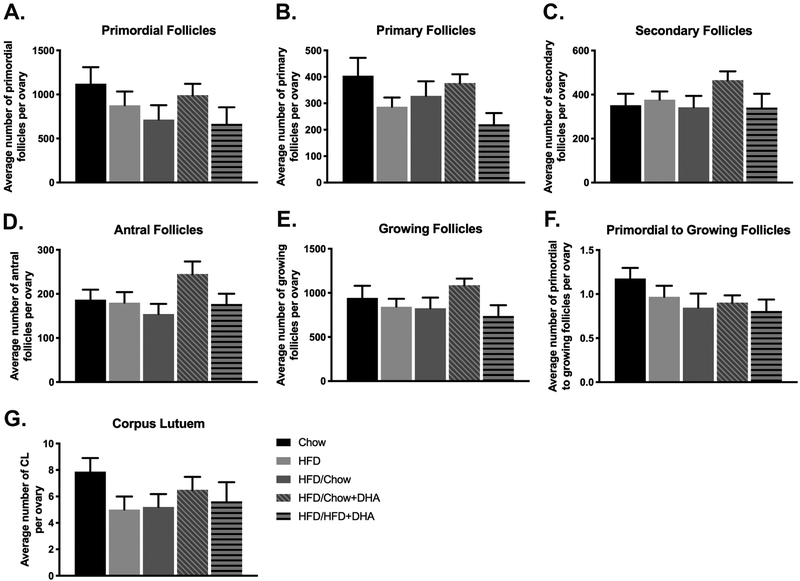
Figure 4.. Ovarian Follicle and Corpus Luteum Counts.
Serial ovarian sections were used to determine the number of (A) primordial follicles (B) primary follicles (C) secondary follicles (D) antral follicles and (G) CL per ovary after dietary intervention. The number of primary, secondary, and antral follicles for each animal were used to determine the number of growing follicles in each animal (E). The ratio of primordial to growing follicles per ovary is presented in figure 4F. Data are presented as mean ± SEM. A-F Chow N = 8, HFD N = 12, HFD/Chow N = 9, HFD/Chow+DHA N = 9, HFD/HFD+DHA N = 8. G Chow N = 7, HFD N = 12, HFD/Chow N = 10, HFD/Chow+DHA N = 8, HFD/HFD+DHA N = 8.
Figure 5.
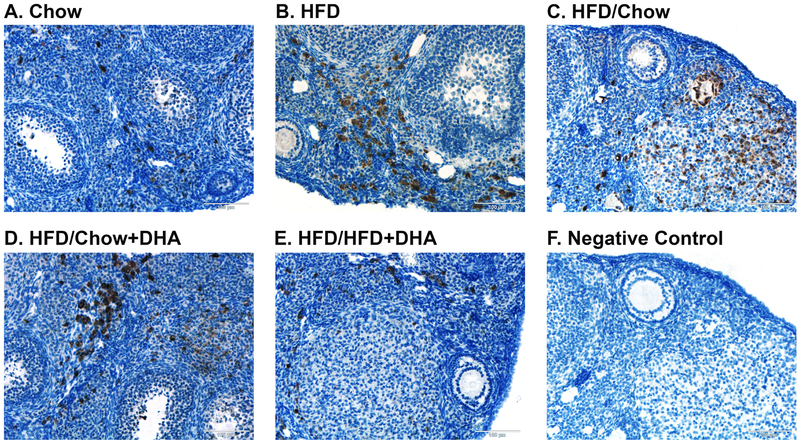
Figure 5.. Ovarian Macrophage Infiltration.
Macrophages present in the ovary were identified using the CD68 marker in Chow (N = 5), HFD (N = 5), HFD/Chow (N = 5), HFD/Chow+DHA (N = 4), and HFD/HFD+DHA (N = 5) mice. Representative images are shown for (A) Chow, (B) HFD, (C) HFD/Chow, (D) HFD/Chow+DHA, (E), HFD/HFD+DHA, and (F) negative no-primary antibody control.
Figure 6.
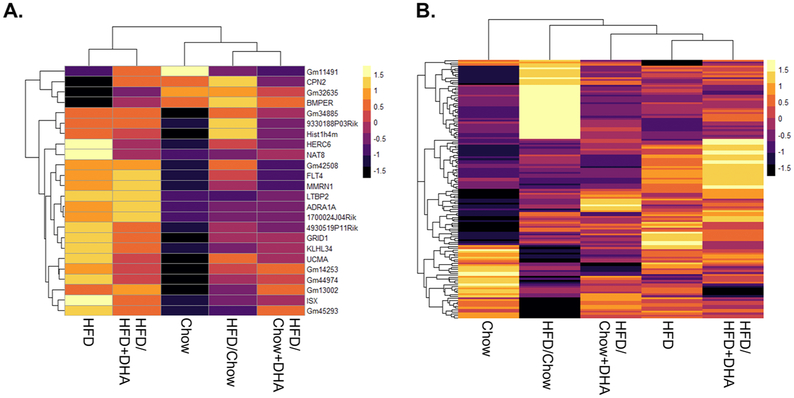
Figure 6.. Ovarian Gene Expression Changes Following Dietary Intervention.
RNA-sequencing was conducted on the whole ovary to determine genes with altered expression after dietary intervention. A. Heatmap of the 24 genes (normalized log counts per million) found the be differentially regulated in the HFD mice compared to the chow controls was plotted for each dietary intervention group. B. Heat map of normalized log counts per million of all genes included in RNA-sequencing analysis plotted for each dietary intervention.
Figure 7.
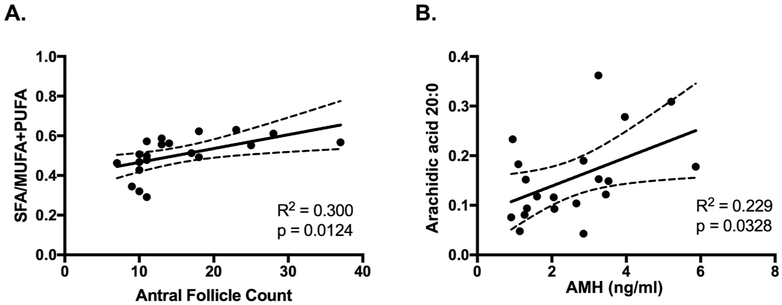
Figure 7.. Correlations Between FF NEFA and Reproductive Measures in IVF Patients.
The ratio of SFA/MUFA+PUFA was positively correlated with the number of antral follicles (A) and the amount of arachidic acid was positively correlated with AMH levels (B) in patients undergoing IVF. N = 20.

References

    1. Talmor A, Dunphy B. Female obesity and infertility. Best Pract Res Clin Obstet Gynaecol 2015; 29:498–506 - PubMed
    1. Bellver J, Ayllon Y, Ferrando M, Melo M, Goyri E, Pellicer A, Remohi J, Meseguer M. Female obesity impairs in vitro fertilization outcome without affecting embryo quality. Fertility and Sterility 2010; 93:447–454 - PubMed
    1. Rittenberg V, Seshadri S, Sunkara SK, Sobaleva S, Oteng-Ntim E, El-Toukhy T. Effect of body mass index on IVF treatment outcome: an updated systematic review and meta-analysis. Reprod Biomed Online 2011; 23:421–439 - PubMed
    1. Maheshwari A, Stofberg L, Bhattacharya S. Effect of overweight and obesity on assisted reproductive technology--a systematic review. Hum Reprod Update 2007; 13:433–444 - PubMed
    1. Vannice G, Rasmussen H. Position of the academy of nutrition and dietetics: dietary fatty acids for healthy adults. J Acad Nutr Diet 2014; 114:136–153 - PubMed

Publication types

LinkOut - more resources