


Skin infections in Australian Aboriginal children: a narrative review
- PMID: 31630410
- PMCID: PMC9543154
- DOI: 10.5694/mja2.50361
Skin infections in Australian Aboriginal children: a narrative review
Abstract
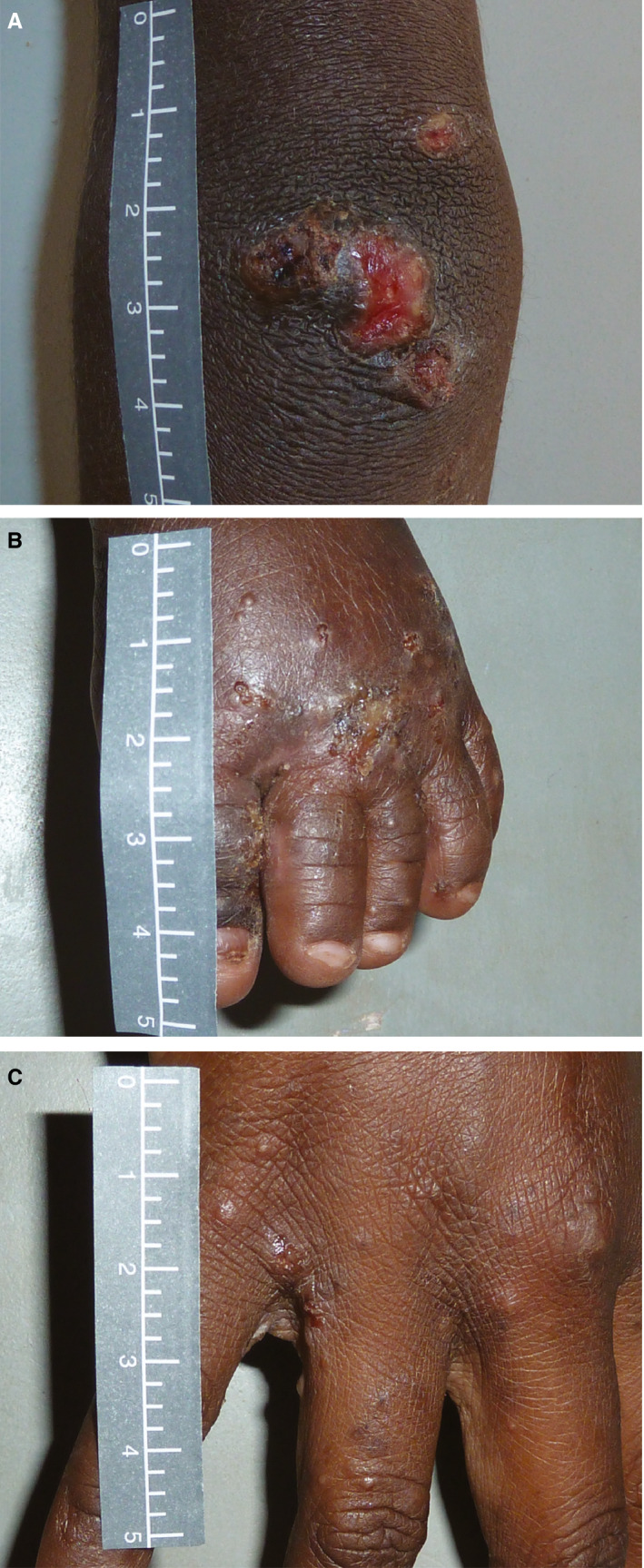
Impetigo, scabies, cellulitis and abscesses are common in Australian Aboriginal children. These conditions adversely affect wellbeing and are associated with serious long term sequelae, including invasive infection and post-infectious complications, such as acute post-streptococcal glomerulonephritis and acute rheumatic fever, which occurs at the highest documented rates in the world in remote Aboriginal communities. Observational research in remote communities in northern Australia has demonstrated a high concurrent burden of scabies and impetigo and their post-infectious complications. Few data are available for other Australian states, especially for urban Aboriginal children; however, nationwide hospital data indicate that the disparity between Aboriginal and non-Aboriginal children in skin infection prevalence also exists in urban settings. The Australian National Healthy Skin Guideline summarises evidence-based treatment of impetigo, scabies and fungal infections in high burden settings such as remote Aboriginal communities. It recommends systemic antibiotics for children with impetigo, and either topical permethrin or oral ivermectin (second line) for the individual and their contacts as equally efficacious treatments for scabies. β-Lactams are the treatment of choice and trimethoprim-sulfamethoxazole and clindamycin are effective alternatives for treatment of paediatric cellulitis. Abscesses require incision and drainage and a 5-day course of trimethoprim-sulfamethoxazole or clindamycin. Addressing normalisation of skin infections and the social determinants of skin health are key challenges for the clinician. Research is underway on community-wide skin health programs and the role for mass drug administration which will guide future management of these common, treatable diseases.
Keywords: Cellulitis; Parasitic diseases; Skin diseases, infectious; Social determinants of health; Staphylococcus; Streptococcus.
© 2019 The Authors. Medical Journal of Australia published by John Wiley & Sons Australia, Ltd on behalf of AMPCo Pty Ltd.
Conflict of interest statement
No relevant disclosures.
Figures
Comment in
-
Skin infections in Australian Aboriginal children: a narrative review.Med J Aust. 2020 Sep;213(6):287-287.e1. doi: 10.5694/mja2.50743. Epub 2020 Aug 28. Med J Aust. 2020. PMID: 32860232 No abstract available.
-
Skin infections in Australian Aboriginal children: a narrative review.Med J Aust. 2020 Sep;213(6):286-286.e1. doi: 10.5694/mja2.50749. Epub 2020 Aug 28. Med J Aust. 2020. PMID: 32860250 No abstract available.
References
-
- Romani L, Steer AC, Whitfeld MJ, Kaldor JM. Prevalence of scabies and impetigo worldwide: a systematic review. Lancet Infect Dis 2015; 15: 960–967. - PubMed
