Adverse events with ayurvedic medicines- possible adulteration and some inherent toxicities
- PMID: 31641694
- PMCID: PMC6790910
- DOI: 10.12688/wellcomeopenres.15096.3
Adverse events with ayurvedic medicines- possible adulteration and some inherent toxicities
Abstract
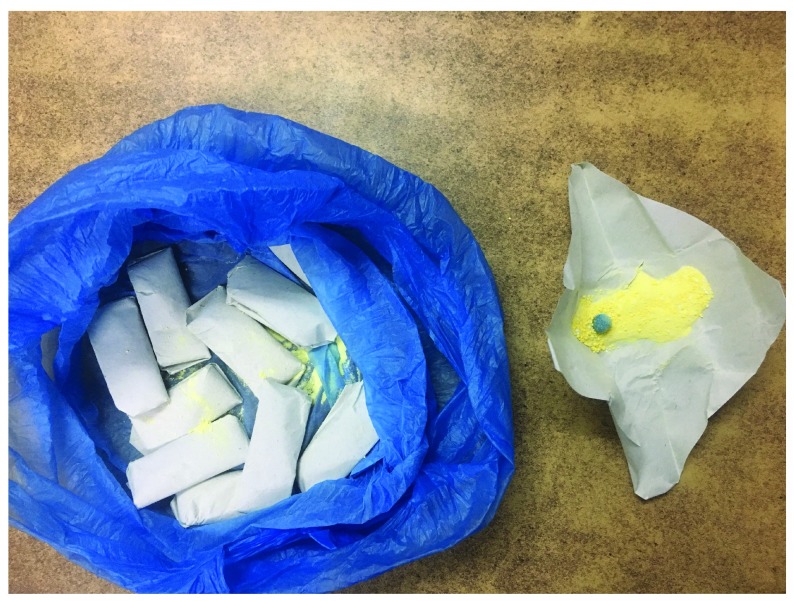
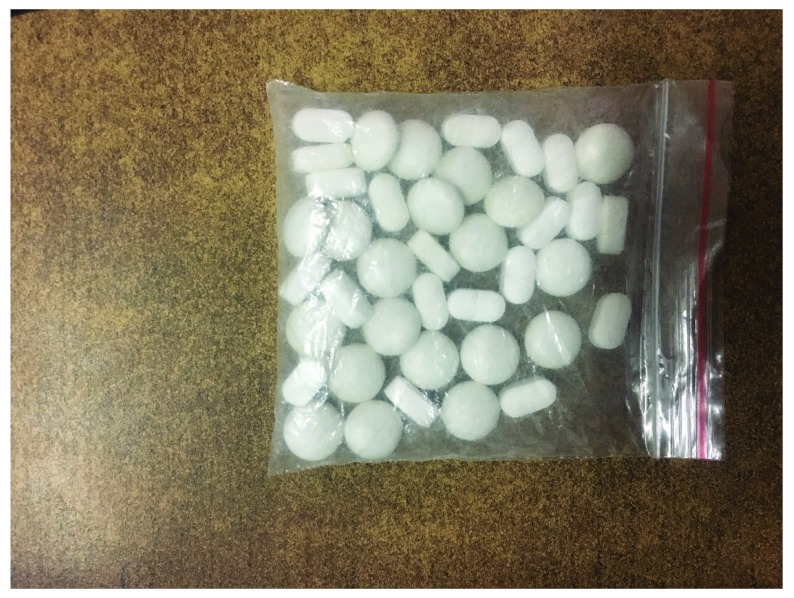
Ayurvedic medicine, a traditional system of medicine practiced in the Indian subcontinent is considered to be devoid of adverse events. We report three cases which highlight the possibility of adverse events related with the use of ayurvedic products. A 35 year old woman with hepatitis took ayurvedic powder medicine and swarnabhasma (gold salt) and had her liver injury worsened, possibly due to alkaloids, and developed nephrotic syndrome, possibly due to gold salt. A 57 year old hypertensive man was taking ayurvedic medicine containing reserpine which had long been withdrawn from the allopathic system of medicine due to wide range of side effects. A 47 year old woman with rheumatoid arthritis was taking an unknown tablet containing steroid as an adulterant for 2 years and developed side effects typical of steroid excess. We would like to highlight the fact that ayurvedic medicines do have propensity to cause adverse events due to adulteration or inherent constituents like alkaloids, and hence may not always be completely safe.
Keywords: Ayurvedic medicine; adulteration; alkaloids; heavy metals.
Copyright: © 2019 Paudyal B et al.
Conflict of interest statement
No competing interests were disclosed.
Figures
References
-
- Kafle G, Bhattarai I, Shrestha AK, et al. : Why do patients choose to consume Ayurvedic Medicines in Nepal? An exploratory study. International Journal of Ayurvedic Medicine. 2018;9(4):250–7. Reference Source
-
- Zastrow M: Drug Receptors and Pharmacodynamics. In: Katzung B, ed. Basic And Clinical Pharmacology.13th ed. The Mc-Graw Hill Companies;2012;15–36. Reference Source
Publication types
Grants and funding
LinkOut - more resources
Full Text Sources