


Gender-Affirming Hormone Therapy, Vascular Health and Cardiovascular Disease in Transgender Adults
- PMID: 31656099
- PMCID: PMC6887638
- DOI: 10.1161/HYPERTENSIONAHA.119.13080
Gender-Affirming Hormone Therapy, Vascular Health and Cardiovascular Disease in Transgender Adults
Erratum in
-
Correction to: Gender-Affirming Hormone Therapy, Vascular Health and Cardiovascular Disease in Transgender Adults.Hypertension. 2020 Apr;75(4):e10. doi: 10.1161/HYP.0000000000000097. Epub 2020 Mar 11. Hypertension. 2020. PMID: 32160099 Free PMC article. No abstract available.
Abstract
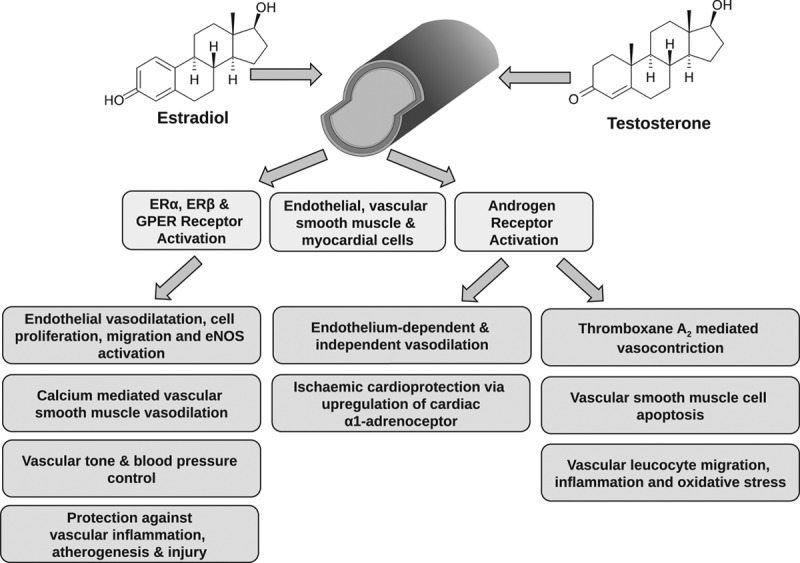
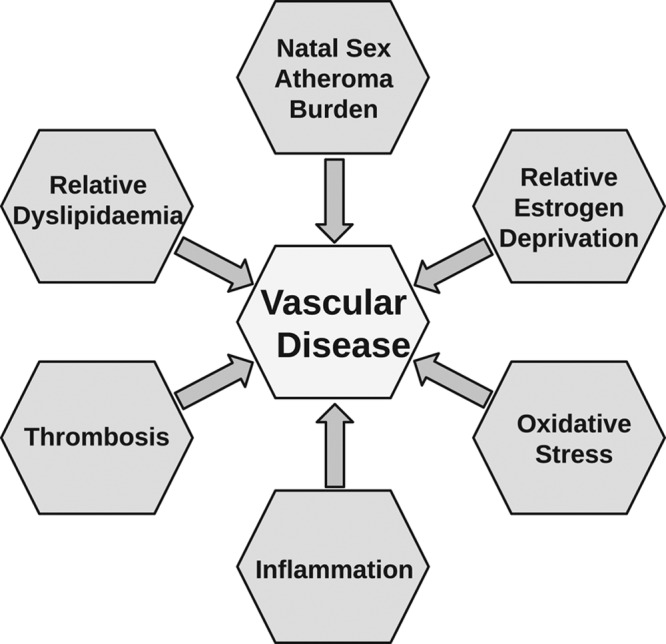
Gender-affirming or cross-sex hormone therapy is integral to the management of transgender individuals yet our appreciation of the effects of such hormones on cardiovascular health is limited. Insights into vascular pathophysiology and outcomes in transgender people receiving sex steroids could be fundamental in providing better care for this population through the management of cardiovascular risk and more broadly advance our understanding of the role of sex and gender in vascular health and disease. In addition, there is a need to understand how gender-affirming hormone therapy impacts cardiovascular disease risk and events as transgender individuals age. This review explores the available evidence on the associations between gender-affirming hormones and cardiovascular events such as coronary artery disease, stroke, hypertension, thrombosis, lipid abnormalities, and diabetes mellitus. Current research about vascular outcomes in adults receiving hormonal therapy is limited by the absence of large cohort studies, lack of appropriate control populations, and inadequate data acquisition from gender identity services. Existing epidemiological data suggest that the use of estrogens in transgender females confers an increased risk of myocardial infarction and ischemic stroke. Conversely, transgender males receiving testosterone lack any consistent or convincing evidence of increased risk of cardiovascular or cerebrovascular disease. Further studies are required to confirm whether such risk exists and the mechanisms by which they occur.
Keywords: cardiovascular; diabetes mellitus; disease; dyslipidemias; hypertension; stroke; thrombosis; transgender persons.
Figures
References
-
- T’Sjoen G, Arcelus J, Gooren L, Klink DT, Tangpricha V. Endocrinology of Transgender Medicine. Endocr Rev. 2019;40:97–117. doi: 10.1210/er.2018-00011. - PubMed
-
- Winter S, Diamond M, Green J, Karasic D, Reed T, Whittle S, Wylie K. Transgender people: health at the margins of society. Lancet. 2016;388:390–400. doi: 10.1016/S0140-6736(16)00683-8. - PubMed
-
- Downing JM, Przedworski JM. Health of transgender adults in the U.S 2014–2016. Am J Prev Med. 2018;55:336–344. - PubMed
Publication types
MeSH terms
Substances
Grants and funding
LinkOut - more resources
Full Text Sources
