


SOD2 Mediates Curcumin-Induced Protection against Oxygen-Glucose Deprivation/Reoxygenation Injury in HT22 Cells
- PMID: 31662771
- PMCID: PMC6791267
- DOI: 10.1155/2019/2160642
SOD2 Mediates Curcumin-Induced Protection against Oxygen-Glucose Deprivation/Reoxygenation Injury in HT22 Cells
Abstract
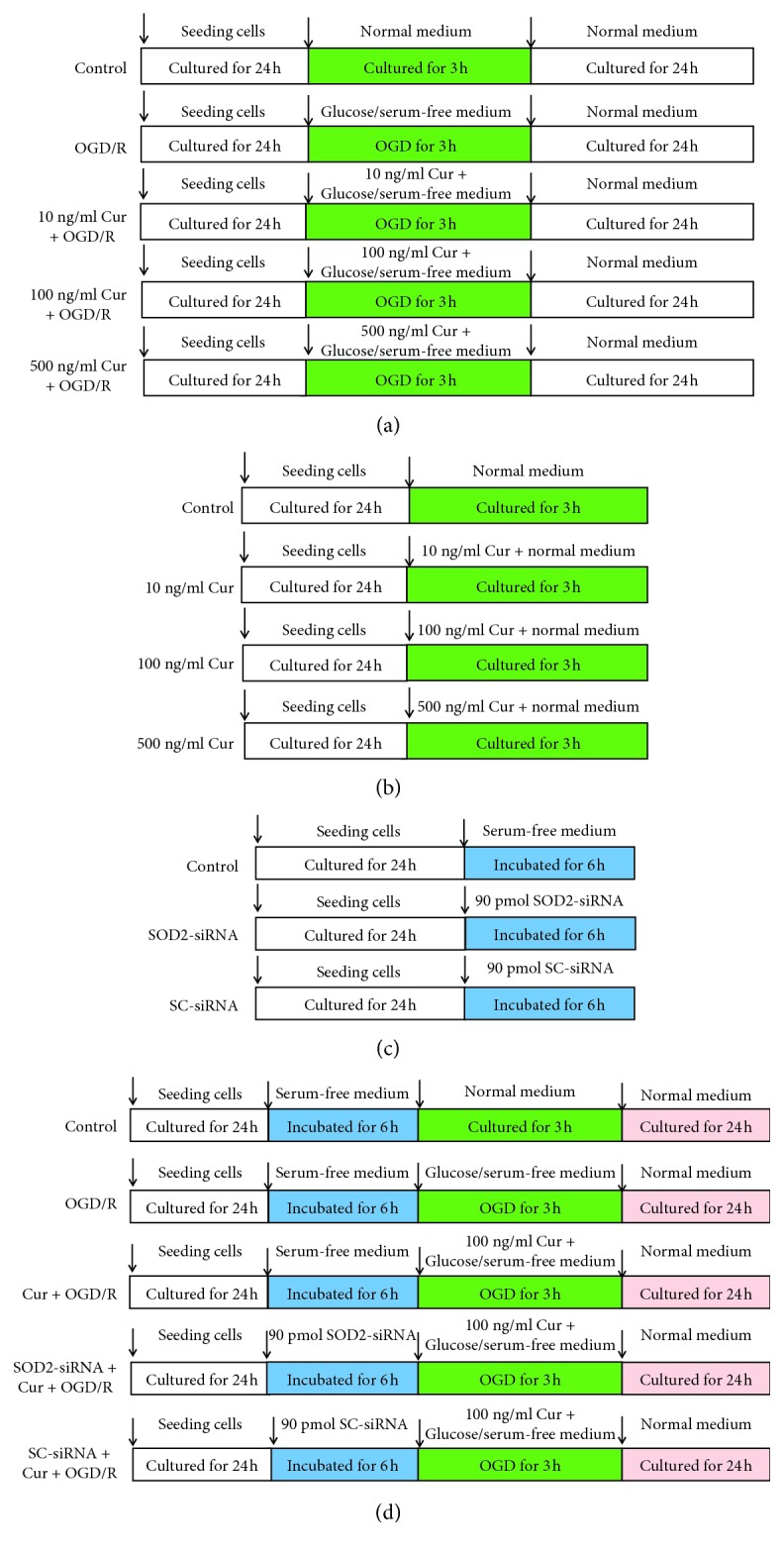
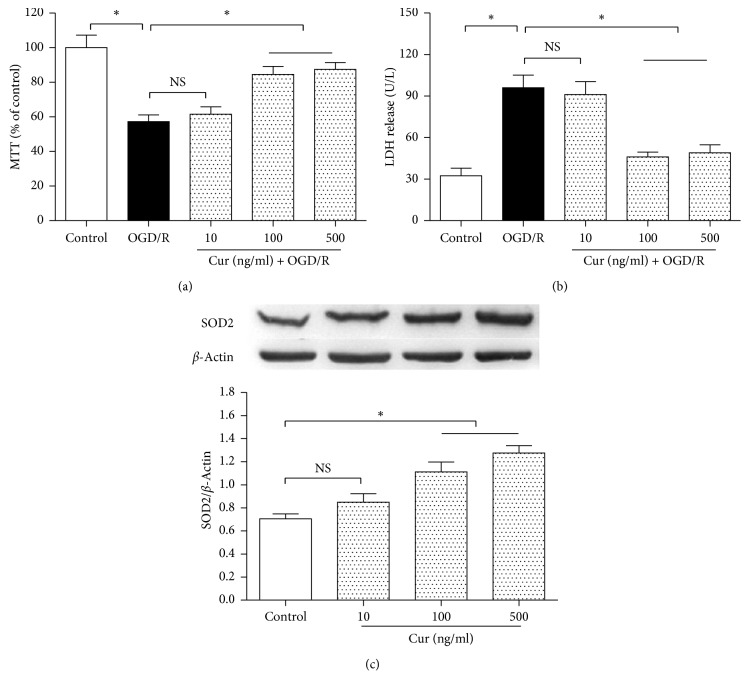
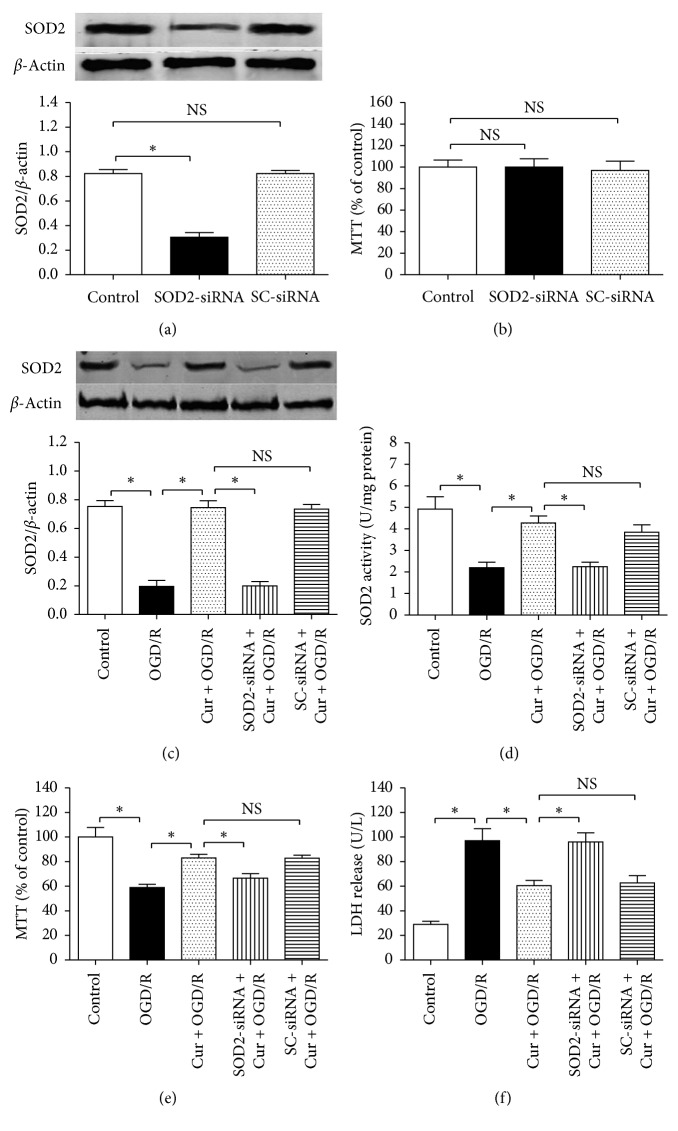
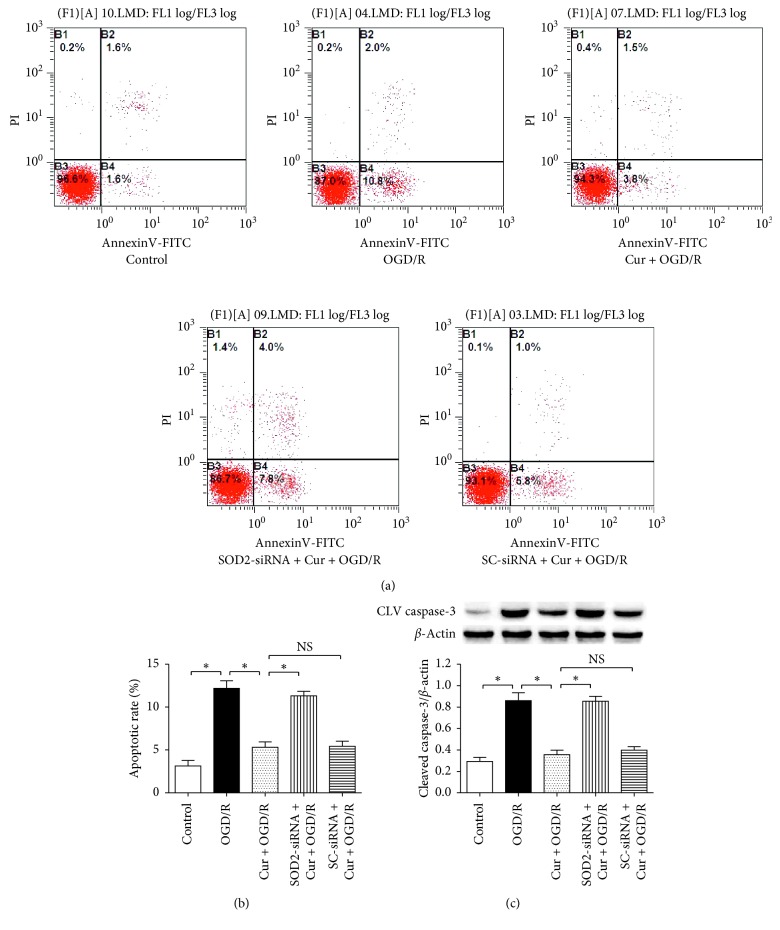
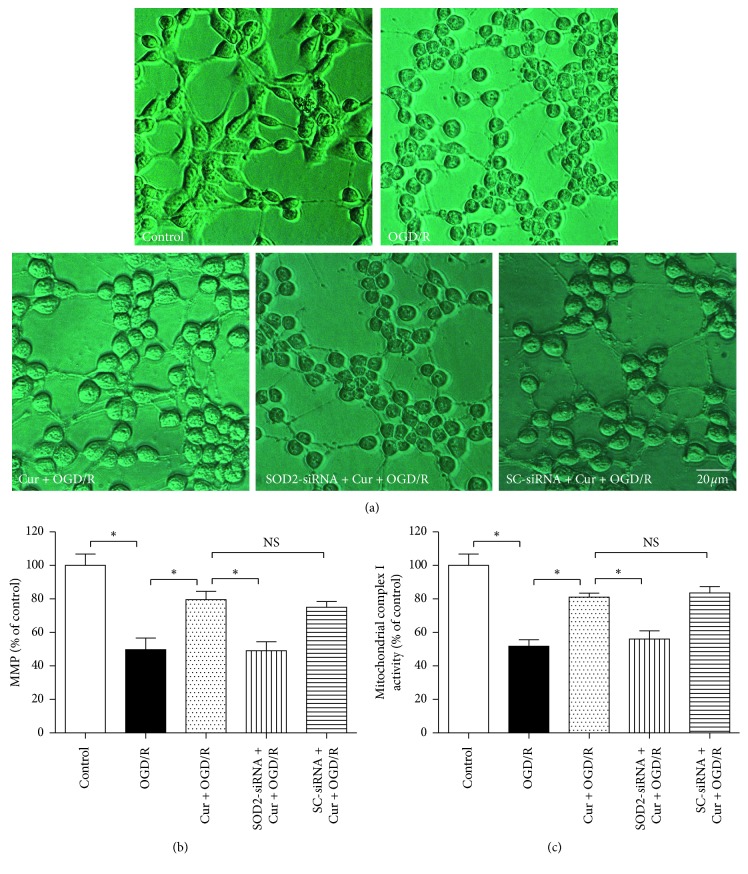
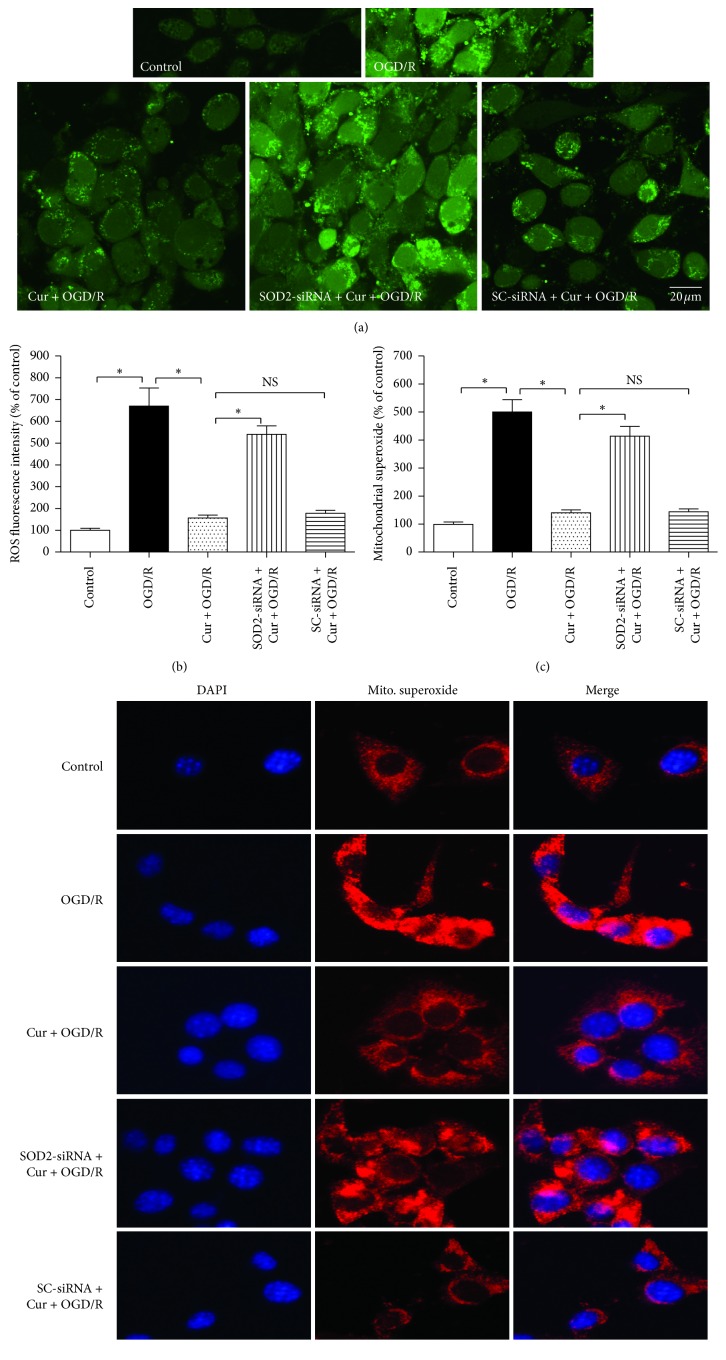
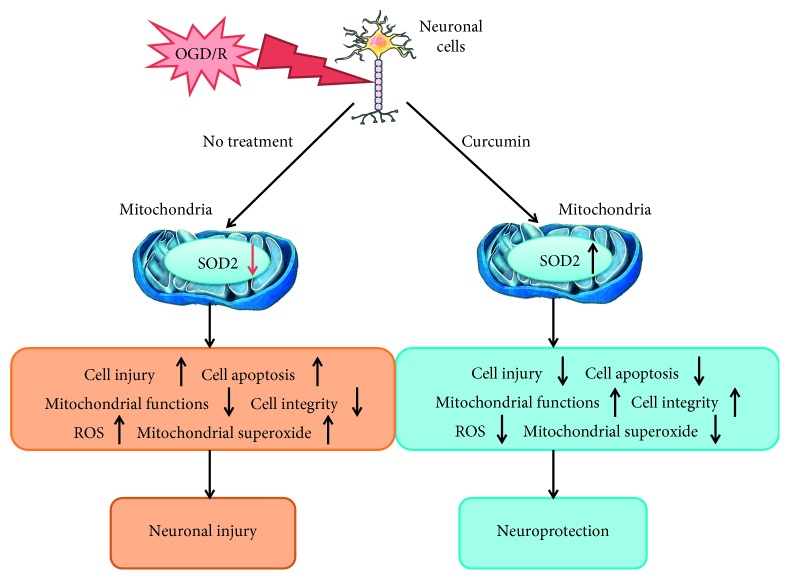
Curcumin (Cur) induces neuroprotection against brain ischemic injury; however, the mechanism is still obscure. The aim of this study is to explore the potential neuroprotective mechanism of curcumin against oxygen-glucose deprivation/reoxygenation (OGD/R) injury in HT22 cells and investigate whether type-2 superoxide dismutase (SOD2) is involved in the curcumin-induced protection. In the present study, HT22 neuronal cells were treated with 3 h OGD plus 24 h reoxygenation to mimic ischemia/reperfusion injury. Compared with the normal cultured control group, OGD/R treatment reduced cell viability and SOD2 expression, decreased mitochondrial membrane potential (MMP) and mitochondrial complex I activity, damaged cell morphology, and increased lactic dehydrogenase (LDH) release, cell apoptosis, intracellular reactive oxygen species (ROS), and mitochondrial superoxide (P < 0.05). Meanwhile, coadministration of 100 ng/ml curcumin reduced the cell injury and apoptosis, inhibited intracellular ROS and mitochondrial superoxide accumulation, and ameliorated intracellular SOD2, cell morphology, MMP, and mitochondrial complex I activity. Downregulating the SOD2 expression by using siRNA, however, significantly reversed the curcumin-induced cytoprotection (P < 0.05). These findings indicated that curcumin induces protection against OGD/R injury in HT22 cells, and SOD2 protein may mediate the protection.
Copyright © 2019 Yuqing Wang et al.
Conflict of interest statement
The authors declare no conflicts of interest.
Figures
References
-
- Anderson C. S., Huang Y., Lindley R. I., et al. Intensive blood pressure reduction with intravenous thrombolysis therapy for acute ischaemic stroke (ENCHANTED): an international, randomised, open-label, blinded-endpoint, phase 3 trial. Lancet. 2019;393(10174):877–888. doi: 10.1016/S0140-6736(19)30038-8. - DOI - PubMed
-
- Murakami K., Suzuki M., Suzuki N., Hamajo K., Tsukamoto T., Shimojo M. Cerebroprotective effects of TAK-937, a novel cannabinoid receptor agonist, in permanent and thrombotic focal cerebral ischemia in rats: therapeutic time window, combination with t-PA and efficacy in aged rats. Brain Research. 2013;1526:84–93. doi: 10.1016/j.brainres.2013.06.014. - DOI - PubMed
LinkOut - more resources
Full Text Sources
