


Comparative genome analysis of 15 clinical Shigella flexneri strains regarding virulence and antibiotic resistance
- PMID: 31663057
- PMCID: PMC6787350
- DOI: 10.3934/microbiol.2019.3.205
Comparative genome analysis of 15 clinical Shigella flexneri strains regarding virulence and antibiotic resistance
Abstract
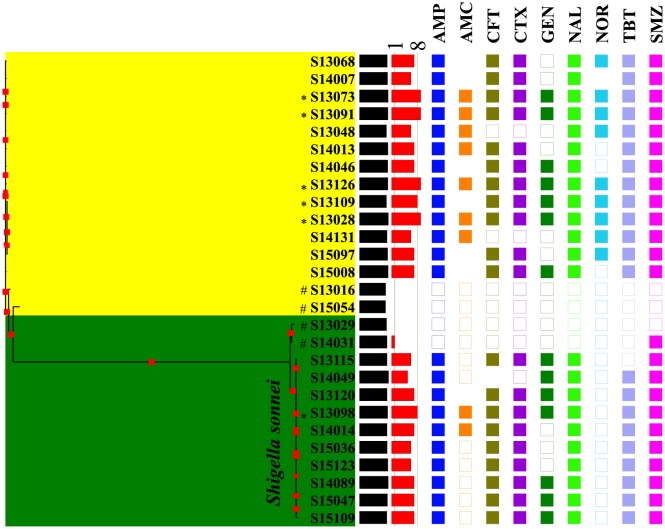
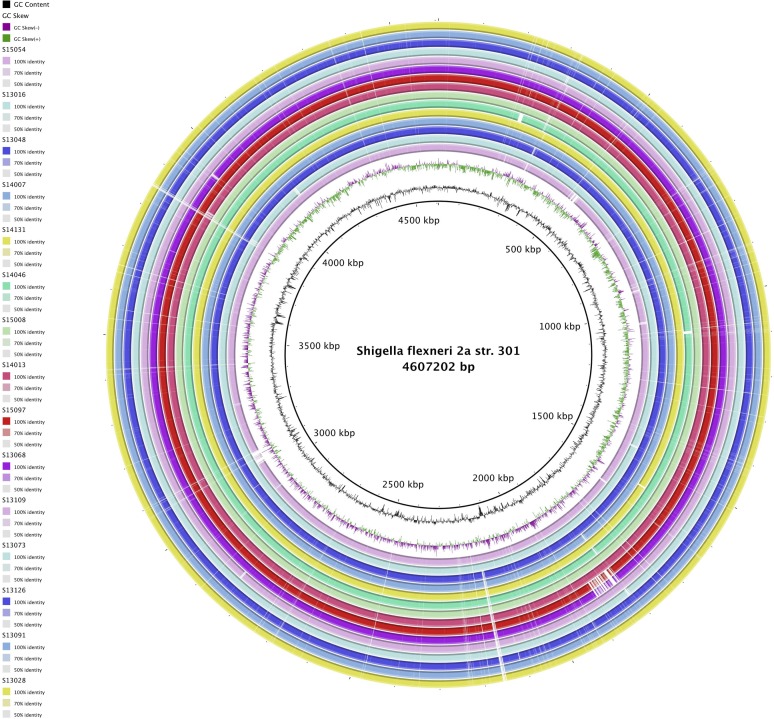
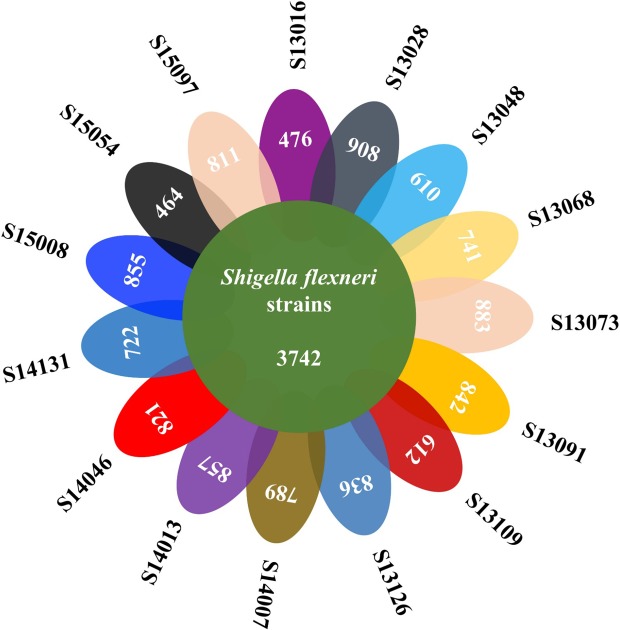
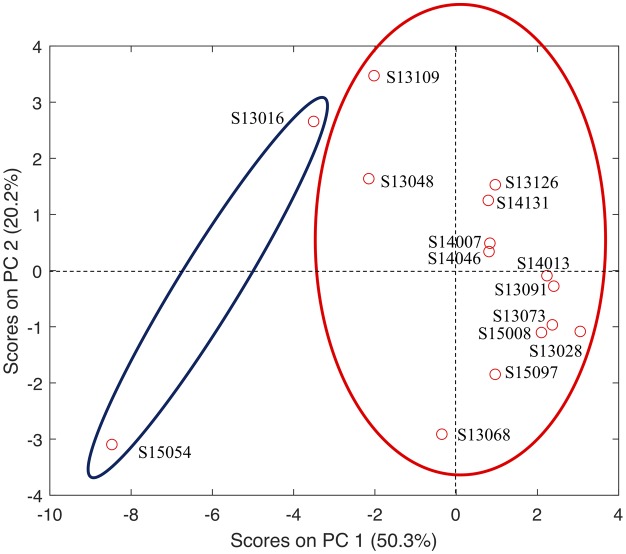
Shigellosis is the major cause of dysentery globally. It is mainly attributed to two Shigella species, Shigella sonnei and Shigella flexneri, which leads to approximately 165 million infections and 1.1 million deaths each year. Rapid increase and widening of spectrum in antibiotics resistance make Shigella hard to be adequately controlled through existing prevention and treatment measures. It has also been observed that enhanced virulence and advent of antibiotic resistance (AR) could arise almost simultaneously. However, genetic linkages between the two factors are missing or largely ignored, which hinders experimental verification of the relationship. In this study, we sequenced 15 clinically isolated S. flexneri strains. Genome assembly, annotation and comparison were performed through routine pipelines. Differential resistant profiles of all 15 S. flexneri strains to nine antibiotics were experimentally verified. Virulence factors (VFs) belonging to 4 categories and 31 functional groups from the Virulence Factor Database (VFDB) were used to screen all Shigella translated CDSs. Distribution patterns of virulence factors were analysed by correlating with the profiles of bacterial antibiotics resistance. In addition, multi-resistant S. flexneri strains were compared with antibiotic-sensitive strains by focusing on the abundance or scarcity of specific groups of VFs. By doing these, a clear view of the relationships between virulence factors and antibiotics resistance in Shigella could be achieved, which not only provides a set of genetic evidence to support the interactions between VFs and AR but could also be used as a guidance for further verification of the relationships through manipulating specific groups of virulence factors.
Keywords: HMMER; Prokka; Shigella; antibiotics resistance; comparative genomics; virulence factor.
© 2019 the Author(s), licensee AIMS Press.
Conflict of interest statement
Conflict of interest: The authors declare that they have no conflict of interest.
Figures
References
-
- Lima IFN, Havt A, Lima AAM. Update on molecular epidemiology of Shigella infection. Cur Opin Gastroenterol. 2015;31:30–37. - PubMed
-
- Jennison AV, Verma NK. Shigella flexneriinfection: pathogenesis and vaccine development. FEMS Microbiol Rev. 2004;28:43–58. - PubMed
-
- Kotloff KL, Riddle MS, Platts-Mills JA, et al. Shigellosis. The Lancet. 2018;391:801–812. - PubMed
LinkOut - more resources
Full Text Sources
Research Materials