


Prevalence of perinatal depression among HIV-positive women: a systematic review and meta-analysis
- PMID: 31666033
- PMCID: PMC6822469
- DOI: 10.1186/s12888-019-2321-2
Prevalence of perinatal depression among HIV-positive women: a systematic review and meta-analysis
Abstract
Background: Increasing attention has been paid to differences in the prevalence of perinatal depression by HIV status, although inconsistent results have been reported. The aim of this systematic review and meta-analysis was to assess the relationship between perinatal depression and HIV infection. A comprehensive meta-analysis of comparative studies comparing the prevalence of antenatal or postnatal depression between HIV-infected women and HIV-negative controls was conducted.
Methods: Studies were identified through PubMed/Medline, Scopus, Web of Science, Cochrane Library, Embase and PsycINFO, and the reading of complementary references in August 2019. Subgroup analyses were performed for anticipated explanation of heterogeneity using methodological quality and pre-defined study characteristics, including study design, geographical location and depression screening tools for depression. The overall odds ratio (OR) and mean prevalence of each group were calculated.
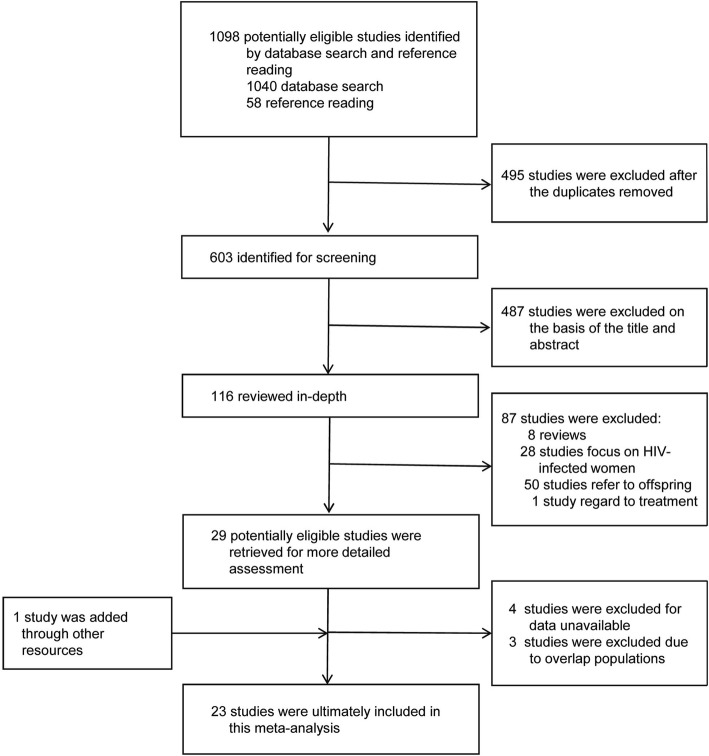
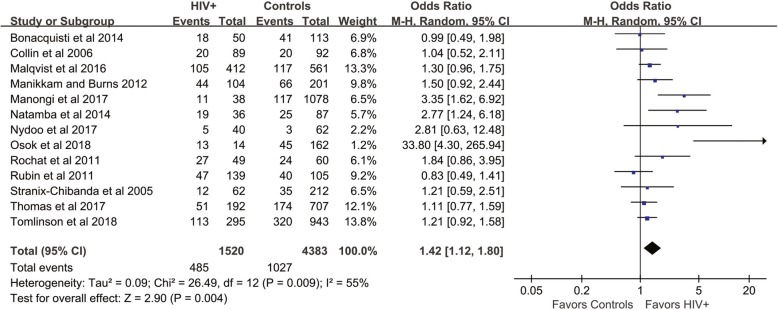
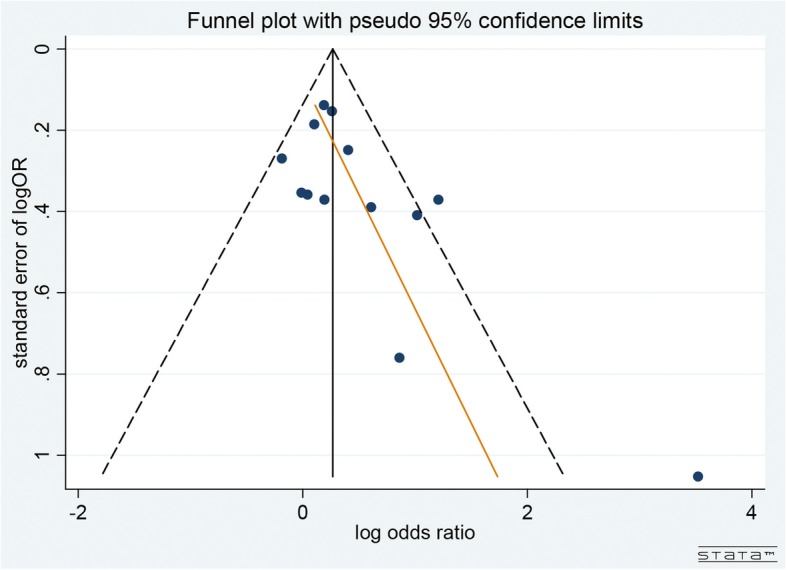
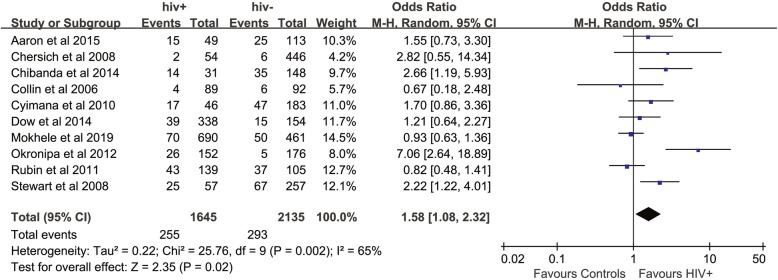
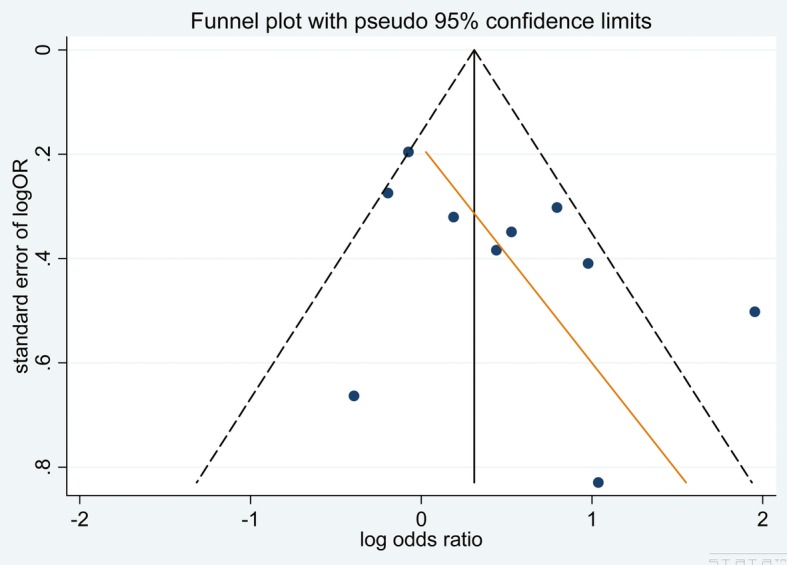
Results: Twenty-three studies (from 21 publications), thirteen regarding antenatal depression and ten regarding postnatal depression were included, comprising 3165 subjects with HIV infection and 6518 controls. The mean prevalence of antenatal depressive symptoms in thirteen included studies was 36% (95% CI: 27, 45%) in the HIV-positive group and 26% (95% CI: 20, 32%) in the control group. The mean prevalence of postnatal depressive symptoms in ten included studies was 21% (95% CI: 14, 27%) in the HIV-positive group and 16% (95% CI: 10, 22%) in the control group. Women living with HIV have higher odds of antenatal (OR: 1.42; 95% CI: 1.12, 1.80) and postnatal depressive symptoms (OR: 1.58; 95% CI: 1.08, 2.32) compared with controls. Publication bias and moderate heterogeneity existed in the overall meta-analysis, and heterogeneity was partly explained by the subgroup analyses.
Conclusions: Women with HIV infection exhibit a significantly higher OR of antenatal and postnatal depressive symptoms compared with controls. For the health of both mother and child, clinicians should be aware of the significance of depression screening before and after delivery in this particular population and take effective measures to address depression among these women.
Keywords: HIV; Meta-analysis; Perinatal depression; Pregnant women.
Conflict of interest statement
The authors declare that they have no competing interests.
Figures
References
-
- Ickovics JR, Hamburger ME, Vlahov D, Schoenbaum EE, Schuman P, Boland RJ, et al. HIV epidemiology research study group. Mortality, CD4 cell count decline, and depressive symptoms among HIV-seropositive women: longitudinal analysis from the HIV epidemiology research study. JAMA. 2001;285(11):1466–1474. doi: 10.1001/jama.285.11.1466. - DOI - PubMed
Publication types
MeSH terms
LinkOut - more resources
Full Text Sources
Medical
