


Chemical and spectroscopic characterization data of 'cannabidibutol', a novel cannabidiol butyl analog
- PMID: 31667233
- PMCID: PMC6811919
- DOI: 10.1016/j.dib.2019.104463
Chemical and spectroscopic characterization data of 'cannabidibutol', a novel cannabidiol butyl analog
Abstract
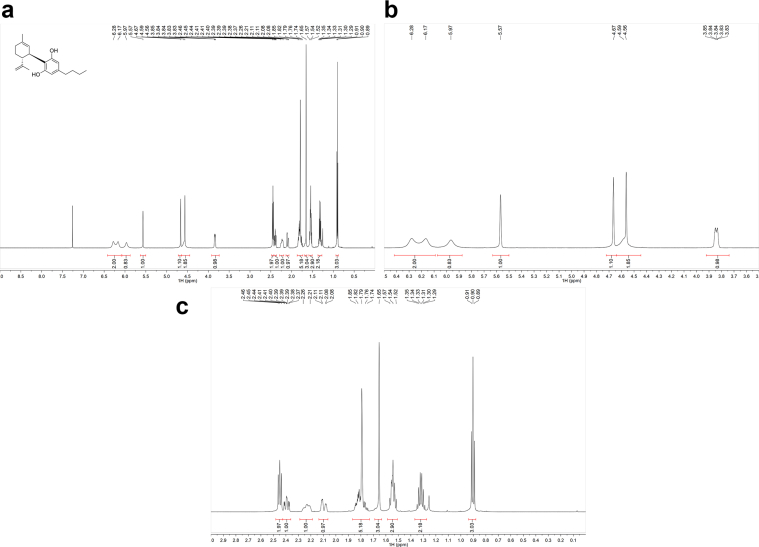
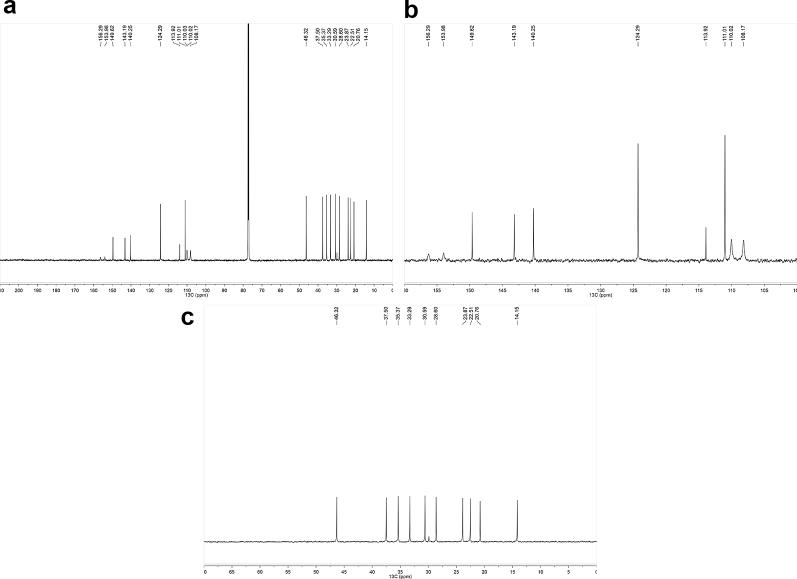
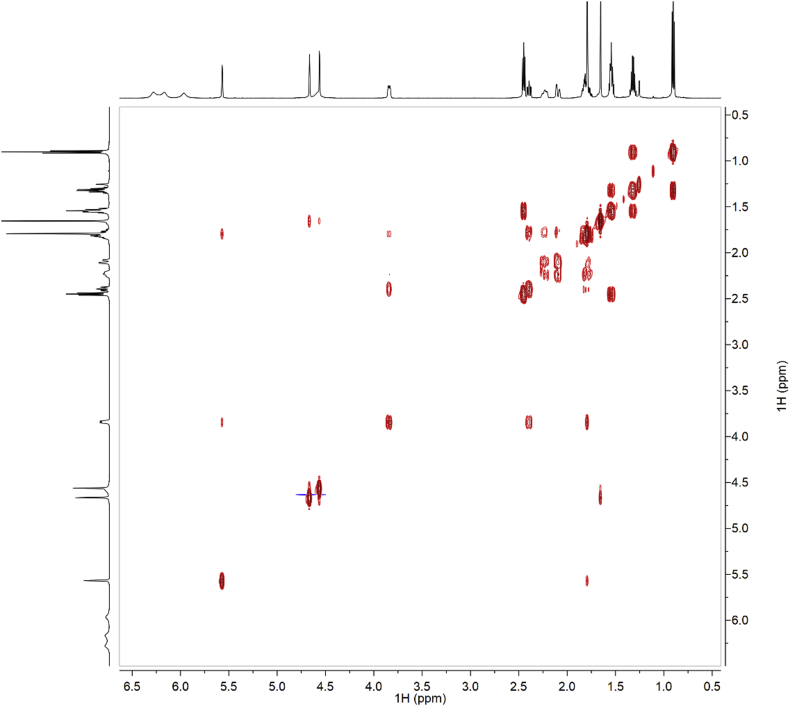
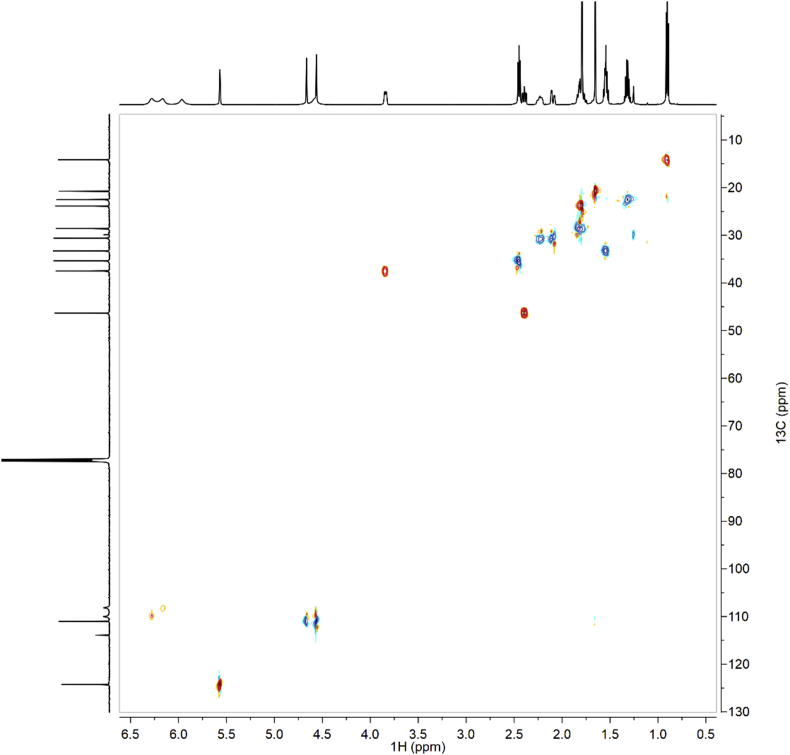
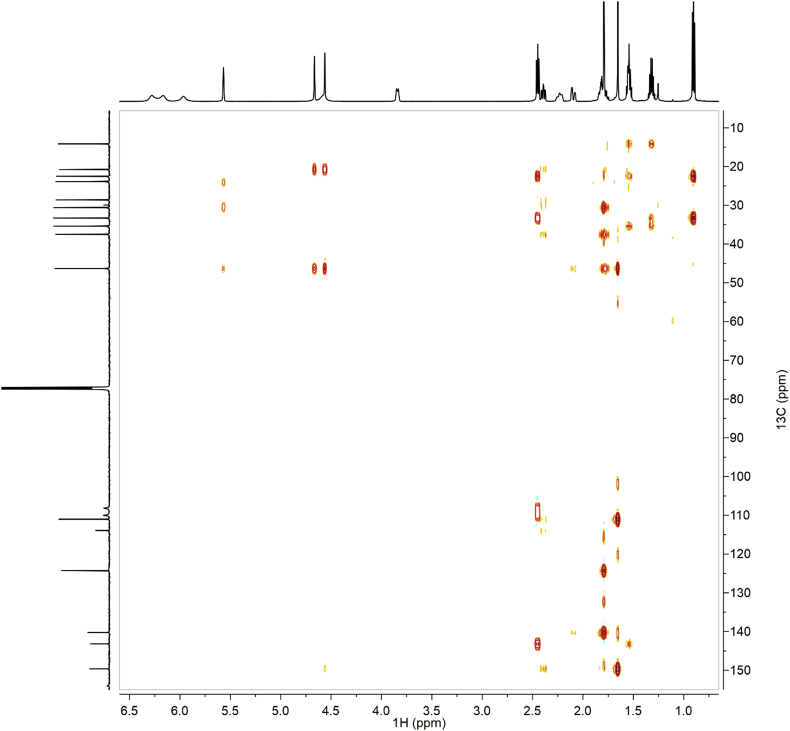
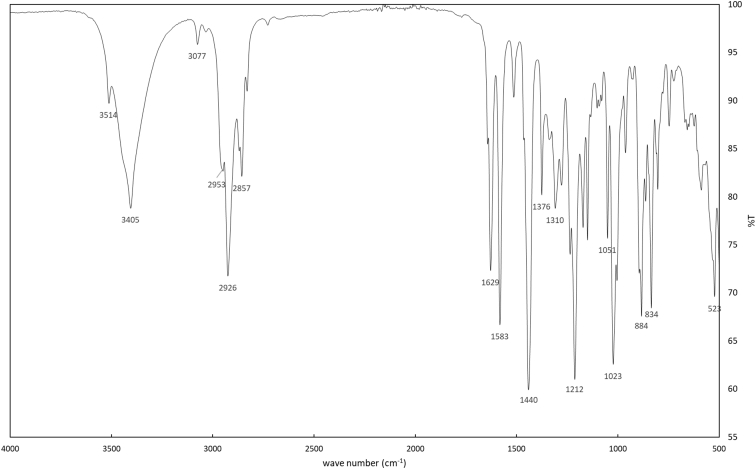
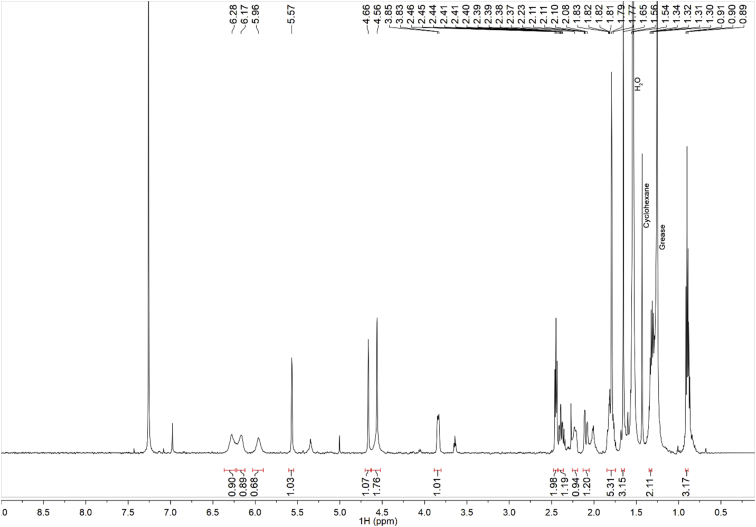
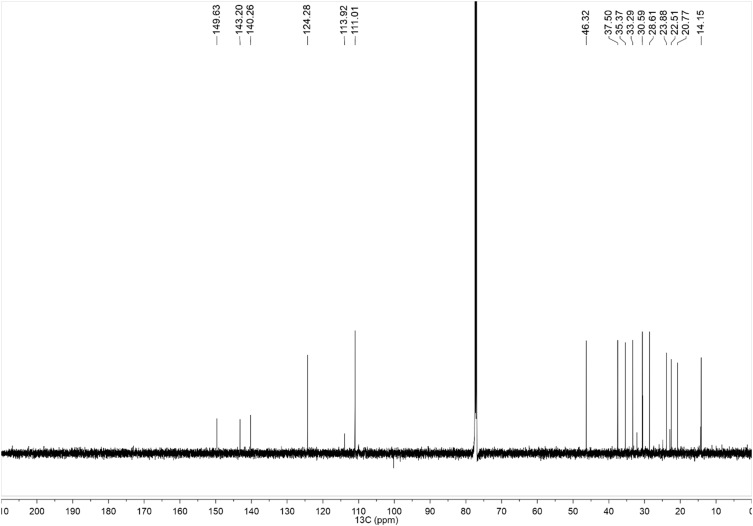
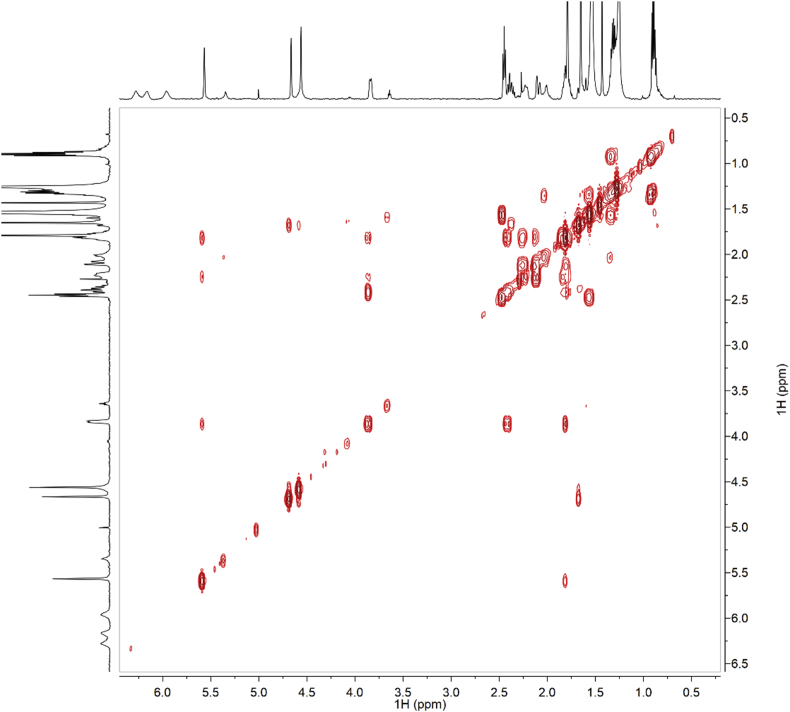
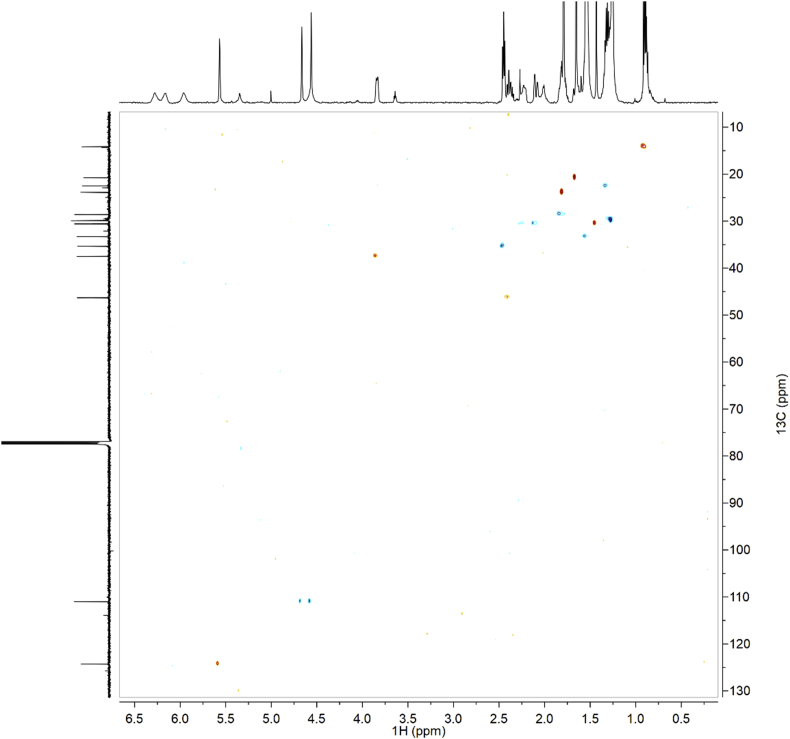
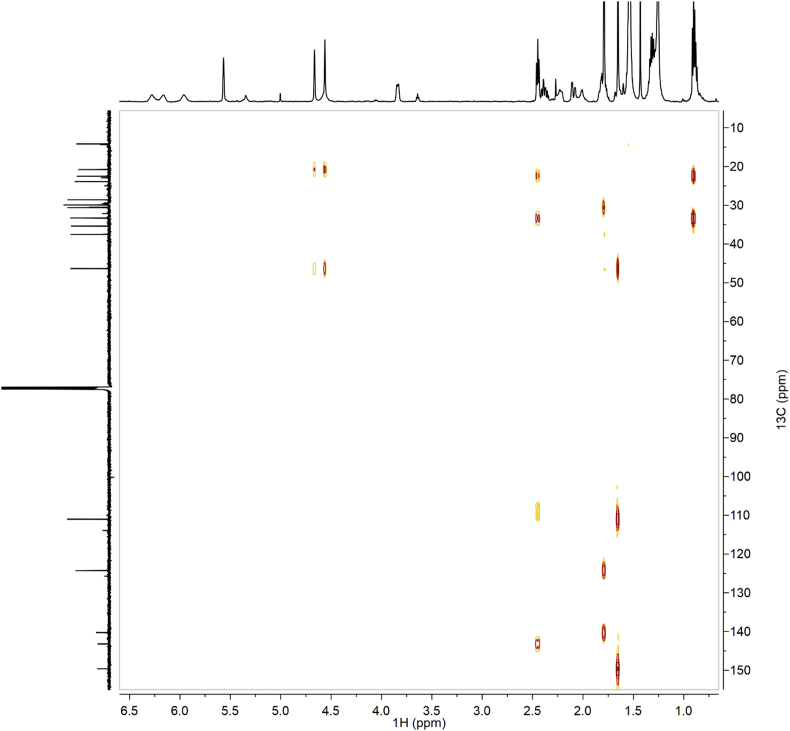
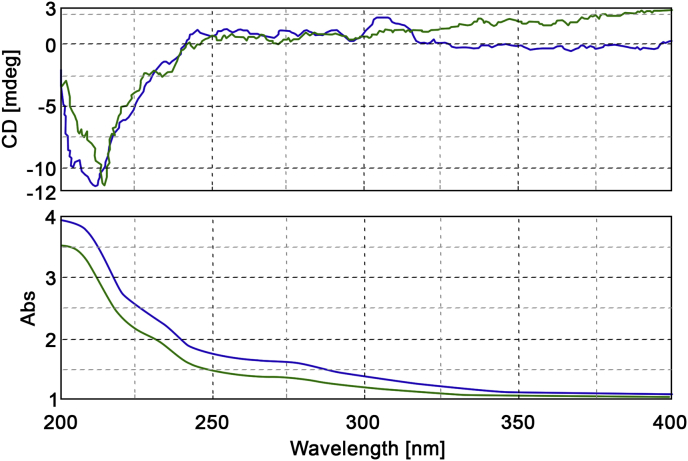
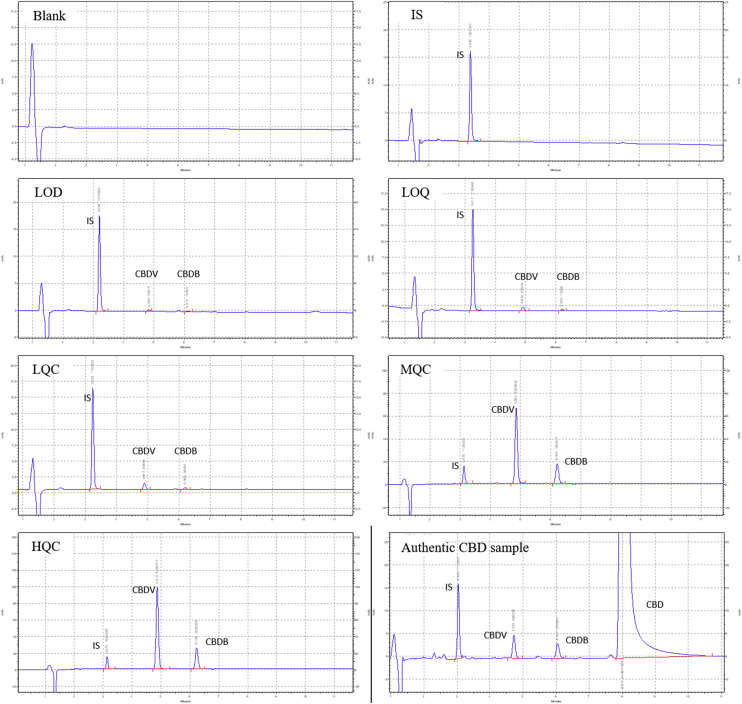
Cannabidibutol (CBDB), a novel butyl analog of cannabidiol, was identified as impurity of commercial cannabidiol (CBD) extracted from hemp (for full data and results interpretation see "Analysis of impurities of cannabidiol from hemp. Isolation, characterization and synthesis of cannabidibutol, the novel cannabidiol butyl analog" Citti et al, 2019). The compound was isolated from a CBD sample and subject to a full characterization. First, a complete spectroscopic characterization was performed by Nuclear Magnetic Resonance (NMR): in particular, 1H-NMR, 13C-NMR, COSY, HSQC and HMBC, which were followed by UV absorption and circular dichroism (CD) spectra. In order to confirm the structural identity and stereochemistry of the compound, a stereoselective synthesis of the trans isomer (1R,6R) was carried out and all the chemical and spectroscopic properties were analyzed. The synthesized compound was characterized by NMR (1H-NMR, 13C-NMR, COSY, HSQC and HMBC), Infra-Red spectroscopy (IR), UV and CD absorption, matching the results obtained for the natural isolated compound. With the analytical standard in hand, a simple high-performance liquid chromatography method coupled to UV detection (HPLC-UV) was developed and validated in house in terms of linearity, accuracy, precision, dilution integrity and stability. The present data might be useful to any researcher or industry that may run into a very common impurity of CBD extracted from hemp, so it can be easily compared with their own experimental data.
Keywords: Cannabidiol-C4; Chemical and spectroscopic characterization of cannabidibutol; Circular dichroism; HPLC-UV method validation; NMR spectra; UV absorption.
© 2019 The Author(s).
Figures
References
-
- Citti C., Linciano P., Forni F., Vandelli M.A., Gigli G., Laganà A., Cannazza G. Analysis of impurities of cannabidiol from hemp. Isolation, characterization and synthesis of cannabidibutol, the novel cannabidiol butyl analog. J. Pharm. Biomed. Anal. 2019;175:112752. doi: 10.1016/j.jpba.2019.06.049. - DOI - PubMed
LinkOut - more resources
Full Text Sources
Miscellaneous
