


Daily interpersonal tensions and well-being among older adults: The role of emotion regulation strategies
- PMID: 31670541
- PMCID: PMC7996125
- DOI: 10.1037/pag0000416
Daily interpersonal tensions and well-being among older adults: The role of emotion regulation strategies
Abstract
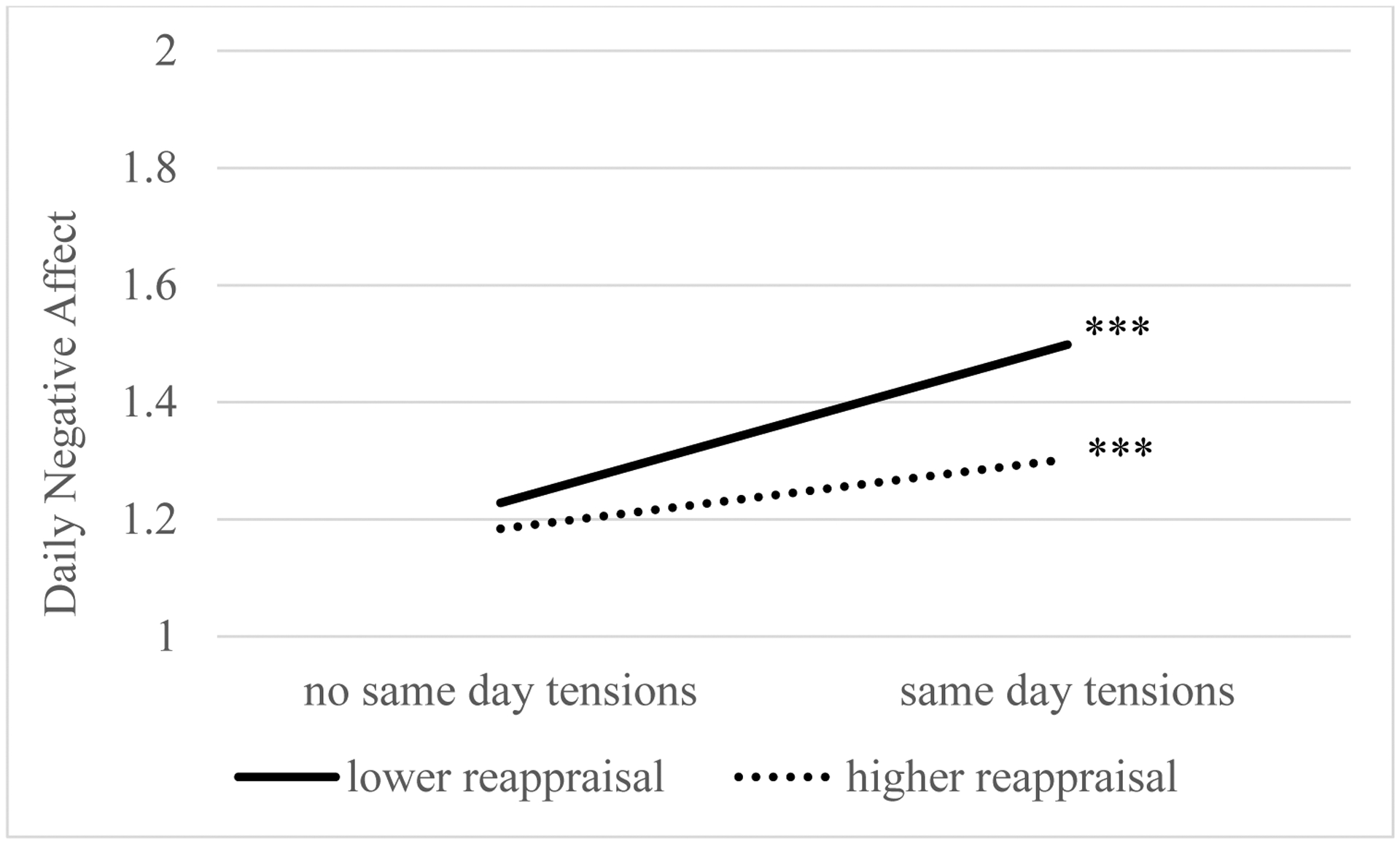
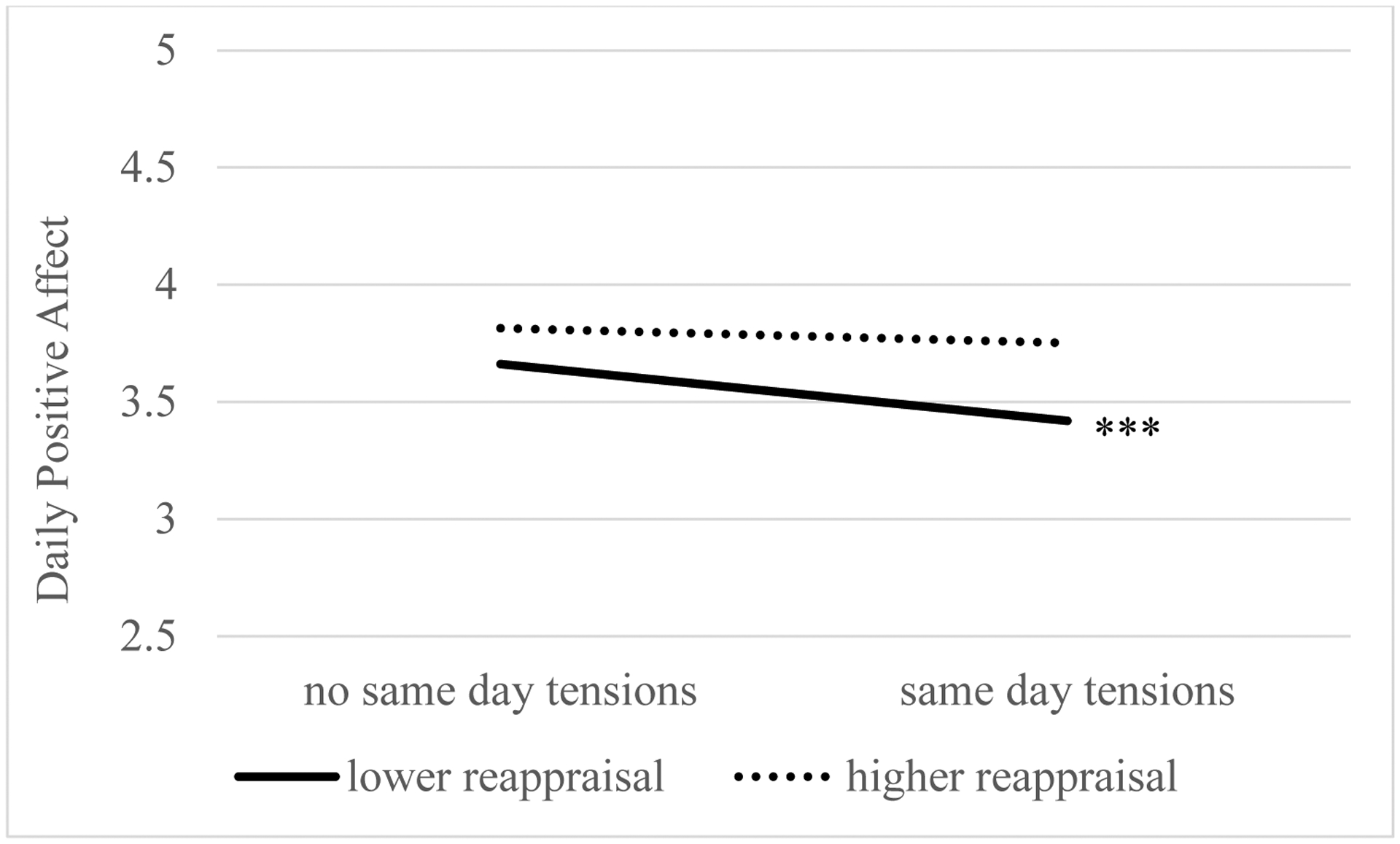
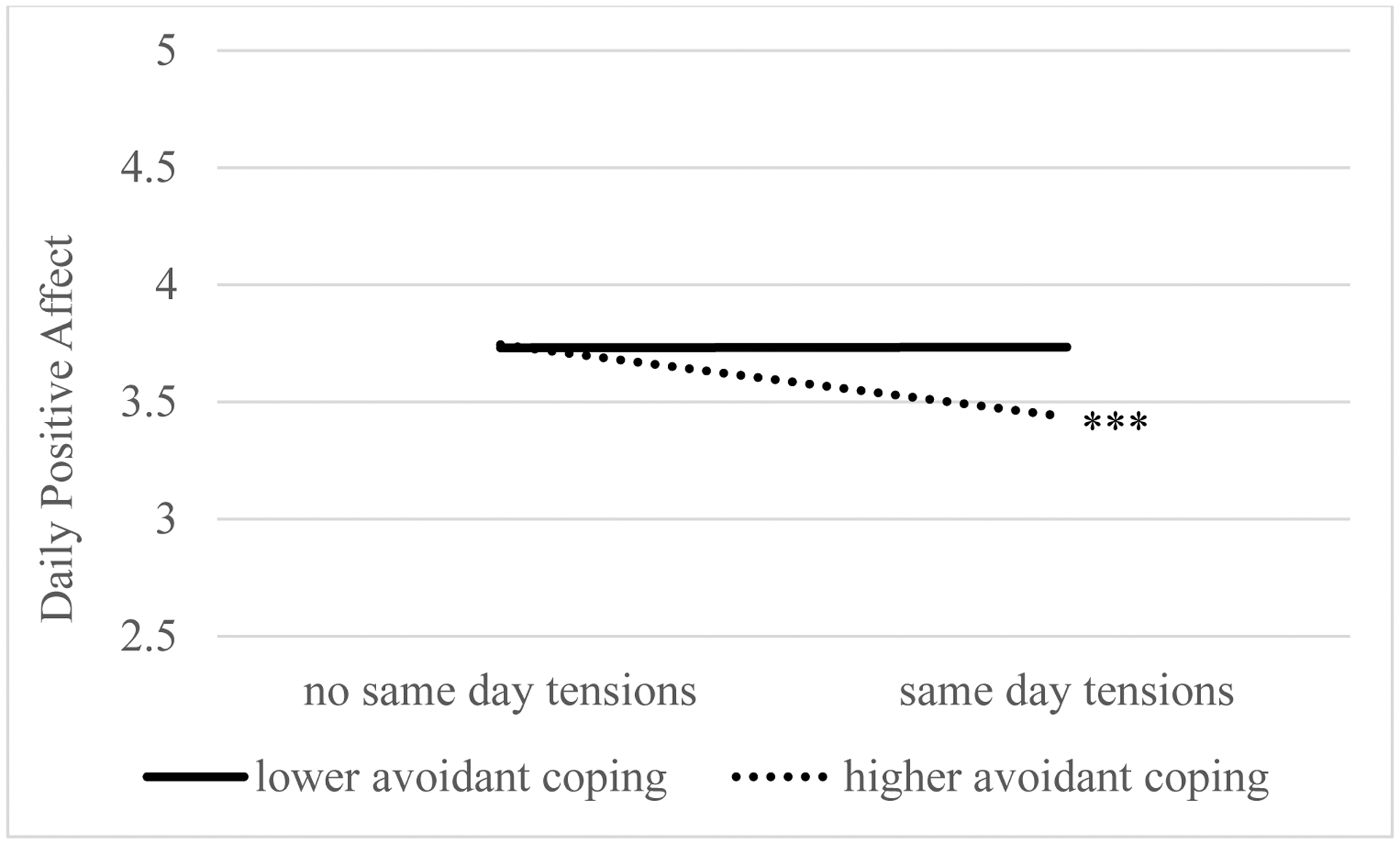
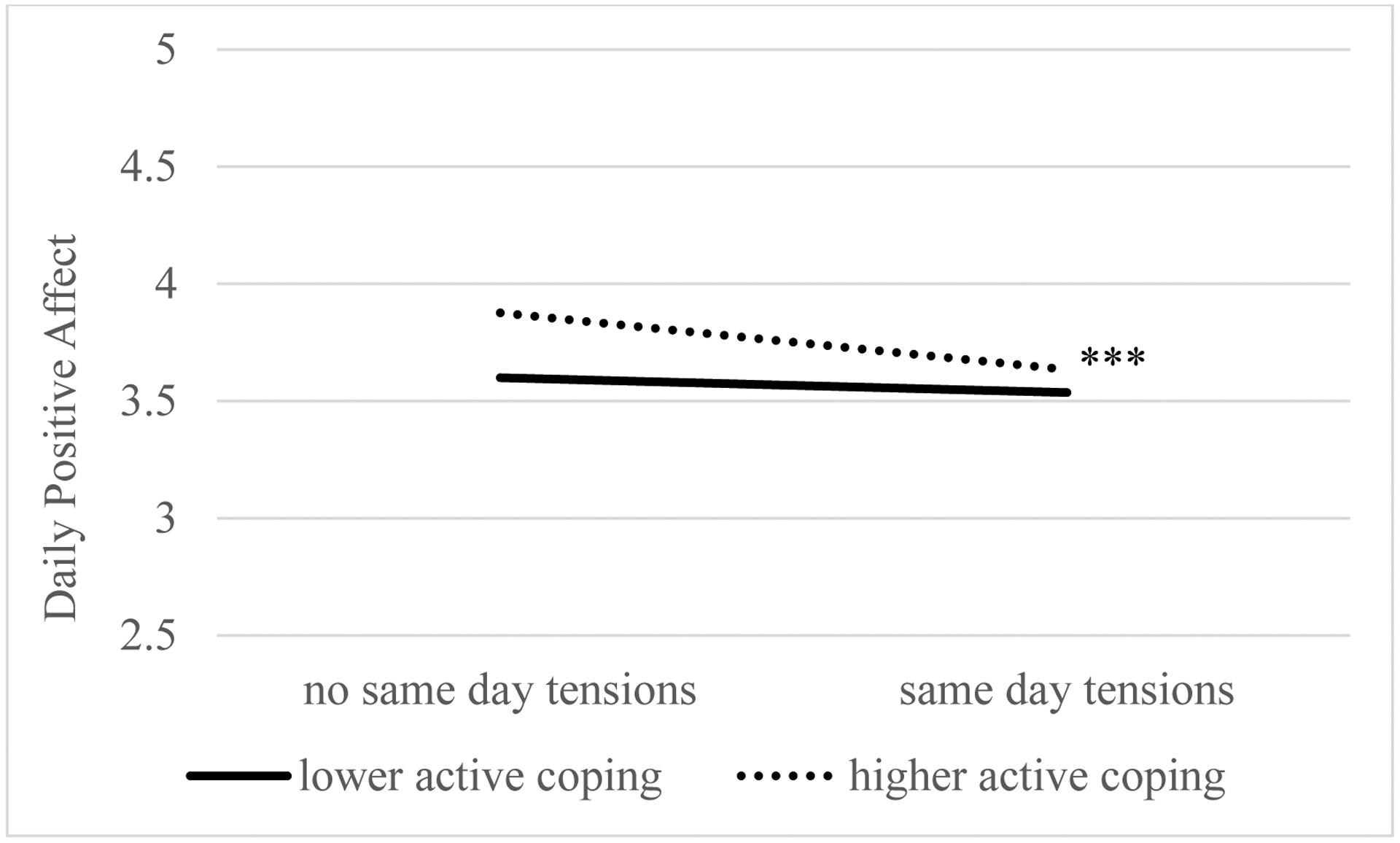
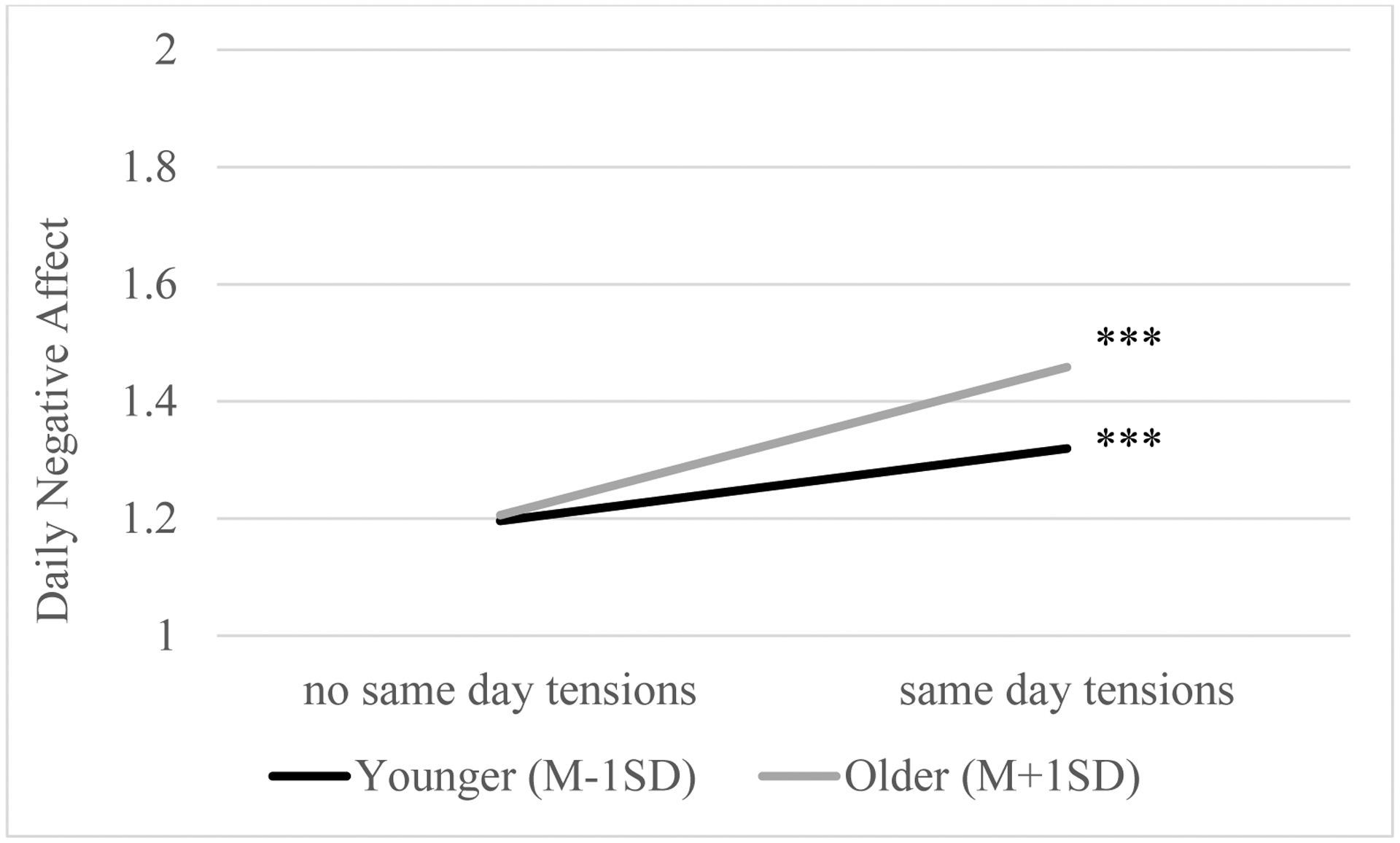
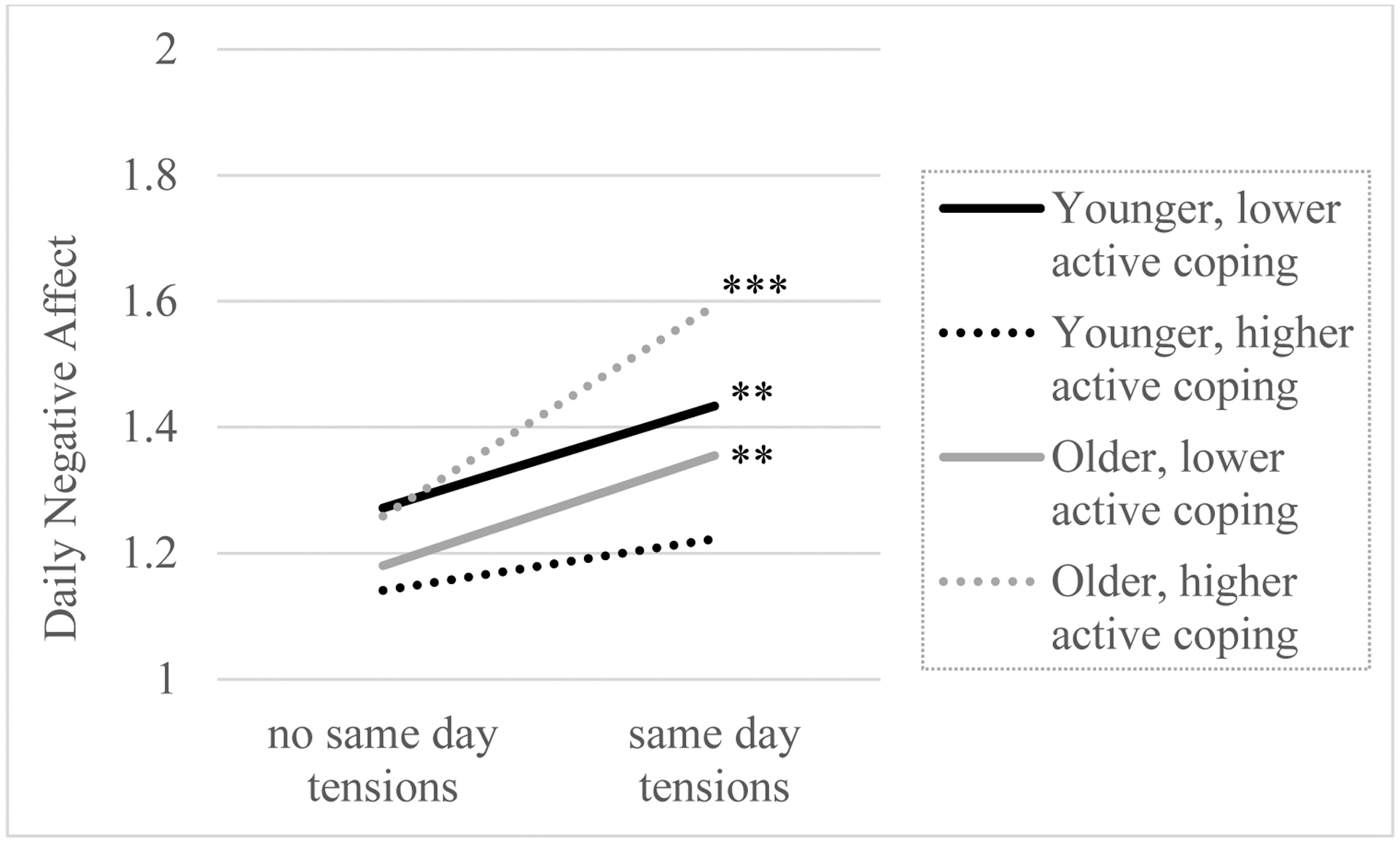
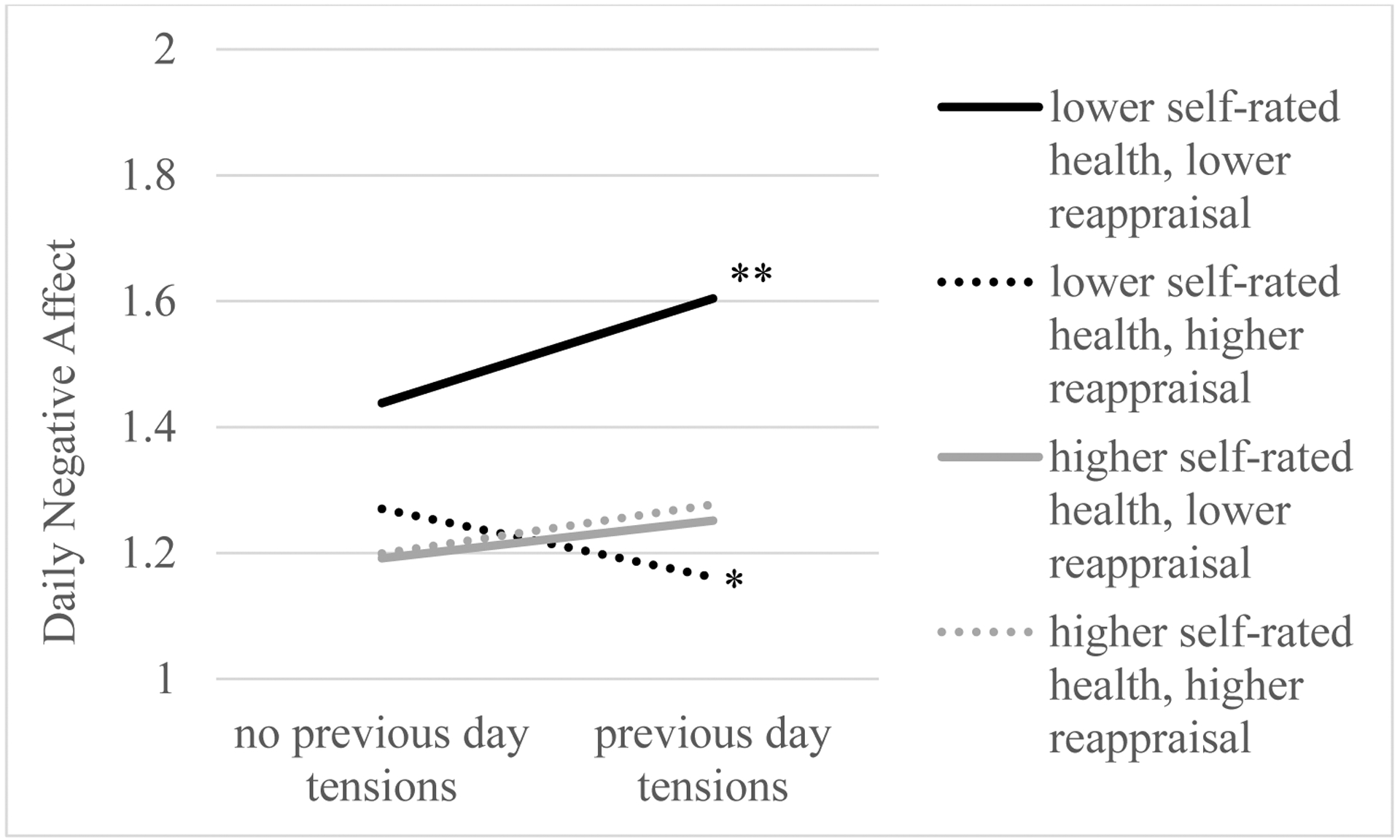
Interpersonal tensions are more strongly associated with well-being than other types of stressors in late life. Yet, there is little understanding of how older adults' preferences for different emotion regulation strategies may buffer or exacerbate effects of daily interpersonal tensions on emotional well-being. The present study examined links between interpersonal tensions and daily emotional well-being and whether those links were exacerbated or buffered by general emotion regulation strategy preferences. Participants were from the Daily Experiences and Well-Being Study, which included 293 older adults (aged 65 + years old) who completed baseline interviews, followed by 5-6 days of ecological momentary assessments, and a leave-behind questionnaire regarding emotion regulation strategies. Interpersonal tensions predicted poorer emotional well-being throughout the day and even more so for oldest-old individuals (aged 80 +) compared to young-old individuals. The effects of tensions on emotional well-being were attenuated among adults who generally preferred reappraisal and exacerbated among people who generally preferred avoidance. Reappraisal was particularly important for buffering the effects of tensions among individuals with poorer self-reported health. The findings regarding active coping were more nuanced and varied by age. The current study advances previous research on emotion regulation and social relations by examining older adults and revealing that links between interpersonal tensions, emotion regulation strategies, and emotional well-being vary on the basis of age and self-rated health. This study highlights the importance of considering how personal characteristics may shape later-life well-being in the context of coping with interpersonal tensions. (PsycInfo Database Record (c) 2020 APA, all rights reserved).
Figures


References
-
- Almeida DM (2005). Resilience and vulnerability to daily stressors assessed via diary methods. Current Directions in Psychological Science, 14(2), 64–68. doi: 10.1111/j.0963-7214.2005.00336.x - DOI
-
- Antonucci TC (1986). Hierarchical mapping technique. Generations: Journal of the American Society on Aging, 10, 10–12.
-
- Birditt KS, & Fingerman KL (2005). Do we get better at picking our battles? Age group differences in descriptions of behavioral reactions to interpersonal tensions. The Journals of Gerontology Series B: Psychological Sciences and Social Sciences, 60(3), 121–128. doi: 10.1093/geronb/60.3.P121 - DOI - PubMed
