Mesothelin Enhances Tumor Vascularity in Newly Forming Pancreatic Peritoneal Metastases
- PMID: 31676721
- PMCID: PMC8139242
- DOI: 10.1158/1541-7786.MCR-19-0688
Mesothelin Enhances Tumor Vascularity in Newly Forming Pancreatic Peritoneal Metastases
Abstract
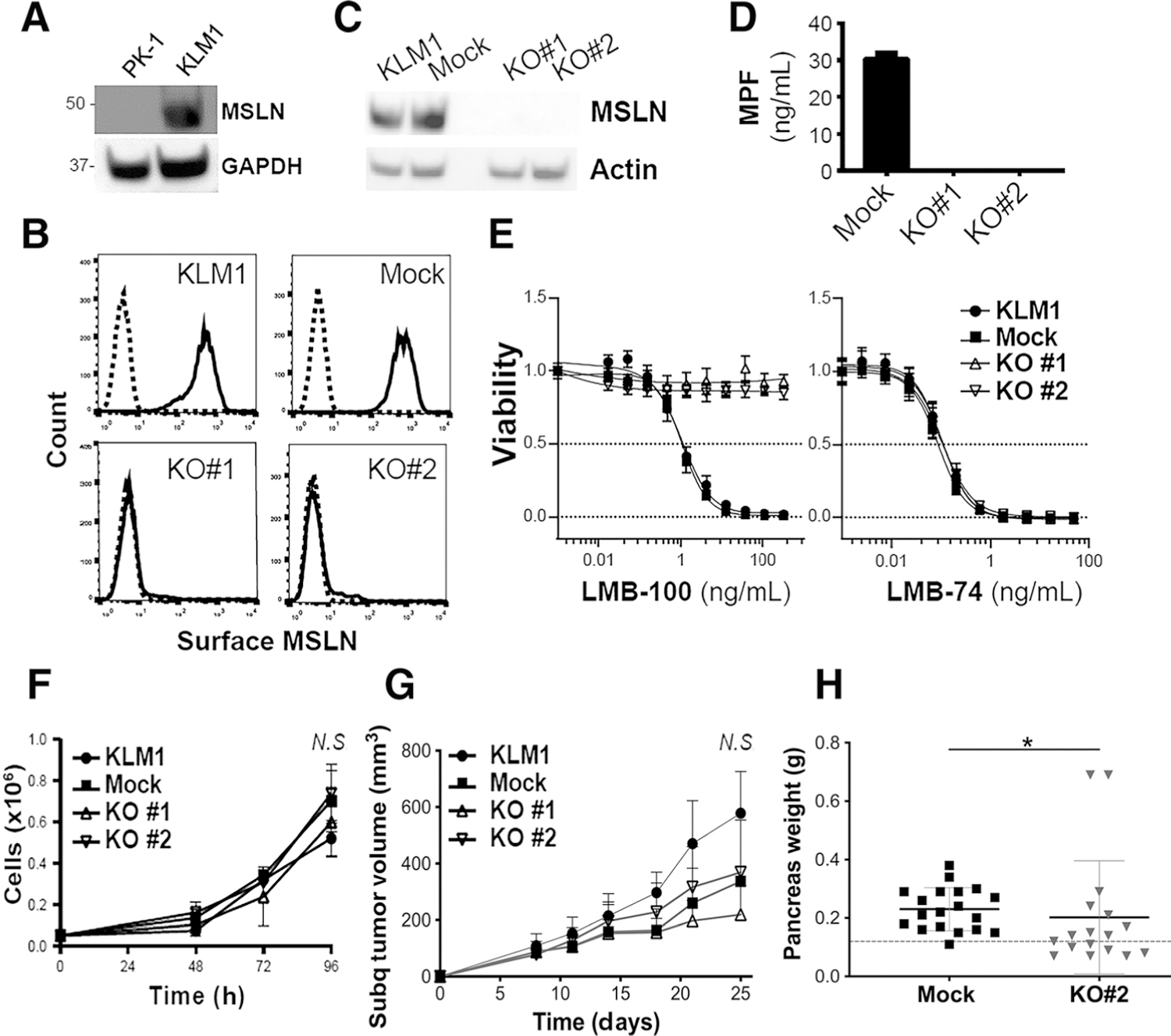
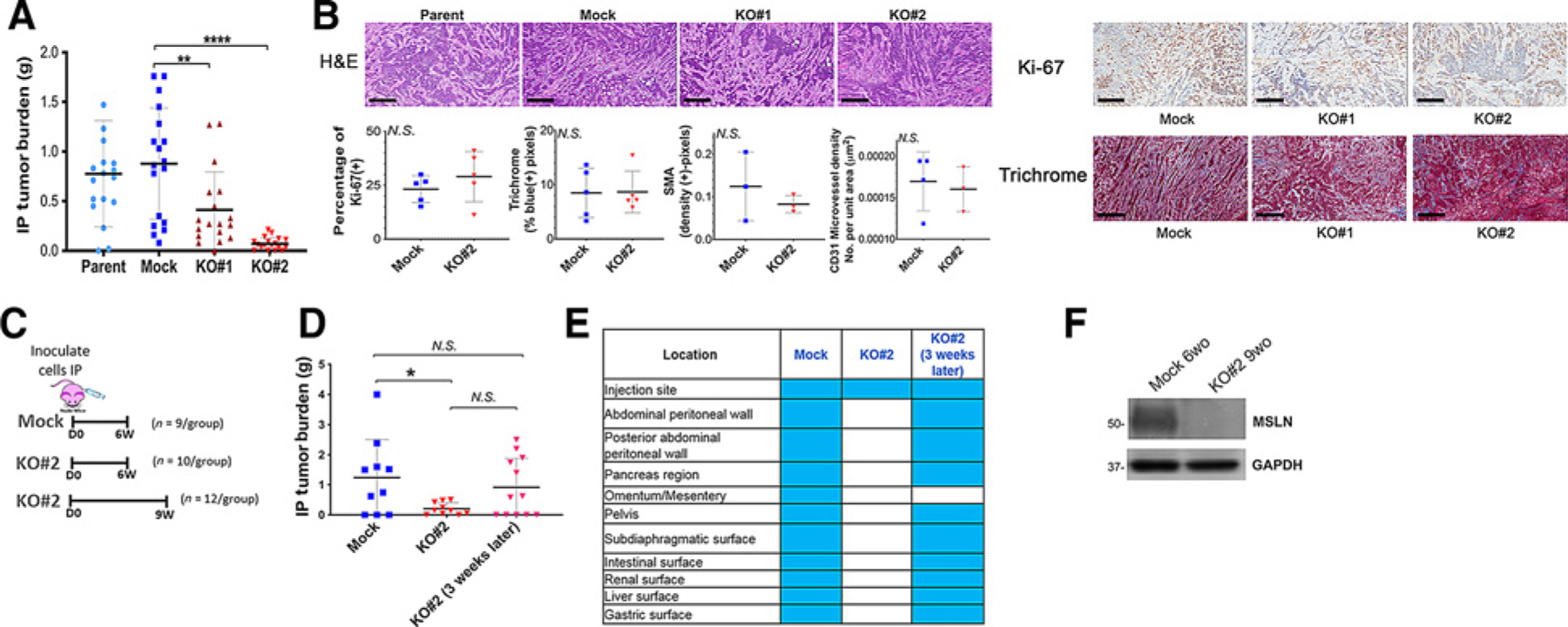
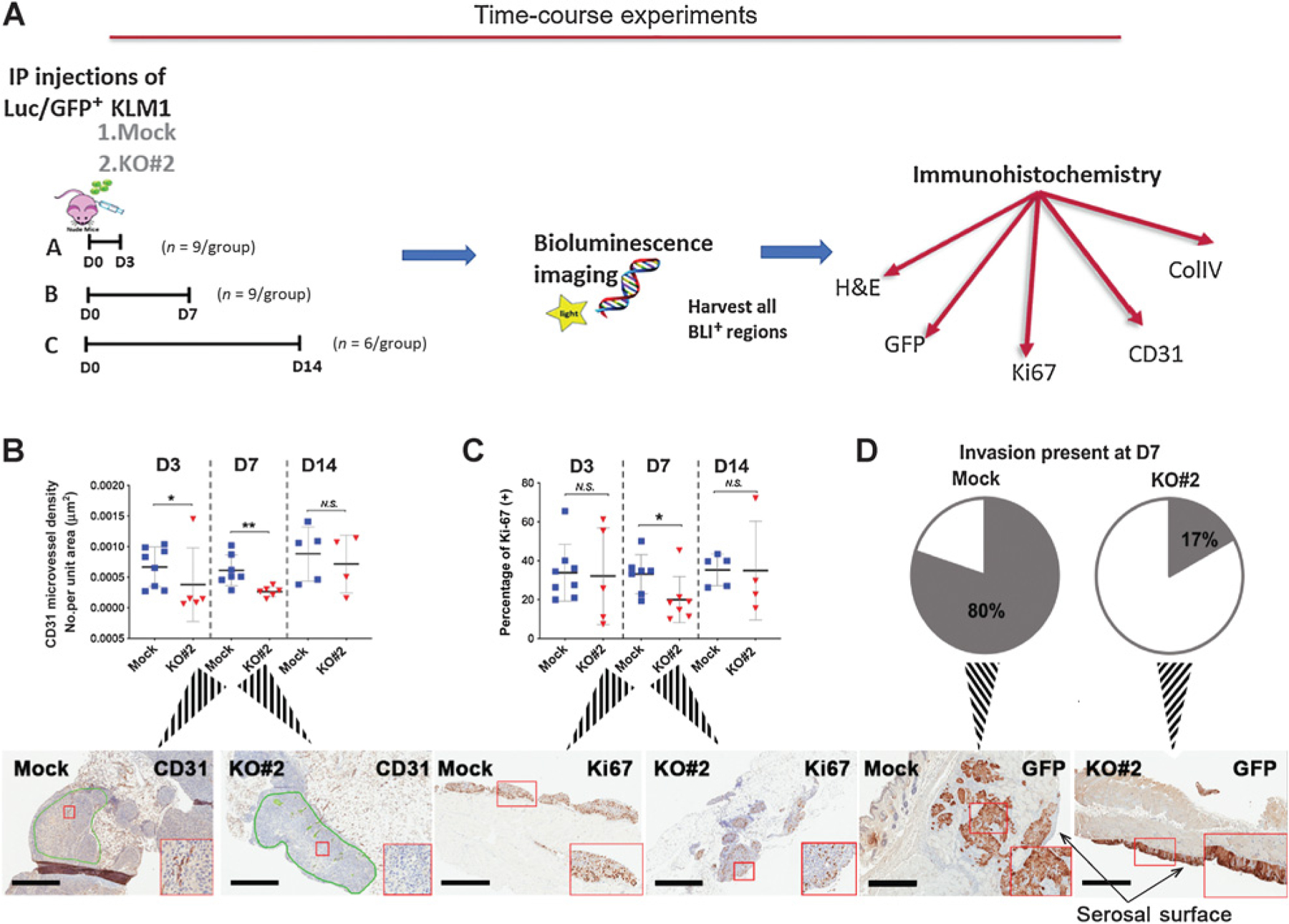
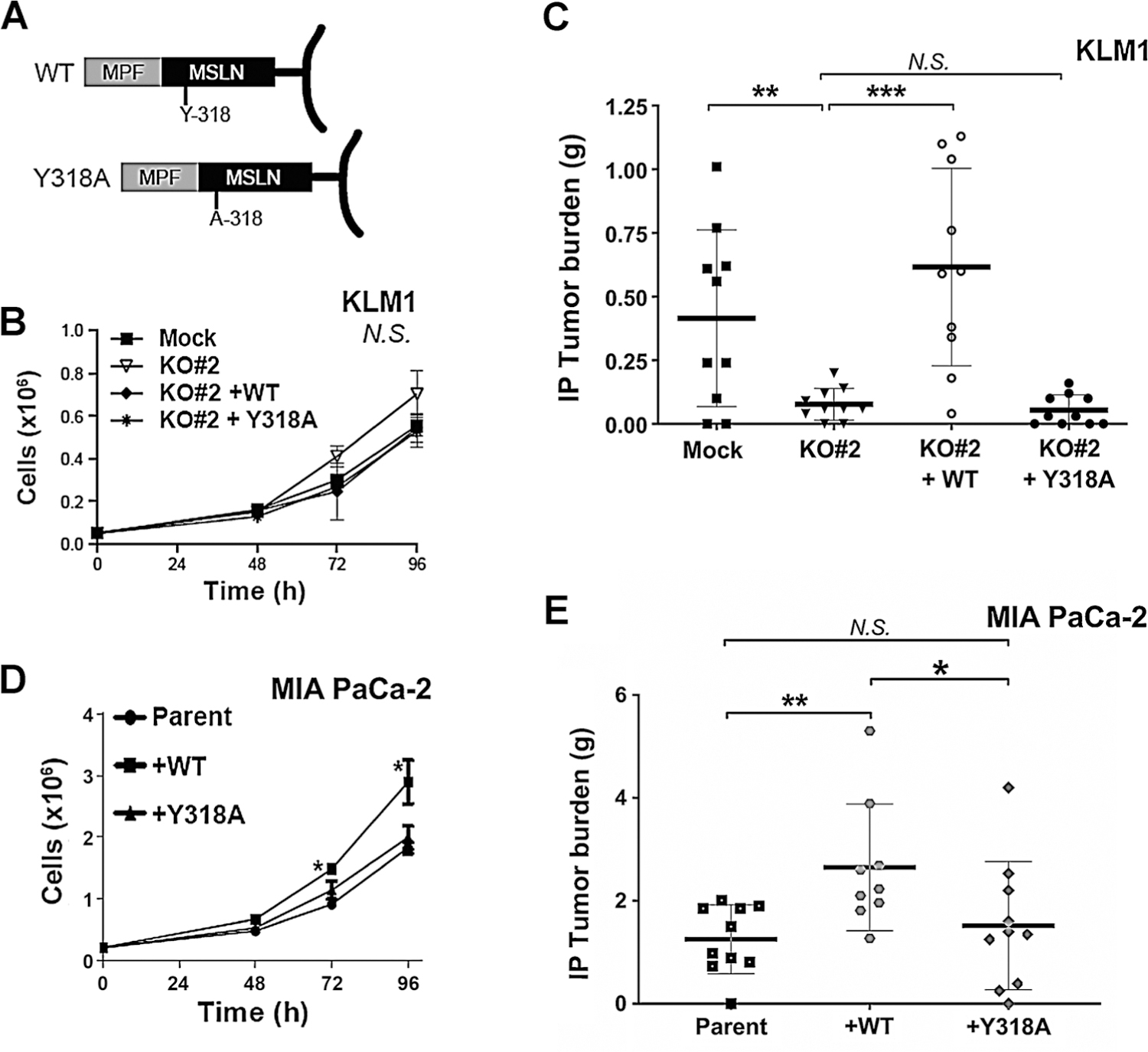
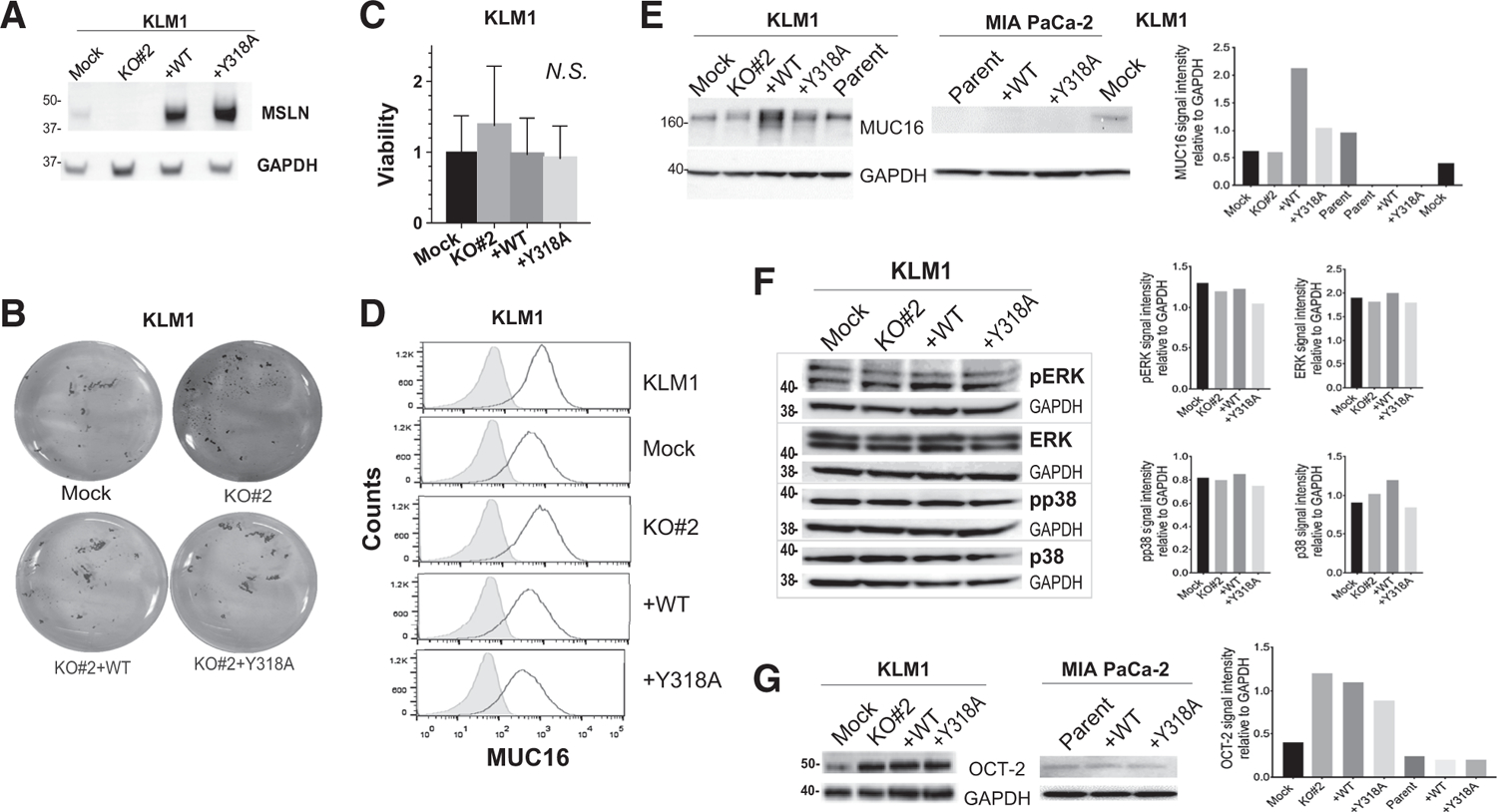
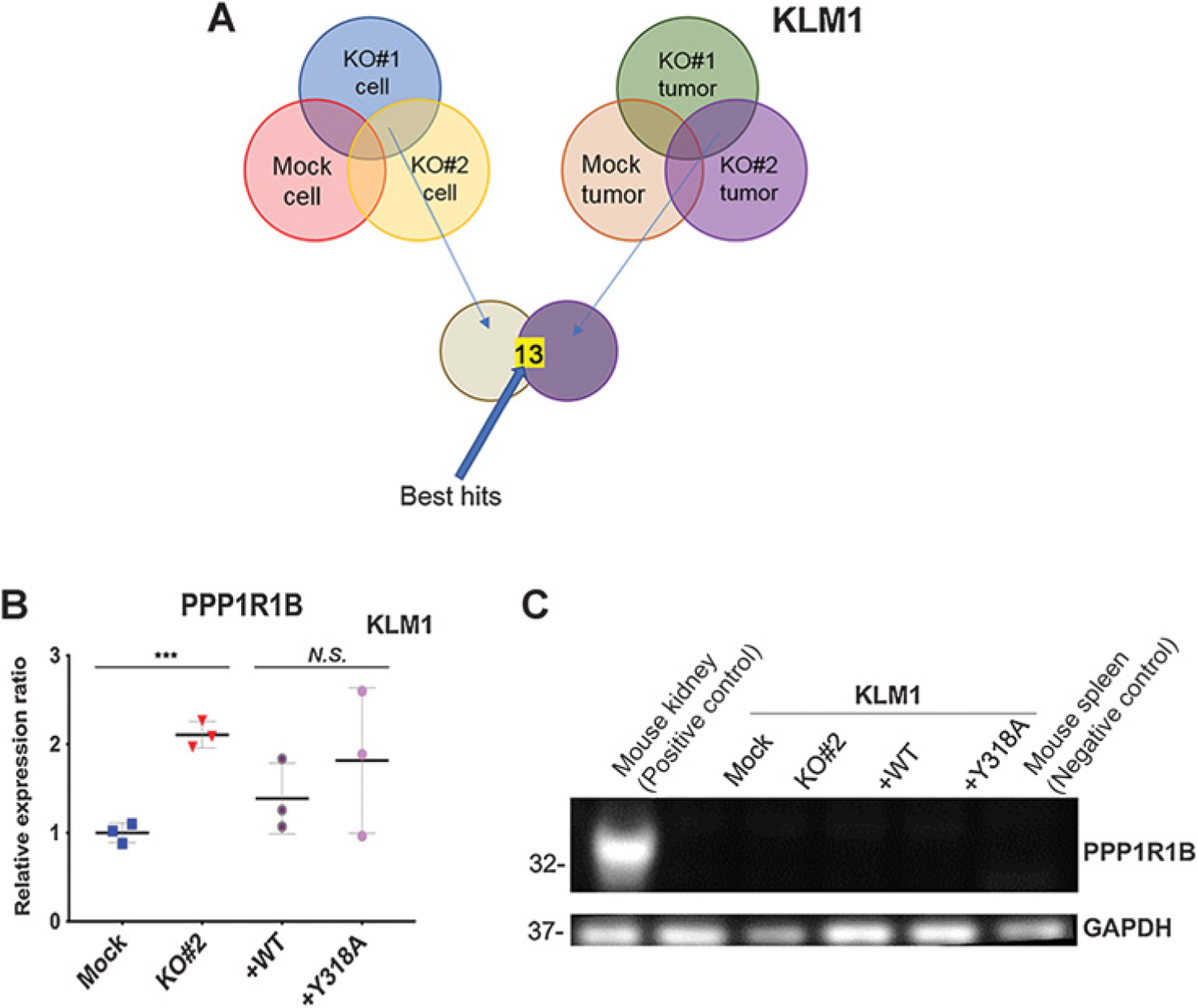
Over 90% of pancreatic ductal adenocarcinomas (PDAC) express mesothelin (MSLN). Overexpression or knockdown of MSLN has been implicated in PDAC aggressiveness. This activity has been ascribed to MSLN-induced activation of MAPK or NF-κB signaling pathways and to interaction of MSLN with its only known binding partner, MUC16. Here, we used CRISPR/Cas9 gene editing to delete MSLN from PDAC, then restored expression of wild-type (WT) or Y318A mutant MSLN by viral transduction. We found that MSLN KO cells grew in culture and as subcutaneous tumors in mouse xenografts at the same rate as WT cells but formed intraperitoneal metastases poorly. Complementation with WT MSLN restored intraperitoneal growth, whereas complementation with Y318A mutant MSLN, which does not bind MUC16, was ineffective at enhancing growth in both MUC16(+) and MUC16(-) models. Restoration of WT MSLN did enhance growth but did not affect cell-to-cell binding, cell viability in suspension or signaling pathways previously identified as contributing to the protumorigenic effect of MSLN. RNA deep sequencing of tumor cells identified no changes in transcriptional profile that could explain the observed phenotype. Furthermore, no histologic changes in tumor cell proliferation or morphology were observed in mature tumors. Examination of nascent MSLN KO tumors revealed decreased microvascular density as intraperitoneal tumors were forming, followed by decreased proliferation, which resolved by 2 weeks postimplantation. These data support a model whereby MSLN expression by tumor cells contributes to metastatic colonization. IMPLICATIONS: MSLN confers a growth advantage to tumor cells during colonization of peritoneal metastasis. Therapeutic blockade of MSLN might limit peritoneal spread.
©2019 American Association for Cancer Research.
Conflict of interest statement
Disclosure of Potential Conflicts of Interest
No potential conflicts of interest were disclosed.
Figures
References
-
- Argani P, Iacobuzio-Donahue C, Ryu B, Rosty C, Goggins M, Wilentz RE, et al. Mesothelin is overexpressed in the vast majority of ductal adenocarcinomas of the pancreas: identification of a new pancreatic cancer marker by serial analysis of gene expression (SAGE). Clin Cancer Res 2001;7:3862–8. - PubMed
-
- Hassan R, Laszik ZG, Lerner M, Raffeld M, Postier R, Brackett D. Mesothelin is overexpressed in pancreaticobiliary adenocarcinomas but not in normal pancreas and chronic pancreatitis. Am J Clin Pathol 2005;124:838–45. - PubMed
-
- Scales SJ, Gupta N, Pacheco G, Firestein R, French DM, Koeppen H, et al. An antimesothelin-monomethyl auristatin e conjugate with potent antitumor activity in ovarian, pancreatic, and mesothelioma models. Mol Cancer Ther 2014;13: 2630–40. - PubMed
Publication types
MeSH terms
Substances
Grants and funding
LinkOut - more resources
Full Text Sources
Medical
Research Materials
Miscellaneous