


Efficacy of a Yeast Cell Wall Extract to Mitigate the Effect of Naturally Co-Occurring Mycotoxins Contaminating Feed Ingredients Fed to Young Pigs: Impact on Gut Health, Microbiome, and Growth
- PMID: 31683617
- PMCID: PMC6891535
- DOI: 10.3390/toxins11110633
Efficacy of a Yeast Cell Wall Extract to Mitigate the Effect of Naturally Co-Occurring Mycotoxins Contaminating Feed Ingredients Fed to Young Pigs: Impact on Gut Health, Microbiome, and Growth
Abstract
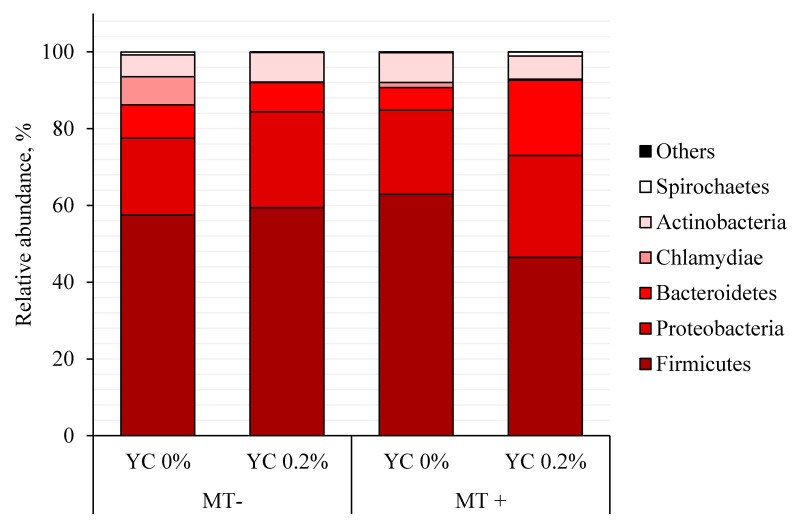
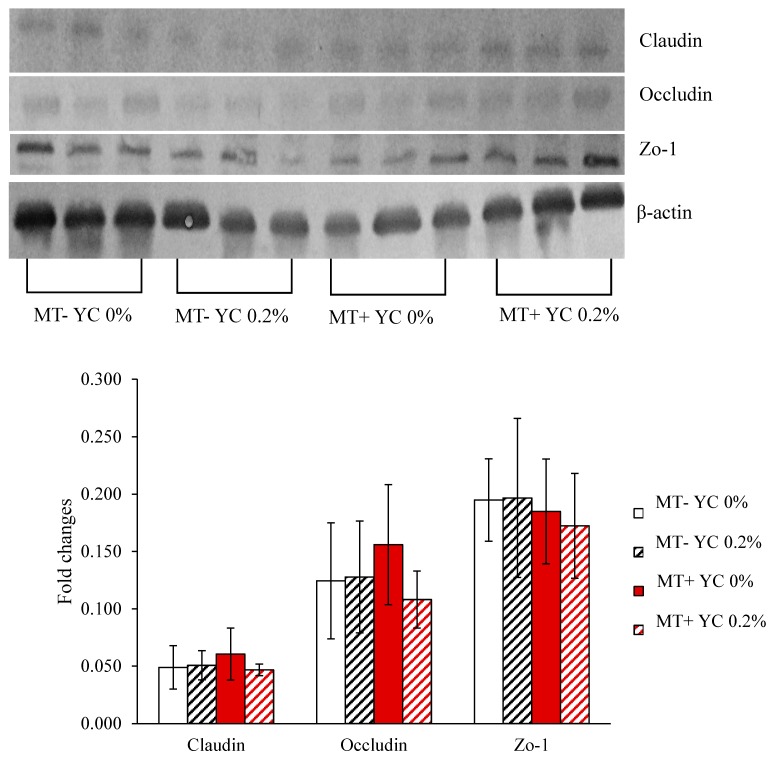
Mycotoxins are produced by fungi and are potentially toxic to pigs. Yeast cell wall extract (YCWE) is known to adsorb mycotoxins and improve gut health in pigs. One hundred and twenty growing (56 kg; experiment 1) and 48 nursery piglets (6 kg; experiment 2) were assigned to four dietary treatments in a 2 × 2 factorial design for 35 and 48 days, respectively. Factors were mycotoxins (no addition versus experiment 1: 180 μg/kg aflatoxins and 14 mg/kg fumonisins; or experiment 2: 180 μg/kg aflatoxins and 9 mg/kg fumonisins, and 1 mg/kg deoxynivalenol) and YCWE (0% versus 0.2%). Growth performance, blood, gut health and microbiome, and apparent ileal digestibility (AID) data were evaluated. In experiment 1, mycotoxins reduced ADG and G:F, and duodenal IgG, whereas in jejunum, YCWE increased IgG and reduced villus width. In experiment 2, mycotoxins reduced BW, ADG, and ADFI. Mycotoxins reduced ADG, which was recovered by YCWE. Mycotoxins reduced the AID of nutrients evaluated and increased protein carbonyl, whereas mycotoxins and YCWE increased the AID of the nutrients and reduced protein carbonyl. Mycotoxins reduced villus height, proportion of Ki-67-positive cells, and increased IgA and the proportion of bacteria with mycotoxin-degrading ability, whereas YCWE tended to increase villus height and reduced IgA and the proportion of pathogenic bacteria in jejunum. The YCWE effects were more evident in promoting gut health and growth in nursery pigs, which showed higher susceptibility to mycotoxin effects.
Keywords: mycotoxin; prevention; reduction strategies.
Conflict of interest statement
The authors declare no conflict of interest.
Figures
References
-
- Jouany J.P. Methods for preventing, decontaminating and minimizing the toxicity of mycotoxins in feeds. Anim. Feed Sci. Technol. 2007;137:342–362. doi: 10.1016/j.anifeedsci.2007.06.009. - DOI
Publication types
MeSH terms
Substances
LinkOut - more resources
Full Text Sources
Miscellaneous
