


Short halt in vaping modifies cardiorespiratory parameters and urine metabolome: a randomized trial
- PMID: 31721596
- PMCID: PMC7052663
- DOI: 10.1152/ajplung.00268.2019
Short halt in vaping modifies cardiorespiratory parameters and urine metabolome: a randomized trial
Abstract
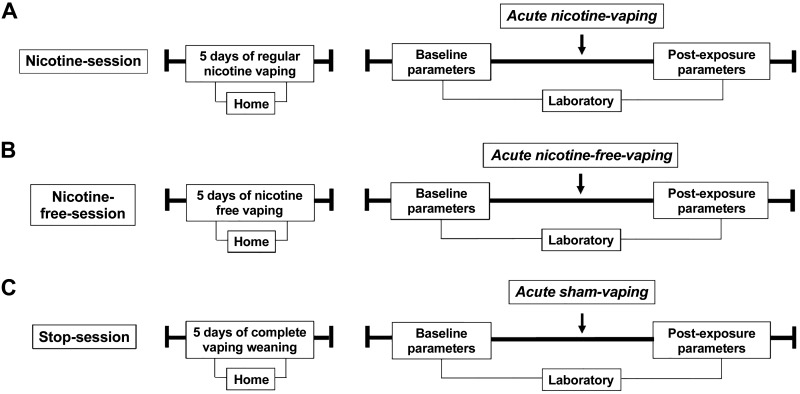
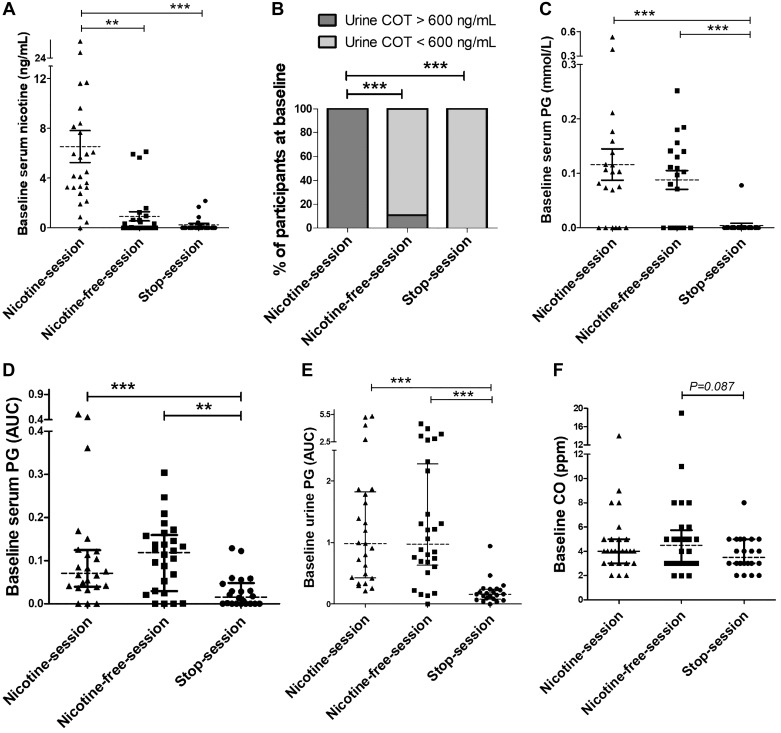
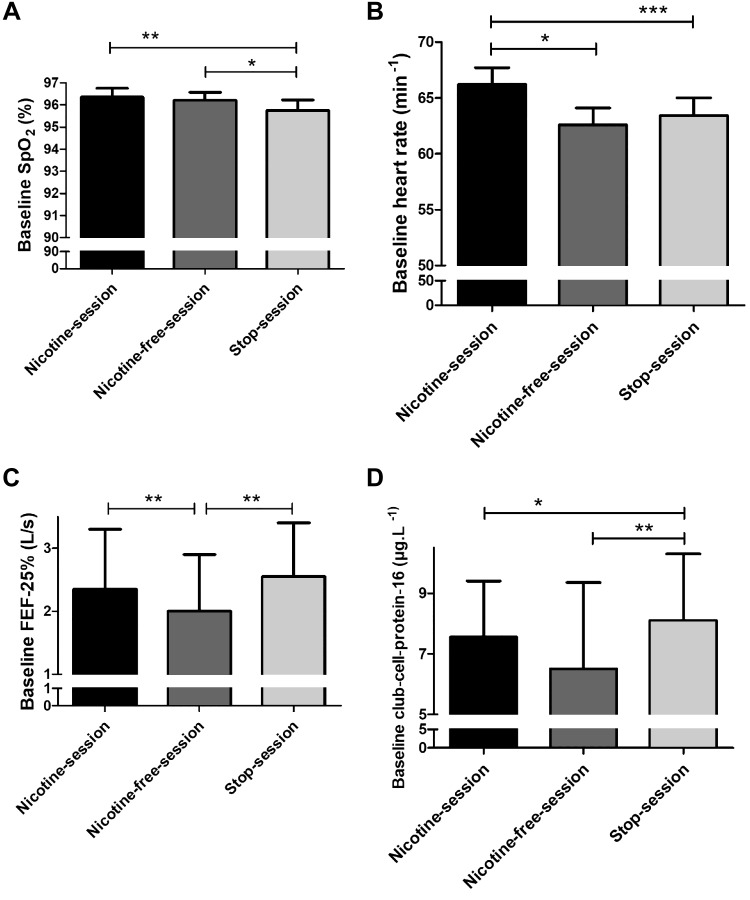
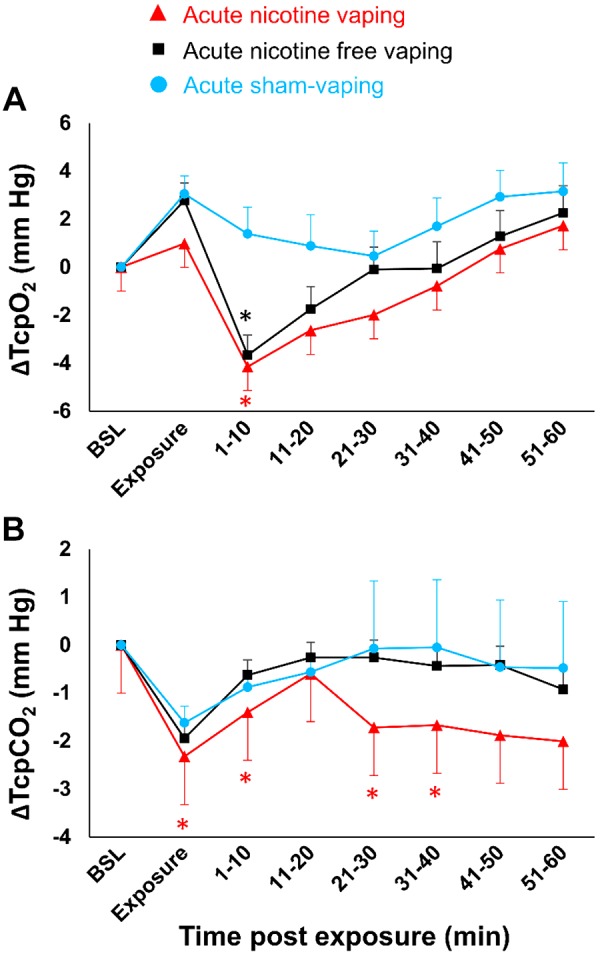
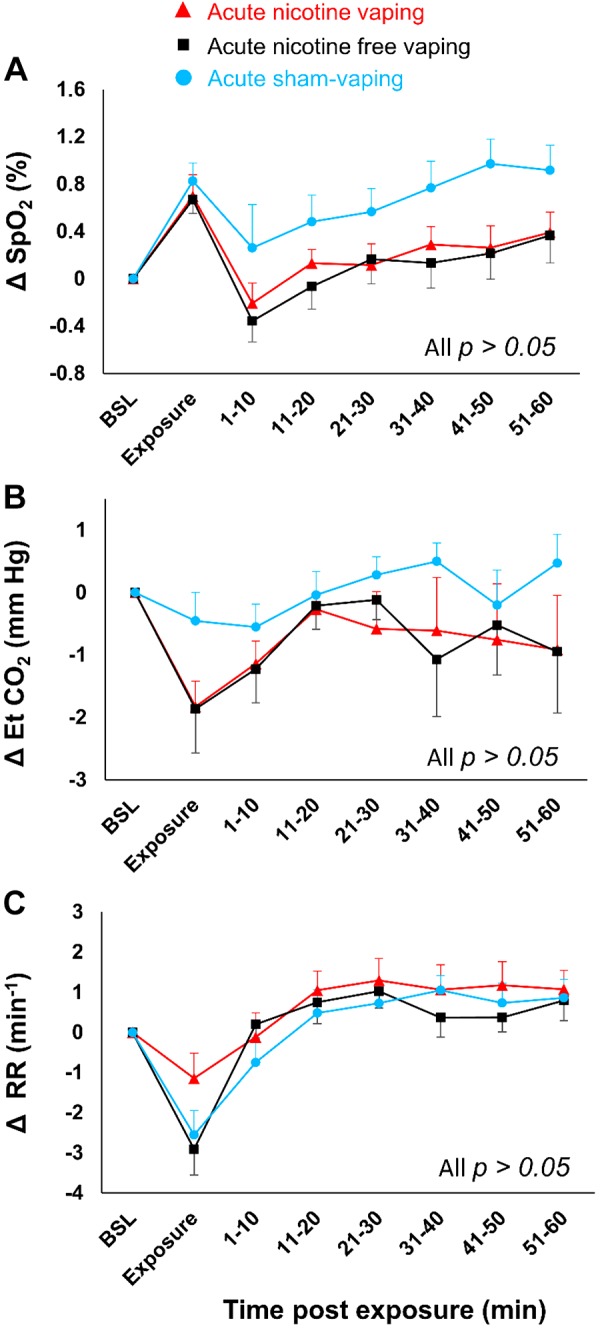
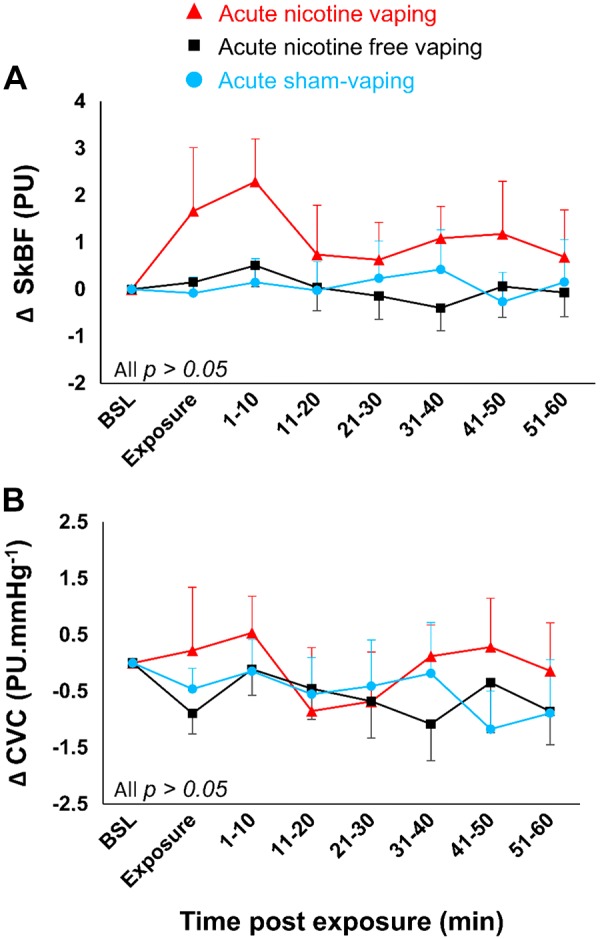
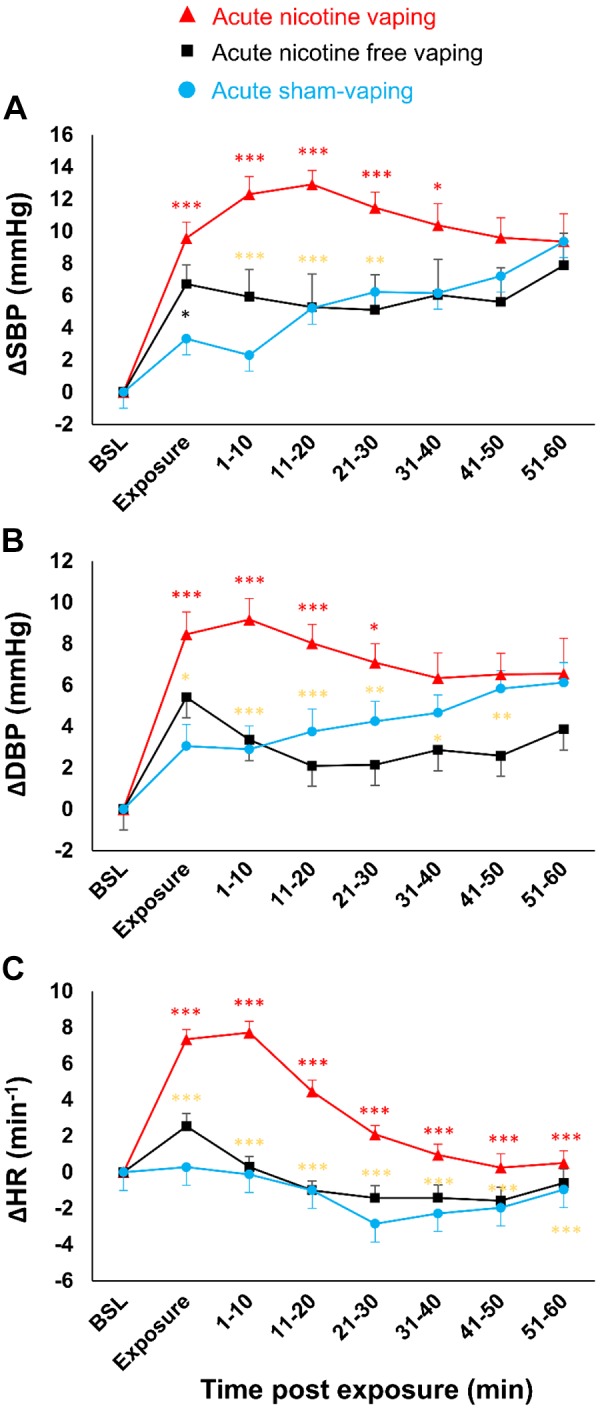
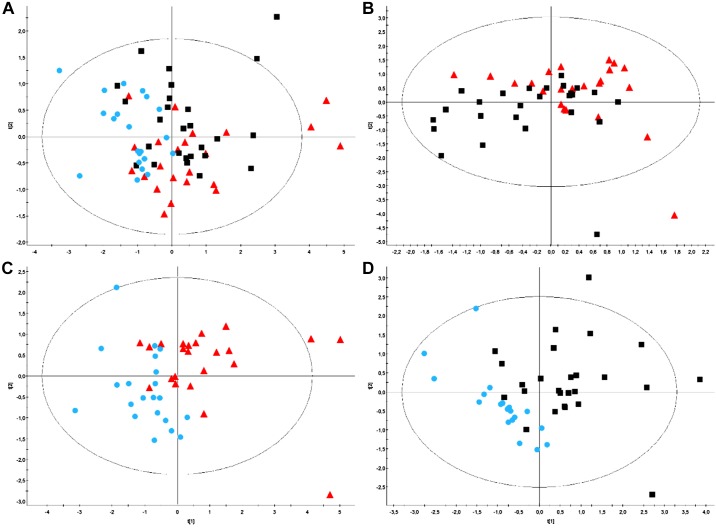
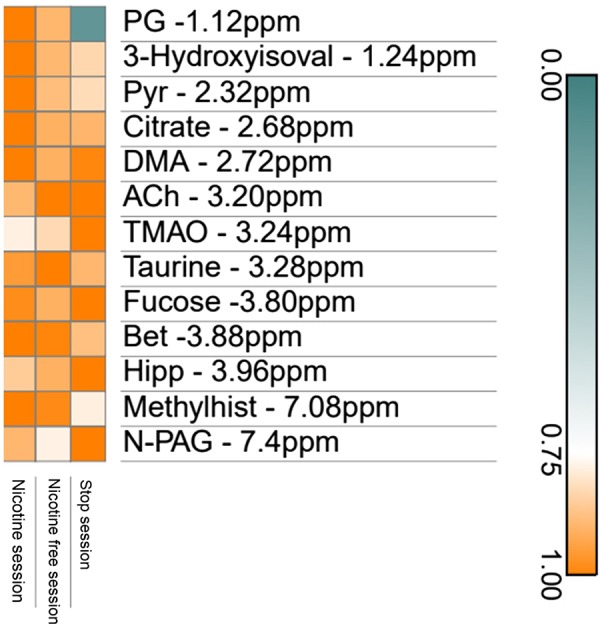
Propylene glycol and glycerol are e-cigarette constituents that facilitate liquid vaporization and nicotine transport. As these small hydrophilic molecules quickly cross the lung epithelium, we hypothesized that short-term cessation of vaping in regular users would completely clear aerosol deposit from the lungs and reverse vaping-induced cardiorespiratory toxicity. We aimed to assess the acute effects of vaping and their reversibility on biological/clinical cardiorespiratory parameters [serum/urine pneumoproteins, hemodynamic parameters, lung-function test and diffusing capacities, transcutaneous gas tensions (primary outcome), and skin microcirculatory blood flow]. Regular e-cigarette users were enrolled in this randomized, investigator-blinded, three-period crossover study. The periods consisted of nicotine-vaping (nicotine-session), nicotine-free vaping (nicotine-free-session), and complete cessation of vaping (stop-session), all maintained for 5 days before the session began. Multiparametric metabolomic analyses were used to verify subjects' protocol compliance. Biological/clinical cardiorespiratory parameters were assessed at the beginning of each session (baseline) and after acute vaping exposure. Compared with the nicotine- and nicotine-free-sessions, a specific metabolomic signature characterized the stop-session. Baseline serum club cell protein-16 was higher during the stop-session than the other sessions (P < 0.01), and heart rate was higher in the nicotine-session (P < 0.001). Compared with acute sham-vaping in the stop-session, acute nicotine-vaping (nicotine-session) and acute nicotine-free vaping (nicotine-free-session) slightly decreased skin oxygen tension (P < 0.05). In regular e-cigarette-users, short-term vaping cessation seemed to shift baseline urine metabolome and increased serum club cell protein-16 concentration, suggesting a decrease in lung inflammation. Additionally, acute vaping with and without nicotine decreased slightly transcutaneous oxygen tension, likely as a result of lung gas exchanges disturbances.
Keywords: electronic nicotine delivery systems; metabolomics; nicotine; pneumoproteins; transcutaneous oxygen tension.
Conflict of interest statement
No conflicts of interest, financial or otherwise, are declared by the authors.
Figures
References
-
- Miller MR, Hankinson J, Brusasco V, Burgos F, Casaburi R, Coates A, Crapo R, Enright P, van der Grinten CP, Gustafsson P, Jensen R, Johnson DC, MacIntyre N, McKay R, Navajas D, Pedersen OF, Pellegrino R, Viegi G, Wanger J; ATS/ERS Task Force . Standardisation of spirometry. Eur Respir J 26: 319–338, 2005. doi: 10.1183/09031936.05.00034805. - DOI - PubMed
-
- Benowitz NL, Hukkanen J, Jacob P III. Nicotine chemistry, metabolism, kinetics and biomarkers. In: Nicotine Psychopharmacology. Handbook of Experimental Pharmacology, edited by Henningfield JE, London ED, Pogun S. Berlin: Springer, 2009, vol. 192, p. 29–60. doi: 10.1007/978-3-540-69248-5_2. - DOI - PMC - PubMed
-
- Bracci M, Ciarapica V, Copertaro A, Barbaresi M, Manzella N, Tomasetti M, Gaetani S, Monaco F, Amati M, Valentino M, Rapisarda V, Santarelli L. Peripheral skin temperature and circadian biological clock in shift nurses after a day off. Int J Mol Sci 17: 623, 2016. doi: 10.3390/ijms17050623. - DOI - PMC - PubMed
Publication types
MeSH terms
Substances
LinkOut - more resources
Full Text Sources
Medical
