


Exploration of muscle loss and metabolic state during prolonged critical illness: Implications for intervention?
- PMID: 31725748
- PMCID: PMC6855435
- DOI: 10.1371/journal.pone.0224565
Exploration of muscle loss and metabolic state during prolonged critical illness: Implications for intervention?
Abstract
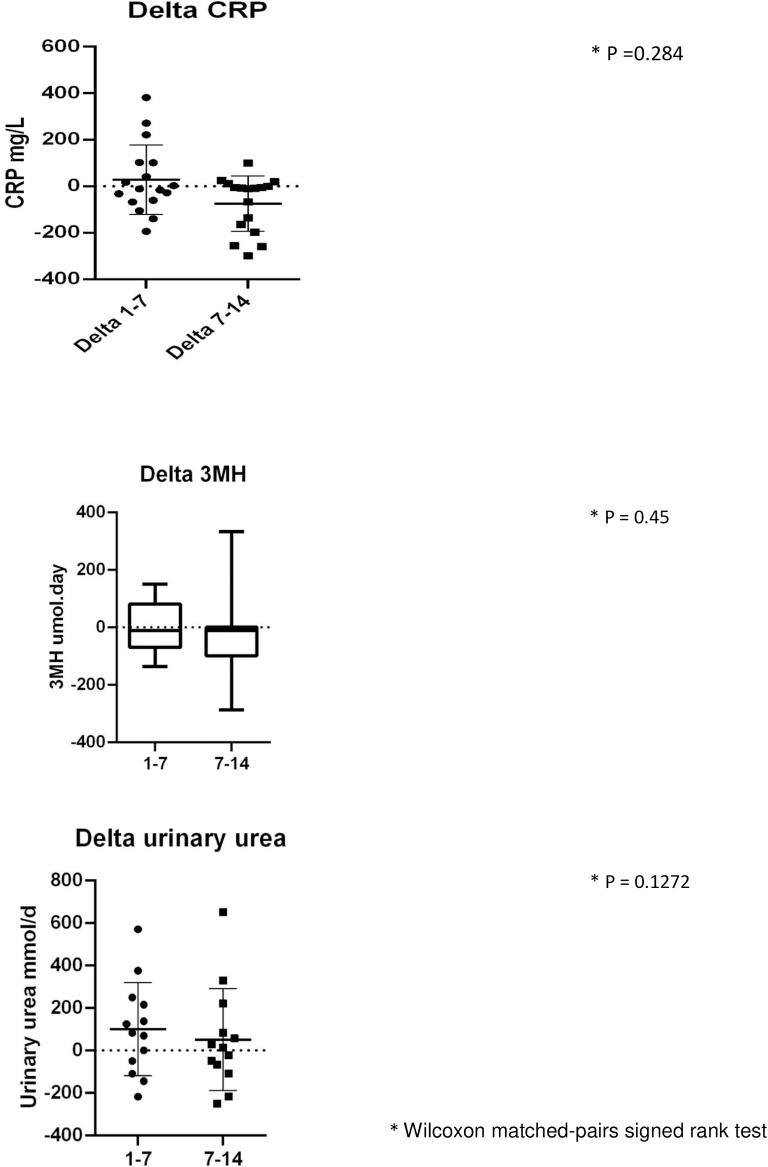
Background: Muscle wasting in the critically ill is up to 2% per day and delays patient recovery and rehabilitation. It is linked to inflammation, organ failure and severity of illness. The aims of this study were to understand the relationship between muscle depth loss, and nutritional and inflammatory markers during prolonged critical illness. Secondly, to identify when during critical illness catabolism might decrease, such that targeted nutritional strategies may logically be initiated.
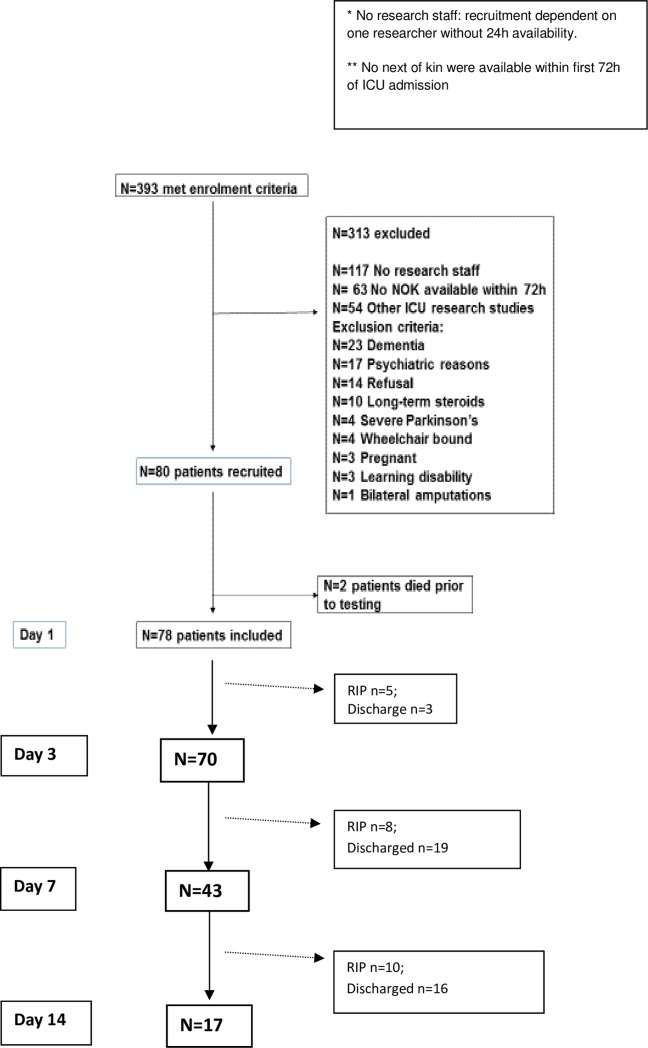
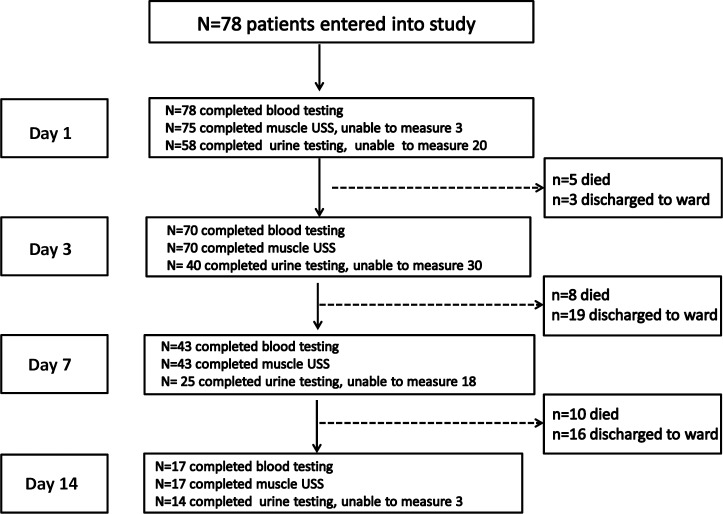
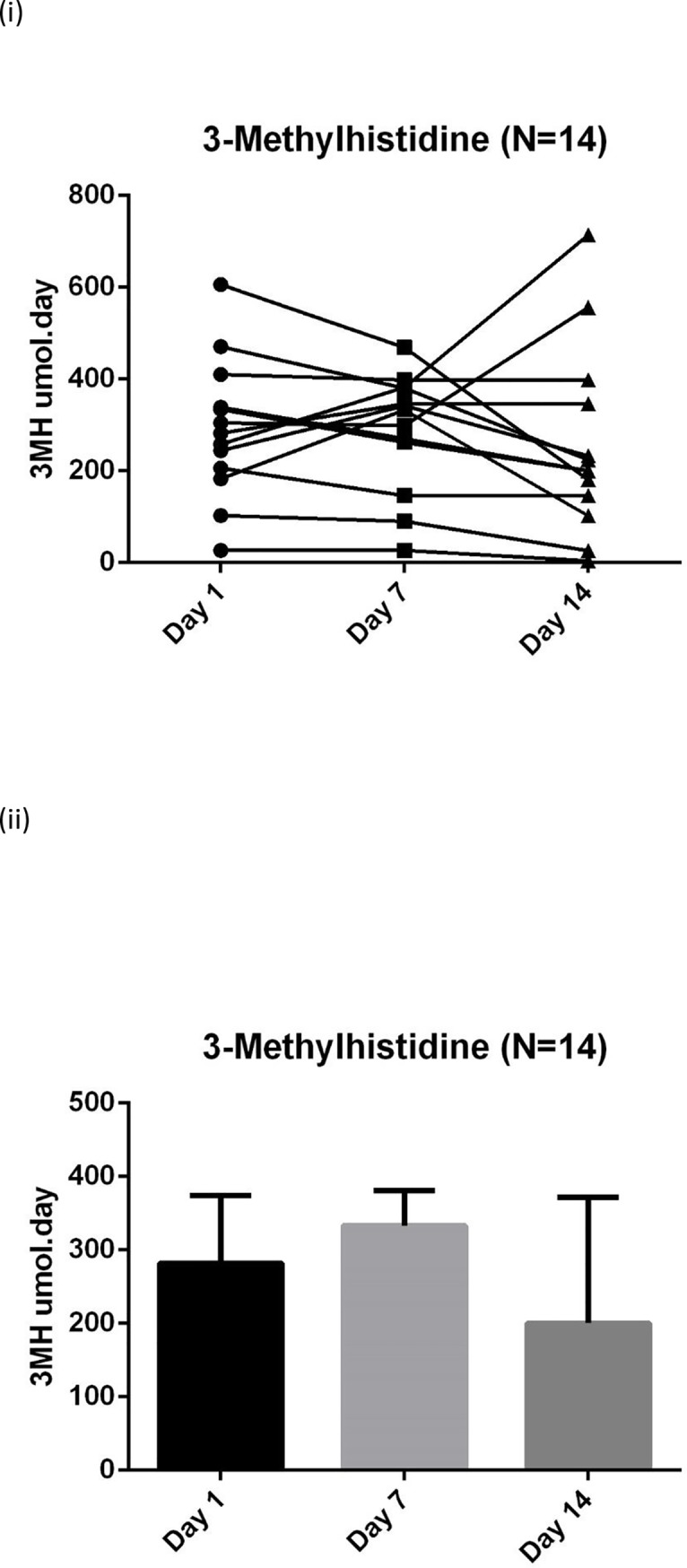
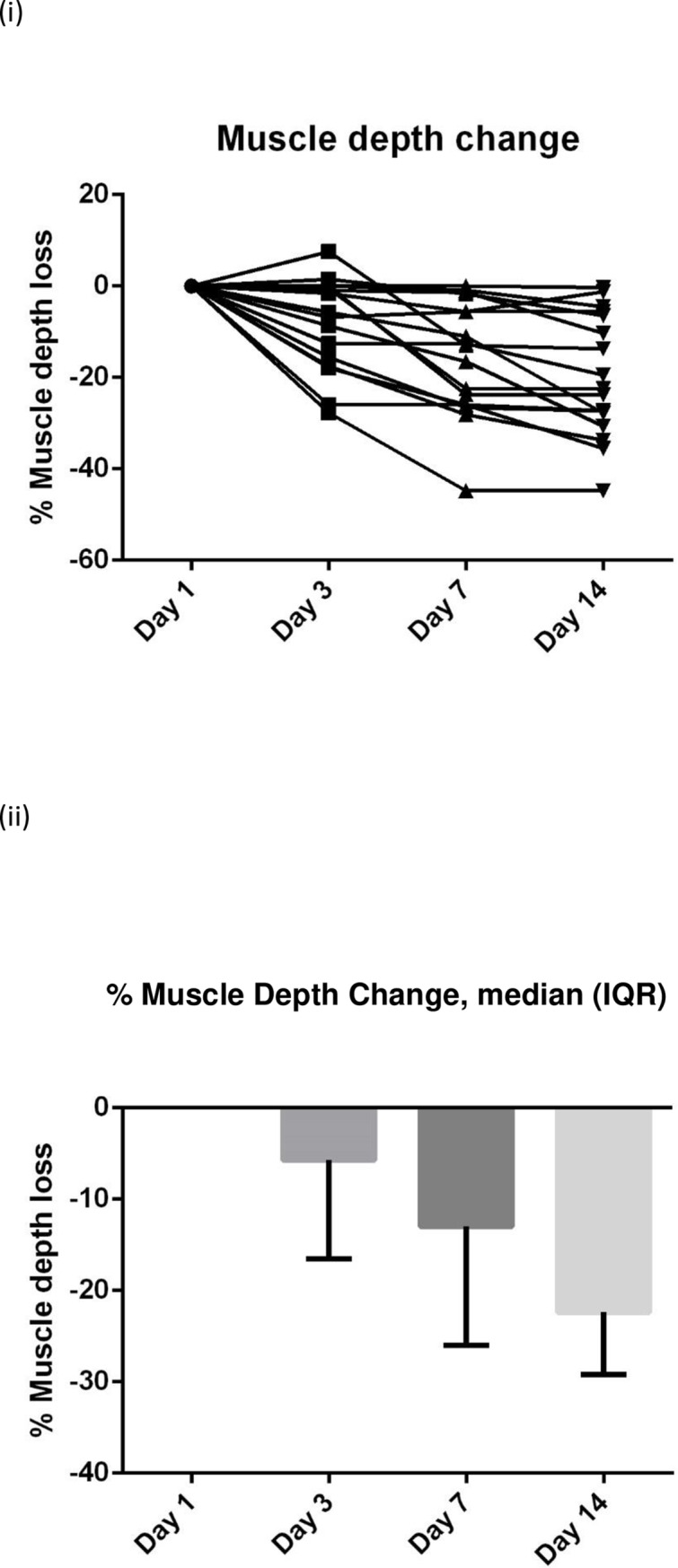
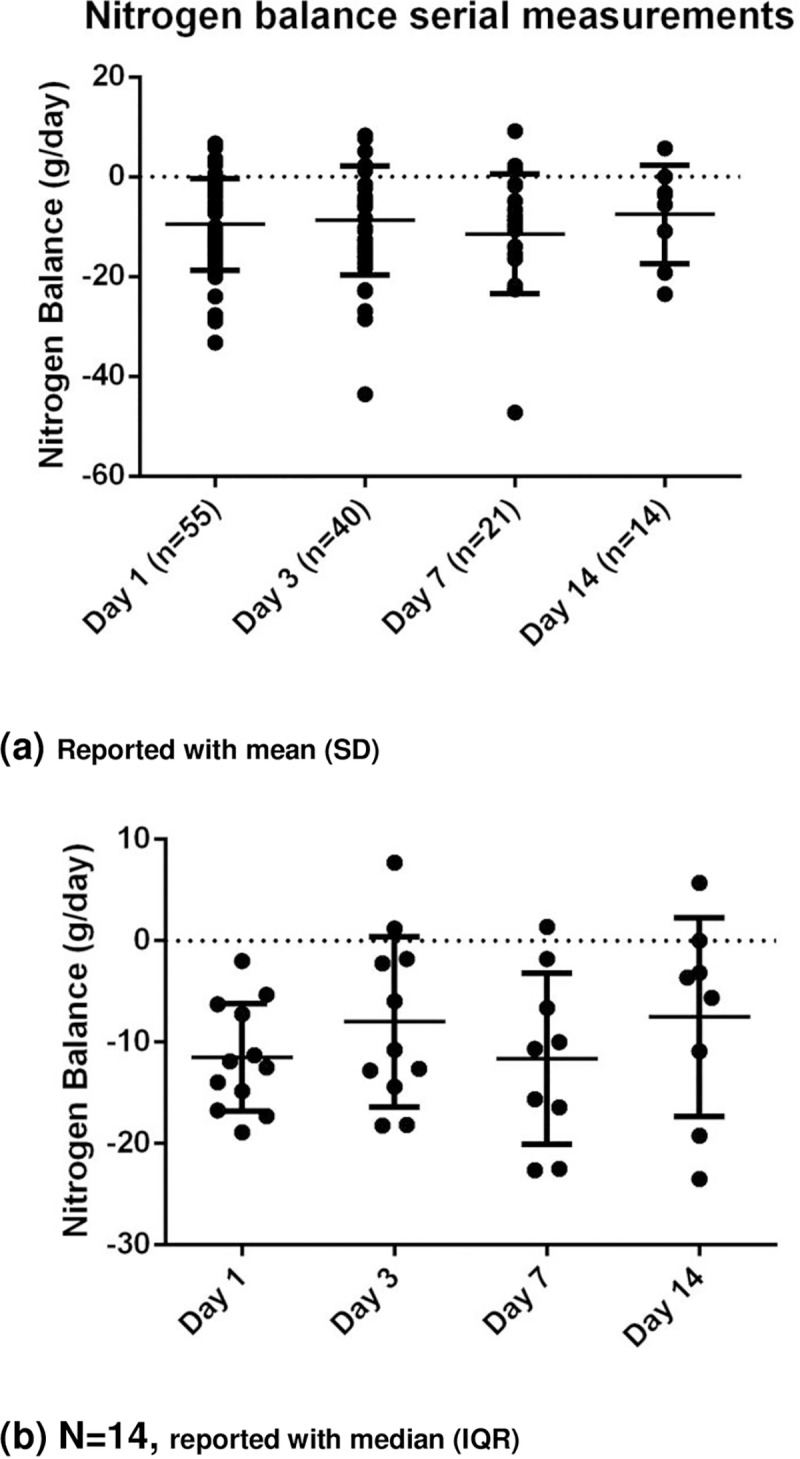
Methods: This study was conducted in adult intensive care units in two large teaching hospitals. Patients anticipated to be ventilated for >48 hours were included. Serum C-reactive protein (mg/L), urinary urea (mmol/24h), 3-methylhistidine (μmol/24h) and nitrogen balance (g/24h) were measured on days 1, 3, 7 and 14 of the study. Muscle depth (cm) on ultrasound were measured on the same days over the bicep (bicep and brachialis muscle), forearm (flexor compartment of muscle) and thigh (rectus femoris and vastus intermedius).
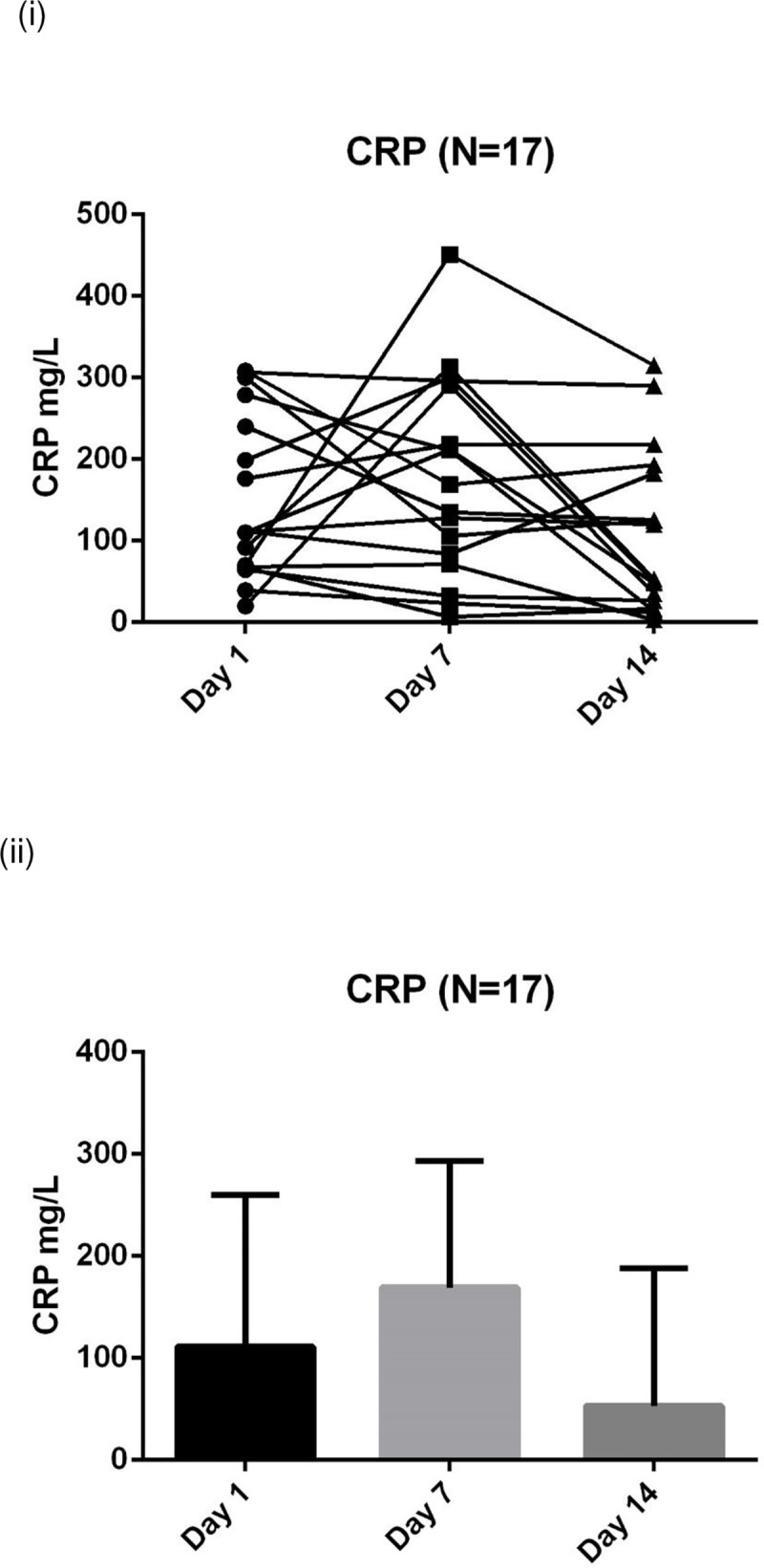
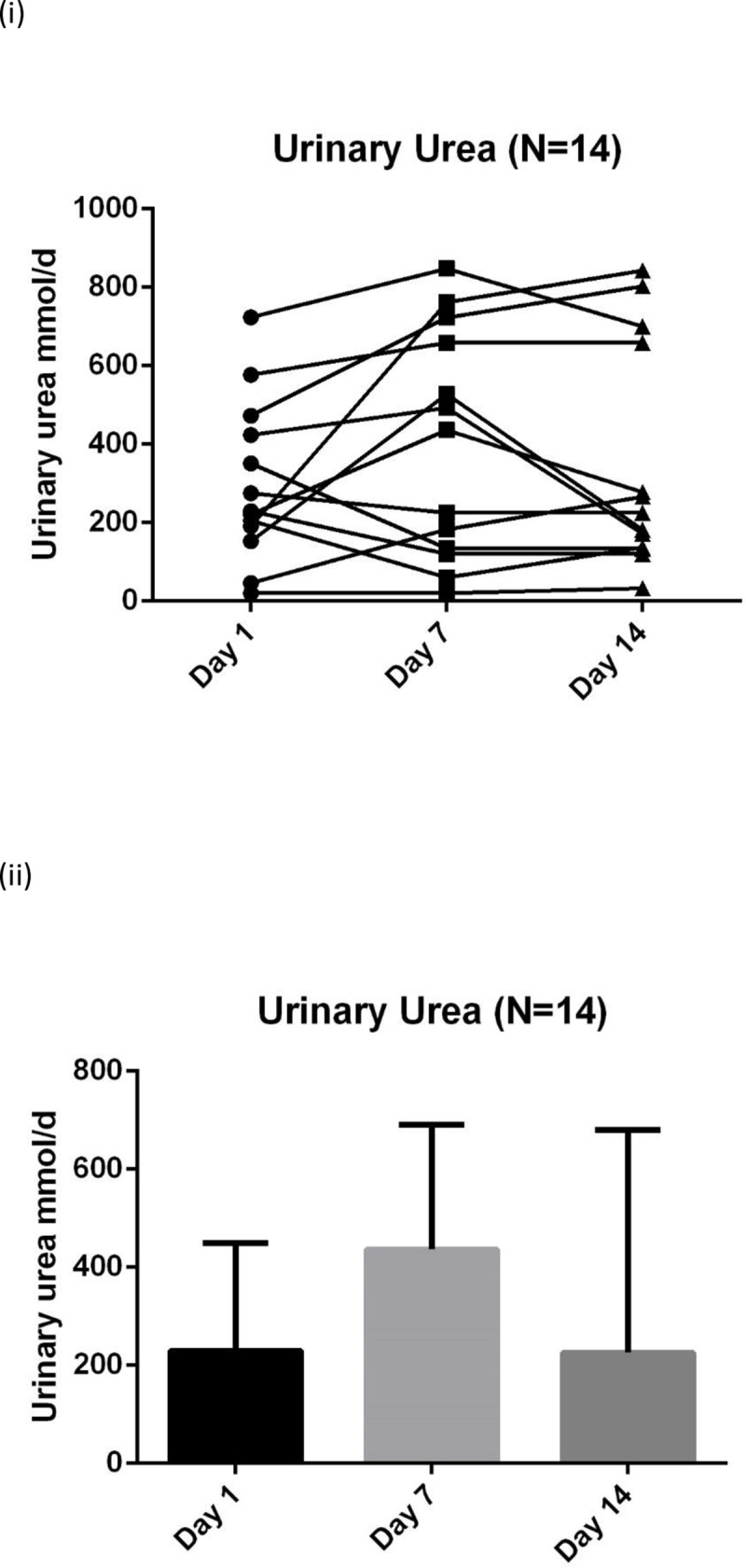
Results: Seventy-eight critically ill patients were included with mean age of 59 years (SD: 16) and median Intensive care unit (ICU) length of stay of 10 days (IQR: 6-16). Starting muscle depth, 8.5cm (SD: 3.2) to end muscle depth, 6.8cm (SD: 2.2) were on average significantly different over 14 days, with mean difference -1.67cm (95%CI: -2.3 to -1cm), p<0.0001. Protein breakdown and inflammation continued over 14 days of the study.
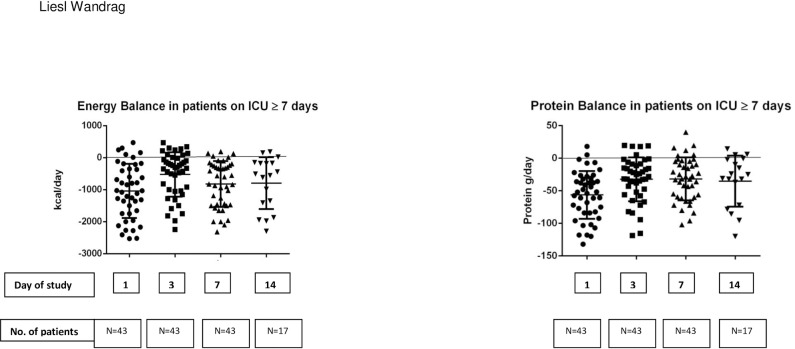
Conclusion: Our patients demonstrated a continuous muscle depth loss and negative nitrogen balance over the 14 days of the study. Catabolism remained dominant throughout the study period. No obvious 'nutritional tipping point" to identify anabolism or recovery could be identified in our cohort. Our ICU patient cohort is one with a moderately prolonged stay. This group showed little consistency in data, reflecting the individuality of both disease and response. The data are consistent with a conclusion that a time based assumption of a tipping point does not exist.
Trial registration: International Standard Randomised Controlled Trial Number: ISRCTN79066838. Registration 25 July 2012.
Conflict of interest statement
The authors have declared that no competing interests exist.
Figures
References
-
- NICE 2. Rehabilitation after critical illness (CG83). 4-10-2009. Online Source.
-
- Bear DE, Wandrag L, Merriweather JL, Connolly B, Hart N, Grocott MPW and on behalf of the Enhanced Recovery After Critical Illness Programme Group (ERACIP) investigators. The role of nutritional support in the physical and functional recovery of critically ill patients: a narrative review. Critical Care (2017) 21:226 10.1186/s13054-017-1810-2 - DOI - PMC - PubMed
Publication types
MeSH terms
Substances
Associated data
Grants and funding
LinkOut - more resources
Full Text Sources
Medical
Research Materials
