


Chemical Constituents, Pharmacologic Properties, and Clinical Applications of Bletilla striata
- PMID: 31736742
- PMCID: PMC6838137
- DOI: 10.3389/fphar.2019.01168
Chemical Constituents, Pharmacologic Properties, and Clinical Applications of Bletilla striata
Abstract
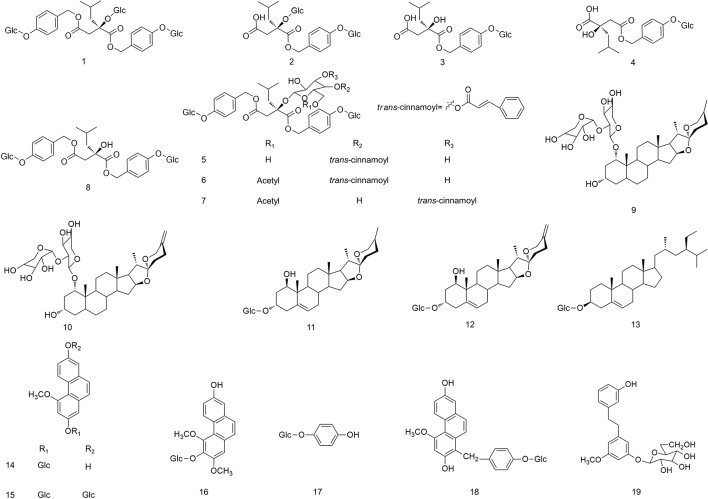
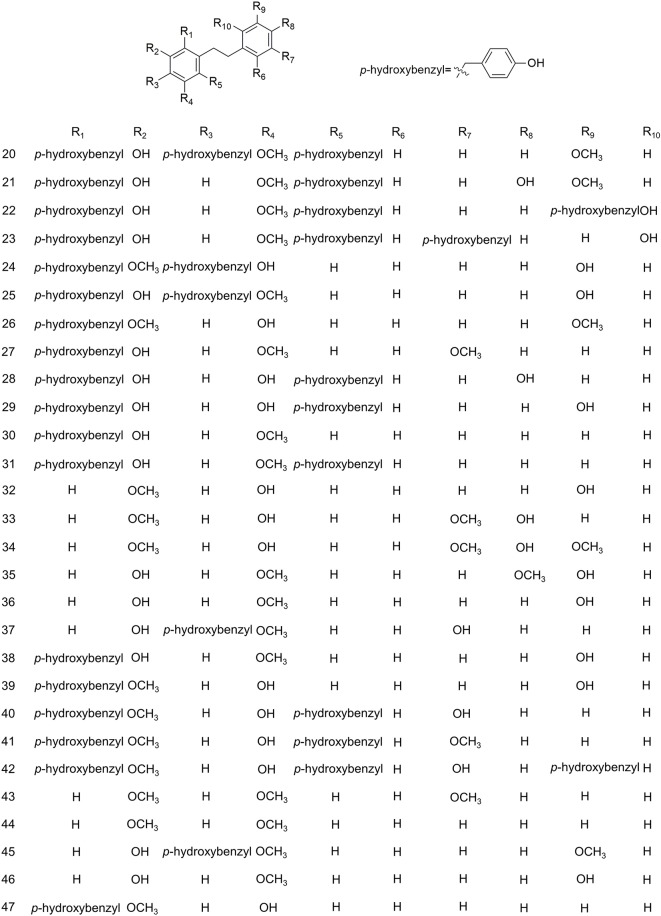
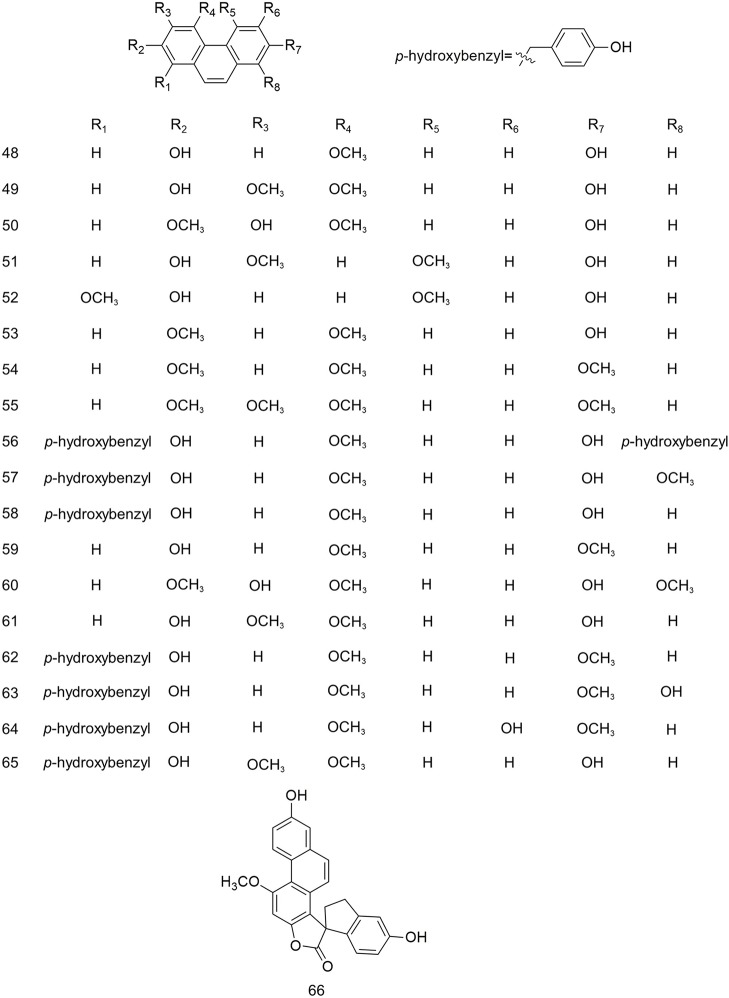
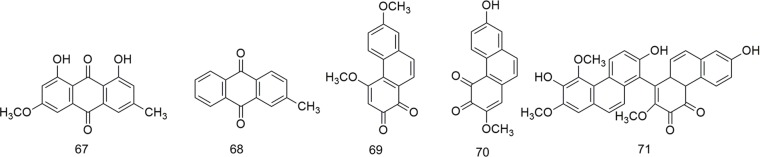
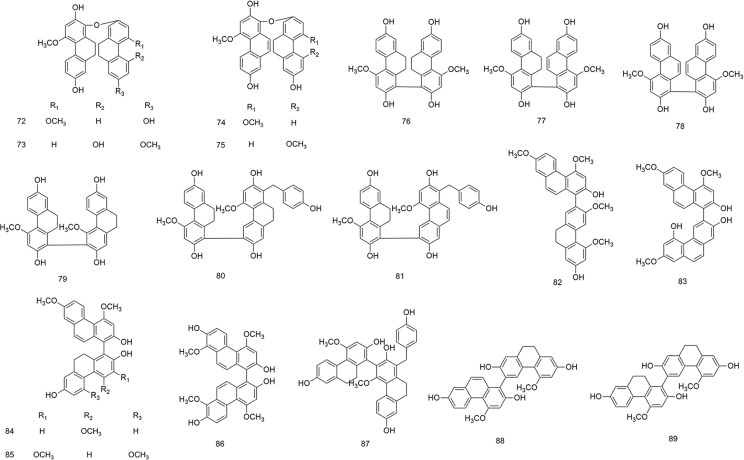
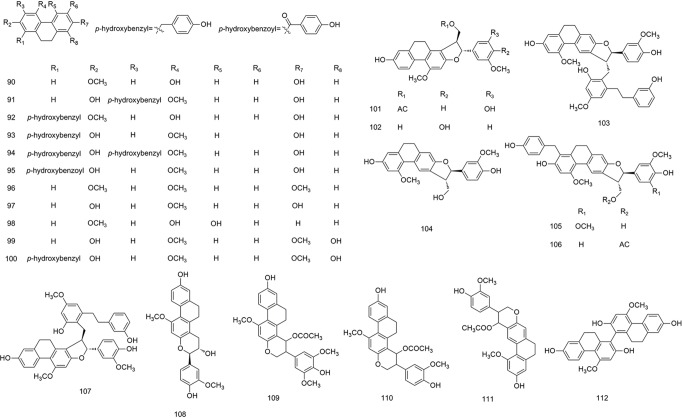
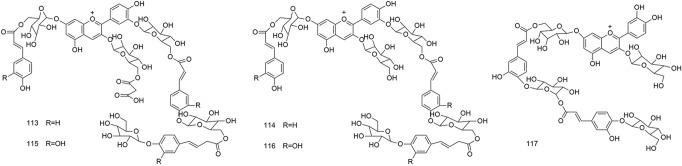
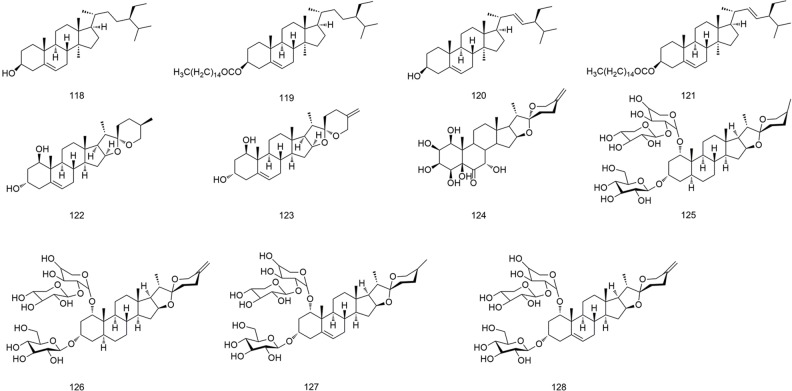
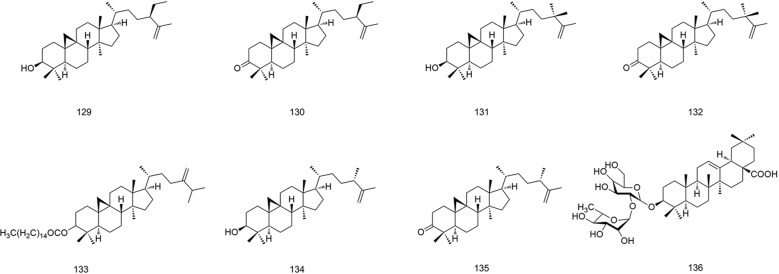
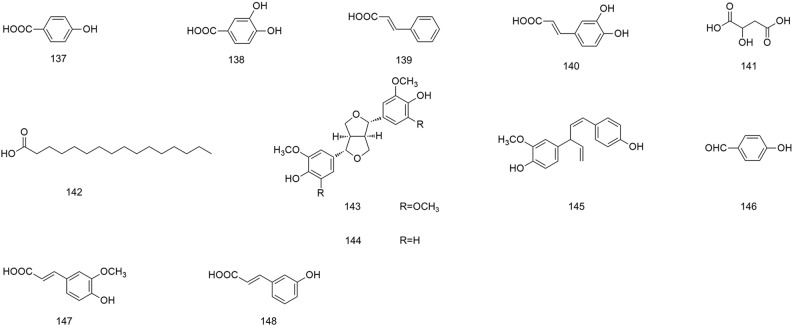
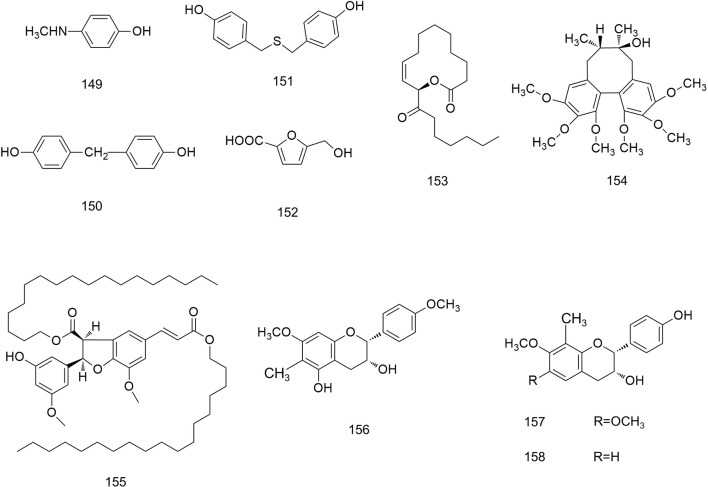
Bletilla striata is a plant from the Orchidaceae family that has been employed as a traditional Chinese medicine (TCM) for thousands of years in China. Here, we briefly review the published studies of the last 30 years that were related to chemical constituents, pharmacologic activities, and clinical applications of B. striata. Approximately 158 compounds have been extracted from B. striata tubers with clarified molecular structures that were classified as glucosides, bibenzyls, phenanthrenes, quinones, biphenanthrenes, dihydrophenanthrenes, anthocyanins, steroids, triterpenoids, and phenolic acids. These chemicals support the pharmacological properties of hemostasis and wound healing, and also exhibit anti-oxidation, anti-cancer, anti-viral, and anti-bacterial activities. Additionally, various clinical trials conducted on B. striata have demonstrated its marked activities as an embolizing and mucosa-protective agent, and its application for use in novel biomaterials, quality control, and toxicology. It also has been widely used as a constituent of many preparations in TCM formulations, but because there are insufficient studies on its clinical properties, its efficacy and safety cannot be established from a scientific point of view. We hope that this review will provide reference for further research and development of this unique plant.
Keywords: Bletilla striata; chemical constituents; clinical application; pharmacological activities; quality control; toxicology.
Copyright © 2019 Xu, Pan and Chen.
Figures
References
-
- Bai L., Kato T., Inoue K., Yamaki M., Takagi S. (1991). Blestrianol A, B and C, biphenanthrenes from Bletilla striata. Phytochemistry 30, 2733–2735. 10.1016/0031-9422(91)85133-K - DOI
-
- Bai L., Kato T., Inoue K., Yamaki M., Takagi S. (1993). Stilbenoids from Bletilla striata . Phytochemistry 33, 1481–1483. 10.1016/0031-9422(93)85115-8 - DOI
Publication types
LinkOut - more resources
Full Text Sources
Medical
Molecular Biology Databases
