


Applications of miRNAs in cardiac development, disease progression and regeneration
- PMID: 31752983
- PMCID: PMC6868784
- DOI: 10.1186/s13287-019-1451-2
Applications of miRNAs in cardiac development, disease progression and regeneration
Abstract
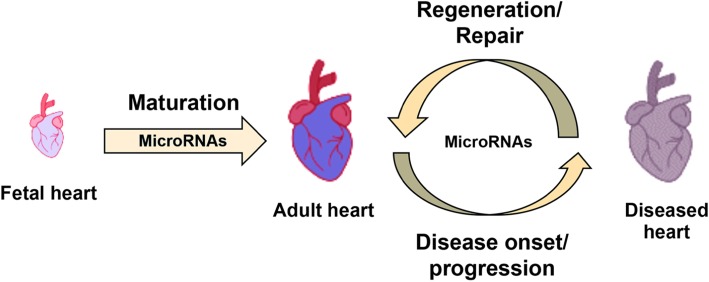
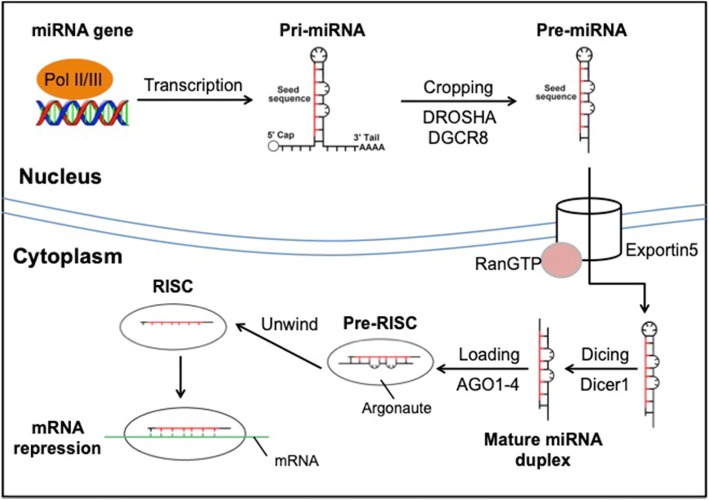
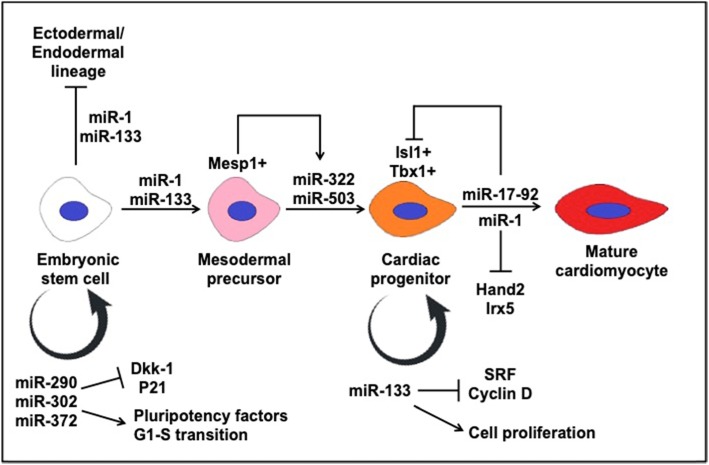
Development of the complex human heart is tightly regulated at multiple levels, maintaining multipotency and proliferative state in the embryonic cardiovascular progenitors and thereafter suppressing progenitor characteristics to allow for terminal differentiation and maturation. Small regulatory microRNAs (miRNAs) are at the level of post-transcriptional gene suppressors, which enhance the degradation or decay of their target protein-coding mRNAs. These miRNAs are known to play roles in a large number of biological events, cardiovascular development being no exception. A number of critical cardiac-specific miRNAs have been identified, of which structural developmental defects have been linked to dysregulation of miRNAs in the proliferating cardiac stem cells. These miRNAs present in the stem cell niche are lost when the cardiac progenitors terminally differentiate, resulting in the postnatal mitotic arrest of the heart. Therapeutic applications of these miRNAs extend to the realm of heart failure, whereby the death of heart cells in the ageing heart cannot be replaced due to the arrest of cell division. By utilizing miRNA therapy to control cell cycling, the regenerative potential of matured myocardium can be restored. This review will address the various cardiac progenitor-related miRNAs that control the development and proliferative potential of the heart.
Keywords: Cardiac development; Cardiac regeneration and development; Cardiovascular progenitors; MicroRNA; Stem cell niche.
Conflict of interest statement
The authors declare that they have no competing interests.
Figures
References
Publication types
MeSH terms
Substances
LinkOut - more resources
Full Text Sources
Other Literature Sources
Medical
