


Medicinal plants and natural products can play a significant role in mitigation of mercury toxicity
- PMID: 31762676
- PMCID: PMC6853017
- DOI: 10.2478/intox-2018-0024
Medicinal plants and natural products can play a significant role in mitigation of mercury toxicity
Abstract
Mercury is a heavy metal of considerable toxicity. Scientific literature reveals various plants and plant derived natural products, i.e., phytochemicals, which can alleviate experimentally induced mercury toxicity in animals. The present review attempts to collate those experimental studies on medicinal plants and phytochemicals with ameliorative effects on mercury toxicity. A literature survey was carried out by using Google, Scholar Google, Scopus and Pub-Med. Only the scientific journal articles found in the internet for the last two decades (1998-2018) were considered. Minerals and semi-synthetic or synthetic analogs of natural products were excluded. The literature survey revealed that in pre-clinical studies 27 medicinal plants and 27 natural products exhibited significant mitigation from mercury toxicity in experimental animals. Clinical investigations were not found in the literature. Admissible research in this area could lead to development of a potentially effective agent from the plant kingdom for clinical management of mercury toxicity in humans.
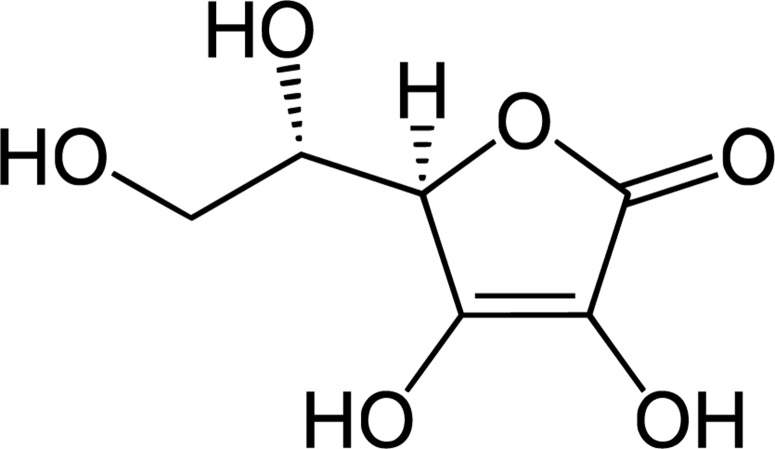
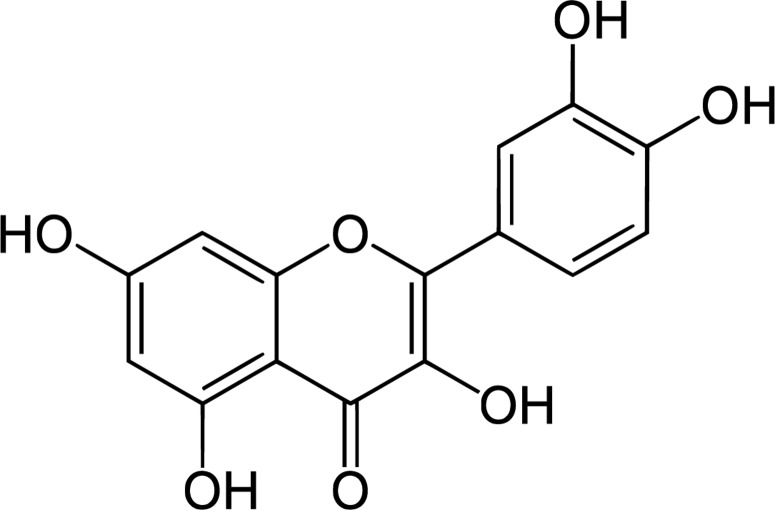
Keywords: ascorbic acid; mercury; natural products; oxidative stress; quercetin.
Copyright © 2018 SETOX & Institute of Experimental Pharmacology and Toxicology, SASc.
Conflict of interest statement
The author reports no conflict of interest. The author alone is responsible for the content and writing of this paper.
Figures

References
-
- Abarikwu SO, Benjamin S, Ebah SG, Obilor G, Agbam G. Oral administration of Moringa oleifera oil but not coconut oil prevents mercury-induced testicular toxicity in rats. Andrologia. 2017;49:e12597. - PubMed
-
- Abd El-Aziz GS, El-Fark MM, Saleh HA. The prenatal toxic effect of methylmercury on the development of the appendicular skeleton of rat fetuses and the protective role of vitamin E. Anat Rec (Hoboken) 2012;295:939–949. - PubMed
-
- Abdalla FH, Bellé LP, De Bona KS, Bitencourt PE, Pigatto AS, Moretto MB. Allium sativum L. extract prevents methyl mercury-induced cytotoxicity in peripheral blood leukocytes (LS) Food Chem Toxicol. 2010;48:417–421. - PubMed
-
- Aflanie I. Effect of heavy metal on malondialdehyde and advanced oxidation protein products concentration: A focus on arsenic, cadmium, and mercury. J Med Bioengg. 2015;4:332–337.
-
- Agarwal R, Goel SK, Behari JR. Detoxification and antioxidant effects of curcumin in rats experimentally exposed to mercury. J Appl Toxicol. 2010b;30:457–68. - PubMed
Publication types
LinkOut - more resources
Full Text Sources